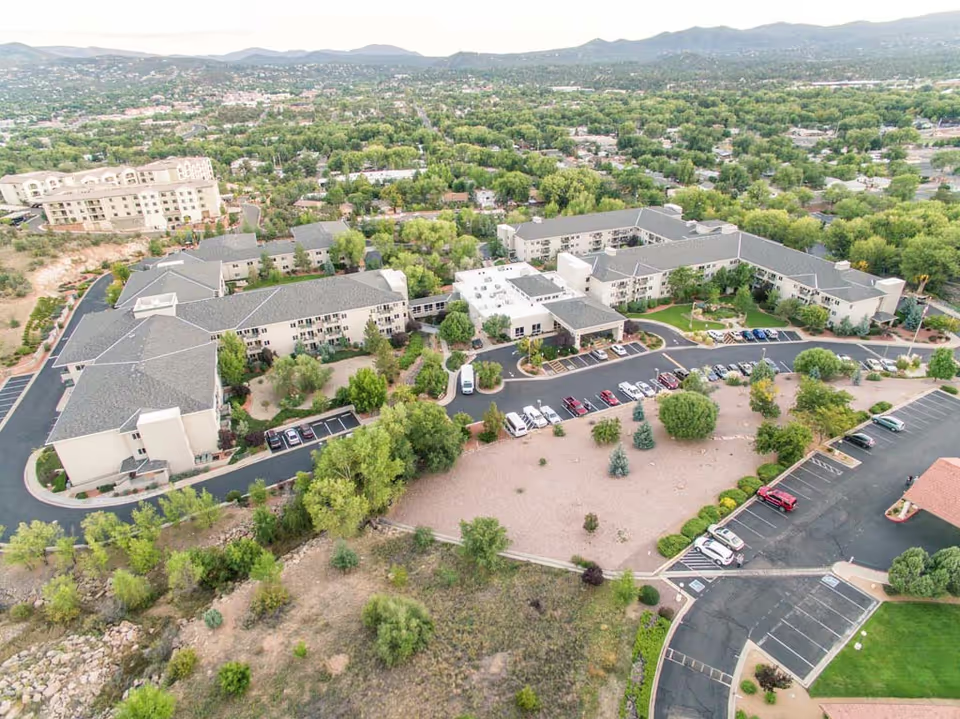
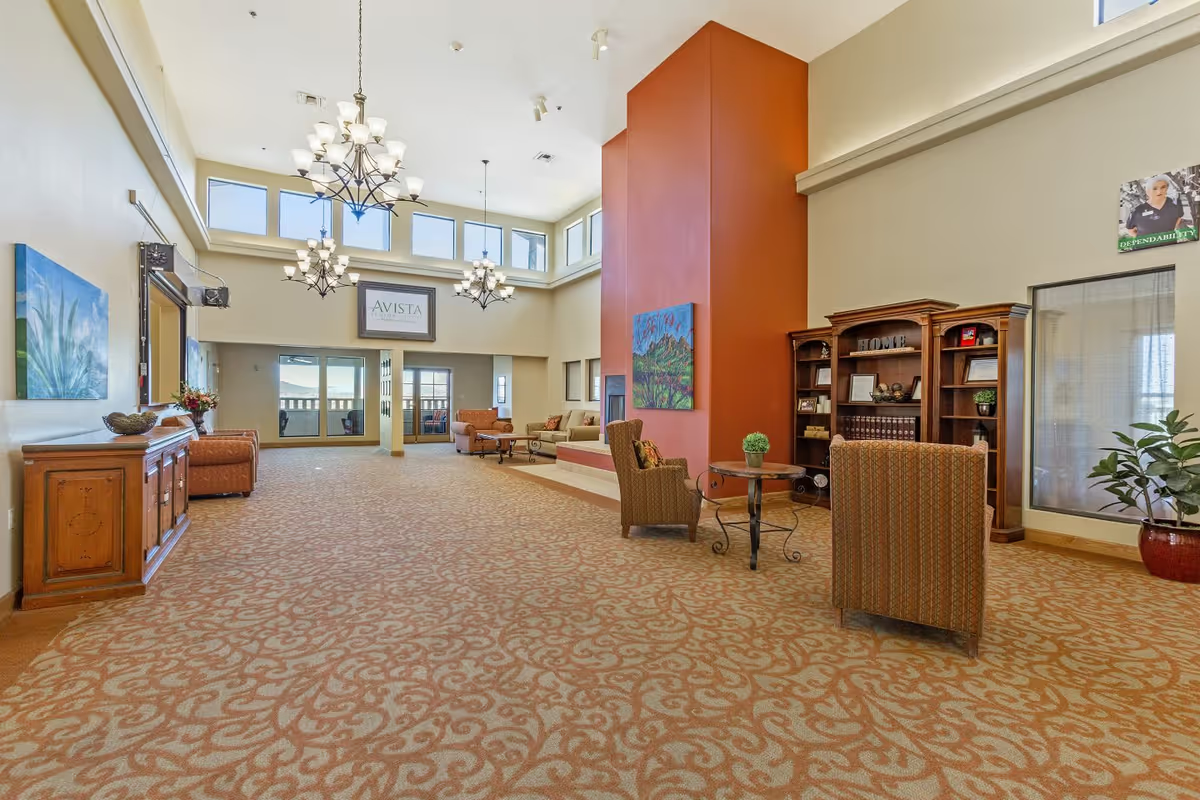
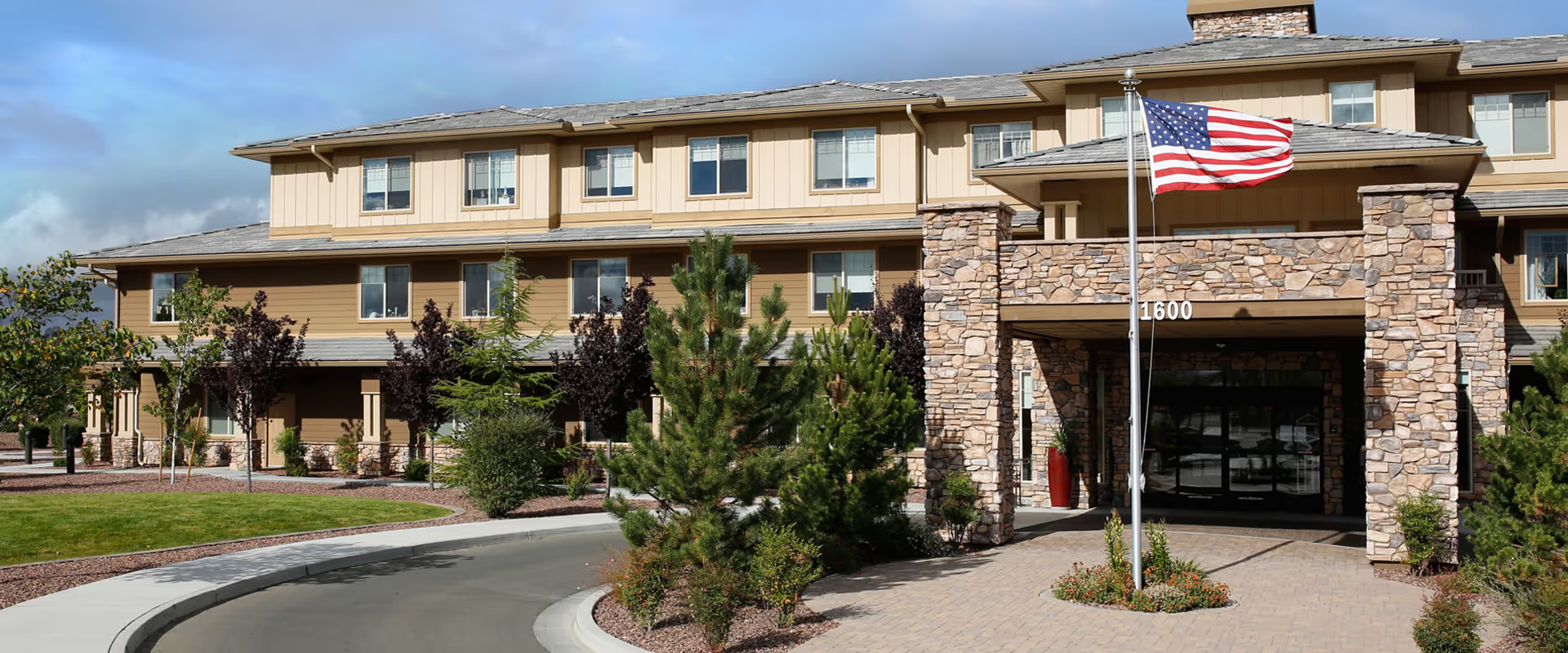
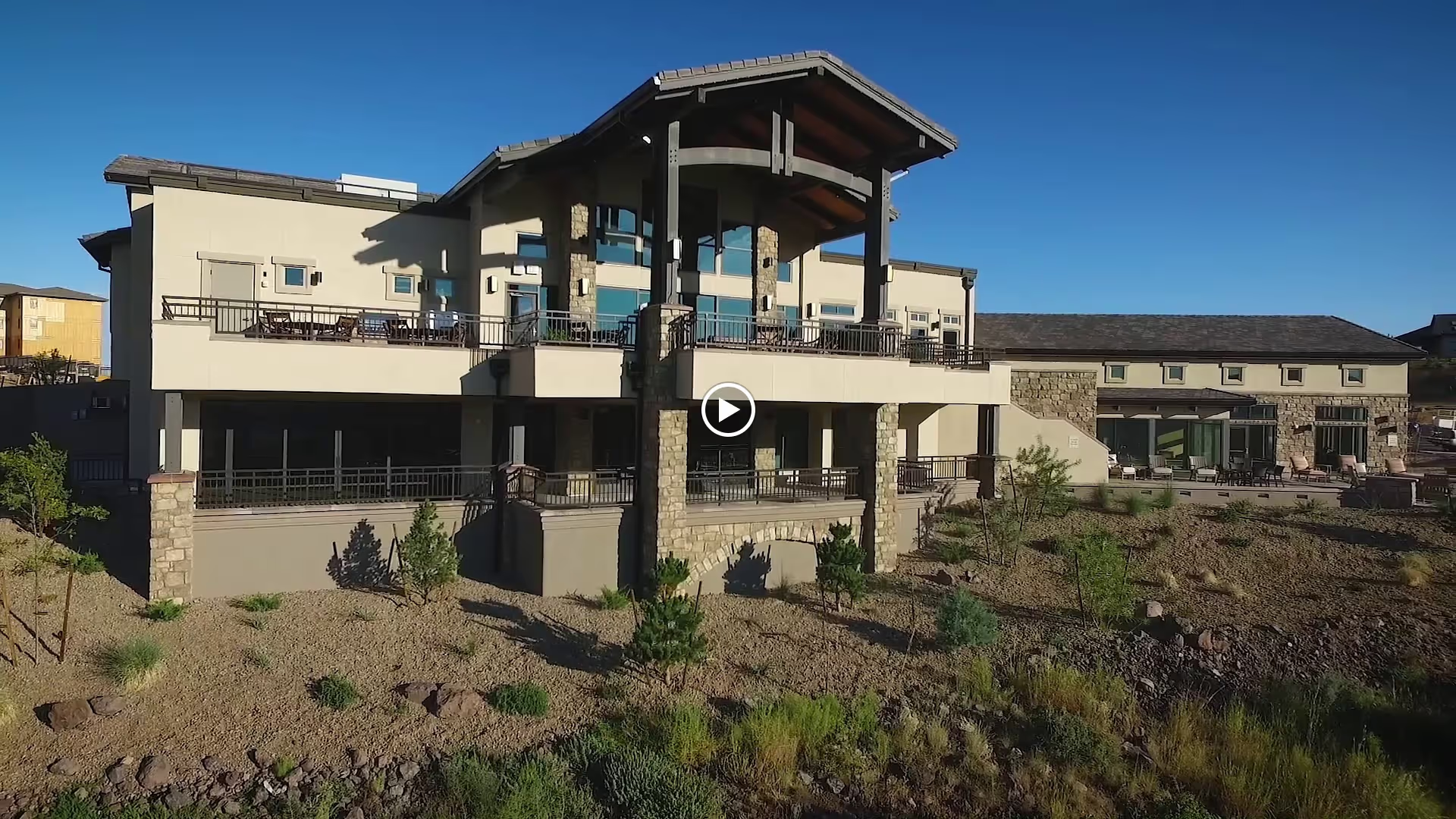
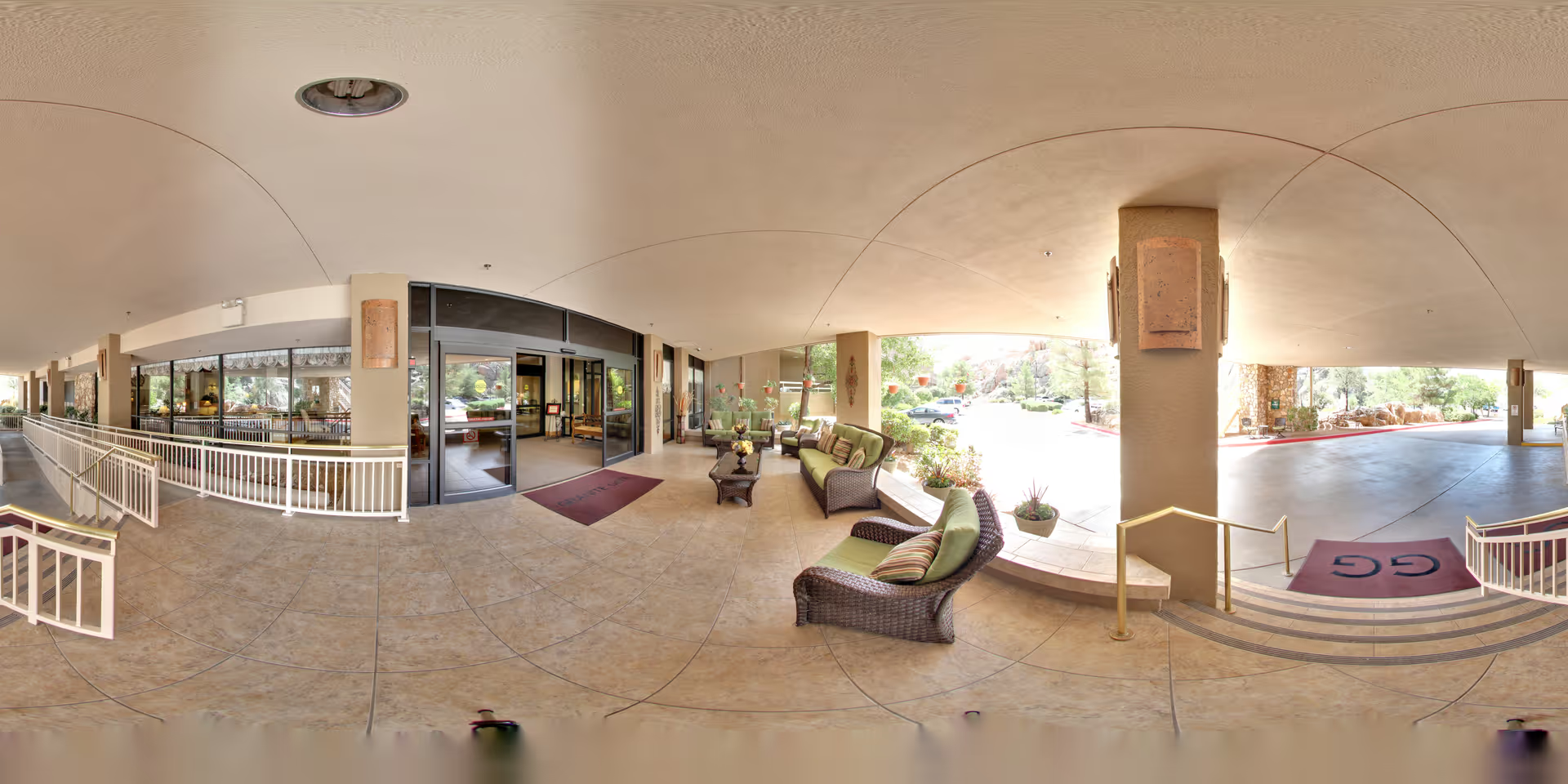
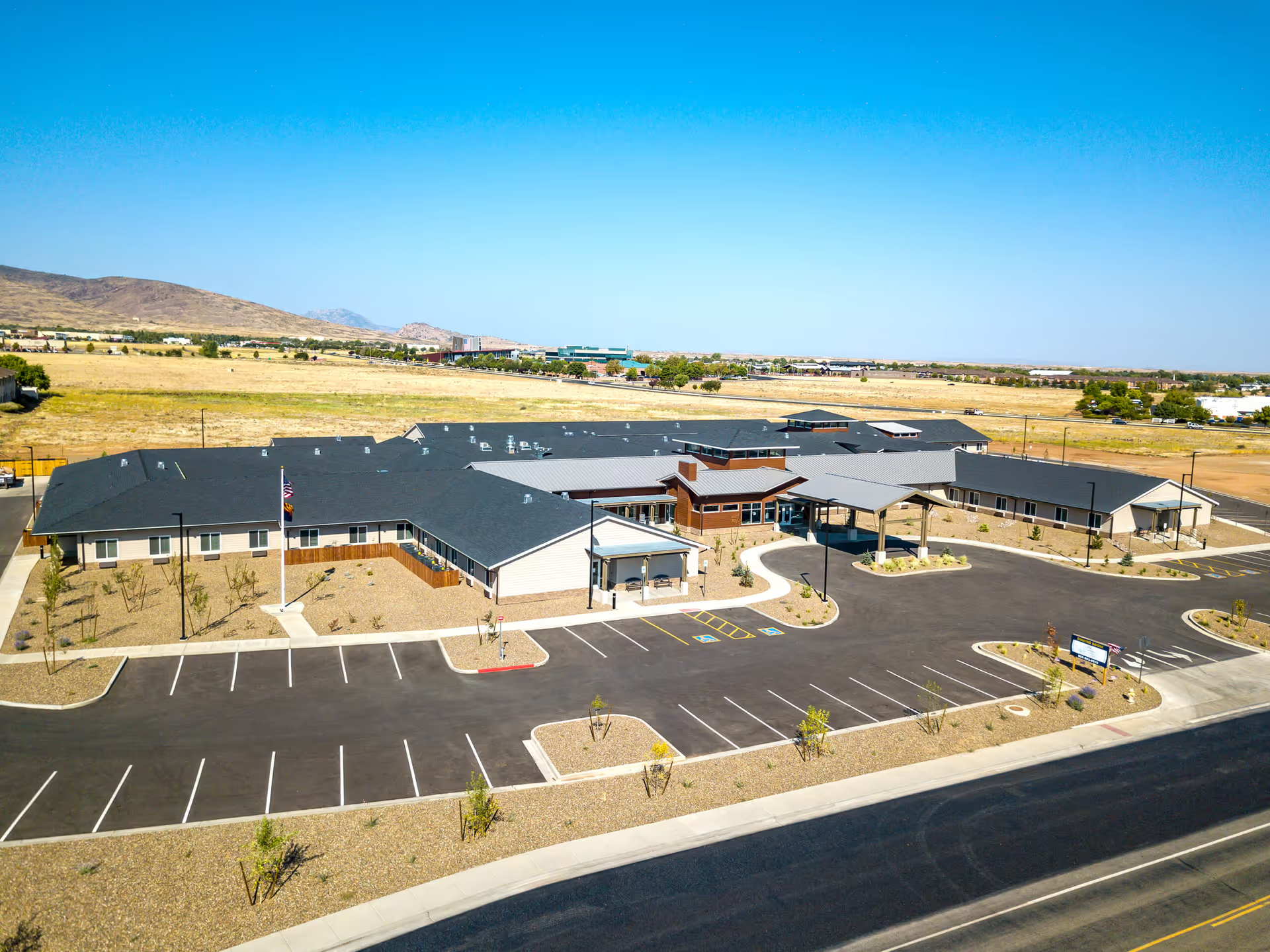
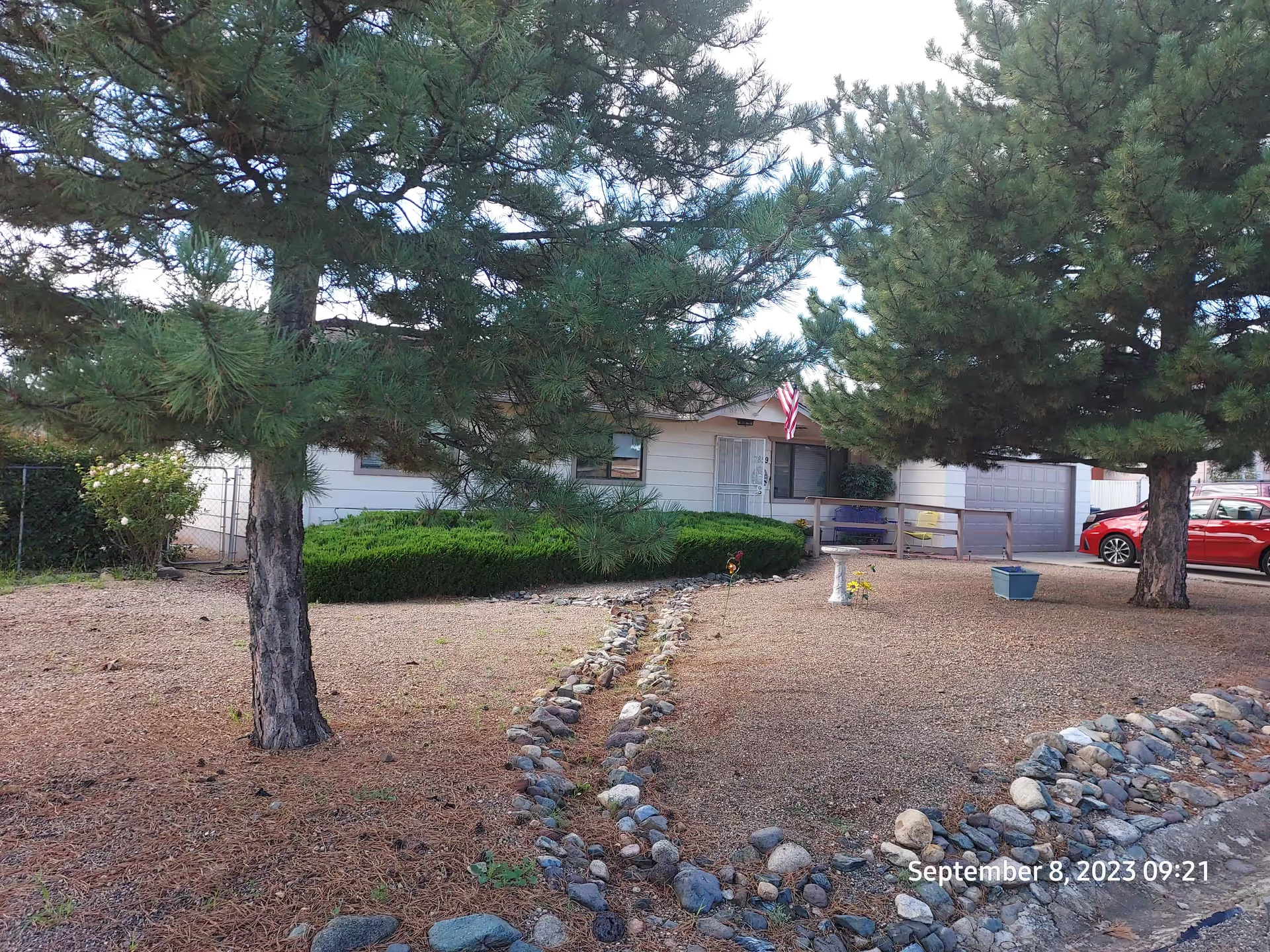
Prescott Village presents a mixed but largely positive picture for prospective residents and families. Strengths frequently noted across reviews include comfortable, spacious private casitas and multiple inviting common areas (library, clubhouse, pool room) that support socialization. The on-site kitchen and dining options receive consistent praise for appealing meals, and ancillary services such as maintenance, gardening, and biweekly housekeeping are described as reliable. The campus location—close to shops and a hospital—and the facility’s Christian/Lutheran affiliation are additional contextual positives for some families.
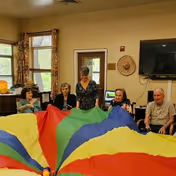
Clinical and caregiving quality is a central theme. Many families praised the empathy and competence of frontline staff, including CNAs, nurses, and therapy personnel; reviewers highlighted respectful feeding assistance, individualized rehabilitation plans, and effective PT/OT for short-term rehab. Leadership and administrative staff also received favorable comments in several accounts, with individual caregivers and an administrator singled out for positive attributes. The facility’s program offerings—exercise classes, games, chapel, puzzles, and structured activities—are robust and contribute to an active resident life.
At the same time, reviewers identified several operational weaknesses that may affect care consistency. There are recurring concerns about inconsistent responsiveness to call lights and room requests, together with documentation gaps and uneven medication-management practices. Staffing instability and periods of understaffing or turnover were cited as a contributing factor to delayed responses and variability in the resident experience. Some families noted limited or delayed access to physician consultation and variable continuity of therapy services, which can complicate clinical follow-up for higher-acuity residents.
Facility condition and management stability are mixed themes. While public areas and many casitas are described as clean and well maintained, the campus is visibly older in places and reviewers observed areas that likely need capital investment. A number of comments linked operational issues to organizational transitions and management changes; telephone responsiveness and front-desk organization also emerged as pain points. Finally, a subset of accounts raised infection-control concerns during outbreak periods, suggesting the facility may need to strengthen protocols and family communication during such events.
In summary, Prescott Village offers many concrete strengths—appealing dining, active programming, supportive common spaces, and a caregiving staff that is often described as compassionate and skilled—making it a competitive option for short-term rehab and long-term residence in the Prescott area. Prospective residents and families should weigh those positives against the operational challenges described above: inconsistent responsiveness, documentation and medication-management gaps, staffing variability, and aging infrastructure. These operational traits are the most important areas to explore during a tour and pre-admission conversations (ask for recent staffing patterns, medication-safety protocols, therapy schedules, physician access, and capital-improvement plans).