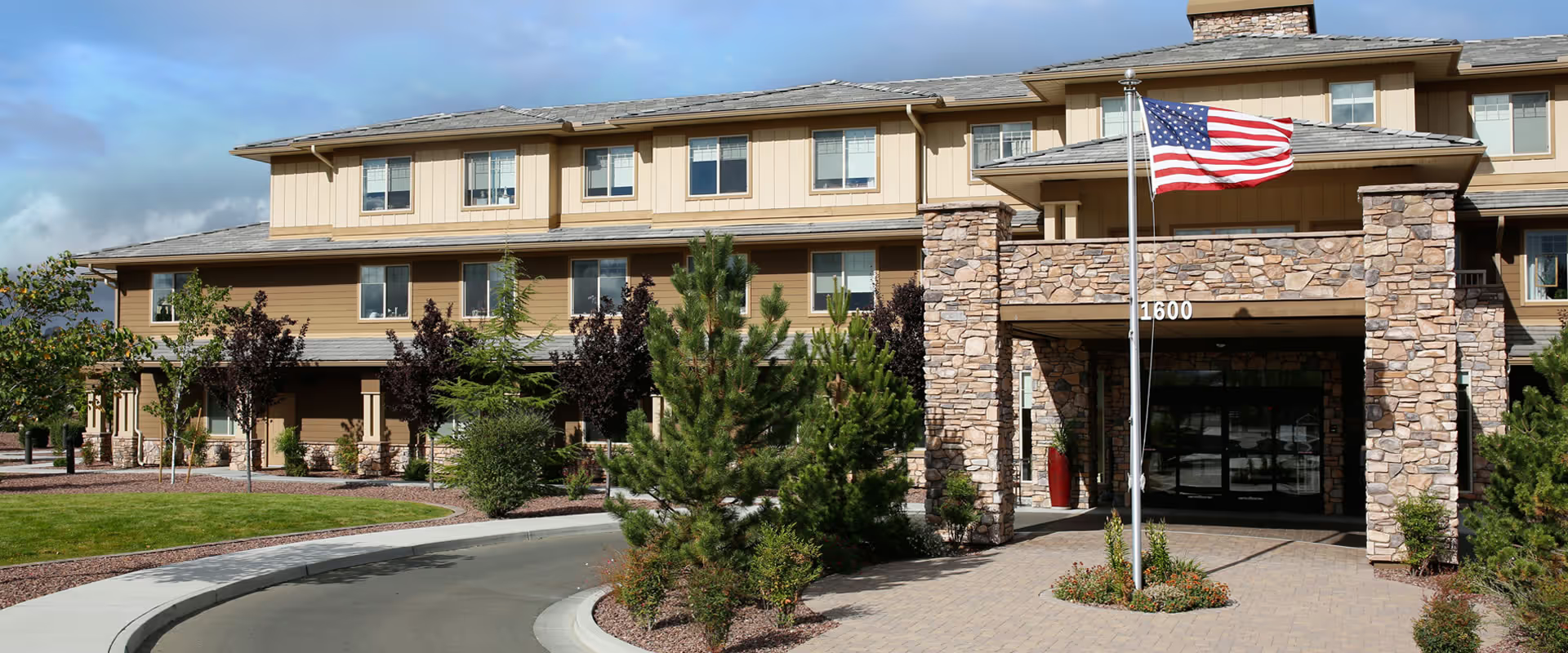
Willow Wind Assisted Living is portrayed overall as a small, residential-style community with strengths in caregiving presence, nursing oversight, and a range of lifestyle amenities. Reviewers emphasize engaged and helpful staff, including on-site nursing support and medication tracking, which supports a sense of clinical reliability for residents who require regular oversight. The facility’s compact, one-floor layout and accessible design, along with safe bathrooms and easy navigation, contribute to a home-like environment that is easy for residents to move around independently.
Dining and activities are frequent positive points. Several comments highlight home-style, varied menus and both casual and formal dining options, while others praise the integrated dining/activity spaces and spacious activity rooms. The community runs a stimulating activity calendar with a library, chapel services, outings for shopping and lunches, and room for smaller-group programming—attributes that support social engagement and routine. At the same time, feedback indicates variability in meal satisfaction: while many find the food appealing, some residents or families described meals as less satisfactory, suggesting uneven dining outcomes that may depend on menu selections or meal service episodes.
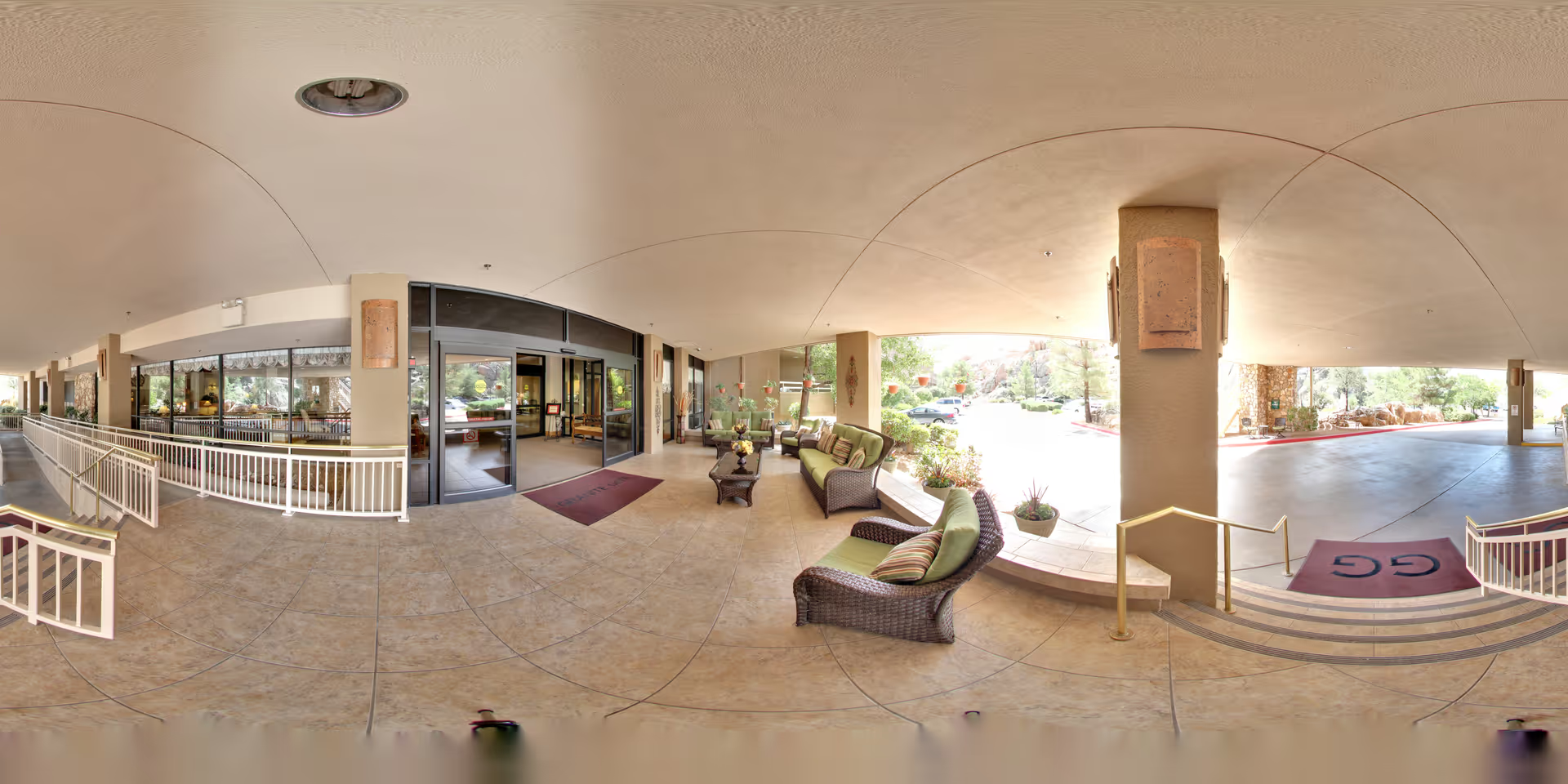
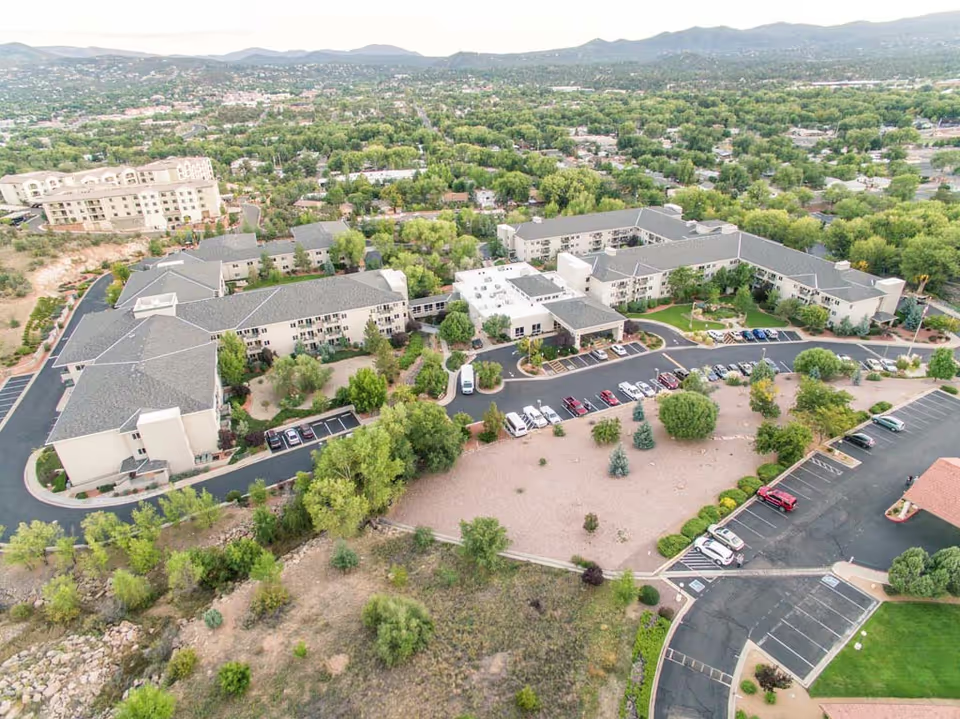
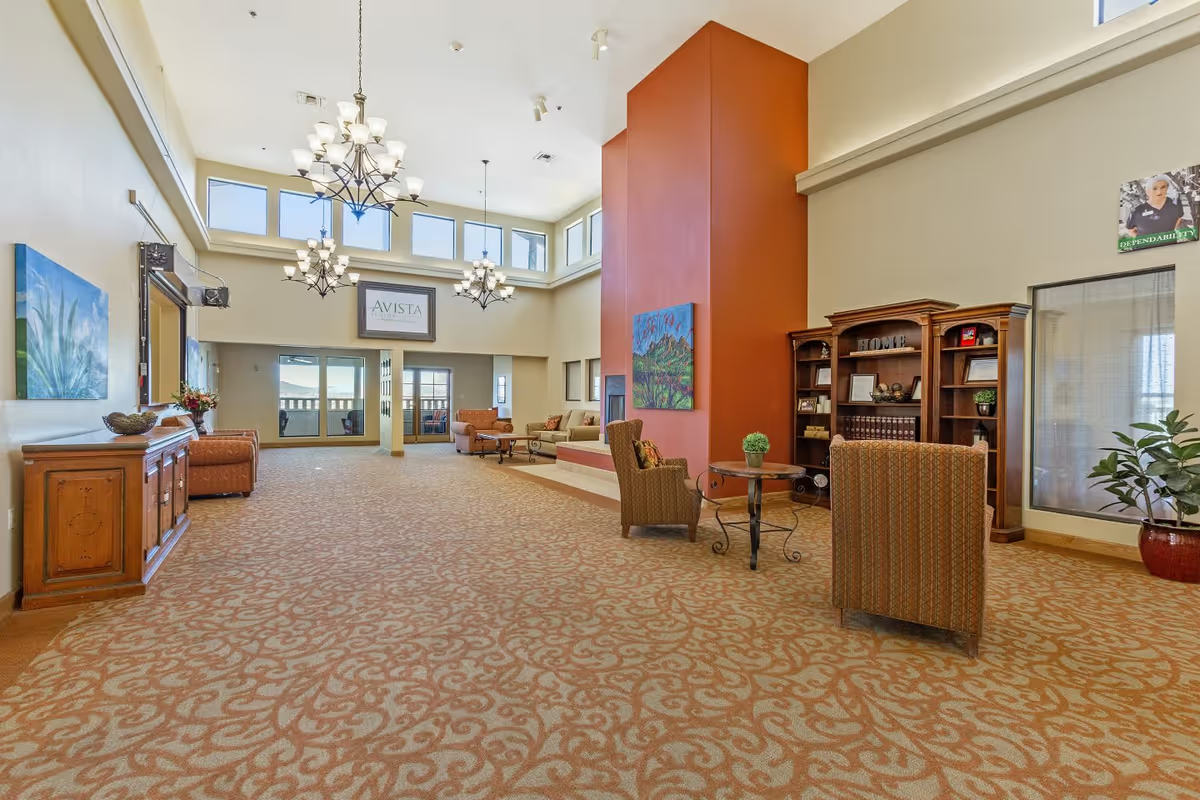
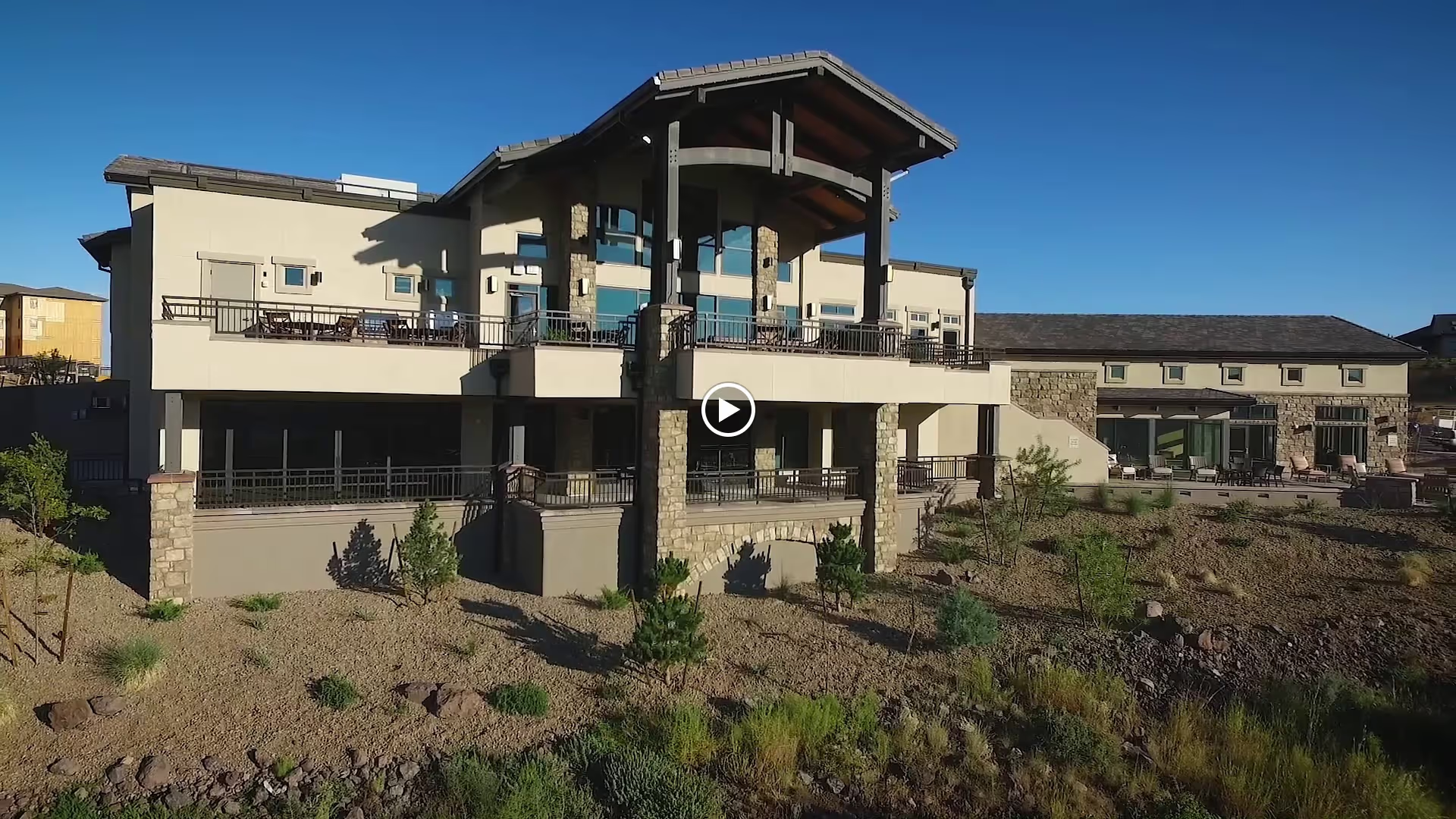
Facility amenities and environment are generally well regarded. The grounds are described as garden-like and well maintained, one-bedroom apartments are noted as attractive and functional, and public spaces such as the front lobby and library are arranged to support activities and visiting. Cleanliness and a home-like atmosphere are commonly cited, though operational support services show inconsistency. Housekeeping and laundry services were identified as weaker areas by a subset of respondents, indicating lapses in environmental maintenance and linen handling that affect perceived reliability of nonclinical services.
Management and operational patterns present a mixed picture. Administrative and communications contacts are seen as responsive by some reviewers, and the smaller size of the community appears to support personalized attention. However, the pattern of occasional lapses in support services—most notably housekeeping, laundry, and intermittent dining quality—suggests variability in service delivery across shifts or functions. Prospective residents and families should verify current housekeeping and laundry protocols, observe meal service during a visit, and ask specific questions about how the community ensures consistent service levels. Overall, Willow Wind projects a caring, activity-rich environment with solid clinical oversight, tempered by the need for more consistent nonclinical service execution.