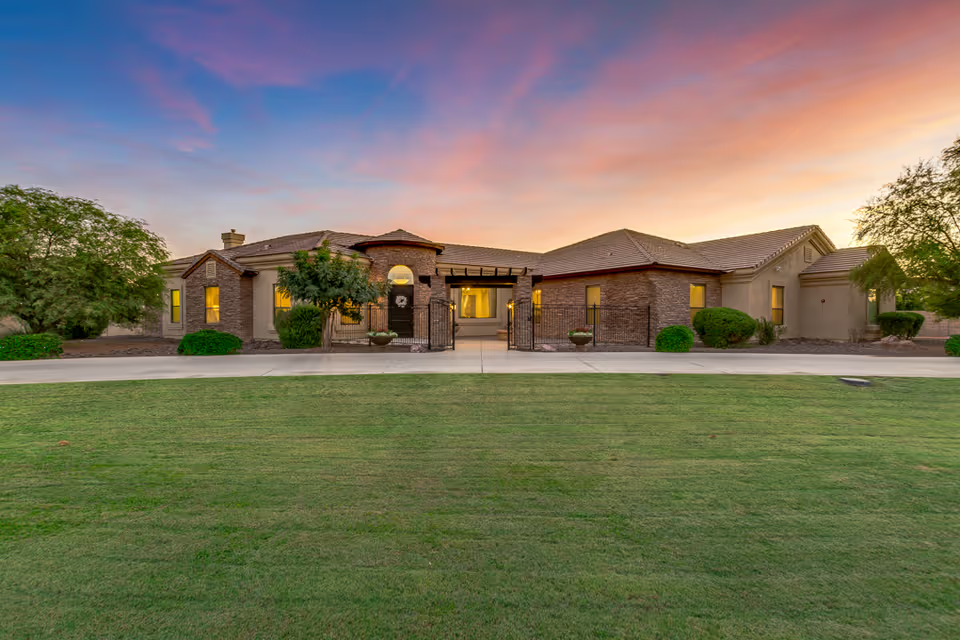
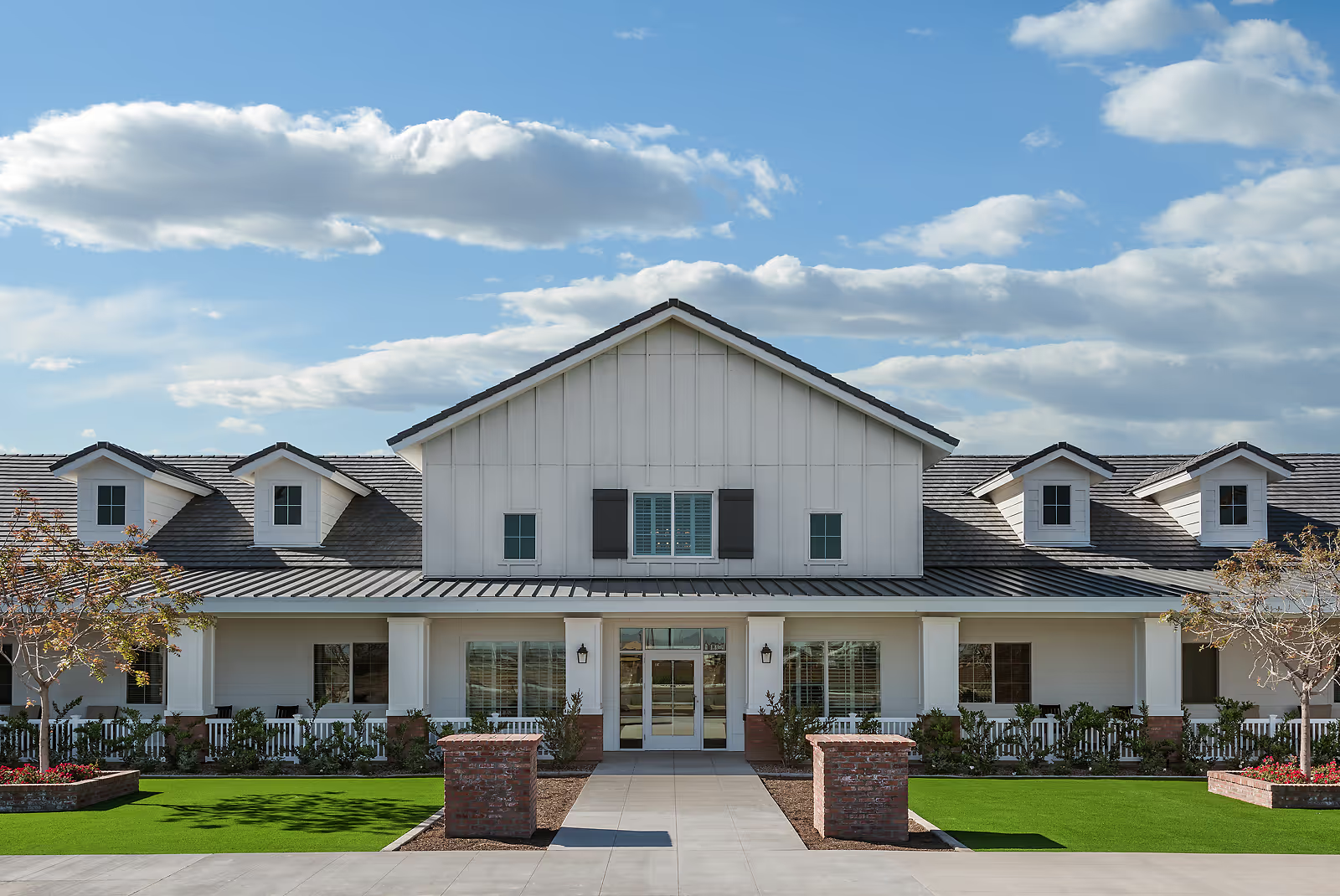
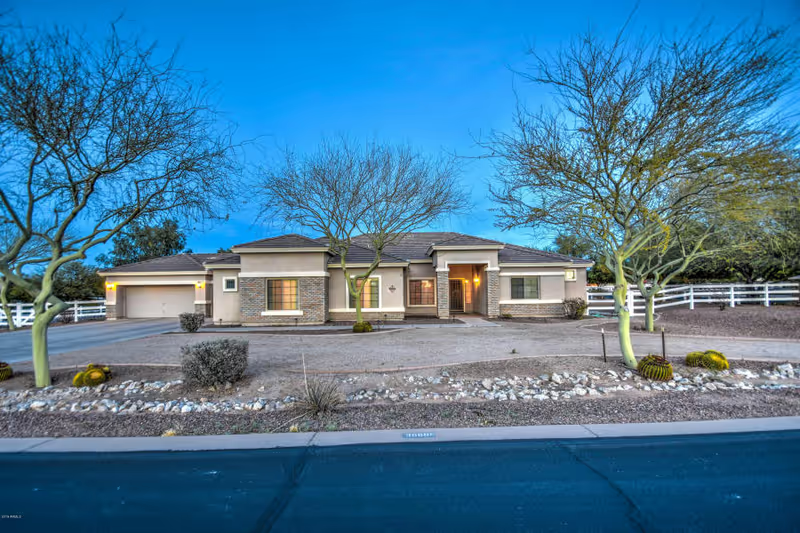
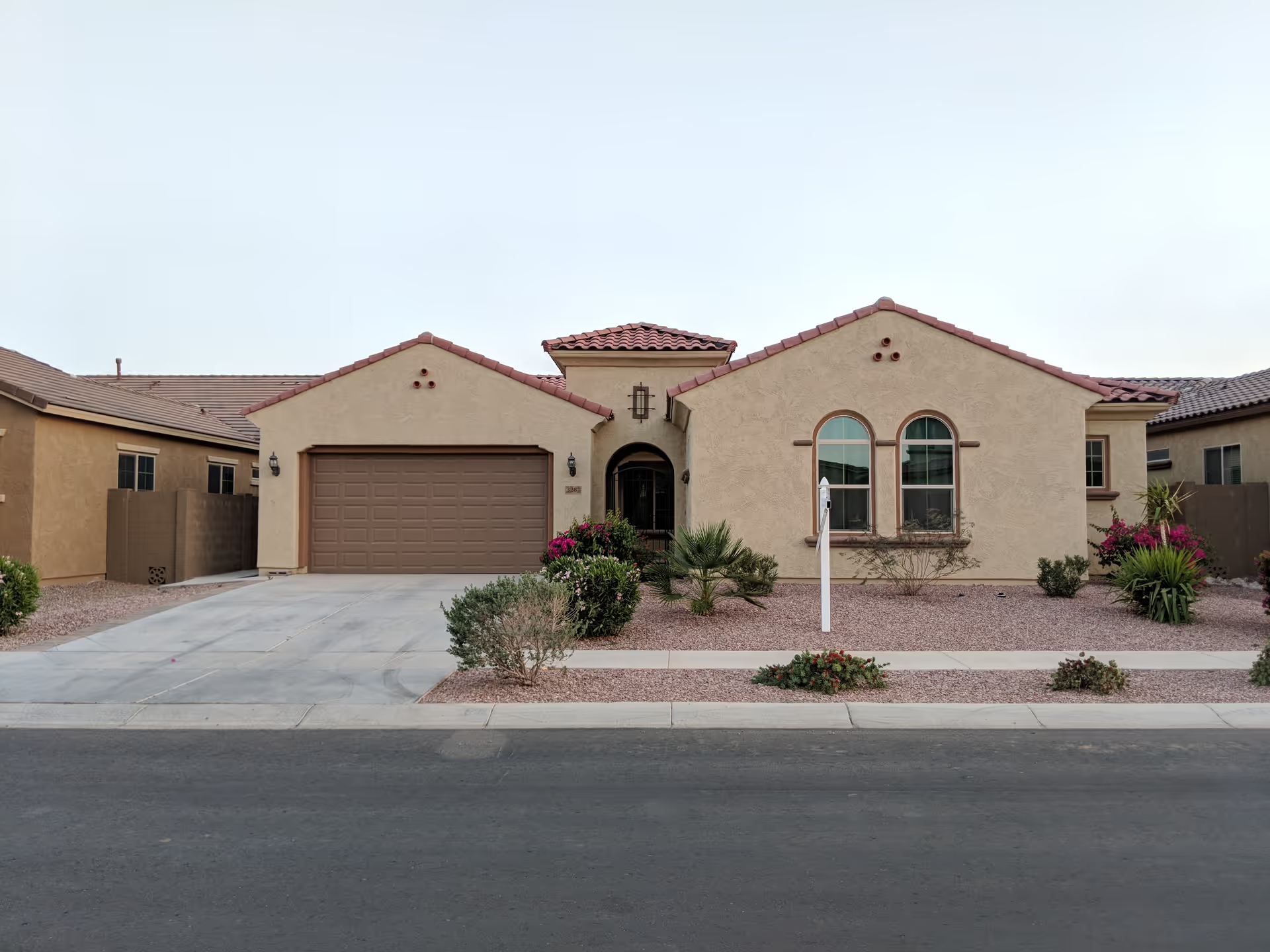
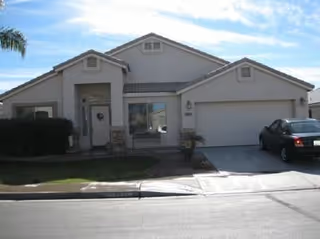
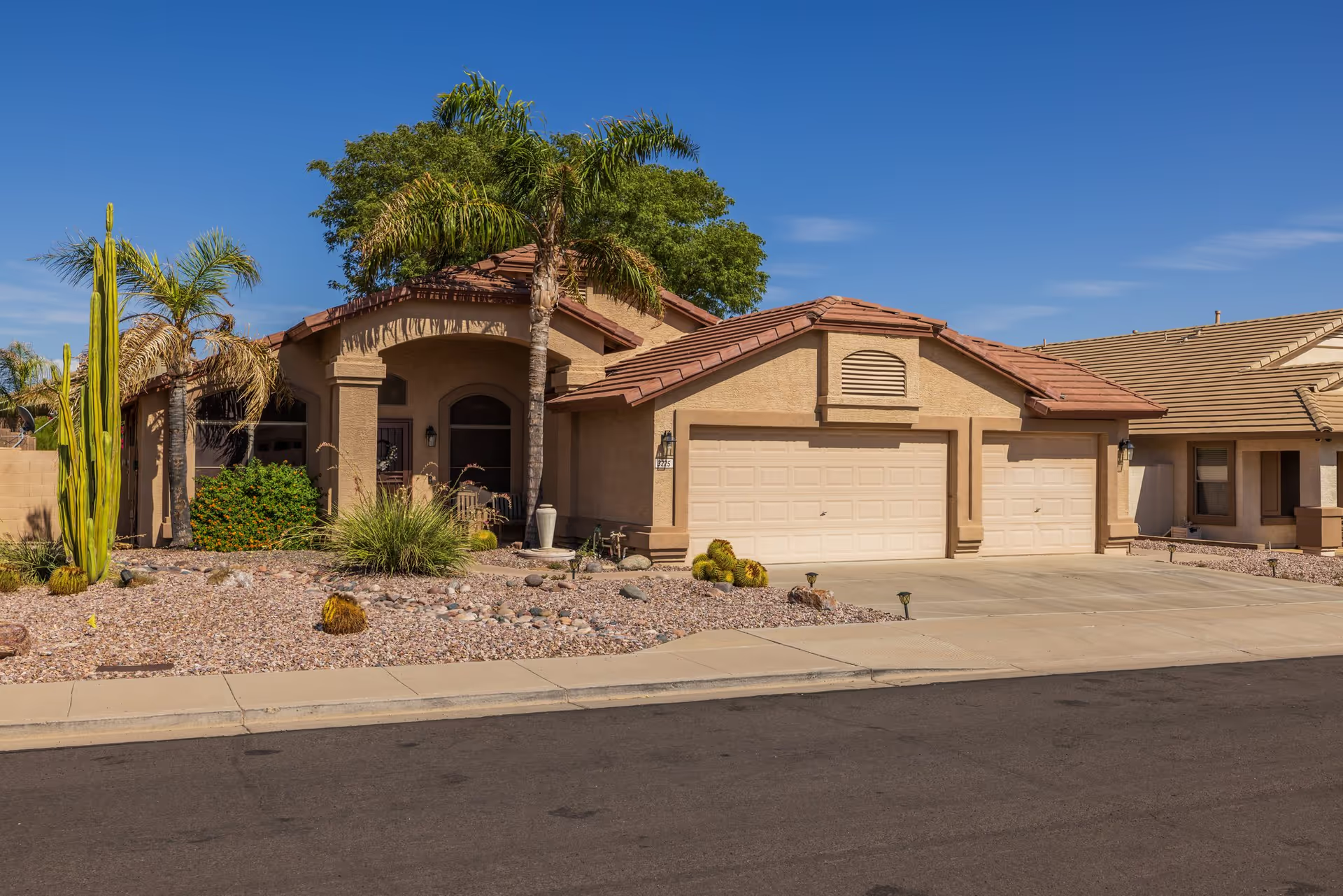
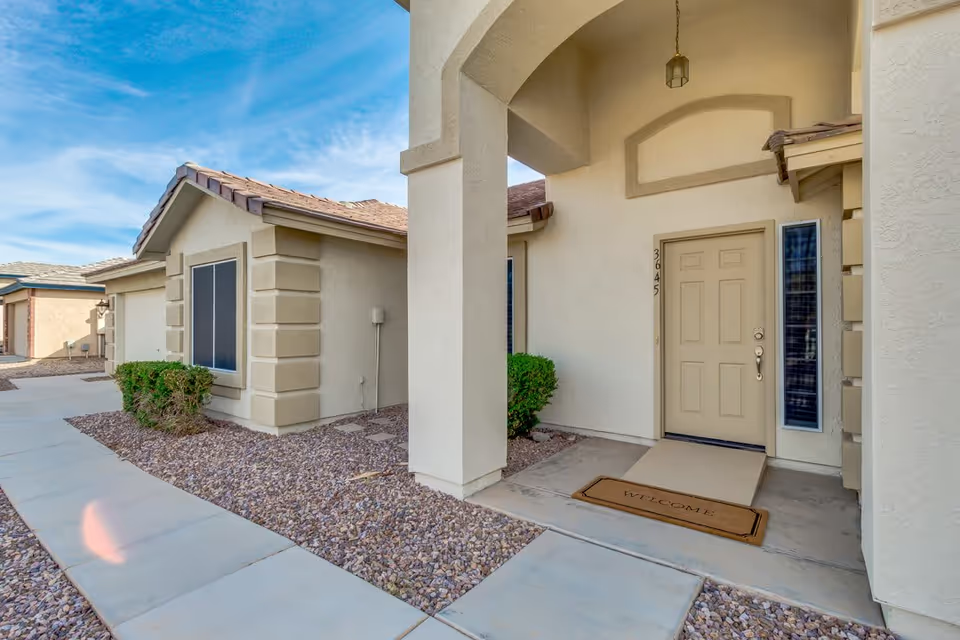
Overall impression: The compiled summaries indicate a facility with a strong emphasis on personal care, cleanliness, and a homelike environment. Positive commentary centers on the caregiving team and the day-to-day living environment: staff are frequently described as compassionate, attentive, and well trained, and the facility is described as clean and secure. Many remarks highlight a family-like atmosphere and high resident satisfaction, suggesting consistent strengths in basic operations and interpersonal care.
Care and staff: Care quality appears to be a primary strength. Caregivers are characterized as attentive and willing to go beyond routine duties to meet resident needs; specific praise for individual caregivers reinforces a pattern of personalized attention. The staff culture described suggests investment in training and a focus on respectful staff–resident interactions. One operational limitation to note is the absence of on-site physicians; clinical oversight and access to medical providers likely depend on external clinicians, telehealth, or off-site visits, which may affect how the facility manages acute medical issues or complex clinical needs.
Dining and activities: Dining is presented as flexible and customizable, which may support resident preferences and dietary needs. There is little detail about the breadth of scheduled activities or programmatic offerings; the atmosphere and caregiver relationships receive more emphasis than a structured activity calendar. The facility’s quiet-hours policy (beginning after 8:00 p.m.) supports a restful environment but may constrain evening programming or later social interaction for some residents.
Facilities and management: Physical features noted as strengths include private, home-like rooms and a secure campus with attentive housekeeping. At the same time, private rooms are described as small, which could limit storage or personal furnishings for residents who value larger living spaces. Location is another practical consideration: the facility’s distance from some family members may reduce ease of visitation. Management appears to foster a supportive care culture, given the consistent praise for staff demeanor and responsiveness; however, the limited on-site clinical coverage is a strategic constraint that prospective residents with higher medical needs should evaluate carefully.
Notable patterns: The dominant themes across summaries are strong interpersonal care, cleanliness, and a comforting environment. Trade-offs to weigh include smaller room sizes, limited on-site medical staffing, location relative to family, and an early quiet-hours policy. These patterns suggest the facility is well suited for individuals who prioritize compassionate caregiving and a tidy, secure setting, while those requiring frequent physician access, larger private accommodations, or later-day social options should verify how the facility meets those specific needs.