Overall impression Belmont Village Scottsdale is described predominantly as a well‑appointed, professionally run senior living community with strong clinical resources and an active social environment. Families and residents commonly praise the compassion and responsiveness of caregiving staff, the involvement of executive leadership, and the availability of skilled clinical services. At the same time, reviews indicate operational variability in a few areas (communications, some room-level maintenance and administrative processes) that prospective families should consider when evaluating fit and expectations.
Care and staff Care quality and staff behavior are the most consistently highlighted strengths. Reviewers emphasize attentive, respectful caregivers and a clinical team that includes on‑site nurses, therapists, and coordinated hospice support. Physical and occupational therapy programs are frequently described as effective and life‑changing for some residents, and many families note that staff become trusted partners in care. There are, however, repeated notes about variability in caregiver attentiveness and some turnover; families advised monitoring individual staff assignments and asking about continuity plans if that is a priority.
Dining and clinical services Dining and nutrition are strong selling points. The community is repeatedly praised for chef‑driven menus, extensive homemade selections, and a dining experience that many families describe as above expectations. Clinical communication around medications and nursing follow‑up shows mixed feedback: while many report timely clinical checks and good coordination, others cite gaps in medication communication and the need for frequent follow‑up calls. Prospective families should clarify medication protocols and escalation pathways during the tour and move‑in process.
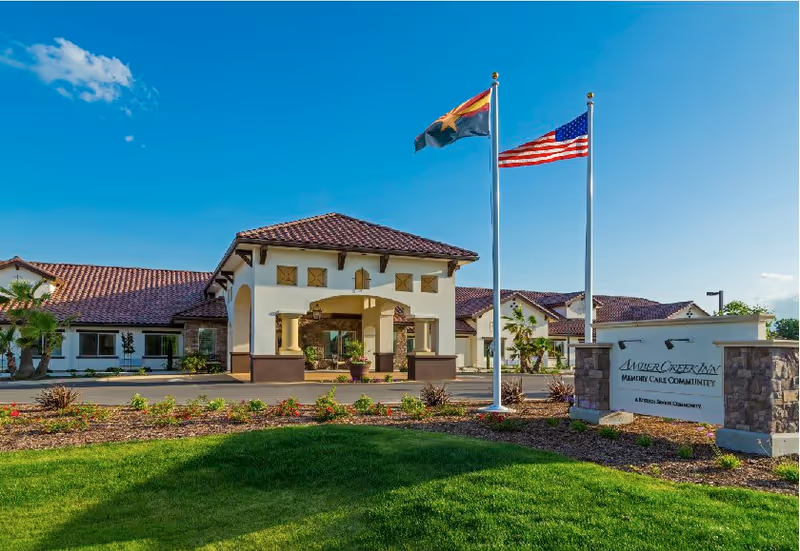
Activities and memory care Programming is a prominent strength. Belmont’s Circle of Friends memory‑care program receives particular commendation for daily cognitive and social engagement, meaningful activities, and staff trained to work with memory‑impaired residents. The broader activity calendar—field trips, guest speakers, religious services, and themed events—supports socialization and family satisfaction. That said, some reviewers felt the overall pace and size of the community skew toward a busy, active environment; families seeking a quieter, small‑scale setting may find it less suitable.
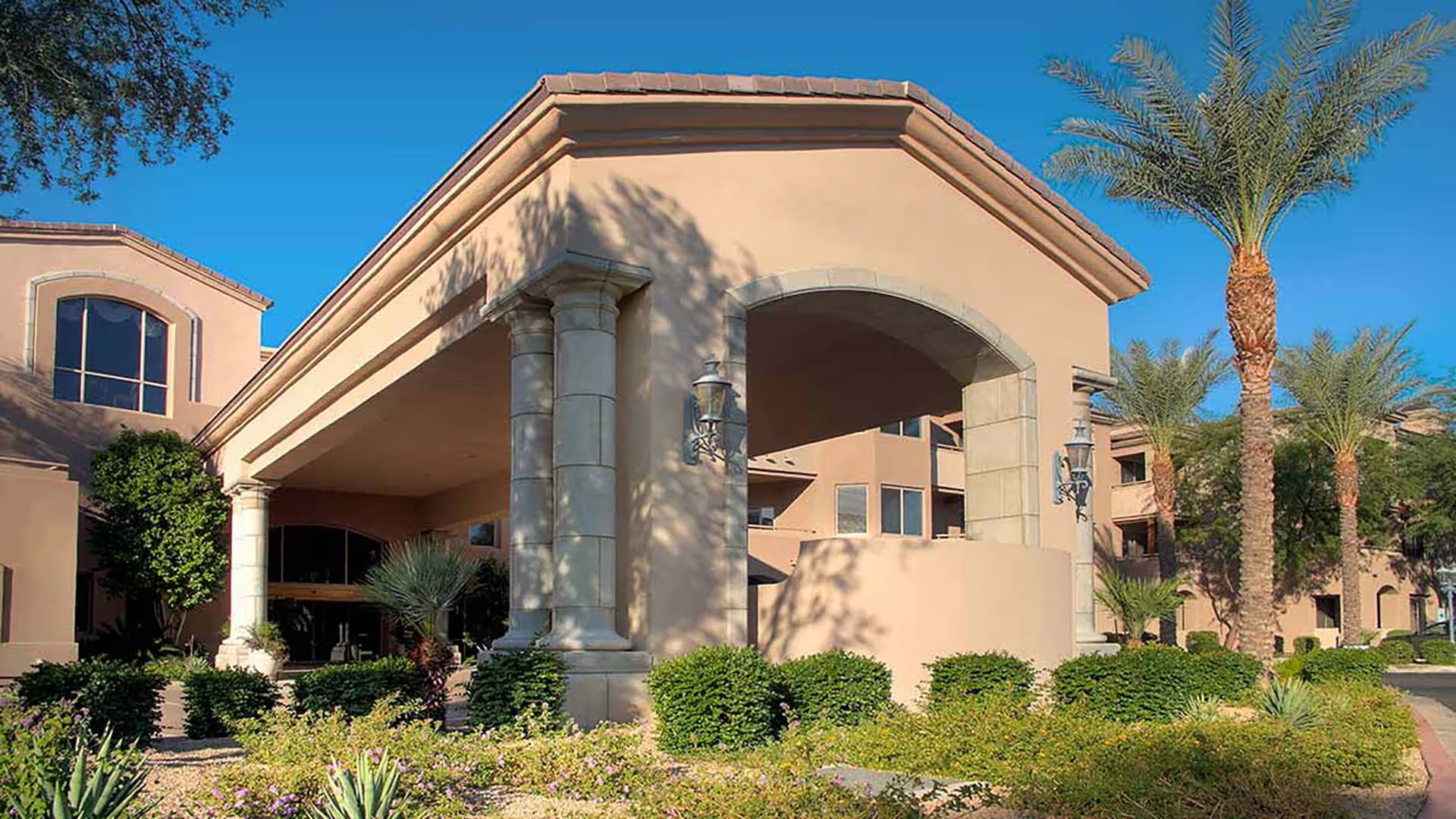
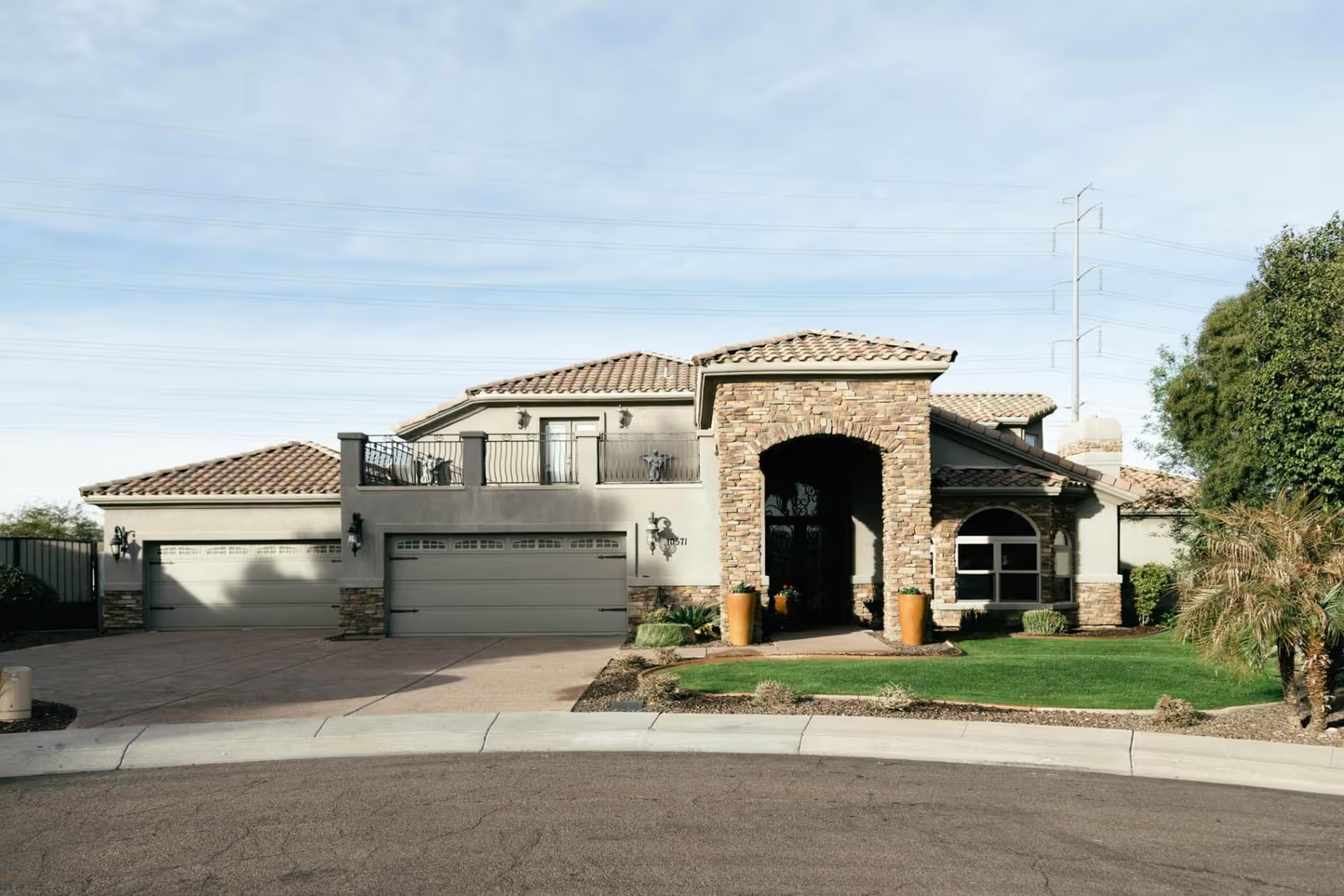
Facilities, amenities, and environment The physical plant and amenities earn frequent praise: clean common areas, well‑landscaped grounds, pool, salon, theater and hotel‑like decor. Apartments range from compact studios to larger units; a few reviewers noted smaller rooms felt cramped, so unit selection matters. Pool and other amenity access were occasionally described as not matching expectations or advertised frequency—confirm scheduling and reservation practices if those amenities are important.
Management and operational patterns Leadership and community relations receive strong positive feedback for move‑in coordination and family outreach. Several family contacts and community relations staff were singled out for effective handoffs. Counterbalancing that are recurring operational issues: inconsistent front‑desk and phone responsiveness, administrative and billing process inconsistencies, and episodic apartment‑level cleanliness or odor control concerns. Admission and placement practices for memory care also appeared inconsistent to some families—clarify eligibility criteria and assessment processes early. Cost and perceived value for higher levels of care are another frequent consideration; many families feel the price is justified by staff and services, while others express concern about affordability and incremental fees.
Conclusion Belmont Village Scottsdale presents as a clinically capable, activity‑oriented community with notable strengths in compassionate caregiving, therapy services, memory‑care programming, and dining. Prospective residents should weigh those strengths against operational variability in communications, room‑level consistency, and the community’s busy scale. During touring and decision conversations it is advisable to confirm staffing continuity plans, phone and front‑desk procedures, admission/eligibility criteria for memory care, amenity access schedules, and a detailed fee/billing breakdown to ensure alignment with family expectations.