Overall impression: Reviews indicate a facility with strong frontline caregiving and appealing physical amenities, paired with operational and management inconsistencies that families should evaluate before placement. Many comments emphasize compassionate, attentive staff and a home-like, nurse-led environment; at the same time, a subset of accounts raises substantive concerns about administrative processes, clinical documentation, and communication with families and external providers.
Care and staff: Frontline caregivers receive consistent praise for compassion, attentiveness, and resident-centered approaches. Several reviewers described staff who supported residents through progressive illness stages, and multiple notes describe nurse-ownership or nurse-led operations that contribute to hands-on clinical oversight. That said, other reviewers described a disconnect between direct-care staff and administrative or clinical leadership, with concerns about responsiveness and advocacy at the management or medical-director level. Prospective families should assess staffing levels, staff turnover, and how clinical leadership is structured and reachable.
Dining and activities: Dining is a clear strength for many reviewers—home-cooked meals, flexibility around preferences, and a dining room available throughout the day are frequently mentioned. The facility also offers a range of social and recreational amenities (library, lounge, theater, live-music room) and programmed activities such as card games and bingo. These features support social engagement and a residential feel that reviewers characterized as comfortable and home-like.
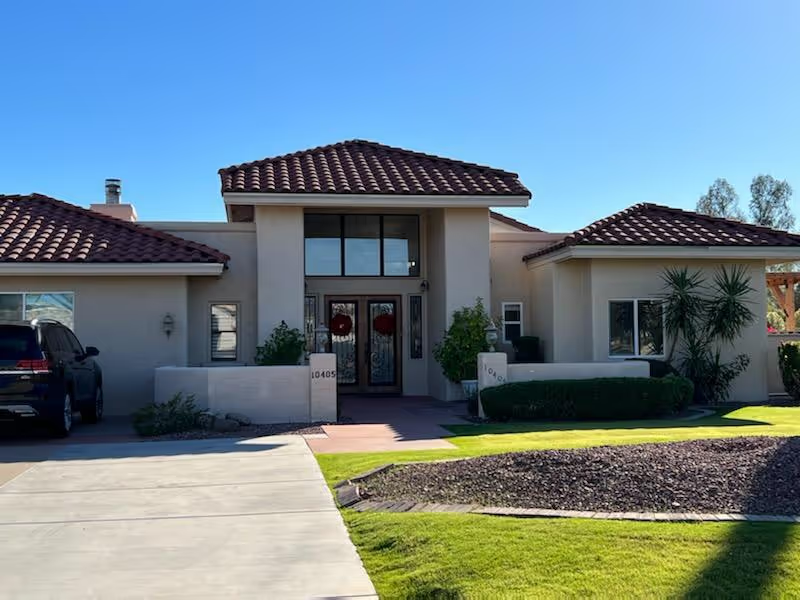
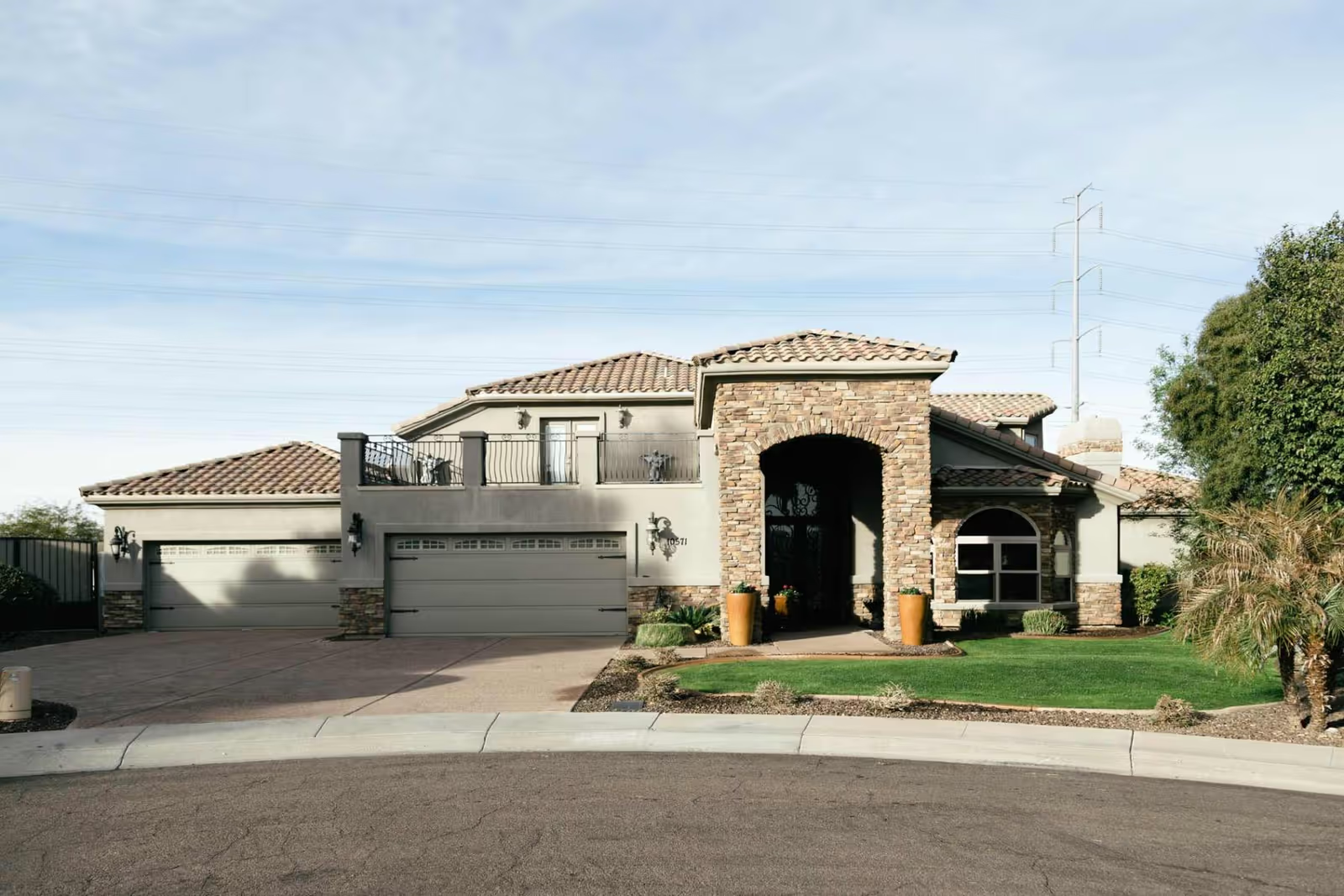
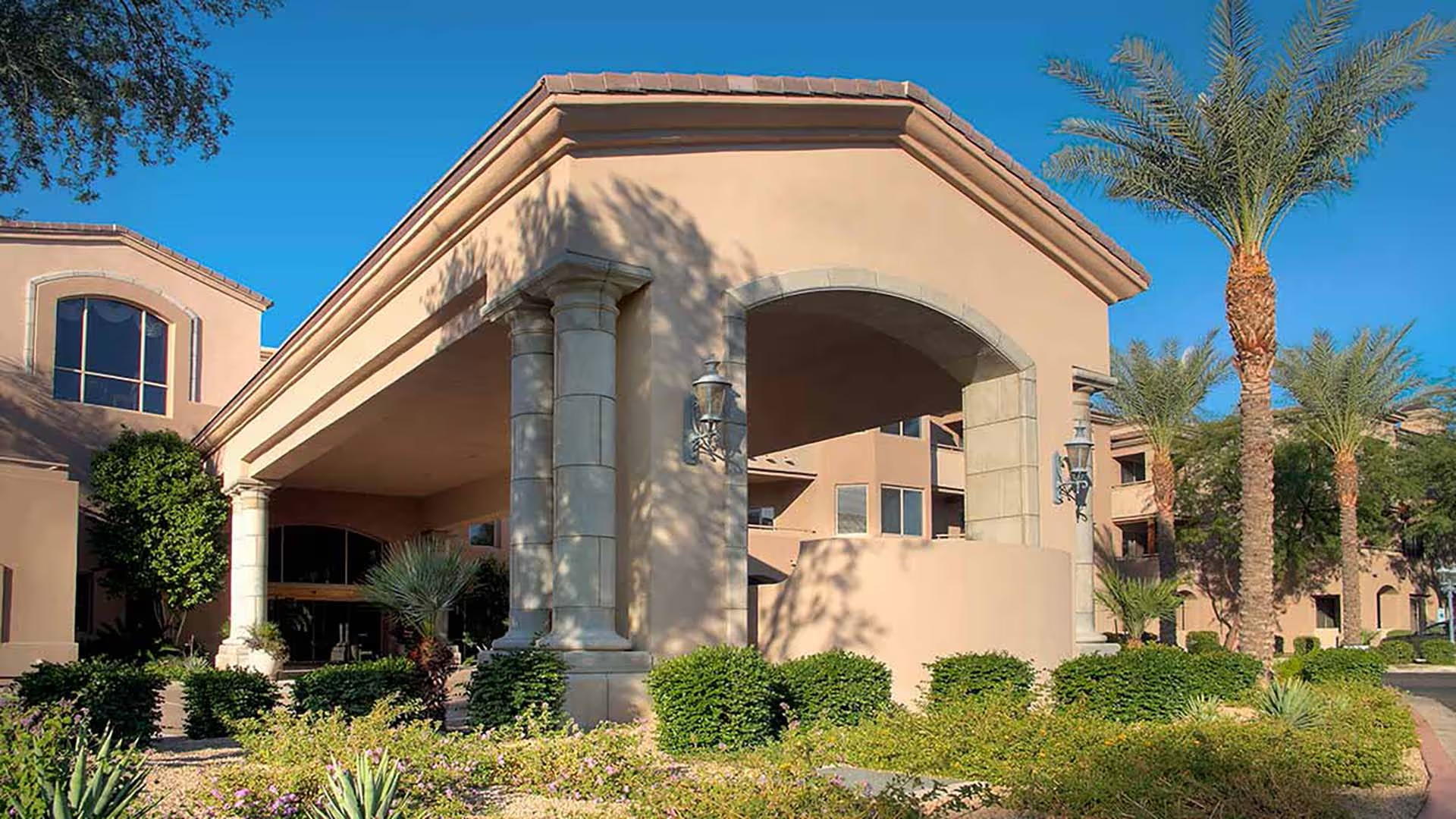
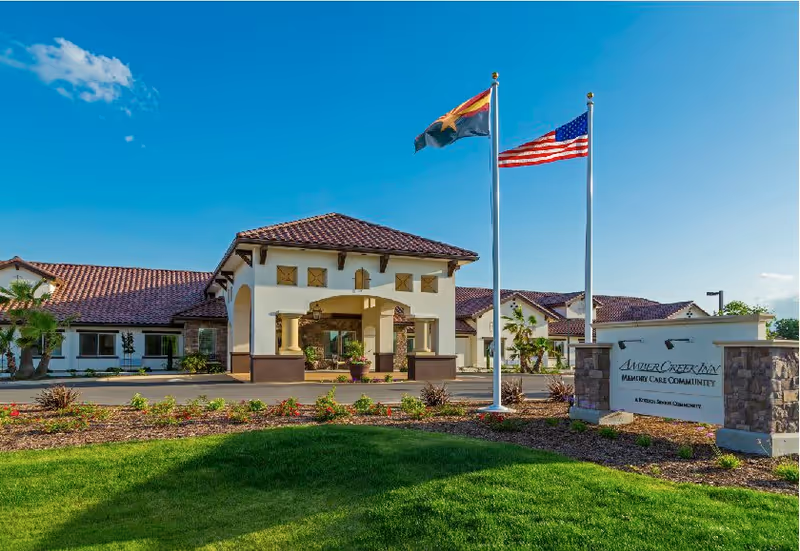
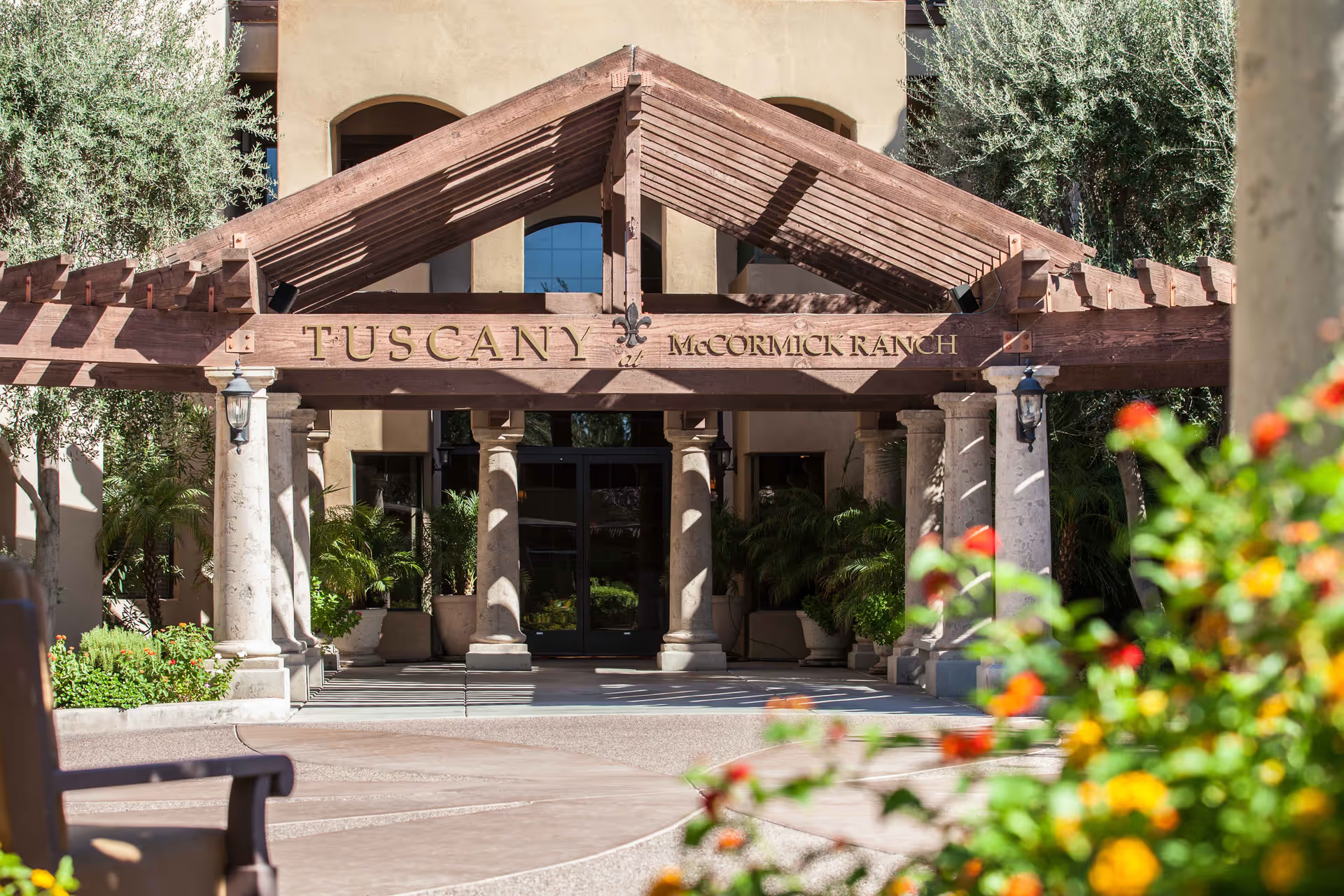
Facilities and environment: Physical accommodations are described positively: private rooms, en-suite bathrooms, walk-in closets, spacious bathrooms suitable for wheelchair access, bright common areas with skylights, and pleasant grounds with private visiting spaces. Some renovation activity (new paint, carpeting) was noted, indicating ongoing capital improvements to the environment.
Management and operational patterns: The strongest recurring concerns relate to administrative and clinical processes. Reviewers described antiquated, paper- and fax-dependent workflows, and some cited specific problems with documentation and medication-update procedures. These accounts point to gaps in record-keeping and medication-management systems that could affect continuity of care. Communication with families and external providers is another theme—examples include delays, poor transparency, and limited advocacy from management or medical leadership. Ownership or transparency issues were raised by some reviewers, suggesting prospective families confirm current ownership structure and decision-making channels.
What to verify if you visit: Given the mix of positive direct-care experiences and administrative concerns, prospective residents and families should (1) ask about staffing ratios, staff turnover, and on-site clinical leadership availability, (2) review medication-management and documentation processes (including electronic versus paper workflows and how prescription changes are handled), (3) observe meal service and sample menus, and (4) tour private rooms, bathrooms, and communal activity spaces. Also ask how management communicates with families about clinical changes and incidents, and whether recent renovations or ownership changes have affected operations.
Bottom line: The facility appears to deliver warm, person-focused care in a pleasant, residential setting for many families, especially when direct caregivers are engaged and leadership is accessible. However, consistent due diligence is advised because operational issues—particularly around administrative oversight, clinical documentation, medication workflows, and communication—have been raised and could materially affect experience and continuity of care.