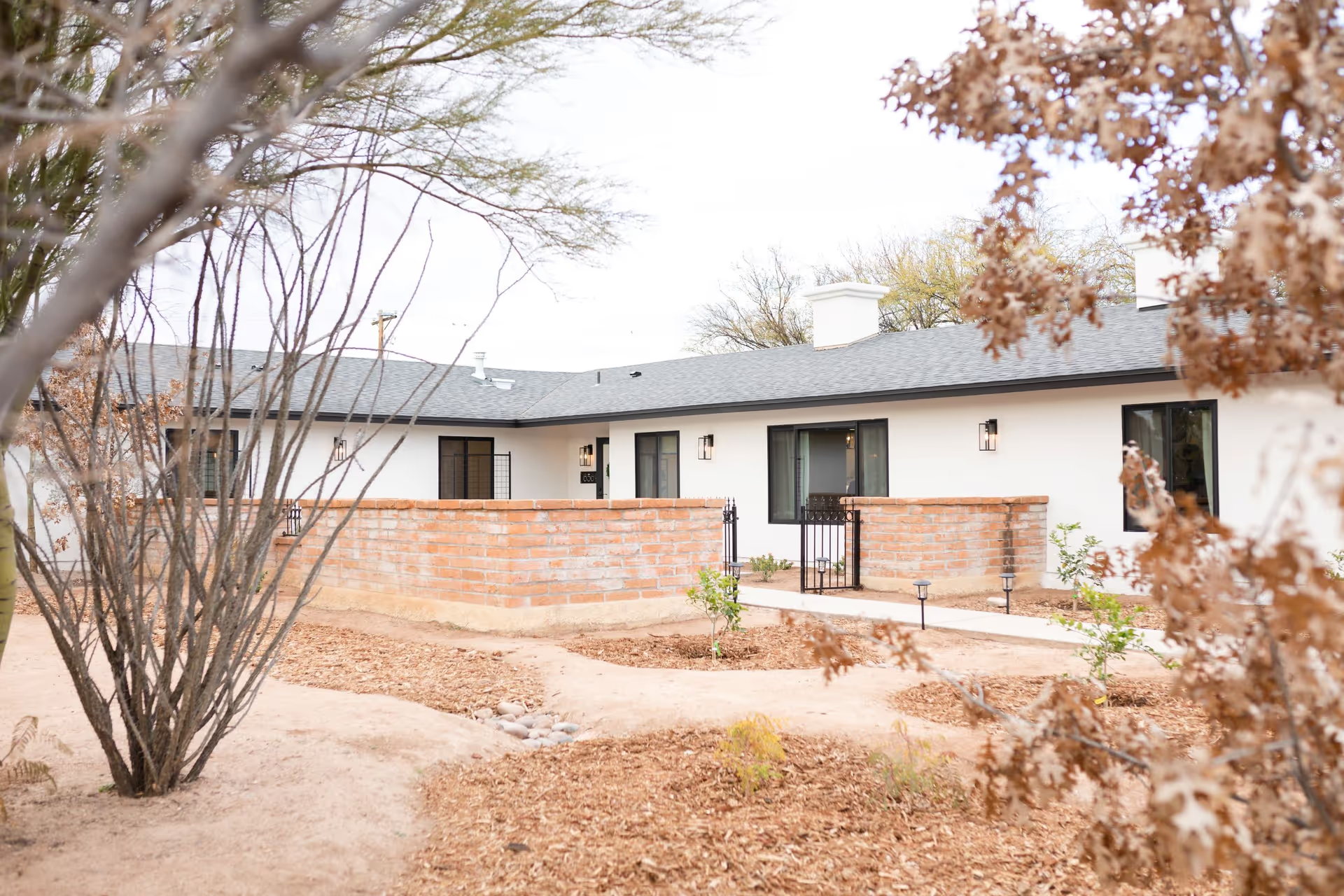
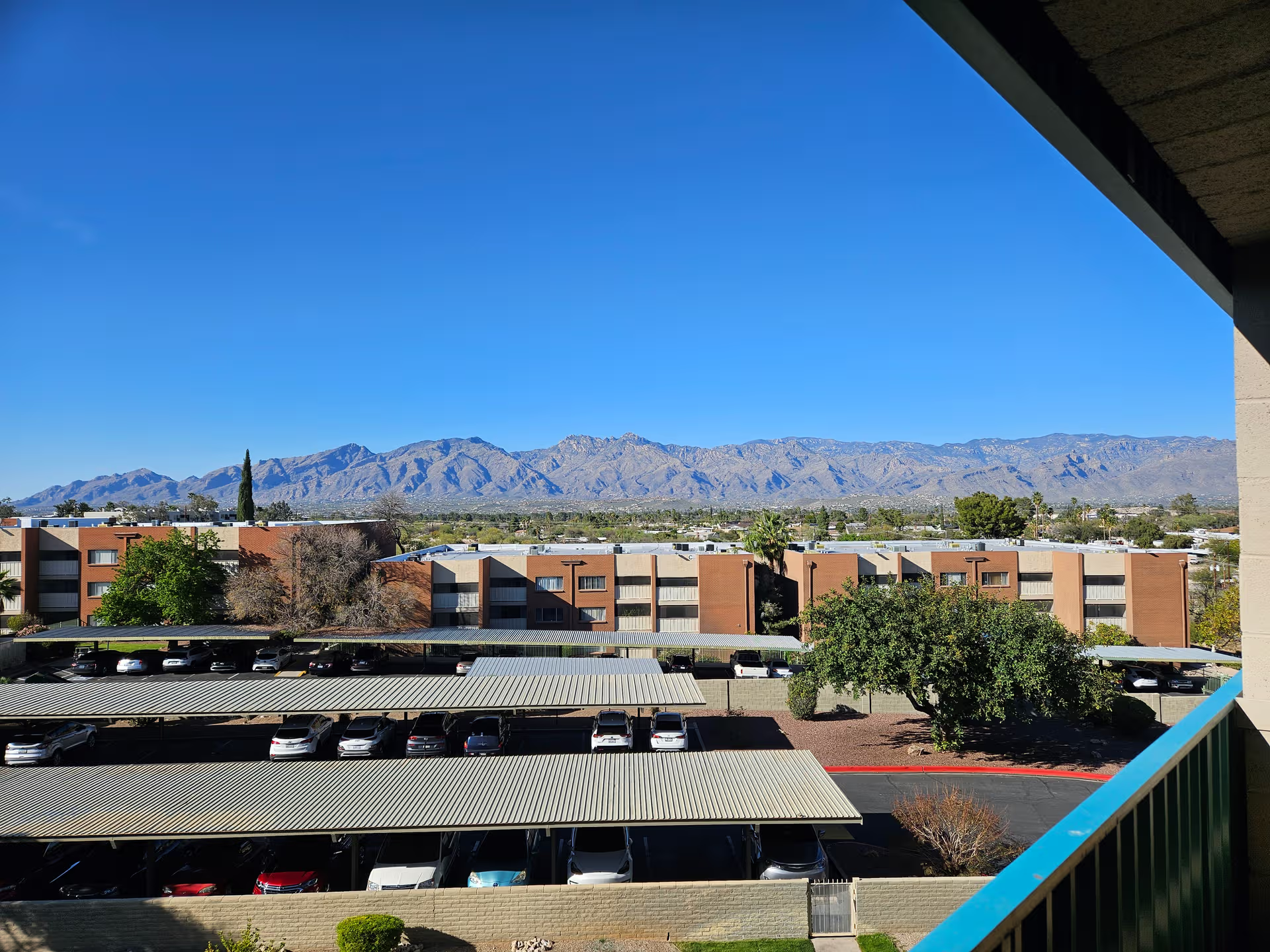
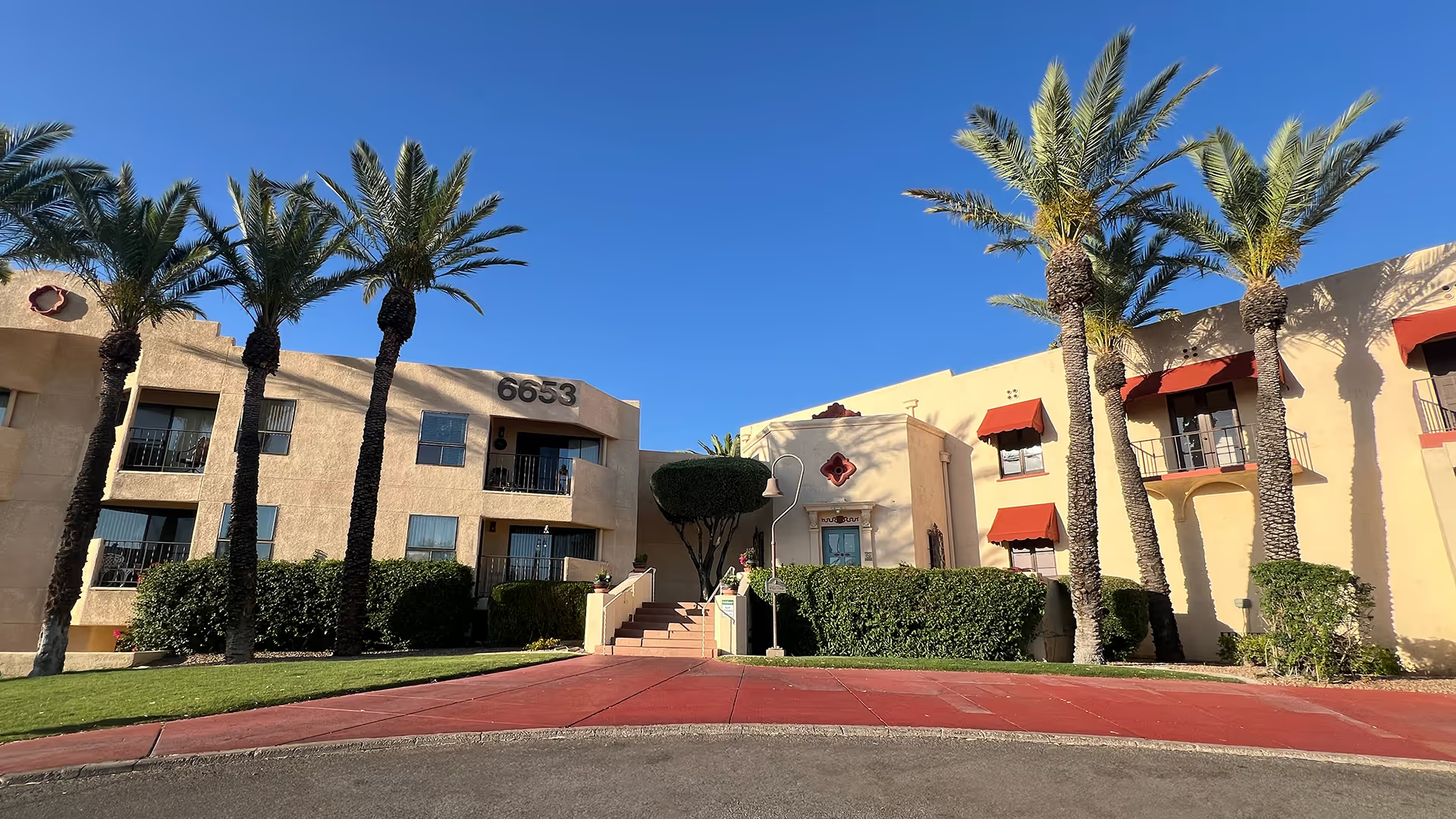
Kiko's Ranch Assisted Living Home elicits mixed but distinct patterns of feedback. On the positive side, reviewers consistently cite a welcoming management presence, engaged ownership, and staff described as dedicated and caring. Several comments emphasize an attractive property and noteworthy real estate, and operational descriptions such as “well-run” and “outstanding management” suggest strong administrative systems that generate demand and a waitlist for admission.
Care quality appears to be unevenly matched to certain resident needs. While basic assisted-living care is portrayed positively and staff are often described as helpful, there are clear indicators that the community is not optimized for residents with advanced behavioral symptoms of dementia. Reviews include accounts of facility-initiated discharges tied to dementia-related behaviors; taken together, these suggest limited behavioral-dementia programming, constrained clinical supports, or policies that prioritize residents with lower behavioral-care needs. Prospective families seeking care for persons with progressive or responsive behavioral symptoms should confirm clinical capabilities and behavioral-support protocols before placement.
Staff and family communication are another area of divergence. Positive comments about a welcoming manager and competent leadership sit alongside critiques about communication tone and responsiveness, particularly during moves or transitional events. These critiques point to operational gaps in family engagement and transition planning rather than a universal failure of staff competence. They suggest the facility would benefit from clearer transition protocols, proactive family updates, and staff training focused on communication during stressful events.
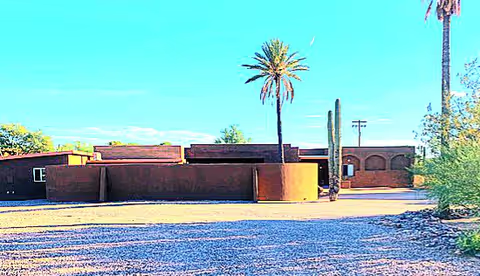
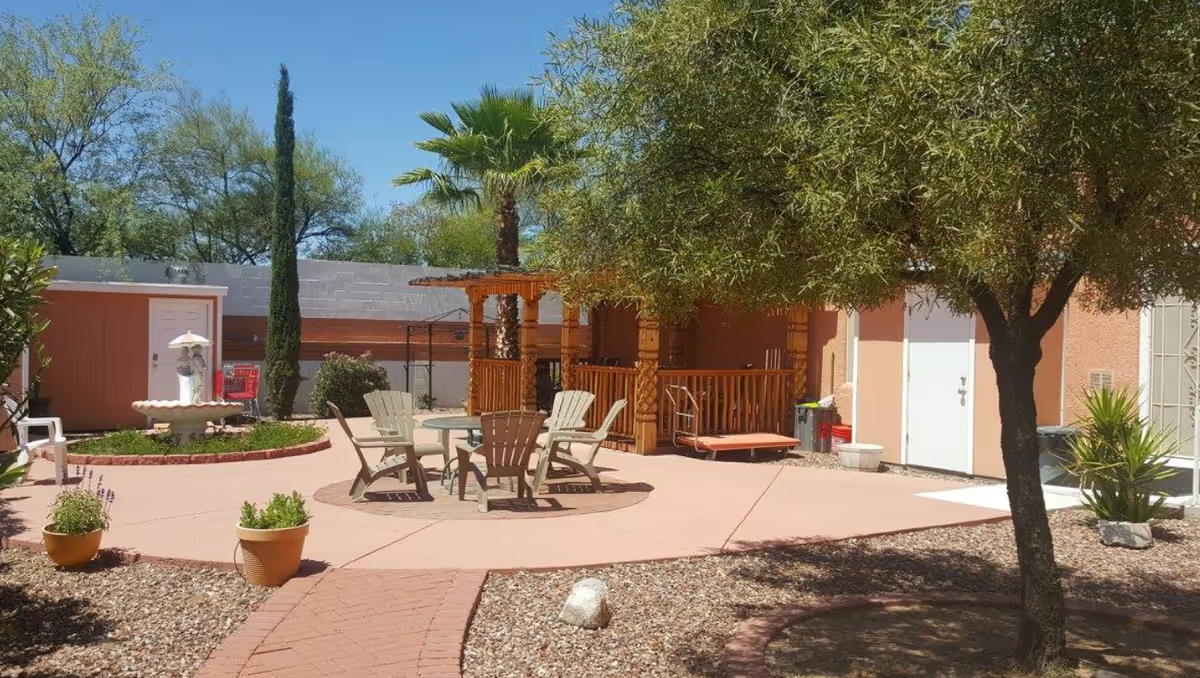
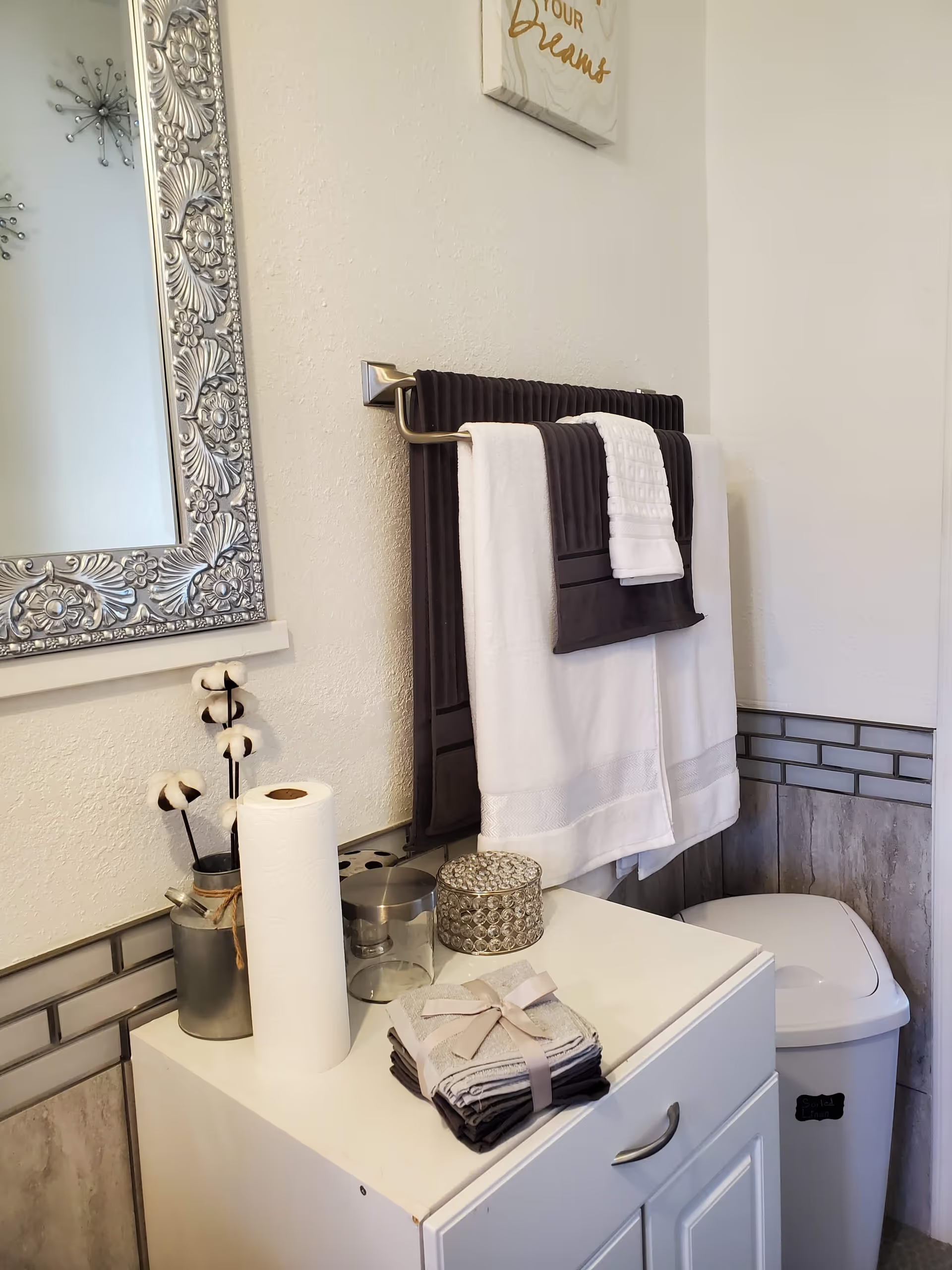
Facilities and operations show both strengths and weaknesses. The property and presentation receive praise, yet some reviewers indicate inconsistent maintenance and cleanliness standards; this mixed feedback implies variability across spaces or over time rather than uniformly poor conditions. Administrative functions are generally described as organized, but financial and contract-related concerns — specifically around initial deposit handling and refund practices — are a recurrent practical worry for families and warrant careful contract review prior to admission.
There is limited direct information about dining and recreational programming in the available feedback. The overall tenor — high standards and encouragement to join the waitlist — suggests basic services meet expectations for many residents, but specific details about menu quality, meal service reliability, scheduled activities, and engagement offerings are sparse. Families should request sample menus, activity calendars, and recent event documentation if these areas are a priority.
Notable patterns: the facility projects a solid administrative core and an attractive physical setting with staff who are generally described positively, but it also shows operational limits when caring for residents with behavioral or advanced dementia needs, irregularities in maintenance/cleanliness, occasional concerns about staff communication tone, and unclear financial/contract practices. Prospective residents and families should assess clinical capacity for dementia behaviors, review contract terms about deposits and discharge policy, and ask for documented communication and transition protocols before committing to placement.