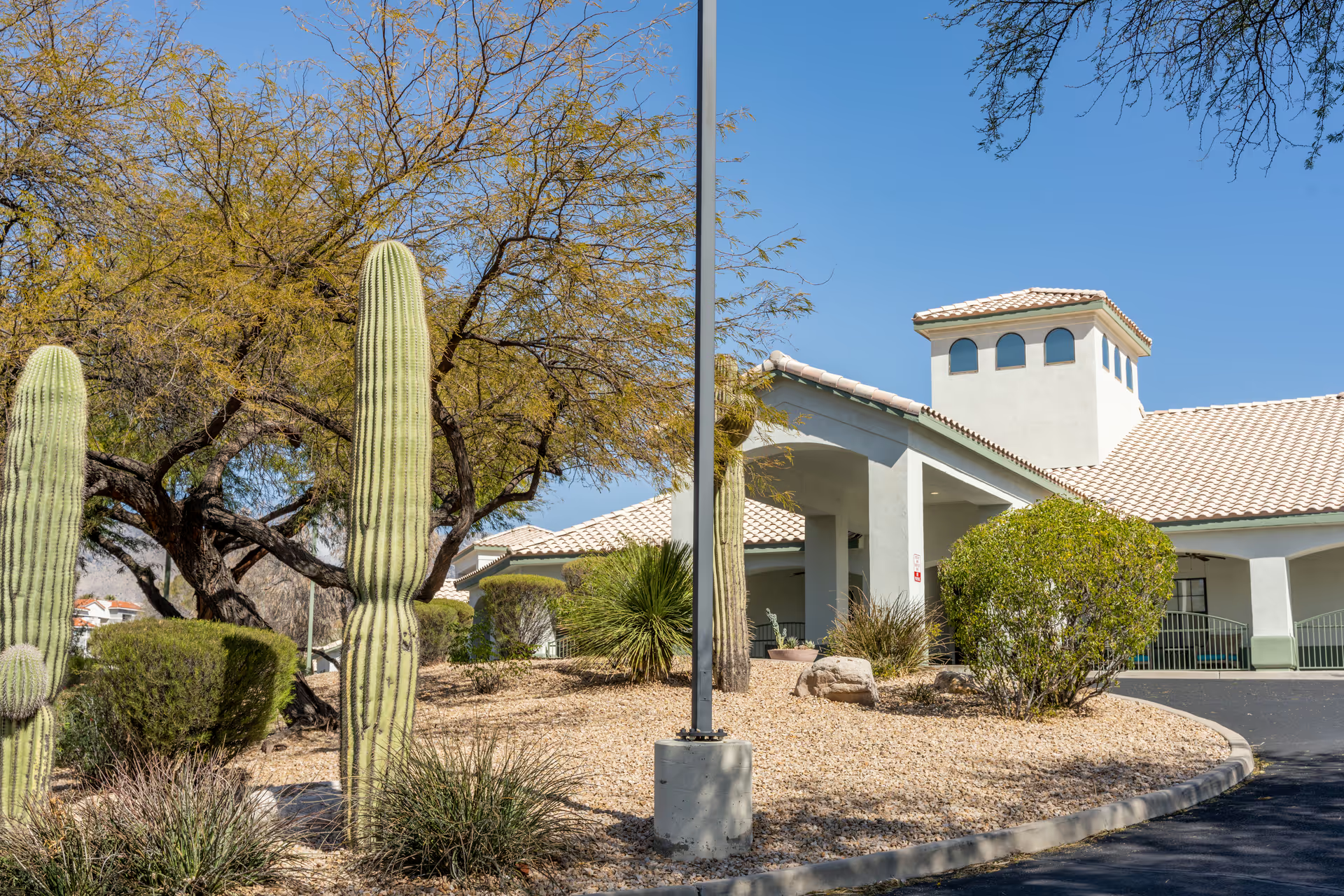
Villa Maria Care Center combines several types of services, including residential addiction recovery, assisted living, rehabilitation, and skilled nursing. Reviews differ substantially by program and individual experience. Recovery-program clients and their families frequently praise the supportive atmosphere, staff engagement, and the practical skills gained. In contrast, accounts concerning skilled nursing and some assisted-living experiences raise more recurring questions about responsiveness, personal care, meals, and the condition of the building. Prospective residents and families may want to assess the specific unit and level of care they are considering rather than relying on a single overall impression.
Staff are a prominent strength in many accounts. Clients describe caring, encouraging interactions with behavioral-health staff and case managers, including help with coping strategies, sobriety goals, and plans for housing or continued treatment after discharge. Families also praise attentive nurses, aides, reception staff, and admissions personnel. Other accounts describe difficulty reaching staff, delayed responses to requests, and communication problems with families. Concerns about supervision and medication routines are especially relevant for residents who need regular monitoring or timely assistance.
Dining experiences are mixed. Some residents and visitors describe meals positively, including the opportunity to sample food before choosing the facility. Other accounts cite inconsistent quality or portions and limited accommodation of dietary needs. Families considering placement may wish to ask about current menus, therapeutic diets, meal assistance, and how food concerns are addressed.
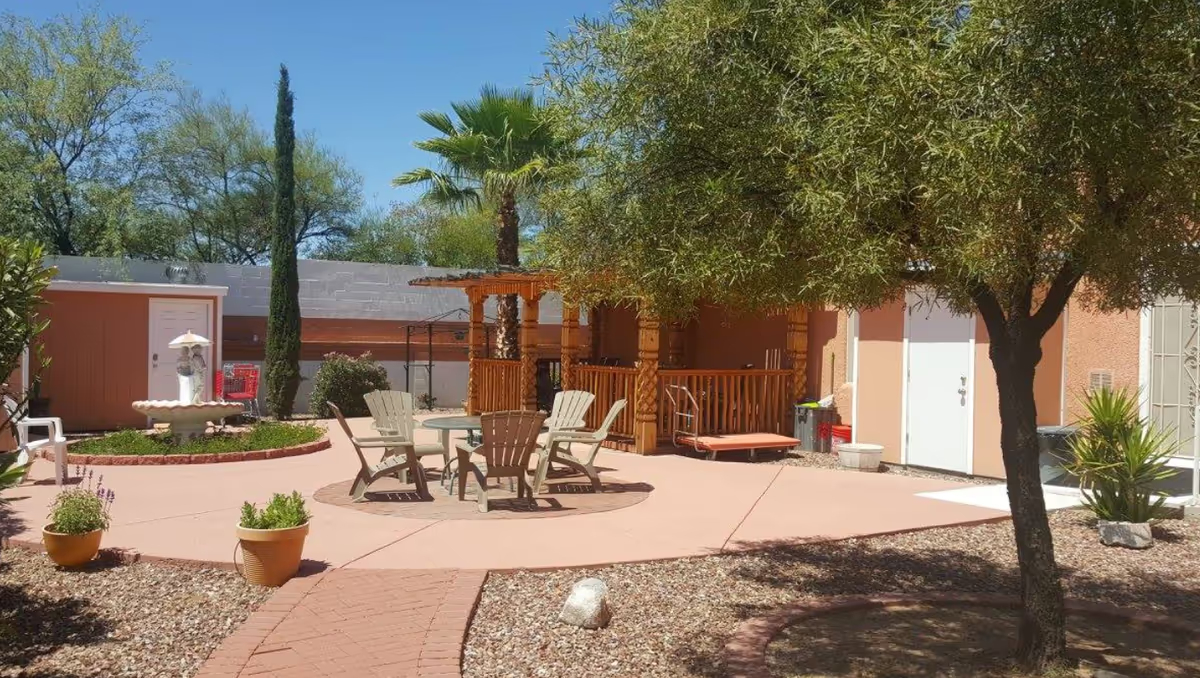
Activities and programming appear strongest in the recovery and social-engagement accounts. Reviews describe educational groups, exercise, games, celebrations, outings, and opportunities to build supportive relationships. Some recovery clients valued a balance between programming and personal time. Other accounts characterize daily programming as limited or inconsistent, suggesting that offerings may vary by unit, schedule, or period. The facility also has shared spaces such as a chapel, activity and dining rooms, sitting areas, a salon, and a library; some descriptions note accessible apartments and courtyard patios.
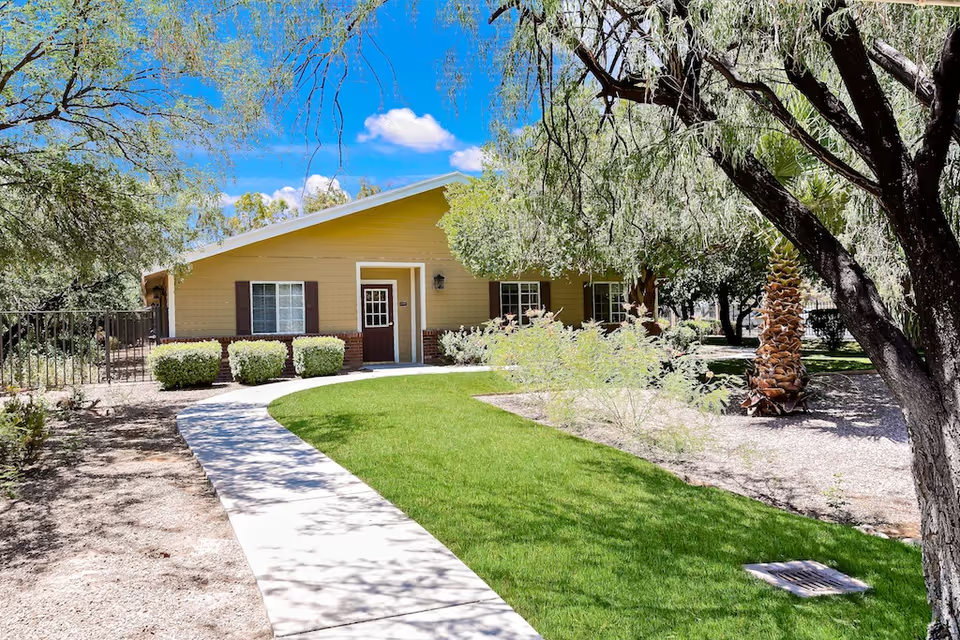
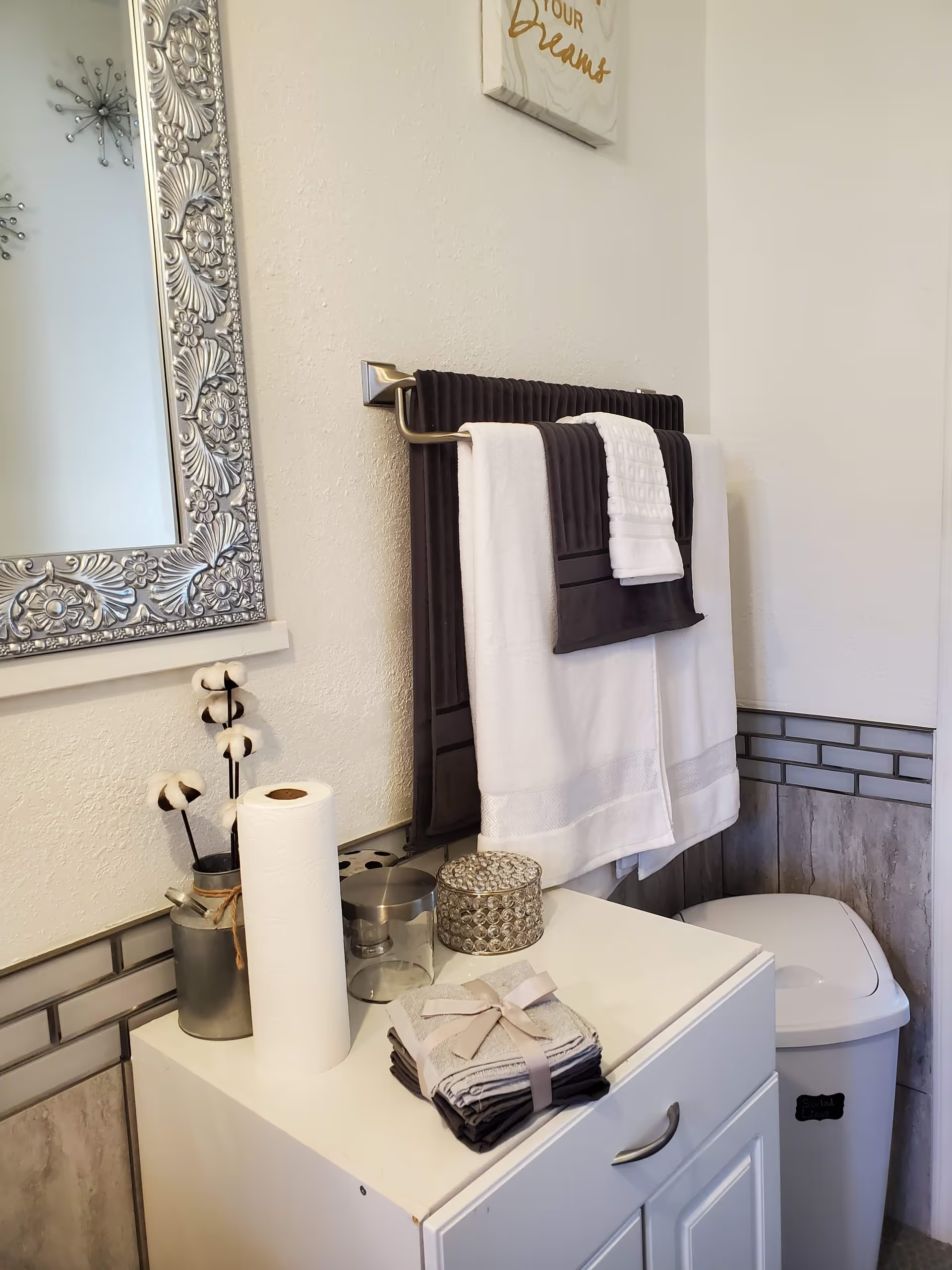
The physical environment receives mixed assessments. Some visitors found the interior clean and welcoming, while others describe older, worn areas, maintenance needs, and differences between older and renovated rooms. Odor concerns in corridors near the nursing section recur in accounts about the building. Personal-care routines, including bathing, housekeeping, and linen changes, are also described inconsistently. These issues warrant direct observation during a tour, particularly for families evaluating skilled nursing or assisted living.
Management and coordination are additional considerations. Reviews include positive comments about individualized recovery planning and helpful staff communication, alongside concerns about family updates, discharge coordination, intake expectations, and follow-through on requests. One review raises unverified allegations about staff-client boundaries and client-property safeguards; this is an individual account, but families considering the recovery program may wish to ask how supervision, complaints, and property concerns are handled. Overall, the strongest pattern is the contrast between highly valued recovery support and more uneven feedback about daily operations in residential care areas. A visit to the specific unit, along with questions about staffing, call-response practices, medication oversight, meals, personal-care schedules, and communication procedures, may help families determine fit.