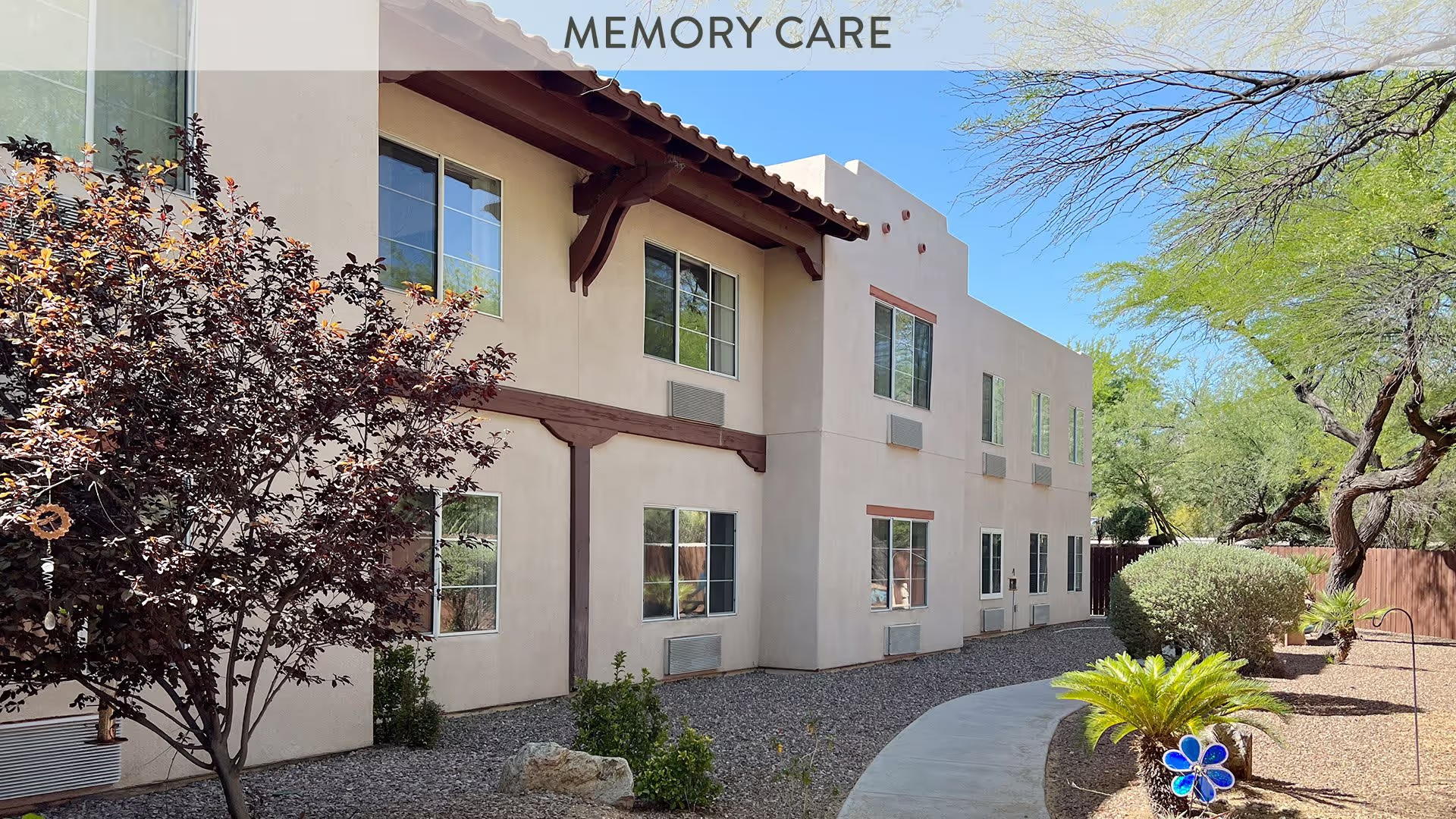
Reviews present a mixed picture: many families praise the facility’s frontline caregivers, day-to-day attentiveness, regular meals, social activities, and a clean, homey atmosphere, while others raise serious concerns about clinical decision-making, communication, and management practices. The facility appears to provide a generally comfortable environment with active programming and onsite primary-care visits, which several families described as helpful for routine needs and transitions from home.
In terms of clinical care, positive comments focus on compassionate direct-care staff and routine medication oversight. However, there are notable concerns about the facility’s ability to manage complex medical conditions and specialized wound/ostomy care. Several critiques highlight situations where care planning and clinical decision paths (for example, hospice versus higher-acuity skilled nursing) were unclear or contested by families. Related operational patterns include weaknesses in medication-management processes and documentation, and instances of care-planning that families felt lacked adequate consultation and informed consent.
Communication and management are recurring themes. Frontline staff are frequently described as friendly and attentive, but reviewers identify inconsistent tone and responsiveness among some personnel. At the management level, concerns include privacy and medical-record handling, difficulties obtaining documentation, and lapses in transparent communication with families about changes in clinical status or care plans. These issues extend into benefits coordination, where inaccurate or unclear information about eligibility and billing was reported. Some families also questioned leadership professionalism and ethical decision-making.
Dining, activities, and facilities are generally noted as strengths: regular meals, engaging activities, and a safe-feeling, clean environment contribute to residents’ social engagement. Cost is a consistent contextual factor; several families expressed that the monthly fee felt high relative to the level of clinical support and management responsiveness they experienced. Prospective residents and families should weigh the facility’s strong direct-care and social environment against the documented concerns about complex-care capability, privacy safeguards, communication practices, and administrative transparency. Recommended due diligence steps include asking for written policies on privacy and medical records, clarifying medication and hospice decision protocols, confirming staff training for higher-acuity needs, and documenting financial and benefits arrangements in writing.