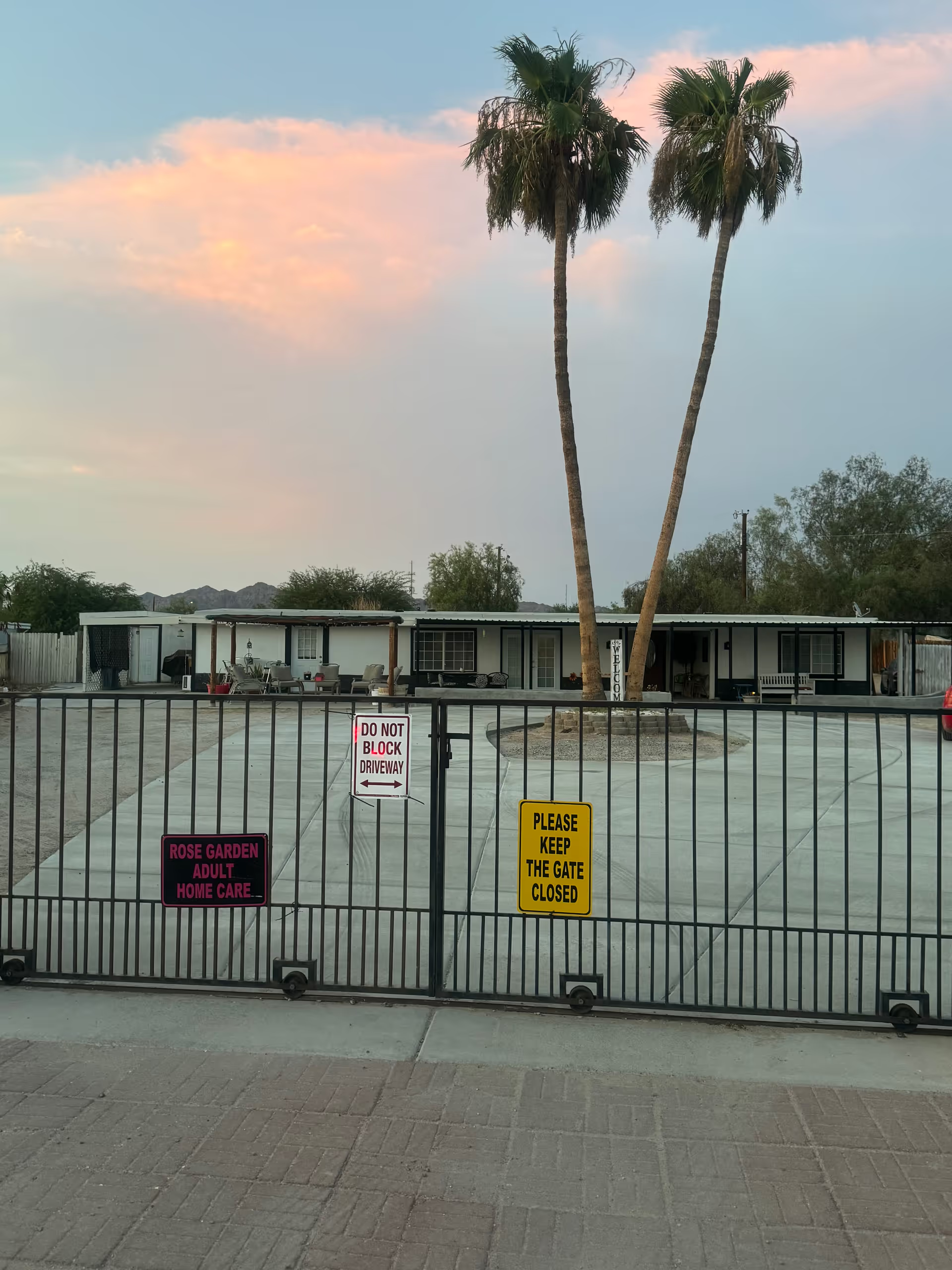
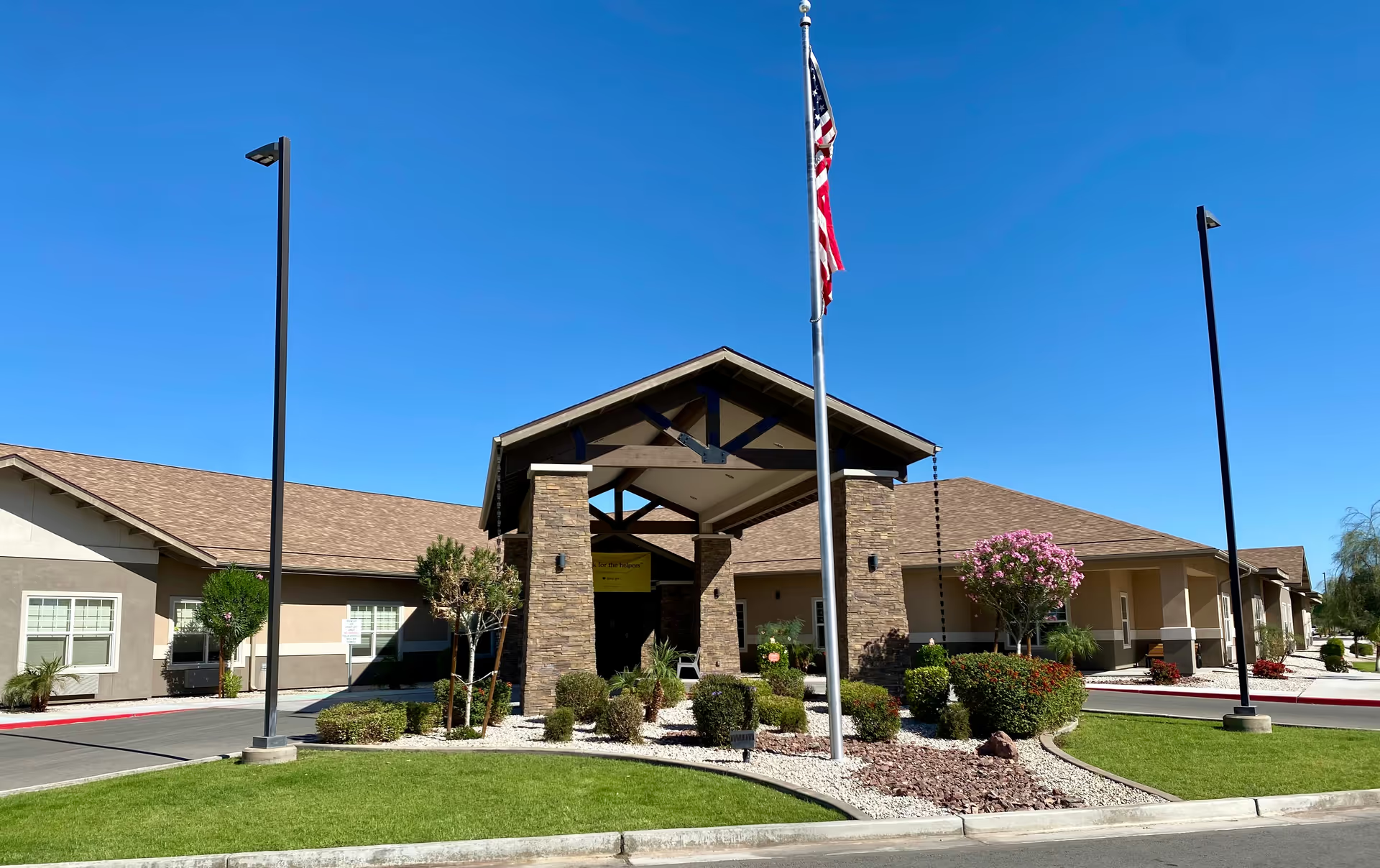
The review set presents a strongly mixed picture of care at this assisted-living community. Several accounts describe compassionate, hands-on caregiving: individualized meal choices, regular repositioning to reduce pressure-area risk, large comfortable private rooms, and supportive end-of-life attention in at least one case. Those positive descriptions emphasize respectful interactions and instances of clearly attentive nursing care.
Counterbalancing those accounts are repeated operational concerns. Staffing consistency is a common theme: reviewers expressed that staff levels and responsiveness can be variable, which they linked to delays in personal-care tasks such as bathing and toileting assistance. Cleanliness and indoor odor-control were raised as facility-level issues in some accounts, even while other visitors praised specific resident rooms as clean and comfortable. These mixed observations suggest variability across units or shifts rather than uniformly high or low facility performance.
Dining and daily living received similarly mixed feedback. Several families noted that the facility accommodated special dietary requests and provided individualized meals; others described meals as inconsiderate of resident preferences or inconsistent in quality. Activity programming is not frequently described in the material provided, so prospective families may need to request specifics about social and therapeutic offerings when evaluating this site.
Management, communication, and financial practices are areas to scrutinize during a tour. Reviews raise concerns about communication around major care transitions (including hospice involvement), billing disputes, and difficulty obtaining refunds. There is also at least one serious allegation concerning staff financial misconduct; reviewers reported dissatisfaction with how management addressed that situation. Taken together, the pattern in reviews suggests a polarized experience—some families experienced attentive, personalized care while others encountered operational shortcomings. Prospective residents and families should inspect current staffing ratios and schedules, ask for written policies on hygiene care and infection/odor control, review meal menus and accommodation procedures, request incident and grievance procedures, and obtain clarification on billing and consent processes (including hospice transition protocols) before deciding.