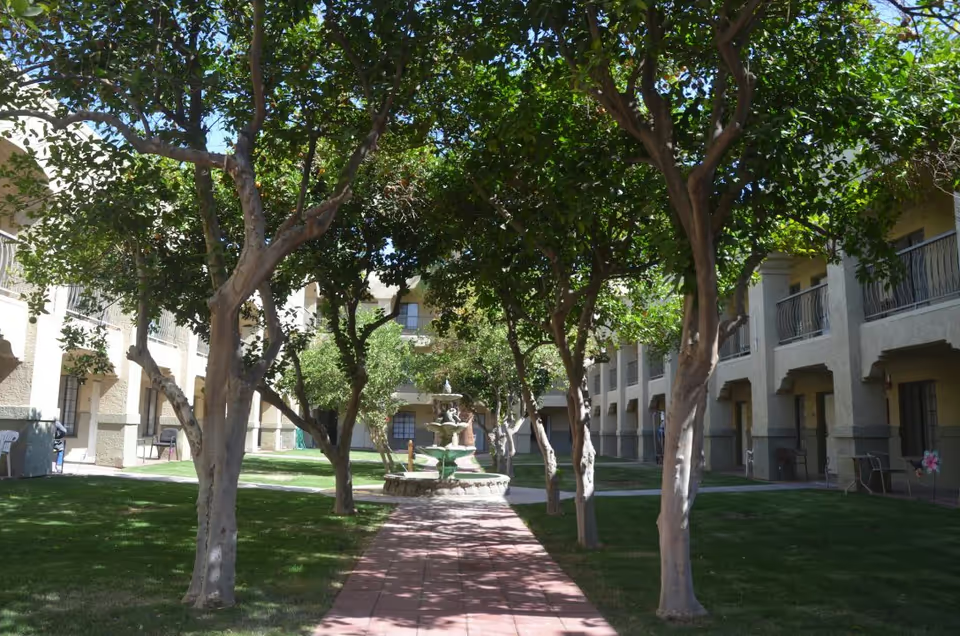
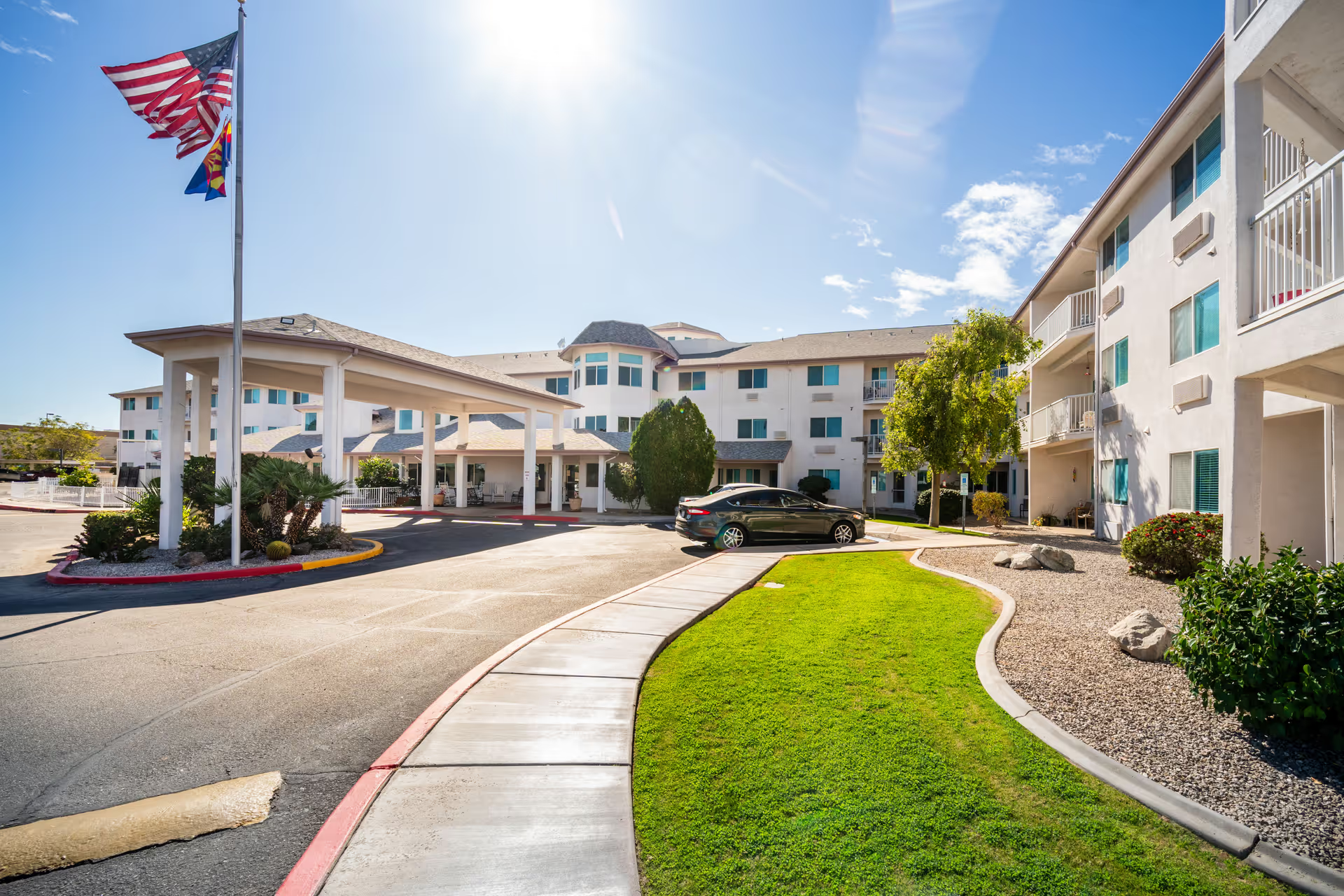
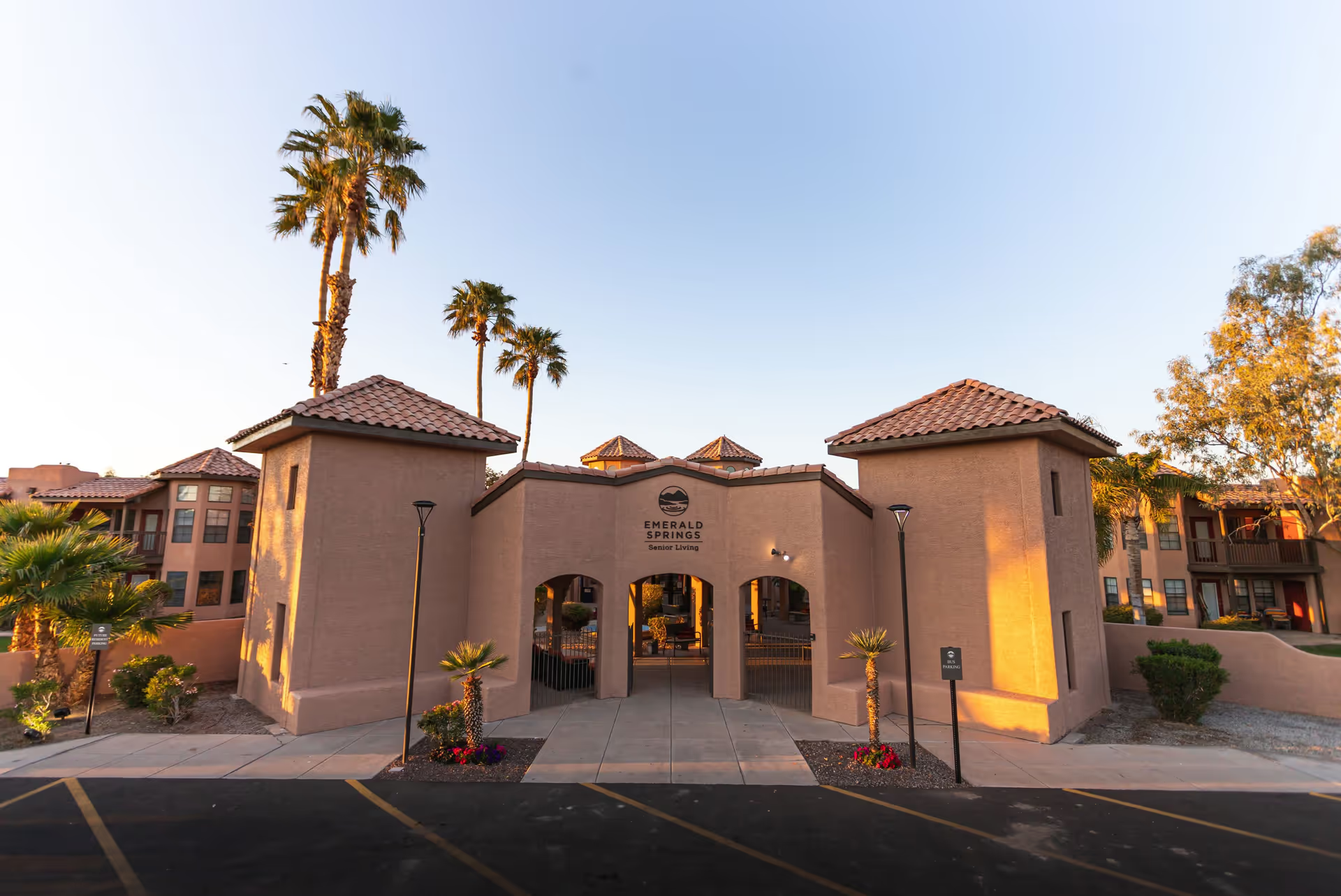
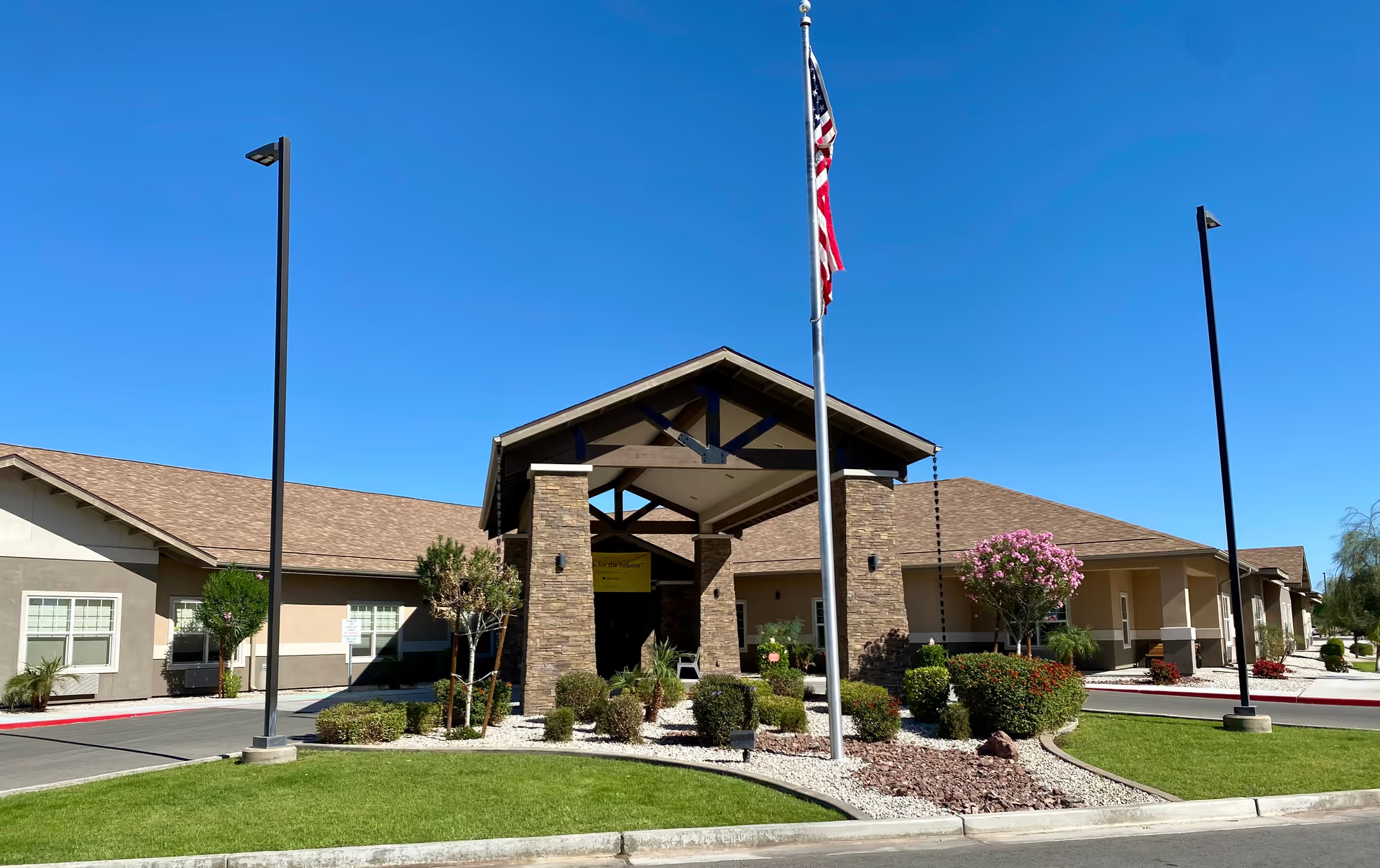
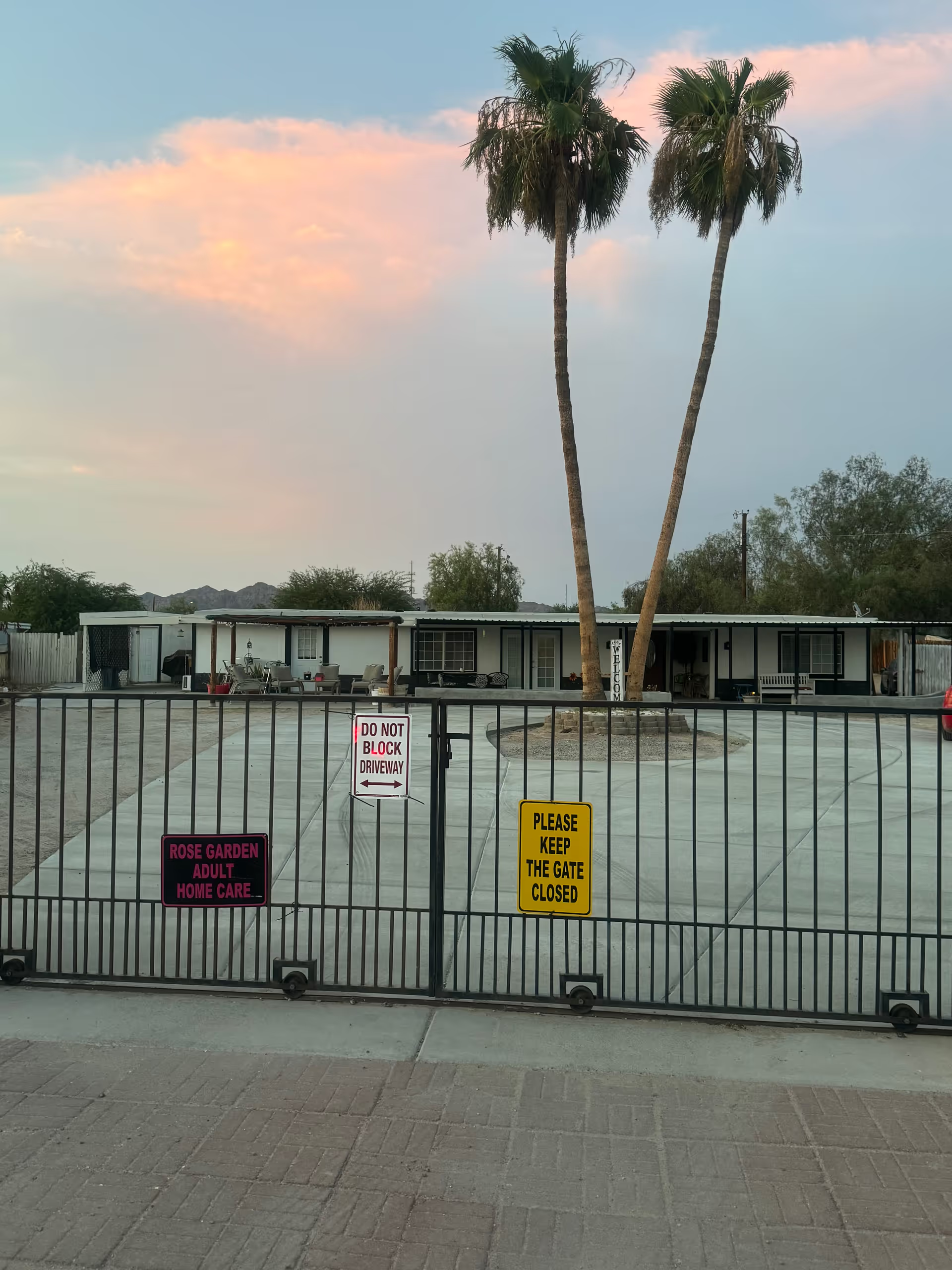
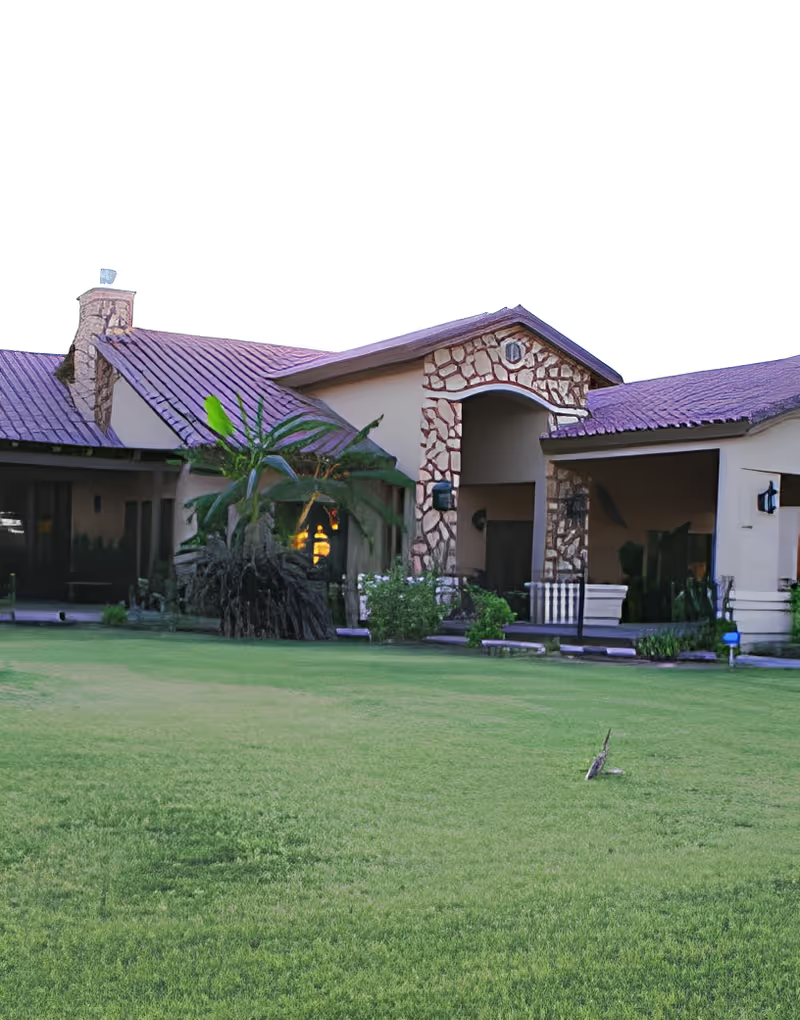
Life Care Center of Yuma elicits strongly mixed impressions across reviewers. Many families and patients describe compassionate, attentive nursing and CNA care combined with effective physical and occupational therapy that produced measurable rehabilitation gains. Multiple accounts cite successful wound care, restored mobility, and improved independence following short-term stays. The facility offers private-room options, well-kept grounds, a generally clean environment, and a variety of on-site amenities and activities — examples include beauty/parlor-type services, seasonal events, and opportunities for worship. Admissions, front-desk staff, and several members of the therapy team receive repeated positive mention for professionalism and helpfulness.
At the same time, reviewers identify recurrent operational weaknesses that affect clinical reliability and family confidence. Staffing variability is a consistent theme: nurse-to-patient ratios and occasional shortages of therapists and nursing staff were linked to long waits for assistance, limited weekend therapy, and perceived declines in care continuity. Several families described delayed medication administration, medication-management errors, and lapses in routine clinical monitoring (for example, missed vital-sign follow-up or delayed diagnostic testing), which contributed to serious concern in individual cases. These issues point to gaps in day-to-day clinical oversight and in the systems that ensure timely, consistent care.
Communication and management processes are another pattern. Compliments for individual social workers and administrators coexist with accounts of unresponsive social services, inconsistent discharge coordination, problematic shift-change handoffs, and front-office phone or scheduling difficulties. Families also raised concerns about staff identification, visitor policy restrictiveness, and privacy practices (for example, curtains or room access protocols), which suggest opportunities to strengthen security, transparency, and dignity-preserving routines.
A minority of reviews describe isolated but serious incidents that warrant attention: allegations of coercive conduct by a social worker, failures in emergency response and family notification during transport, and other acute clinical events. Those accounts are fewer in number but significant in severity; they emphasize the importance of robust incident investigation, clear family communication, and system-level safeguards. Conversely, many reports document positive, above-and-beyond staff behavior — especially among CNAs and therapists — and note that residents felt safer and improved while under the facility's rehabilitative care.
In summary, Life Care Center of Yuma demonstrates clear strengths in rehabilitation, hands-on caregiving, and facility amenities, producing positive outcomes for many patients. However, persistent operational issues — primarily inconsistent staffing, medication and monitoring lapses, variable administrative responsiveness, and gaps in communication and discharge coordination — create uneven experiences. Prospective residents and families should weigh the facility's strong therapy and bedside-care capabilities against the risk of episodic system failures, and consider asking administrators specific questions about staffing ratios, medication-safety protocols, therapy schedules (including weekend coverage), emergency-transport procedures, and how the facility addresses sanitation and privacy concerns before placement.