Overall impression: Reviews portray Brookfield Assisted Living and Memory Care as a small, home-like community with many strengths in personal attention, resident engagement, and facility upkeep, while also exhibiting operational weaknesses that can affect care consistency. The facility is frequently described as warm and family-oriented, with long-tenured staff, individualized touches to apartments, and a range of social activities that foster resident interaction. At the same time, a pattern of staffing and management variability appears to influence daily operations and family satisfaction.
Care and staff: Families commonly praise the caregiving team as compassionate, patient, and familiar with residents' needs. Many reviewers highlighted assistance with transfers, bathing, medication support, and individualized laundry as contributing to peace of mind. However, staffing shortages and occasional under-responsiveness were raised as recurring operational issues. These shortages have practical implications: limited availability of clinical nursing coverage on site and delays in routine tasks. For families seeking higher-acuity or advanced memory-care services, reviewers indicate that additional clinical staffing and dementia-specific training may be necessary to meet more complex needs.
Dining and activities: Activity programming is a notable strength for many residents: daily activities, resident-led exercise sessions, outings (including occasional dining out and casino trips), and an engaged activities director were all cited positively. Conversely, activity consistency depends on staffing presence; several accounts describe reduced or absent programming when activity staff are limited. Dining feedback is mixed. Some families call the food delicious and flexible (sandwich options, menu variation), while others note limited nutritious options—particularly vegetables—and concerns about menu planning for diabetes and nutritional balance. A few reviewers also questioned the perceived value of meals relative to charge structure.
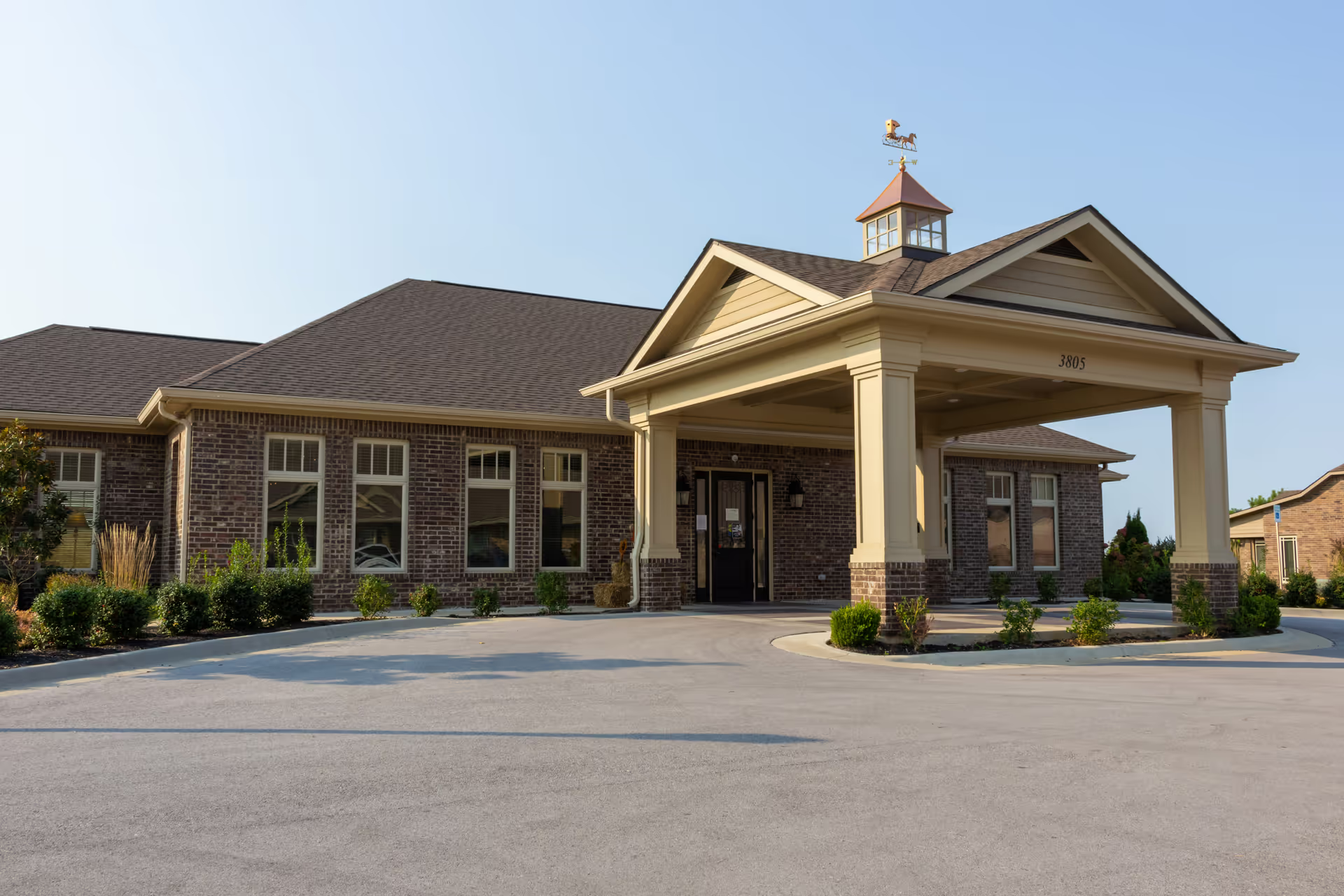
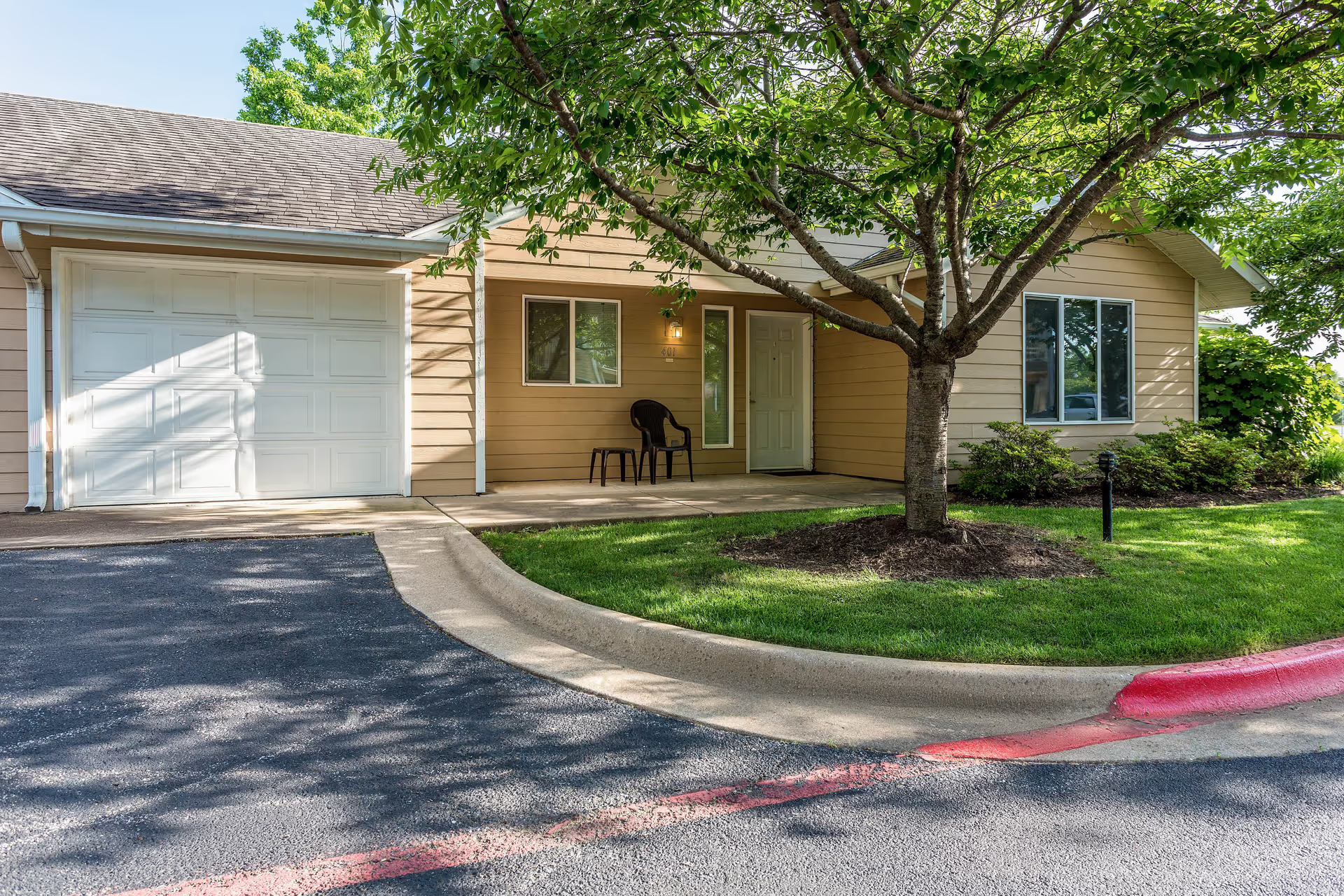
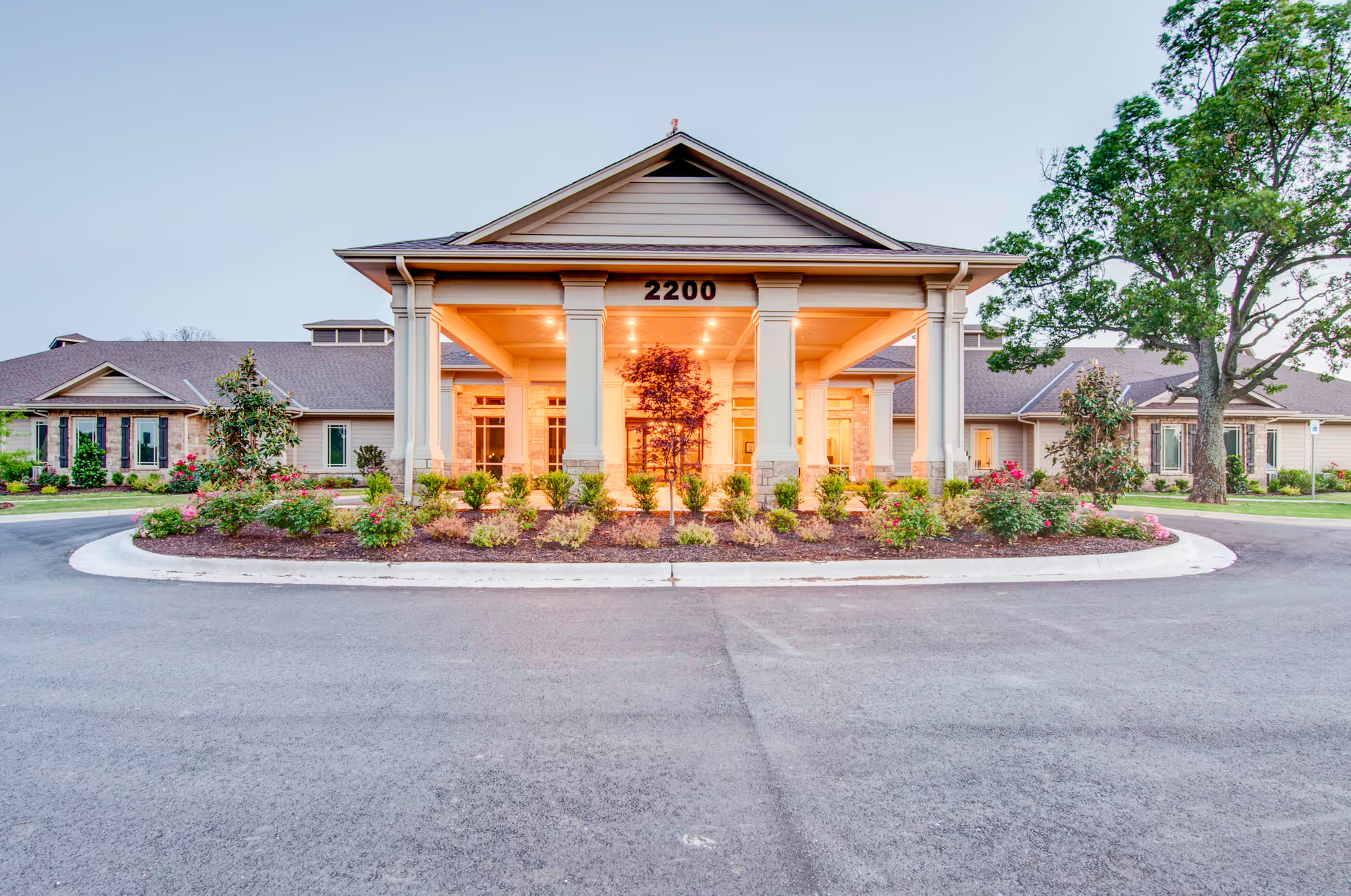
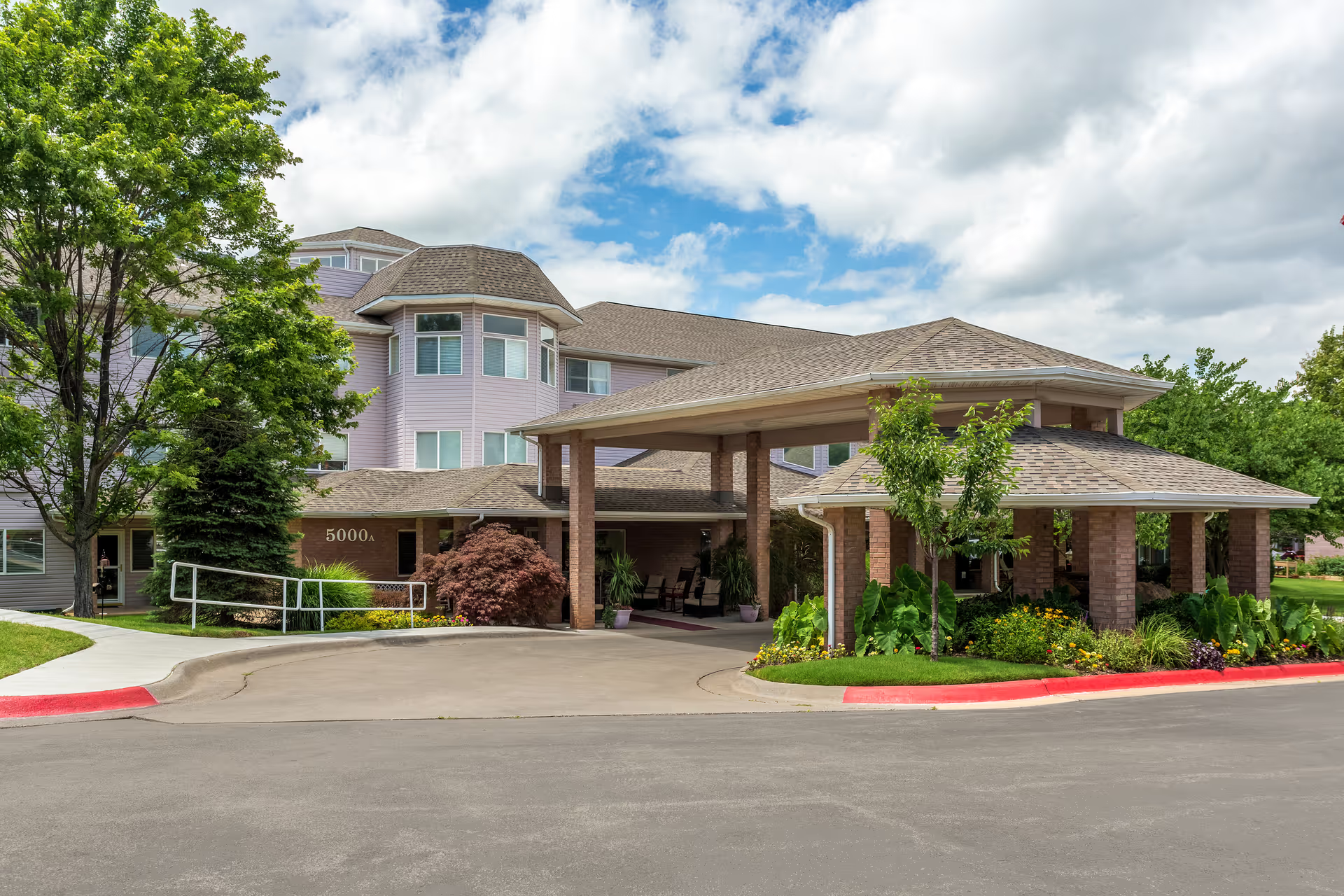
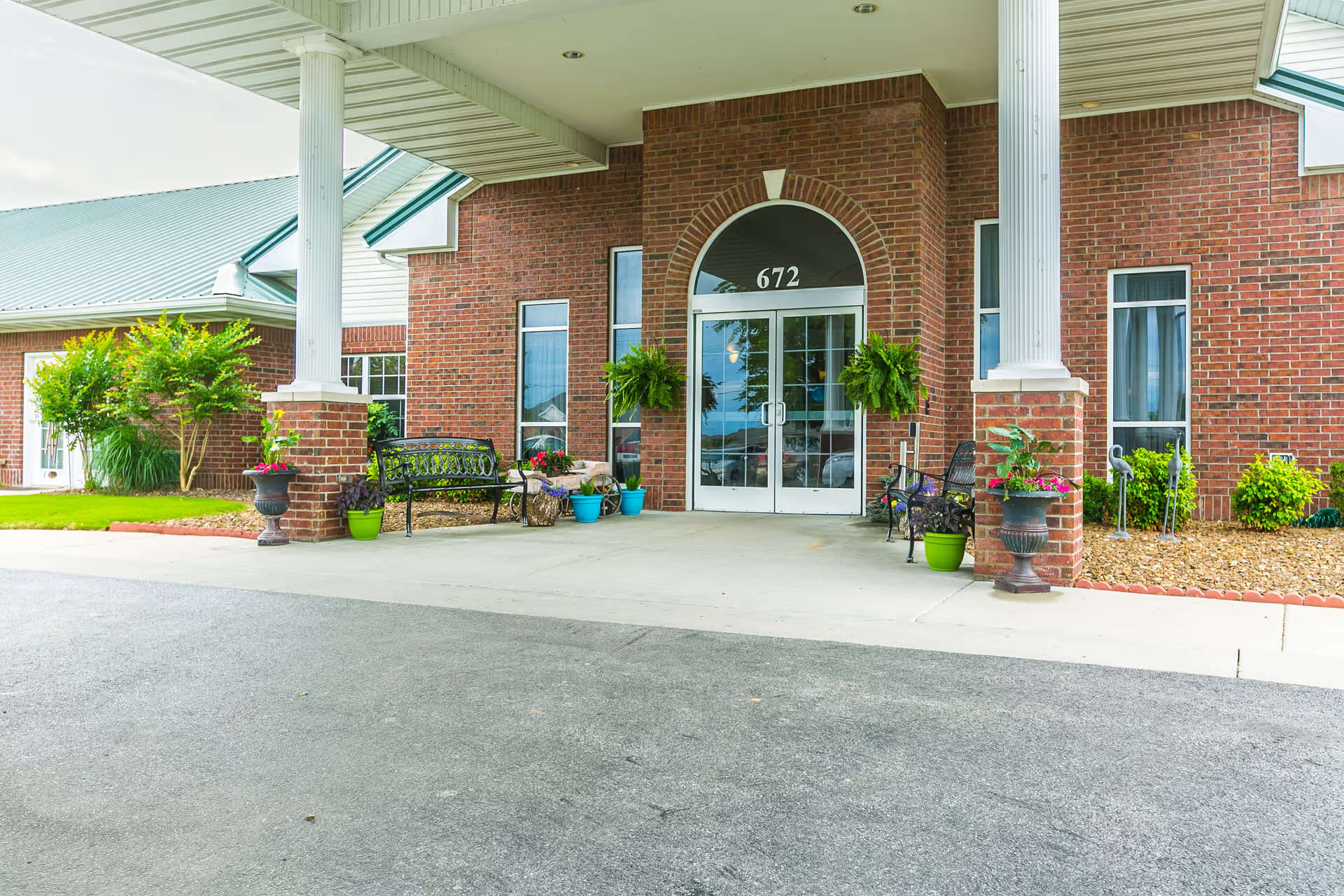
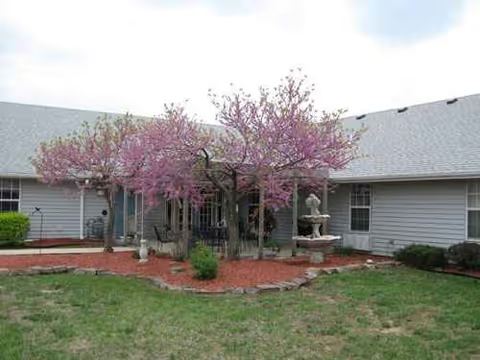
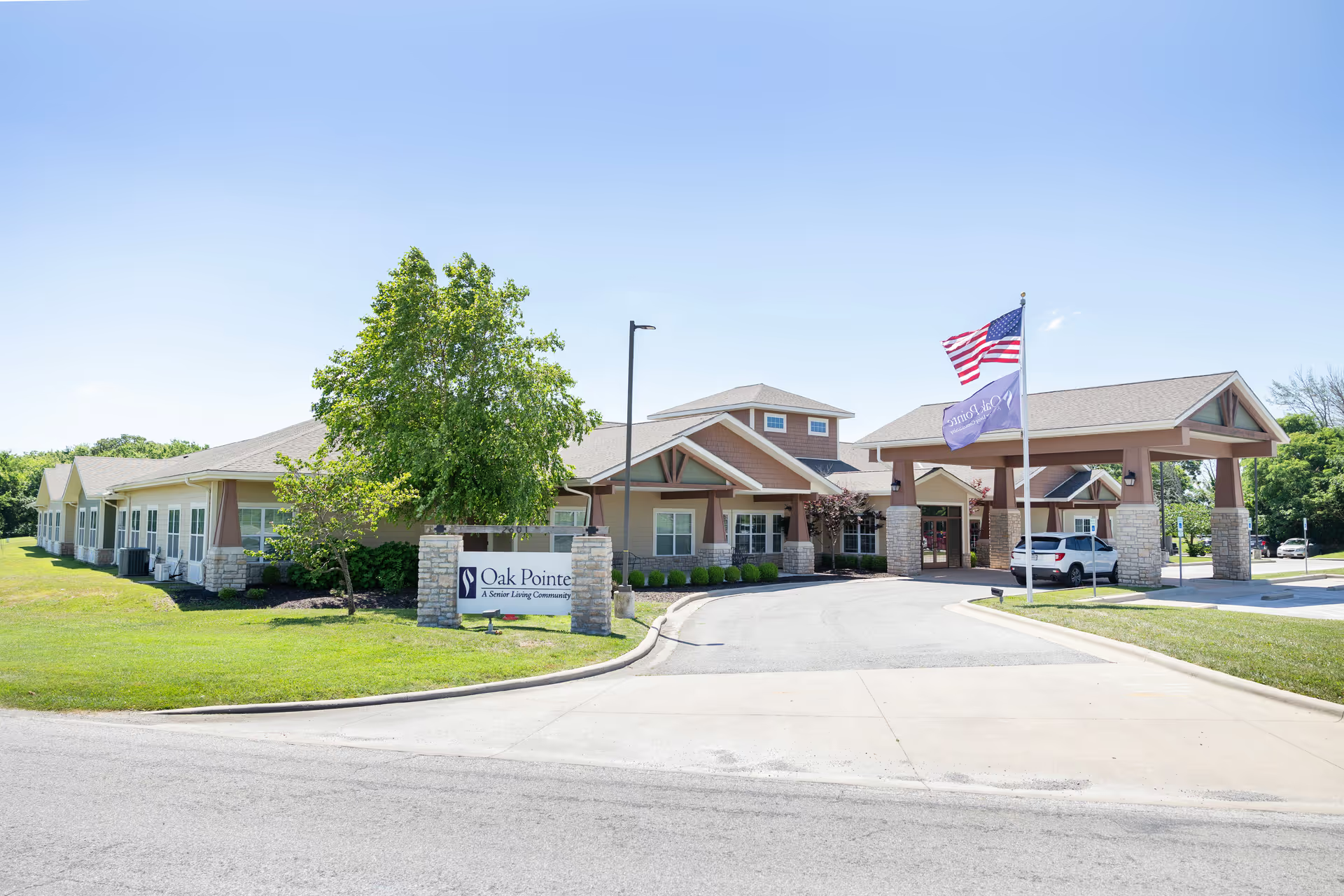
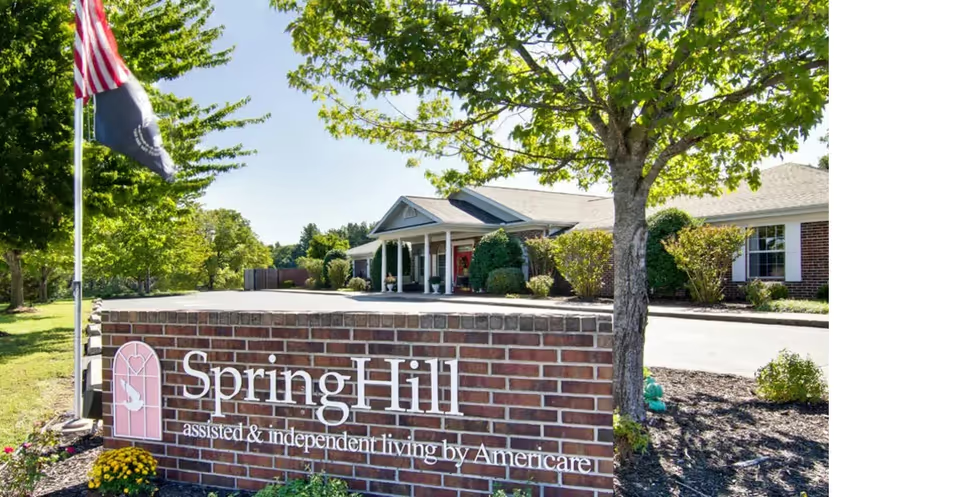
Facilities and amenities: The facility’s small scale and well-kept common areas create a homelike environment that many families appreciate. Amenities such as a pleasant courtyard, pet-friendliness, included cable/internet, and accessible visiting make Brookfield attractive for those wanting a community feel. That said, cleanliness reports are inconsistent: while common areas are often praised, some accounts describe apartment-level cleanliness issues at move-in or variable housekeeping standards. Transportation is available for appointments and outings, but accessibility is not uniform—some vans are not fully wheelchair accessible, which is important to confirm for wheelchair-dependent residents.
Management and notable patterns: Management impressions are mixed. Several reviewers commend proactive communication, approachable leadership, and an administrator who advocates for residents; others describe recent leadership turnover and conduct concerns under new management. This variability appears to correlate with fluctuations in staffing, activity programming, and housekeeping consistency. Taken together, reviews suggest a polarized set of experiences—many families find Brookfield to be an excellent, affordable, and caring option for lower–to–moderate care needs, while others encountered operational gaps that prompted relocation or strong dissatisfaction.
Recommendation for prospective families: Brookfield may be a good fit for people who value a small, homey setting with personalized attention and active social programming. Prospective residents and families should verify current staffing levels and on-site clinical coverage, confirm transportation accessibility for wheelchair users, review menu planning and nutrition accommodations (including diabetes needs), and ask about activity staffing continuity and recent leadership changes. These checks will help determine whether Brookfield’s strengths align with the prospective resident’s clinical and social-care requirements.