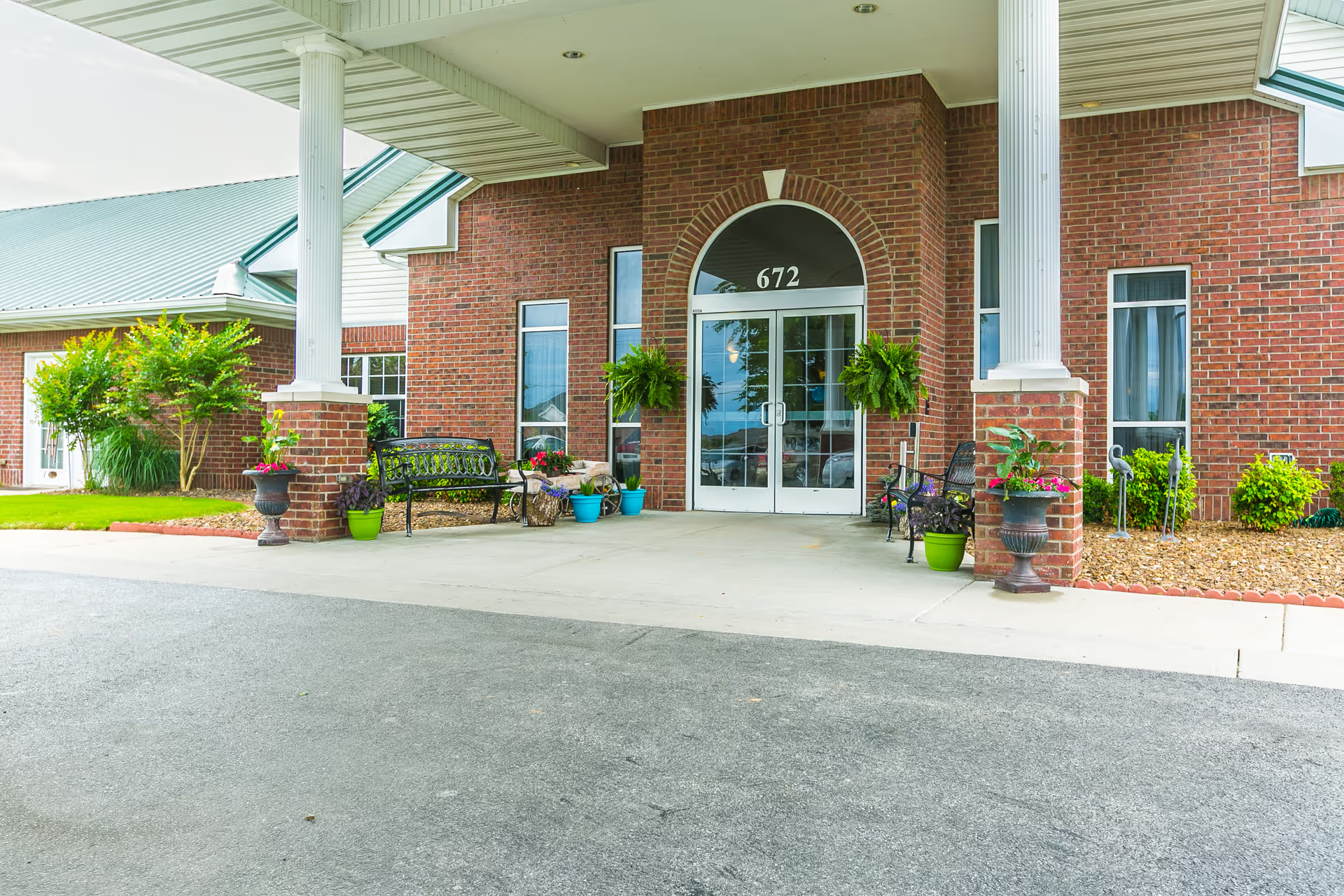
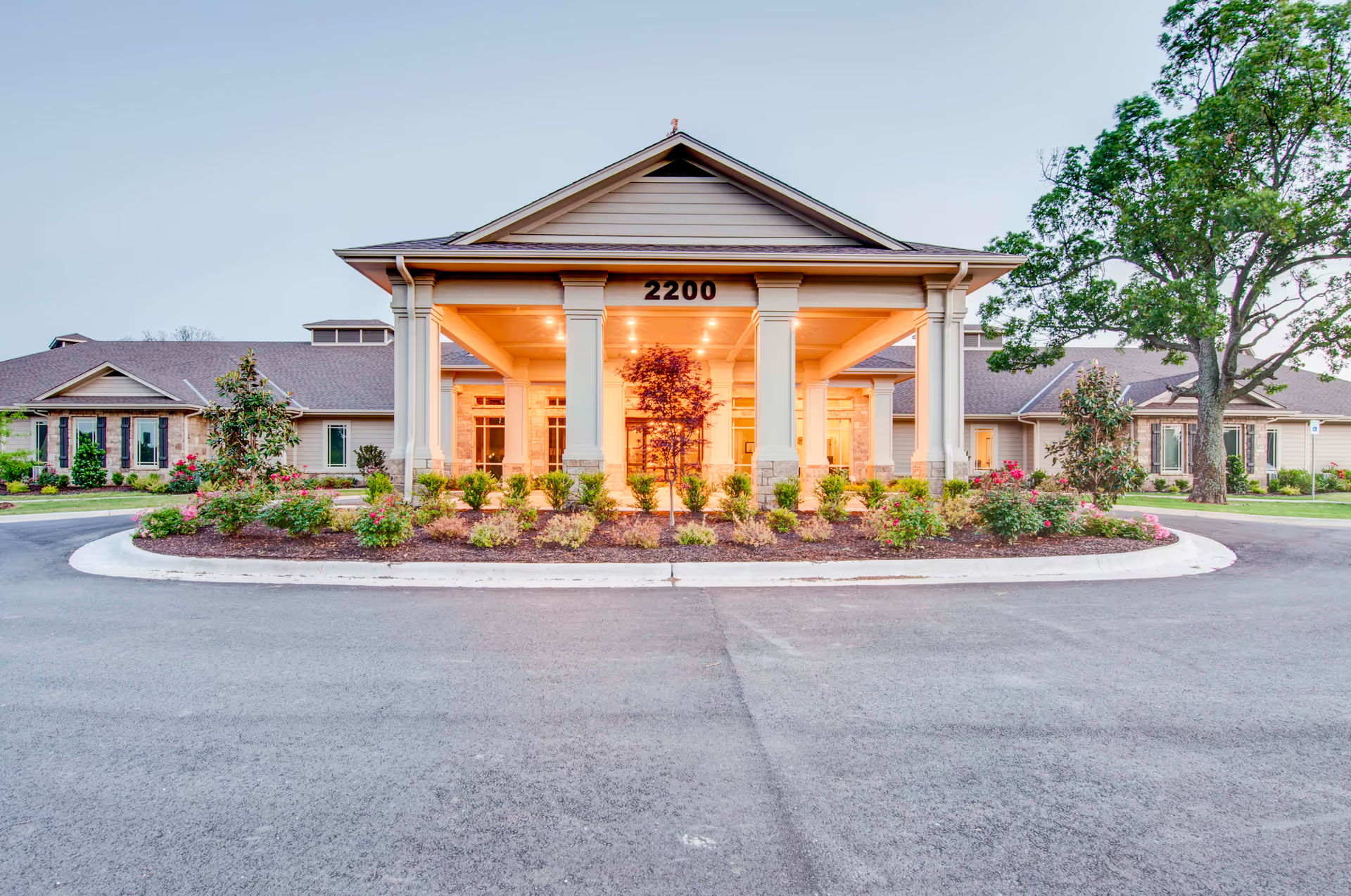
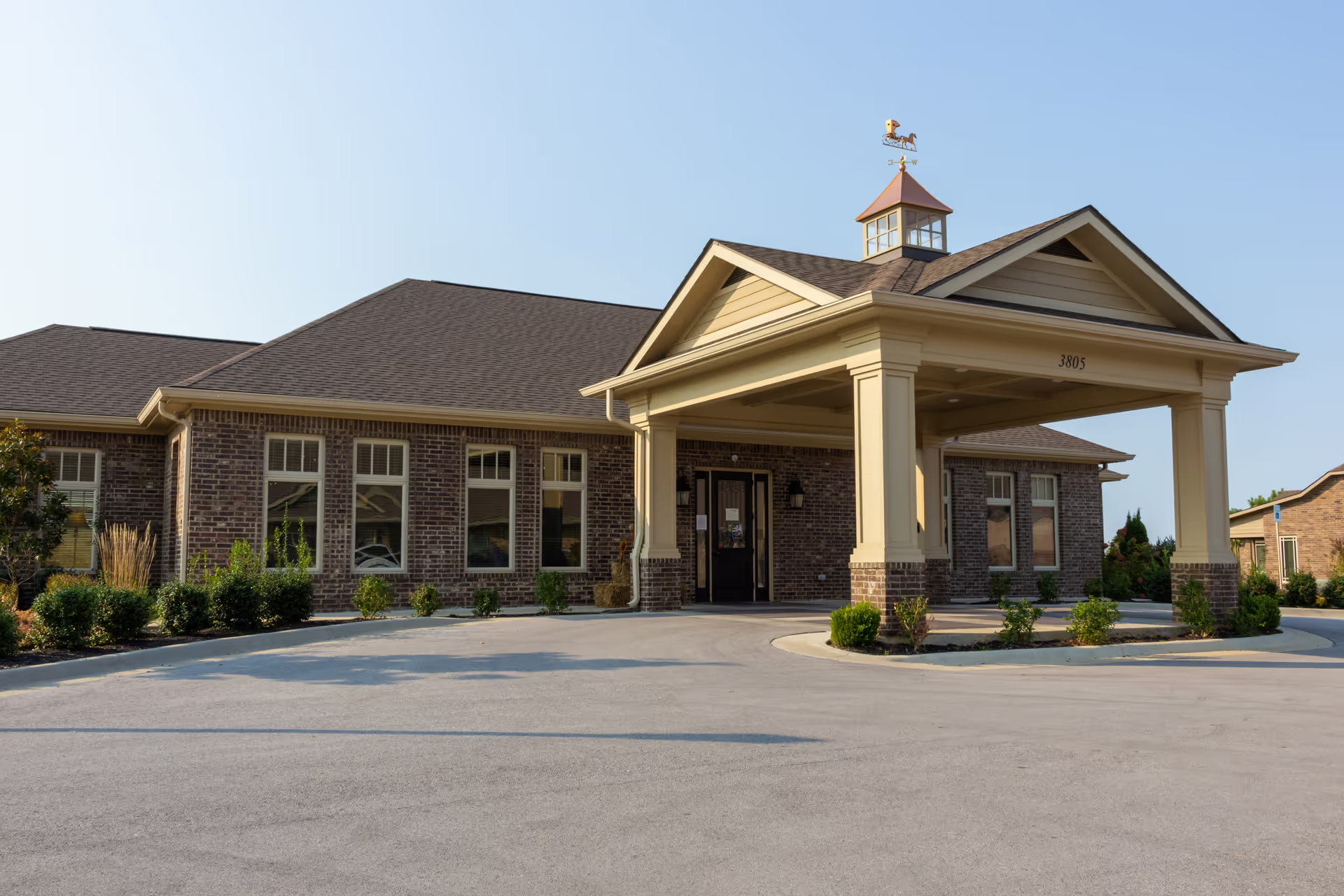
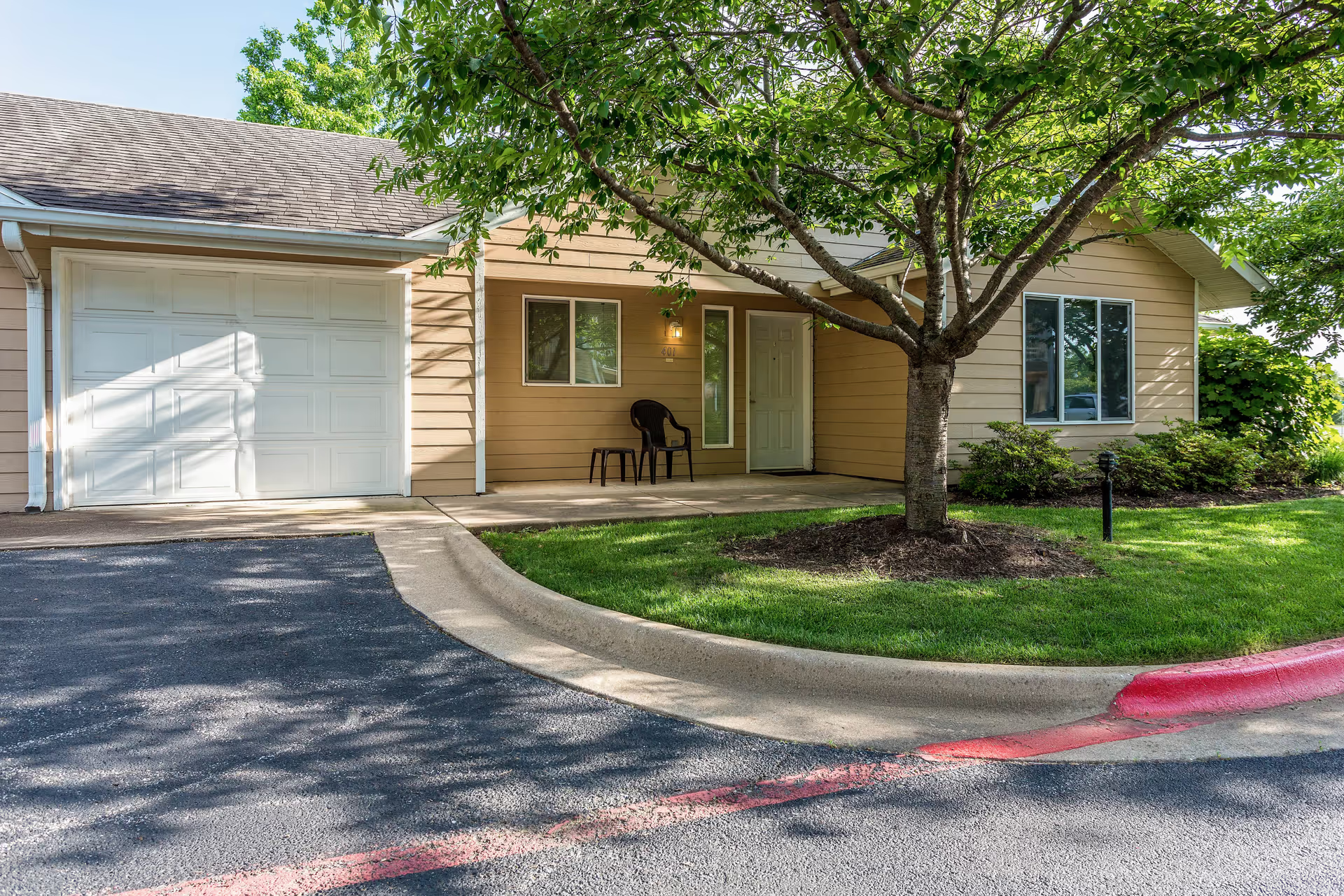
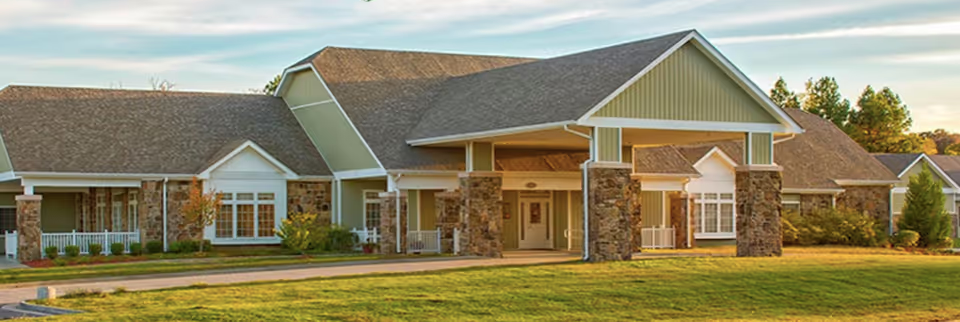
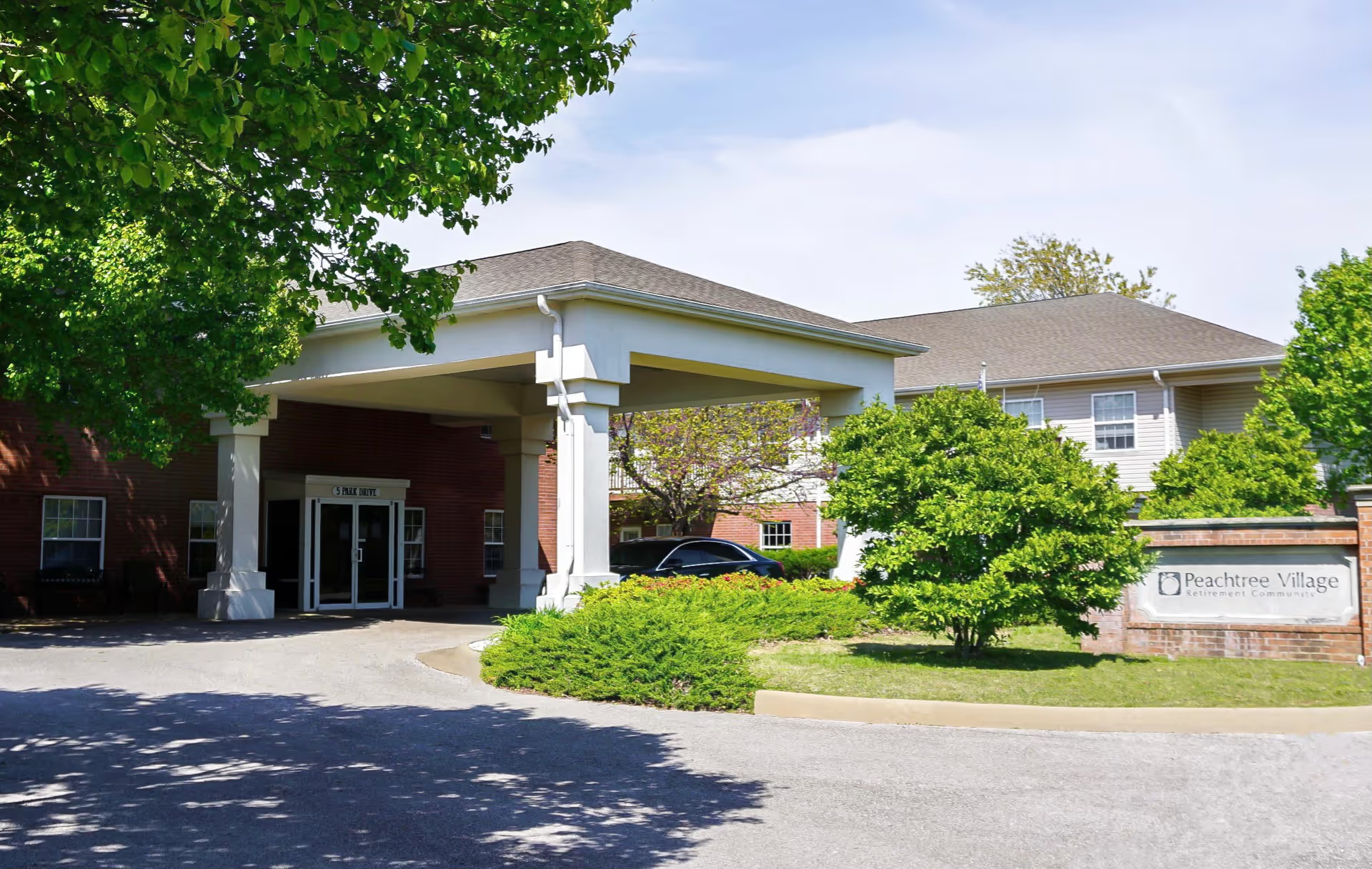
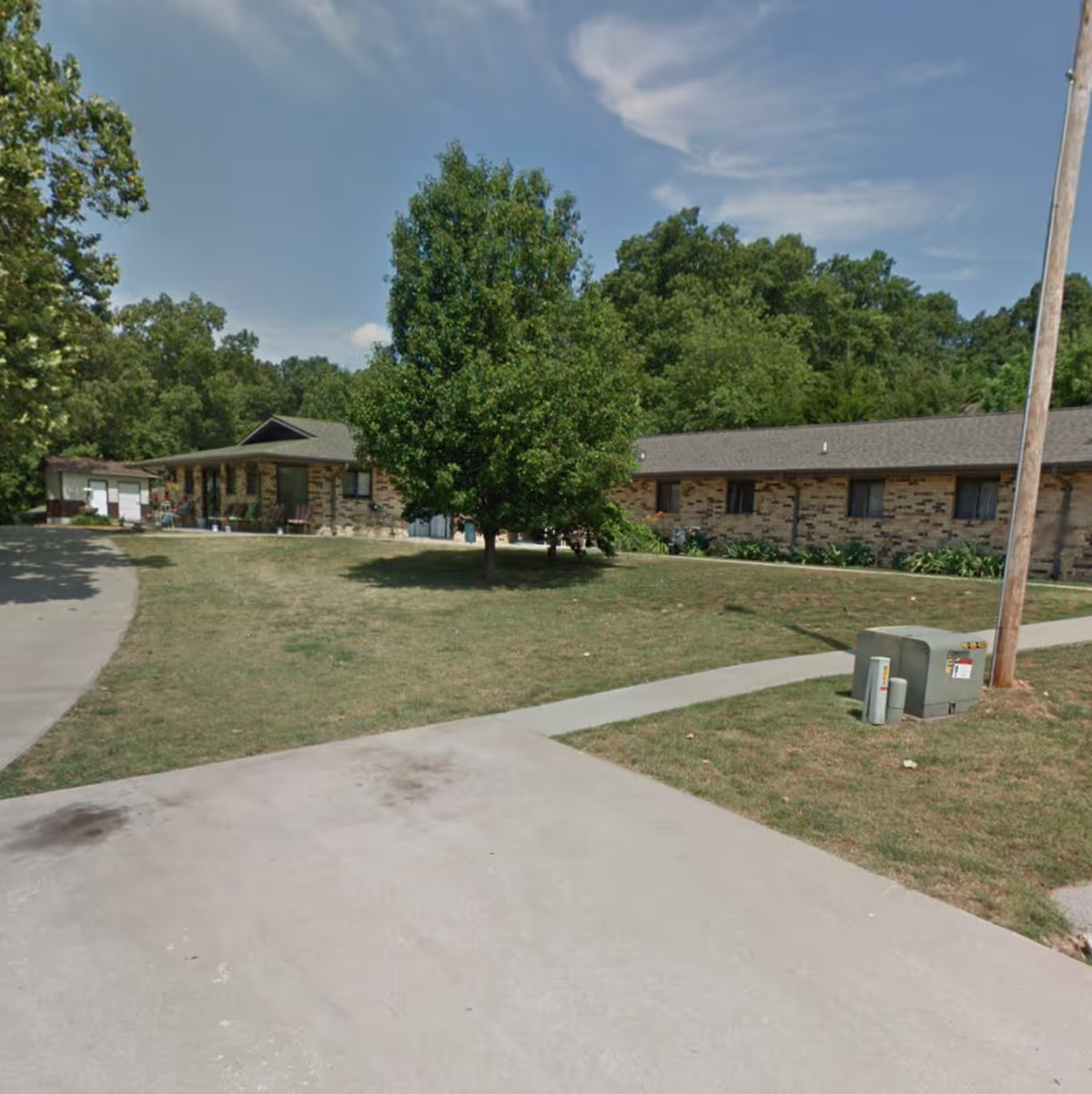
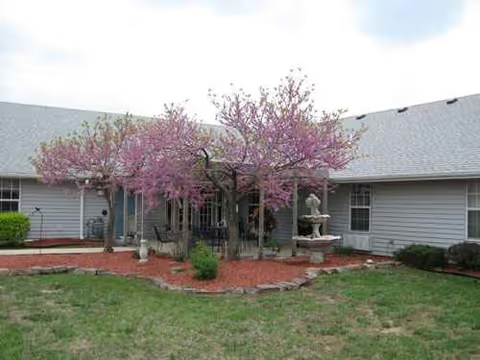
Overall impression: The Gardens at Arkanshire Senior Living presents as a well-maintained, community-focused independent-living campus with a strong emphasis on home-like living, social engagement, and hospitality. Families and residents frequently highlight the compassionate nature of front-line staff, a welcoming ‘‘cottage’’ atmosphere, and a sense of community where residents look after one another. Many reviewers described feeling safe and supported, and the facility's grounds, common areas, and newer renovations were often praised.
Care and staff: Staff performance is the facility's clearest strength. Reviewers consistently cite attentive, friendly caregivers, housekeeping, and maintenance teams who help with transitions, coordinate doctor appointments, and respond to changing needs. Long-tenured employees and named staff were often singled out for above-and-beyond service. At the same time, reviewers described variability in staffing levels; that variability has translated into uneven timeliness of housekeeping and some service responses, and it contributes to concerns about the facility’s capacity to meet higher-acuity care needs for residents who decline medically.
Dining: Dining is a prominent and defining feature. Many residents appreciate home-style, restaurant-like meals, a rotating selection of entrees, and an engaged chef who accepts resident input; specific food items and special meals were frequently praised. Conversely, food quality and consistency were uneven across accounts—some loved the offerings while others found them disappointing. Operational issues such as noisy dining rooms and occasional meal-service lapses were noted and can affect the dining experience for some residents.
Activities and social life: Programming is robust. The facility offers a wide range of daily activities—classes, live music, outings, group games, gardening, and special events—helping many residents regain social engagement and enjoy an active lifestyle. The community character and frequent opportunities for socialization are strong selling points for prospective independent-living residents.
Facilities and operations: Physical facilities, cottages, and two-bedroom apartment layouts receive positive comments for size, light, and outdoor space. Housekeeping and cleaning are generally praised, though several accounts describe inconsistent or brief cleaning on occasion. Practical infrastructure issues surfaced repeatedly: slow elevators, unreliable internet, and periodic delays in completing promised maintenance or landscaping work. These operational items tend to be nuisances rather than safety failures but are important to plan for.
Management, administration, and financial matters: Reviewers present a mixed view of management. Some describe personable leadership and positive resident meetings; others describe communication and follow‑through problems, including unresolved billing or refund disputes and slow execution of promised changes under new management. Annual price increases and a relatively high base cost were also identified as affordability concerns. Families considering the community should clarify contract terms, fee escalation policies, and refund procedures before committing.
Who this fits best and cautions: Arkanshire appears well suited to older adults seeking an active, social independent‑living environment with quality communal dining and a cottage-style living option. Prospective residents who require increasingly intensive personal or skilled nursing care may find the community's independent‑living orientation limiting; confirm available assisted-living capacity and clinical supports. Visitors should also inquire about current staffing patterns, the status of promised renovations or maintenance projects, internet reliability, noise in dining spaces, and the facility’s billing and refund procedures.
Bottom line: The Gardens at Arkanshire offers a warm, activity-rich community with many strengths in staff engagement, social programming, and on-site amenities. Balance those strengths against operational caveats—service consistency, administrative communication, infrastructure issues, and cost trends—when evaluating fit for a specific resident’s clinical needs and budgetary constraints.