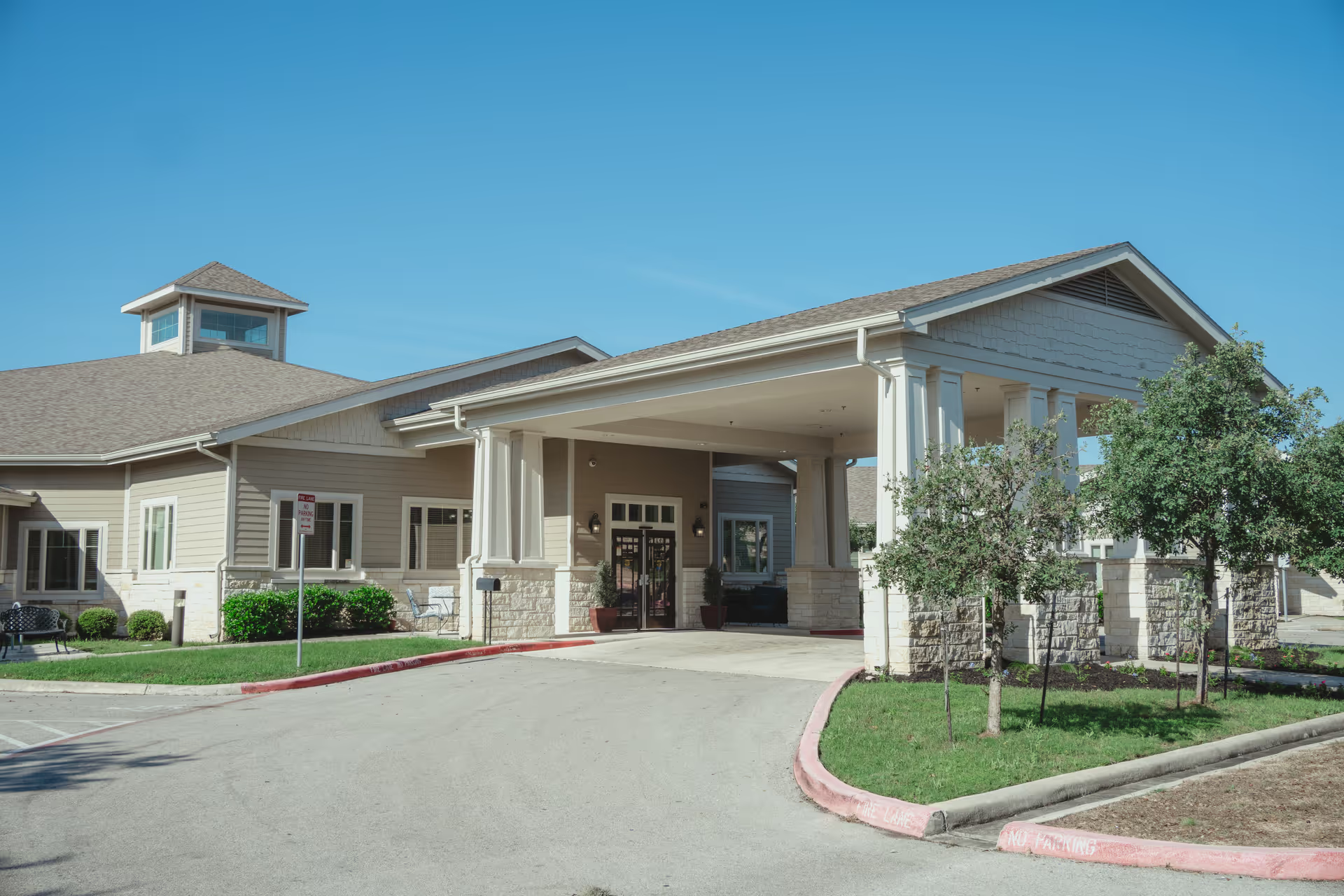
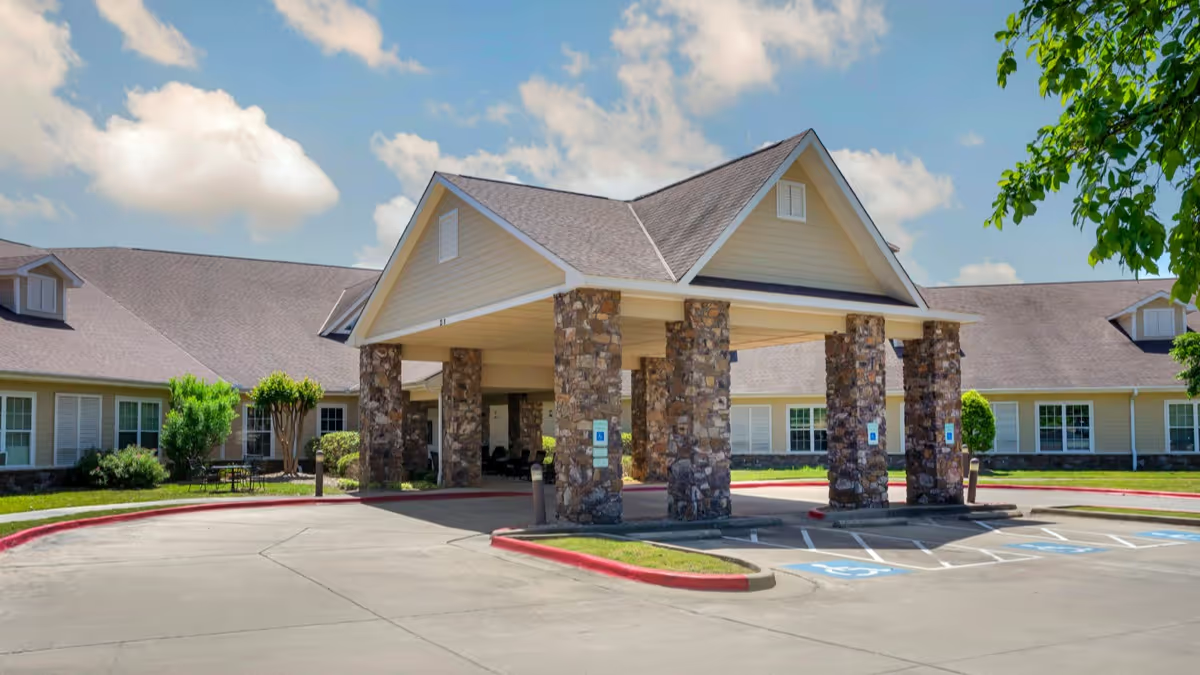
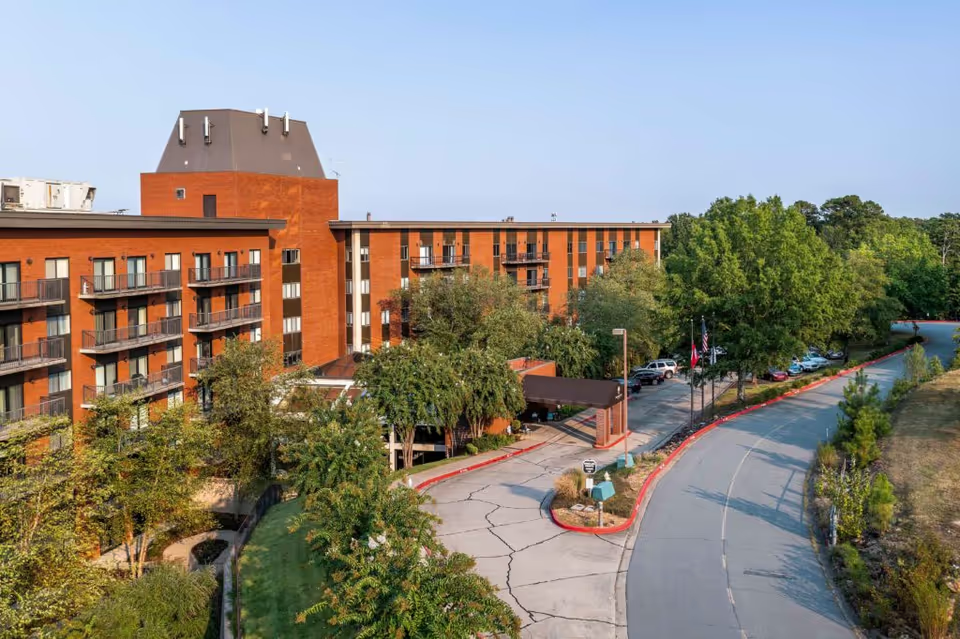
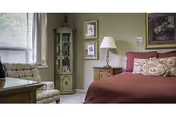
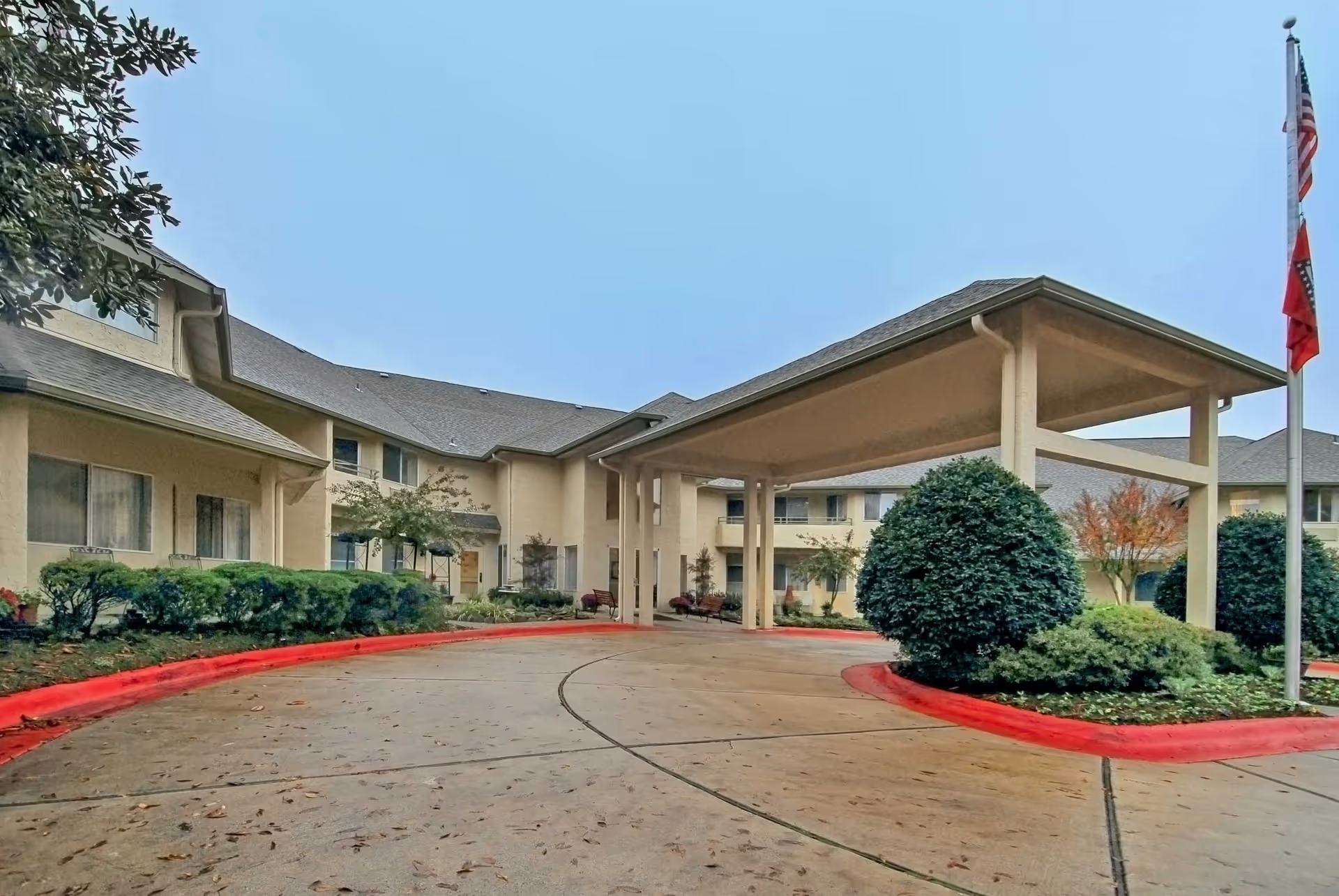
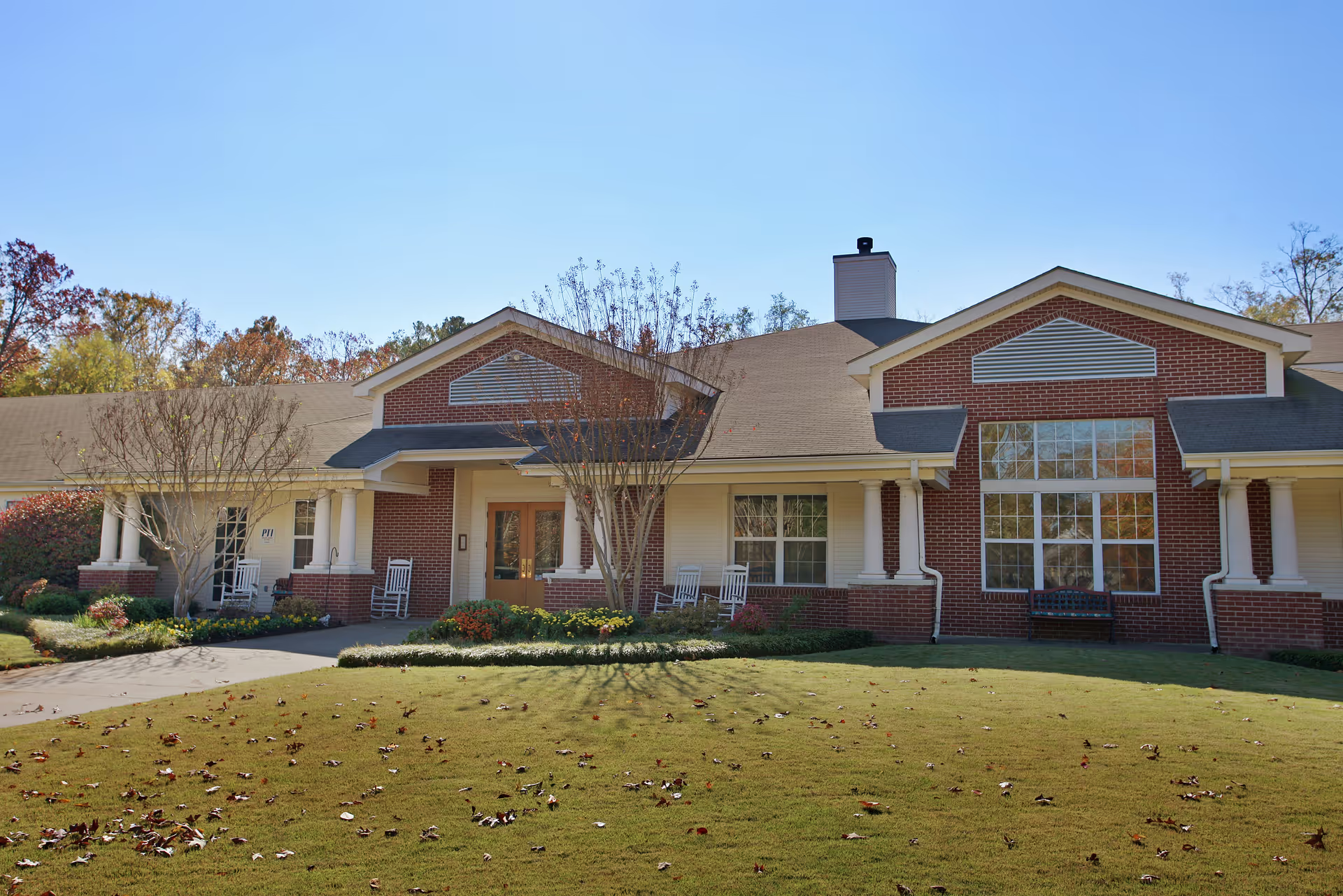
Amberwood Health + Rehabilitation presents as a visually appealing, well-kept facility with a clear rehabilitation focus. Multiple reviewers highlighted the newer construction, attractive common spaces, private and spacious rehab rooms, and a well-equipped therapy gym. Therapy services — particularly physical and occupational therapy — were described positively in several accounts, with specific references to mobility gains and effective rehabilitation programs. The activity program is a consistent strength: structured events, church services, a salon, and library resources contribute to an engaged environment for both short-term and long-term residents.
Care and staff performance are mixed. Numerous comments praise individual nurses, CNAs, therapists, housekeeping, and certain administrators as compassionate, attentive, and person-centered; several families described staff who went above and beyond and created a family-like atmosphere. At the same time, there is clear variability in performance by shift and by staff member. Review content indicates staffing shortages and uneven competency, particularly on nights and some nursing units, which correspond with reports of delayed responses to call lights, delayed medications, and inconsistent follow-up on clinical concerns. These patterns suggest that baseline staffing levels and training consistency are significant operational challenges.
Clinical-safety and care-coordination issues are recurring themes. Reviewers described delays or gaps in wound care, instances of delayed mobilization or unsafe-feeling transfers, and concerns about medication and monitoring practices. There are also several accounts of poor communication around test results, discharge planning provided on short notice, and inadequate transparency with families. Together these observations point to gaps in clinical oversight, handoff protocols, and family communication practices that prospective residents and families should review closely.
Dining and nutrition services show variability. Some reviewers praised accommodating kitchen staff and a pleasant dining environment, while others cited inconsistent food quality, trays not following dietary instructions, and absence of appropriate options for special diets such as diabetes management. Sanitation and food-handling concerns were raised alongside these dining-quality comments, indicating the need to assess meal procedures and special-diet protocols during a tour or admission conversation.
Management and culture appear polarized in the reviews. Several families lauded administrators and activity leadership for accessibility and responsiveness; others raised concerns about administrative defensiveness, staff morale, and admissions practices. A subset of reviews included serious safety and conduct concerns that would warrant investigation by regulators or outside oversight; reviewers described events that suggest opportunities to strengthen incident oversight, reporting, and remediation processes.
Overall pattern: Amberwood offers strong physical plant advantages, a robust rehabilitation focus, and many caring frontline staff and activity resources. However, inconsistent staffing, variable clinical practices, gaps in wound care and medication/transfer safety, and uneven dining and communication processes create risk areas for certain residents — particularly those with complex clinical needs. Families considering Amberwood may benefit from an in-person tour that includes direct questions about staffing ratios, wound-care protocols, medication administration checks, special-diet procedures, discharge-planning timelines, and the facility’s incident-reporting processes. Requesting recent staffing schedules, infection-control metrics, and examples of family communication protocols can help clarify whether the experience will match the positive reports or the concerning patterns described in some reviews.