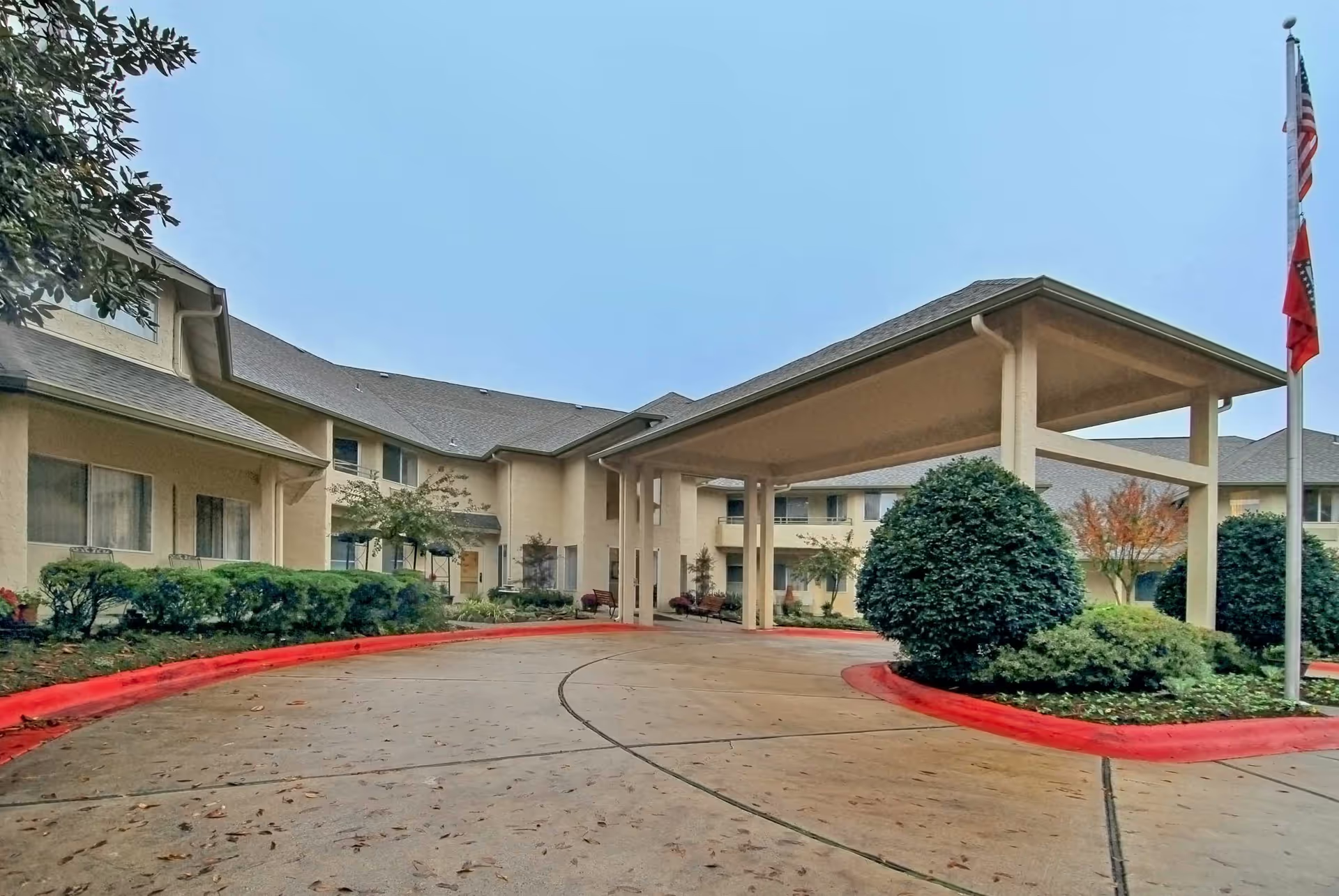
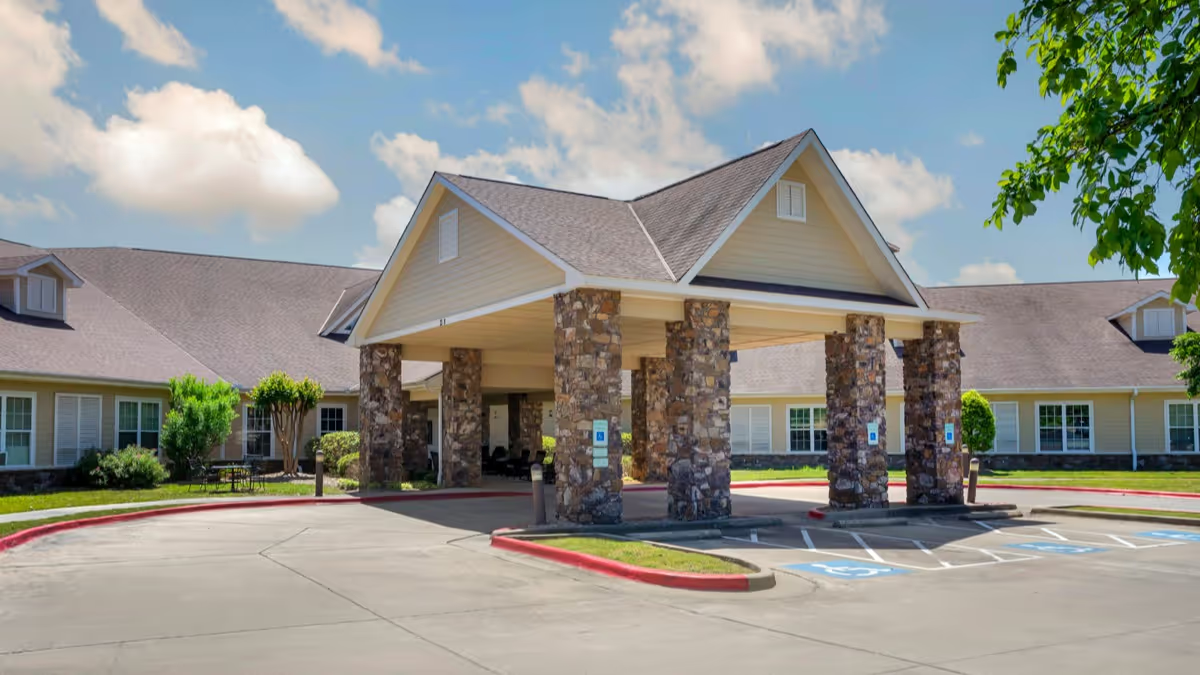
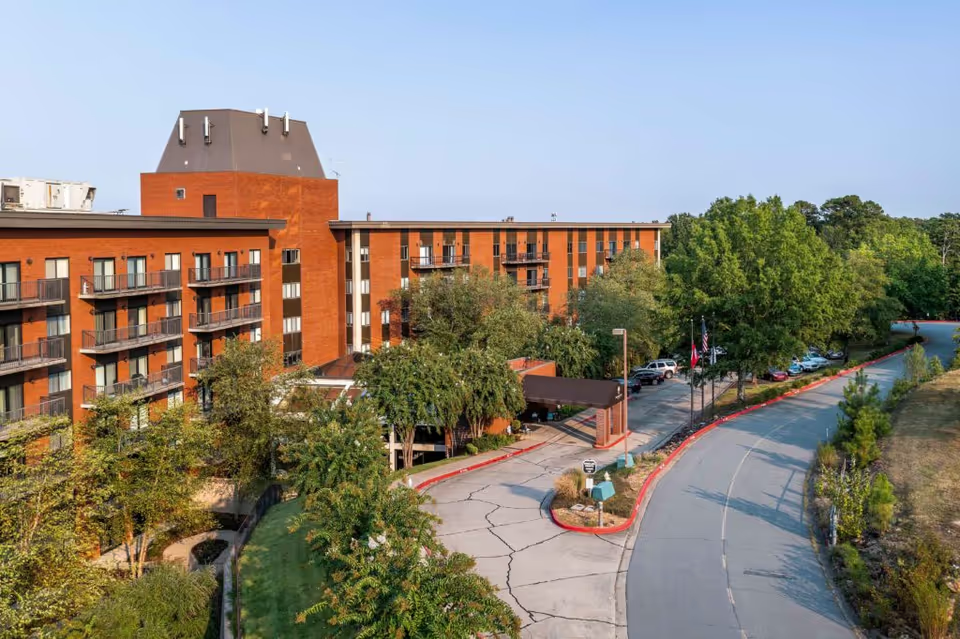
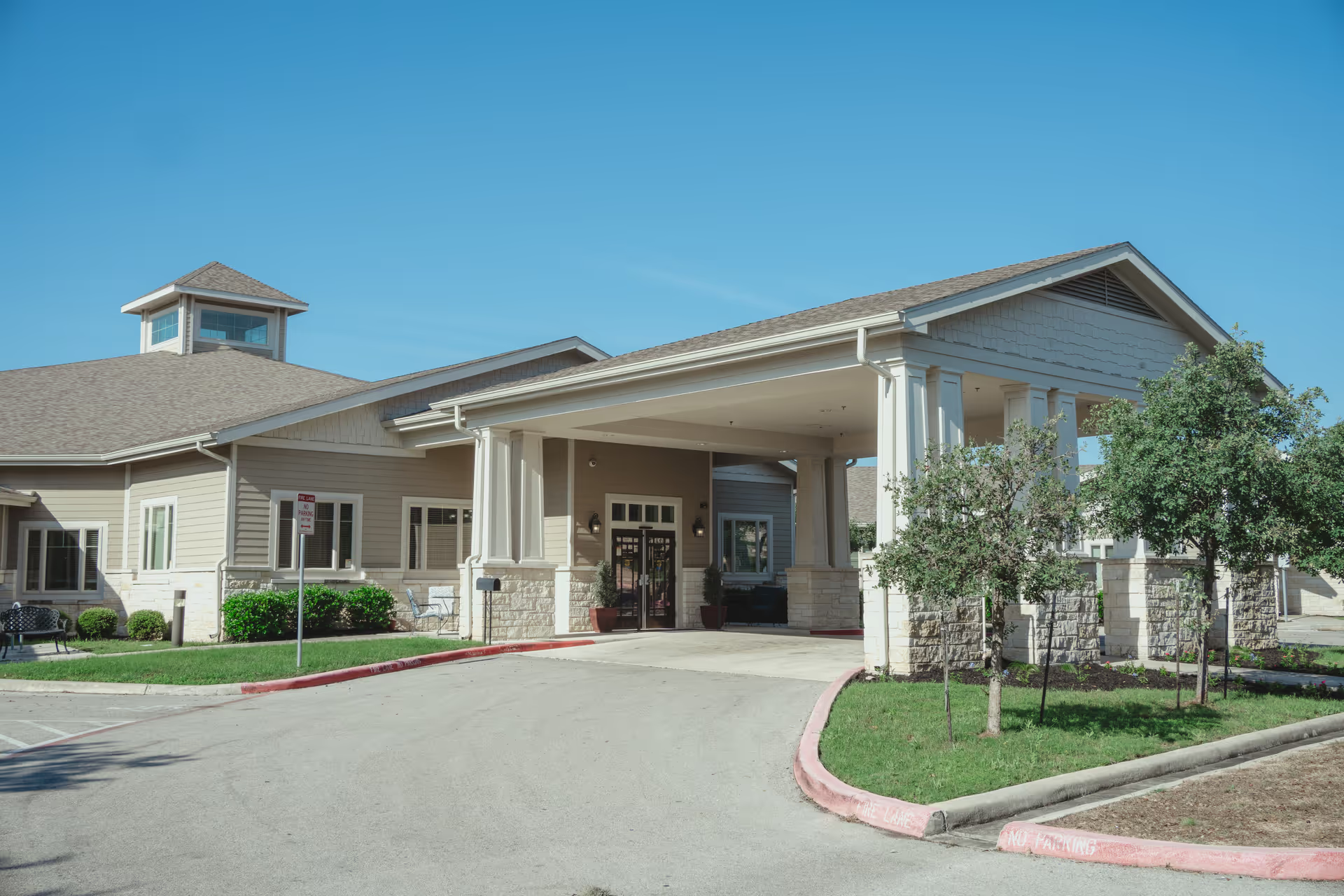
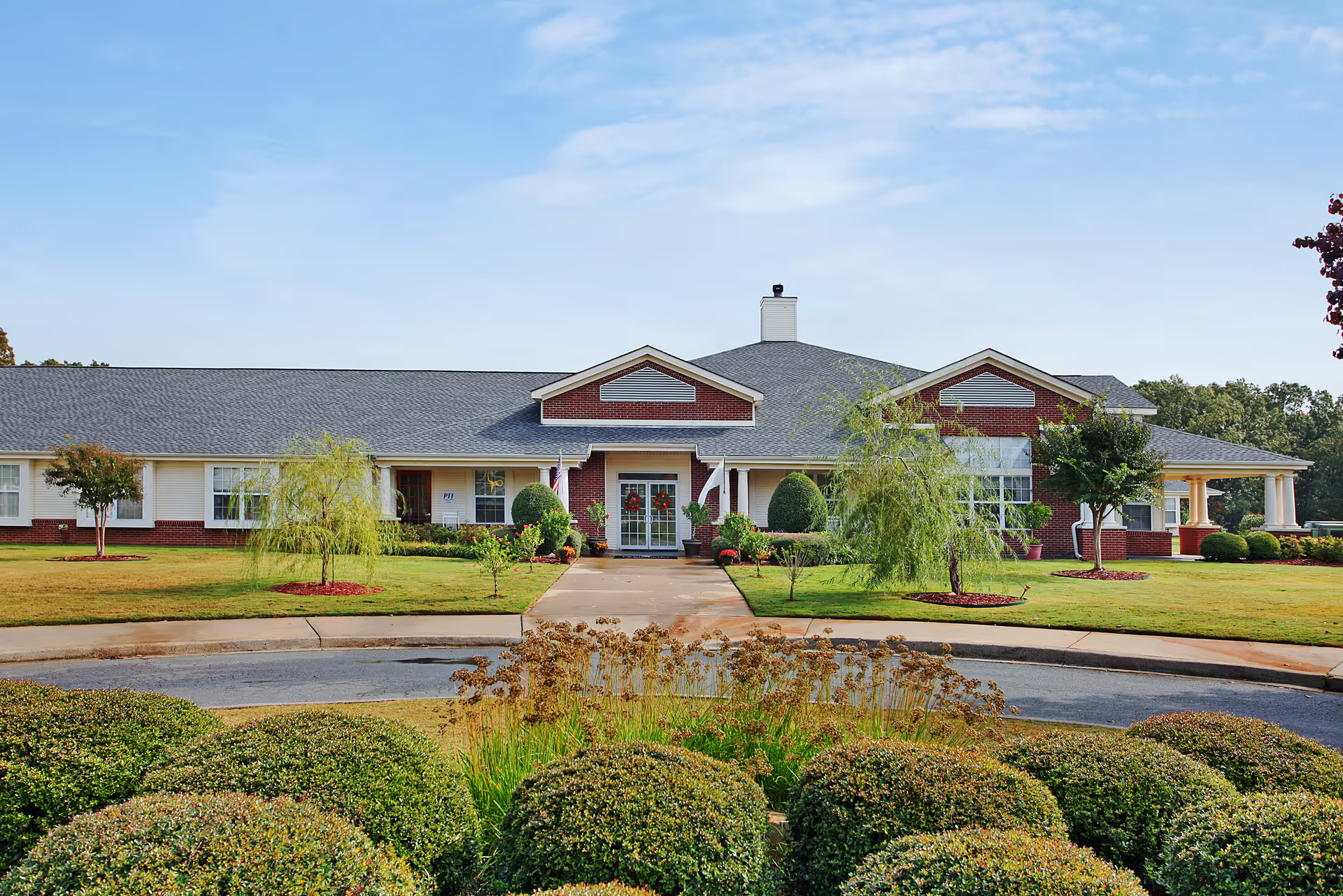
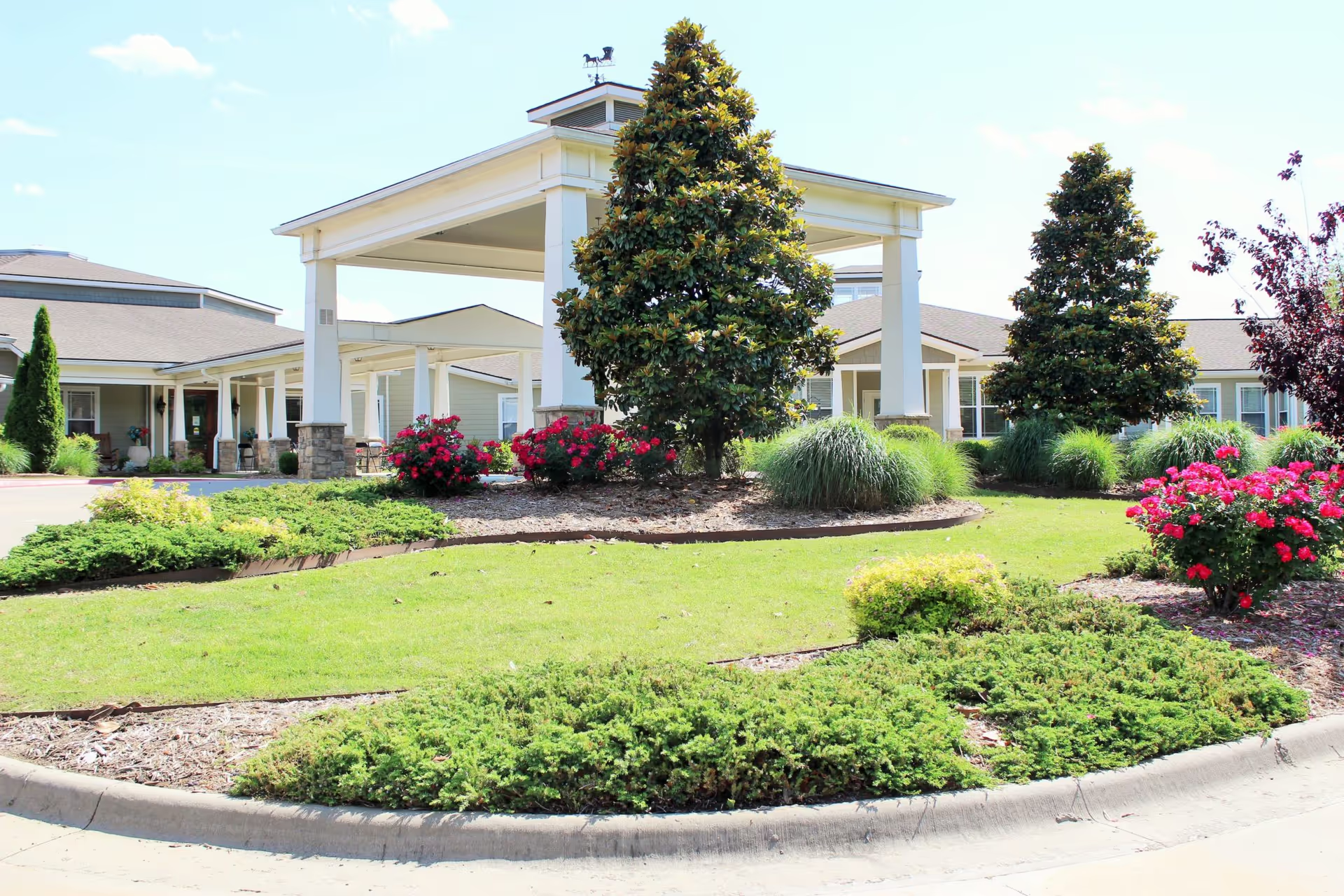
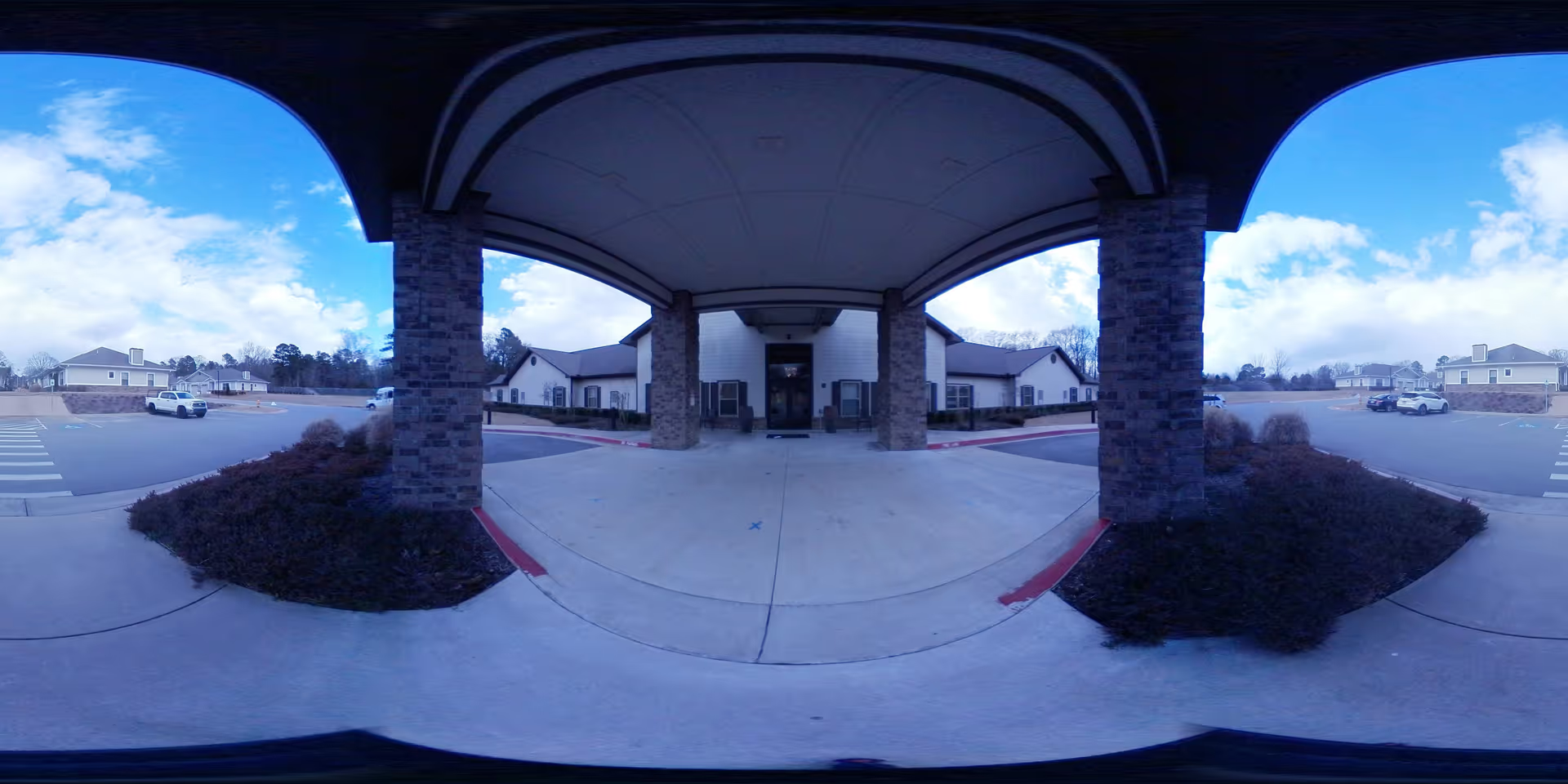
Willow Grove of Maumelle is described across reviews as a small, well‑appointed assisted living community with a strong emphasis on warm, respectful resident–staff relationships. Families and residents frequently praise the caregiving team and nursing staff for compassionate, dignity-preserving interactions. Many reviewers highlight an engaged leadership approach during tours and admissions, and the presence of on‑site therapy and rehabilitation services is seen as a meaningful clinical asset. Physical spaces — private rooms, updated interiors, dining room, therapy gym, and outdoor courtyards — are consistently noted as attractive and comfortable.
Dining and programming are common strengths. The community offers restaurant-style dining, efficient service, and a variety of activities including bingo, social outings, therapeutic programming, and specialty events like petting‑zoo visits and themed programs. These offerings support resident engagement and socialization; several families report that activities and outings meaningfully improved mood and social functioning. Therapy services and a focus on rehabilitation are identified as supportive of residents' ability to maintain or regain function.
Despite the positive themes, recurring operational concerns emerge. Staffing is uneven across shifts: evenings and overnights are described as thinner and less consistent, and CNA turnover is cited as a factor that undermines continuity of care. Relatedly, several reviews indicate gaps in inter‑shift communication and handoffs that can affect responsiveness and care continuity. Families also expressed concerns about memory‑care staffing levels and the availability of one‑on‑one attention for residents with higher needs.
Housekeeping and sanitation practices are another mixed area. Many reviewers praise cleanliness and odor‑free common areas, but others report variability in room and bathroom upkeep and desire more consistent housekeeping standards. Dining quality is generally strong, yet there are requests for greater menu variety and more nutritious snack and fruit/vegetable options, and some families asked for modifications to meal preparation (for example, reduced breading on meats).
Administrative and systems issues surfaced in multiple reviews. Transportation availability is a notable operational limitation: ride options are limited in schedule and vehicle capacity, creating difficulty for routine medical appointments. Families also cited instances suggesting gaps in medication and administrative process controls and uneven follow‑through on financial and paperwork matters; a few reviews reference more serious administrative allegations, which warrant direct inquiry during any visit or decision process. Leadership turnover was mentioned by several families, and this has contributed to perceptions of inconsistent family communication and follow‑up in some cases.
In summary, Willow Grove presents a strong clinical and social offering characterized by caring staff, robust activities, good dining, and attractive physical space. These positives are balanced by operational weaknesses typical of smaller communities under staffing pressure: inconsistent shift coverage, variable housekeeping, limitations in memory‑care staffing, transportation constraints, and occasional administrative control gaps. Prospective residents and families would benefit from inquiring specifically about current staffing levels on evenings/overnights, memory‑care staff continuity, transport scheduling, housekeeping protocols, and recent leadership turnover during a tour and meeting with nursing leadership to assess whether current operations align with their needs.