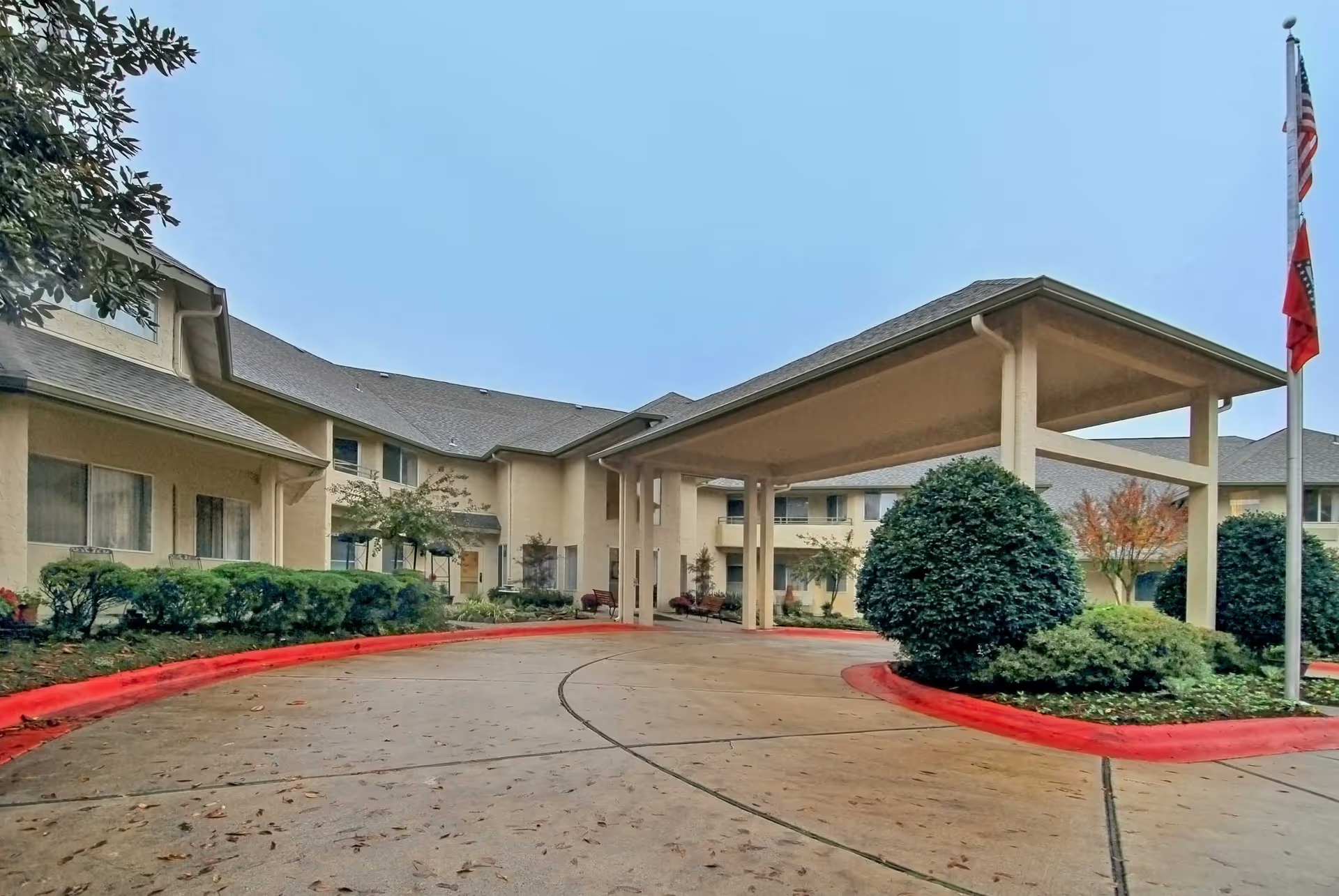
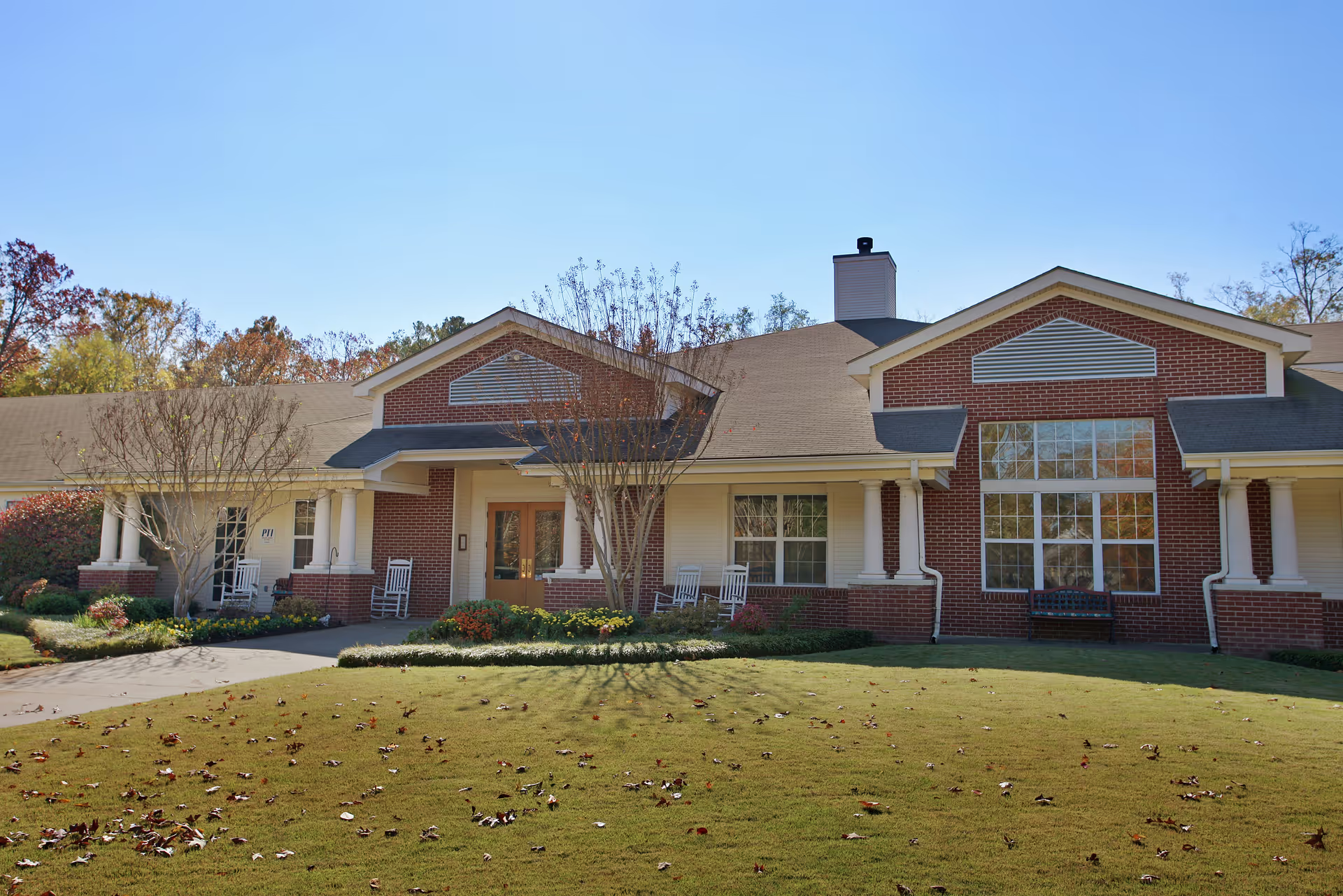
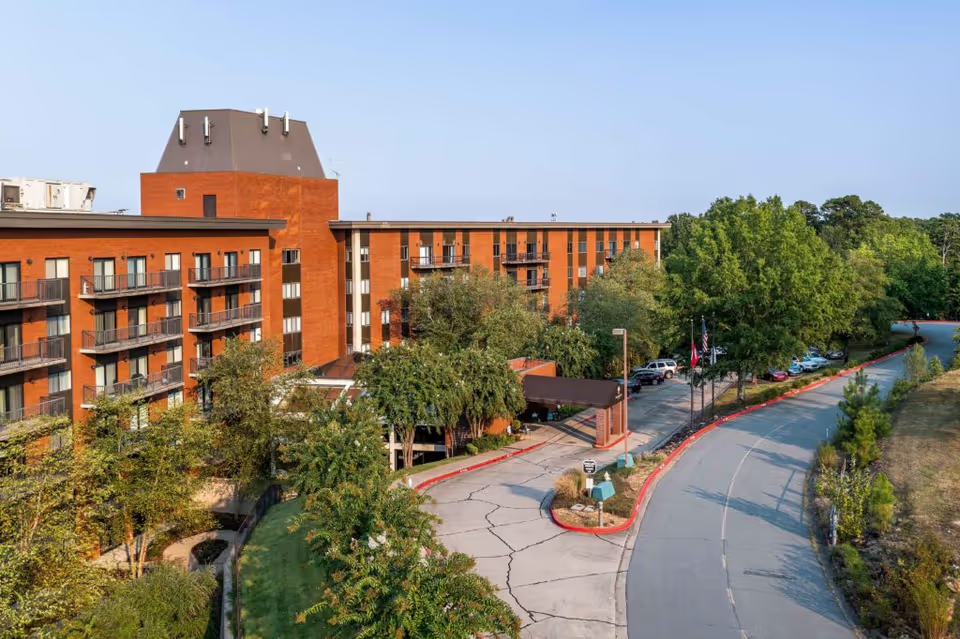
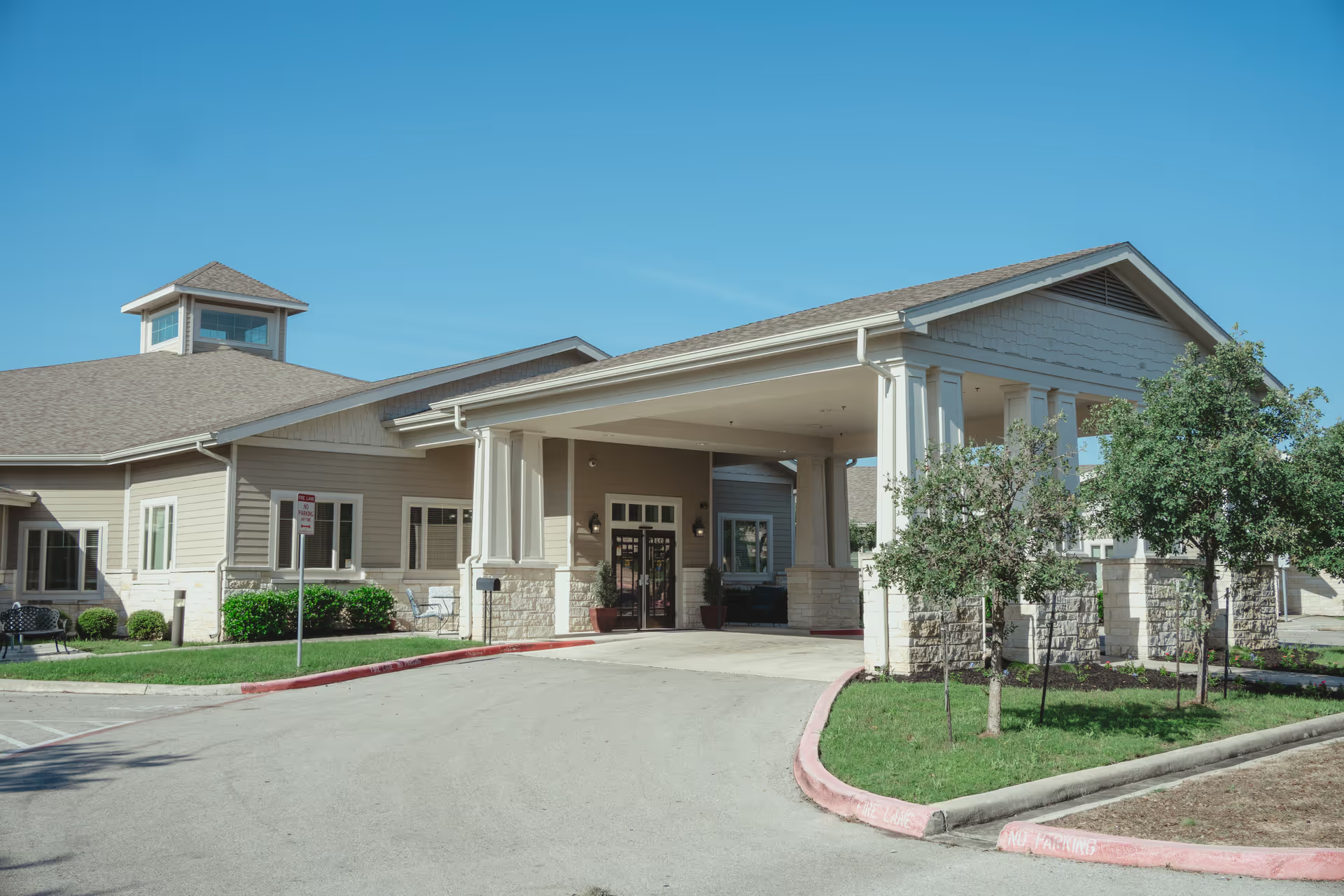
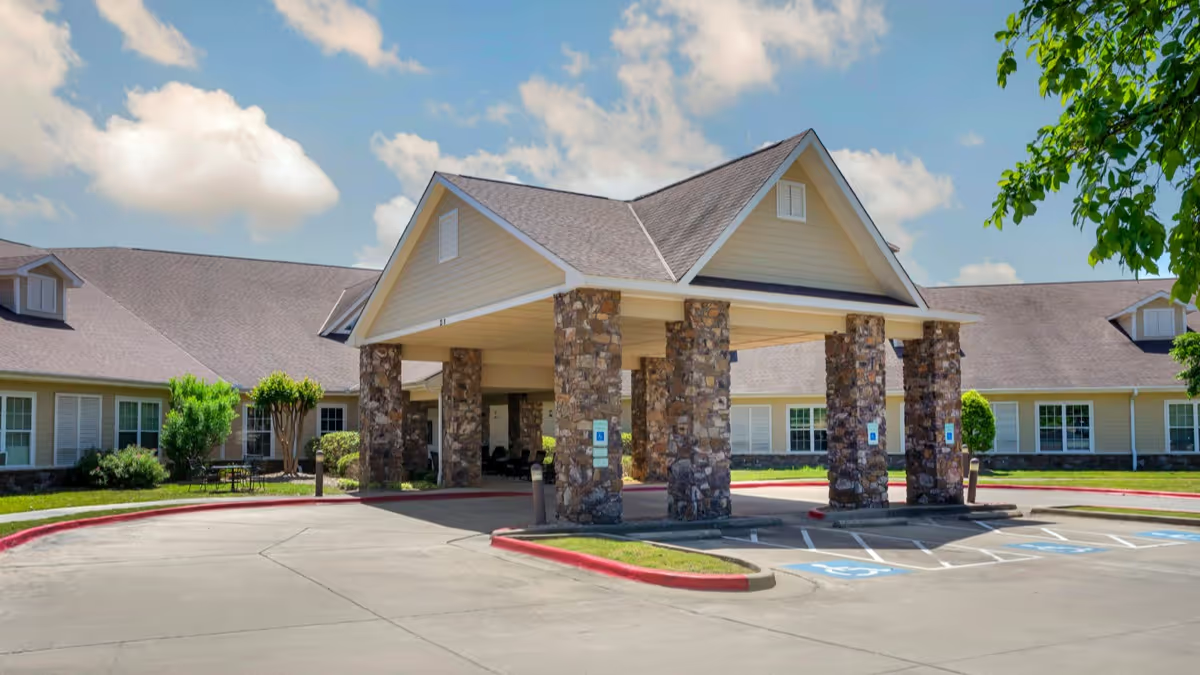
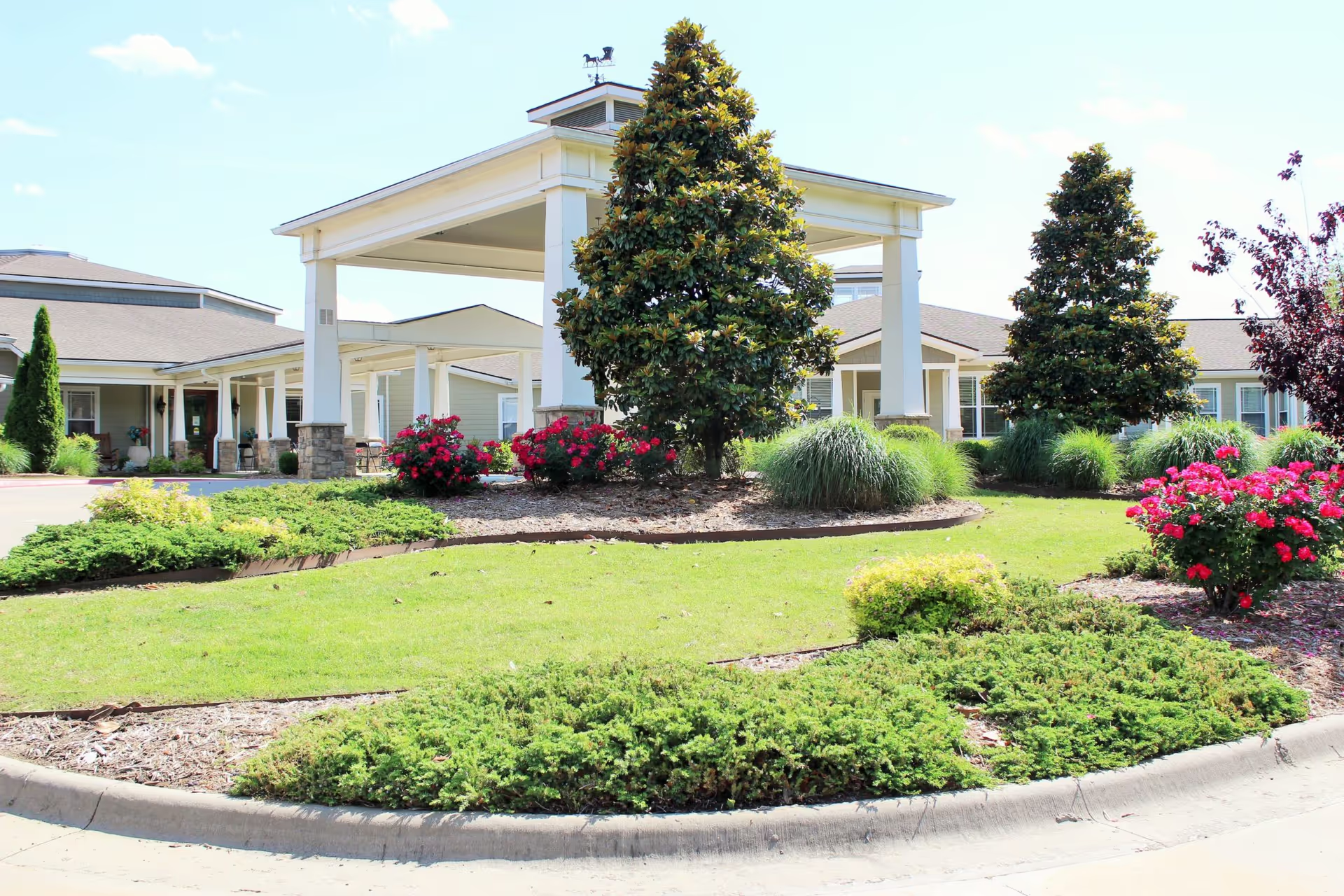
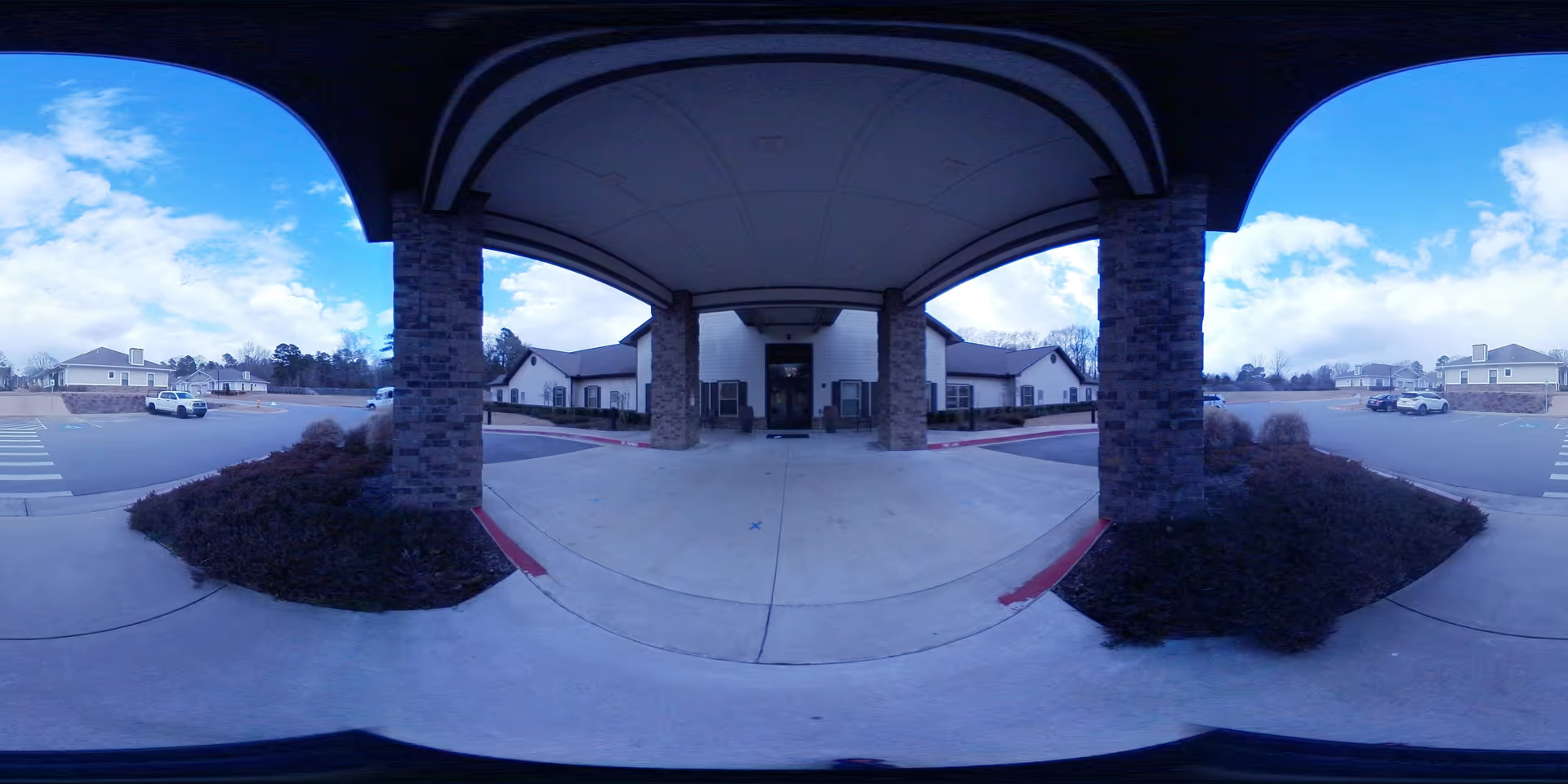
Willow Grove of Sherwood elicits strong, polarized impressions. Many families and residents emphasize consistently positive elements: a warm, home-like environment; a clean, recently refreshed building with bright common areas and a well-kept courtyard; and staff who are described as compassionate, familiar with residents by name, and supportive during move-in and transitions. Staffing praise spans leadership, nursing, CNAs, dining and maintenance teams, and reviewers frequently cite coordinated communication about medical needs and hands-on support for hospice and end-of-life services.
Care quality is generally characterized by attentive, respectful caregiving and active clinical coordination, but reviewers also describe variability. Positive accounts highlight prompt assistance with showers, medication coordination, and regular nurse check-ins. Counterbalancing accounts raise concerns about clinical responsiveness in isolated cases and delays in attending to acute changes in condition. These mixed accounts suggest that clinical performance may be reliable overall but with occasional lapses; prospective families should ask about current clinical staffing levels and escalation procedures during a tour.
Dining and food service are a clear area of divided experience. Numerous comments praise balanced cafeteria-style offerings, chef specials, grilled items, and accommodating dining staff. At the same time, there are repeated concerns about inconsistent meal quality, portion sizes, substitutions that are slow or poorly communicated, and intermittent refusals or menu management issues. This pattern indicates that food-service reliability and communication can fluctuate and that dietary expectations should be clarified before move-in.
The activity program is frequently cited as a strength. Regular social programming — including worship services, bingo, games, concerts, library resources, outings and seasonal events — appears to create an engaged social milieu and contributes to residents’ sense of community. However, a subset of comments indicates gaps between advertised activities and what is available at times, and some families would like greater transparency in scheduling and program delivery.
Facility amenities and living spaces are often described positively: updated flooring, fresh paint, bright communal spaces, and a variety of apartment types including kitchenette options. Reviewers note variability in private-room size and in-room amenities (lighting, small refrigerators, microwaves), and a few raise safety concerns tied to room layout or low lighting. Maintenance responsiveness is generally noted as good, but room selection merits careful on-site review to ensure it matches a family's functional and safety needs.
Management and administration receive mixed feedback. Several families commend leadership for welcoming admissions, move-in assistance, and operational responsiveness. Contrastingly, other accounts describe dissatisfaction with complaint handling, the removal of feedback channels, avoidance of community meetings, and billing or administrative inconsistencies (including disputes about charges and provision of supplies). These items point to opportunities for stronger, more transparent communication and more robust grievance-resolution processes.
Cost is another recurring theme: some families describe the community as expensive and note financial strain to retain placements. Taken together, the pattern of reviews suggests Willow Grove will appeal to families prioritizing compassionate staff, an active social program, and a clean, home-like environment. Prospective residents should tour multiple room types, ask specific questions about dining policies and clinical staffing, request documentation on complaint resolution and billing practices, and confirm how the community manages meal substitutions and clinical escalations to evaluate fit and risk tolerance.