Reviewers present a mixed but largely detailed picture of StoneBridge Senior Living - Conway. Positive comments emphasize a caring, attentive staff and competent clinical oversight: families compliment medication management, cleaning routines, and hands-on assistance. Multiple reviews describe the staff and administration as engaged and approachable, citing thoughtful caregiving and strong day-to-day attention for residents. At the same time, several reviews raise concerns about variability in clinical reliability and responsiveness, indicating that quality can differ across shifts and that communication with families is not always consistent.
Dining and activities receive frequent praise. The dining program is commonly described as high quality and well liked by residents. The community offers a broad activities calendar that includes music, bingo, church services, games, and sensory/tactile stations; reviewers also noted numerous specialized communal spaces such as a dining room with a grand piano, a movie area, aquarium features, and reading/writing areas. These amenities support a vibrant resident community and multiple engagement options, particularly for socialization and leisure.
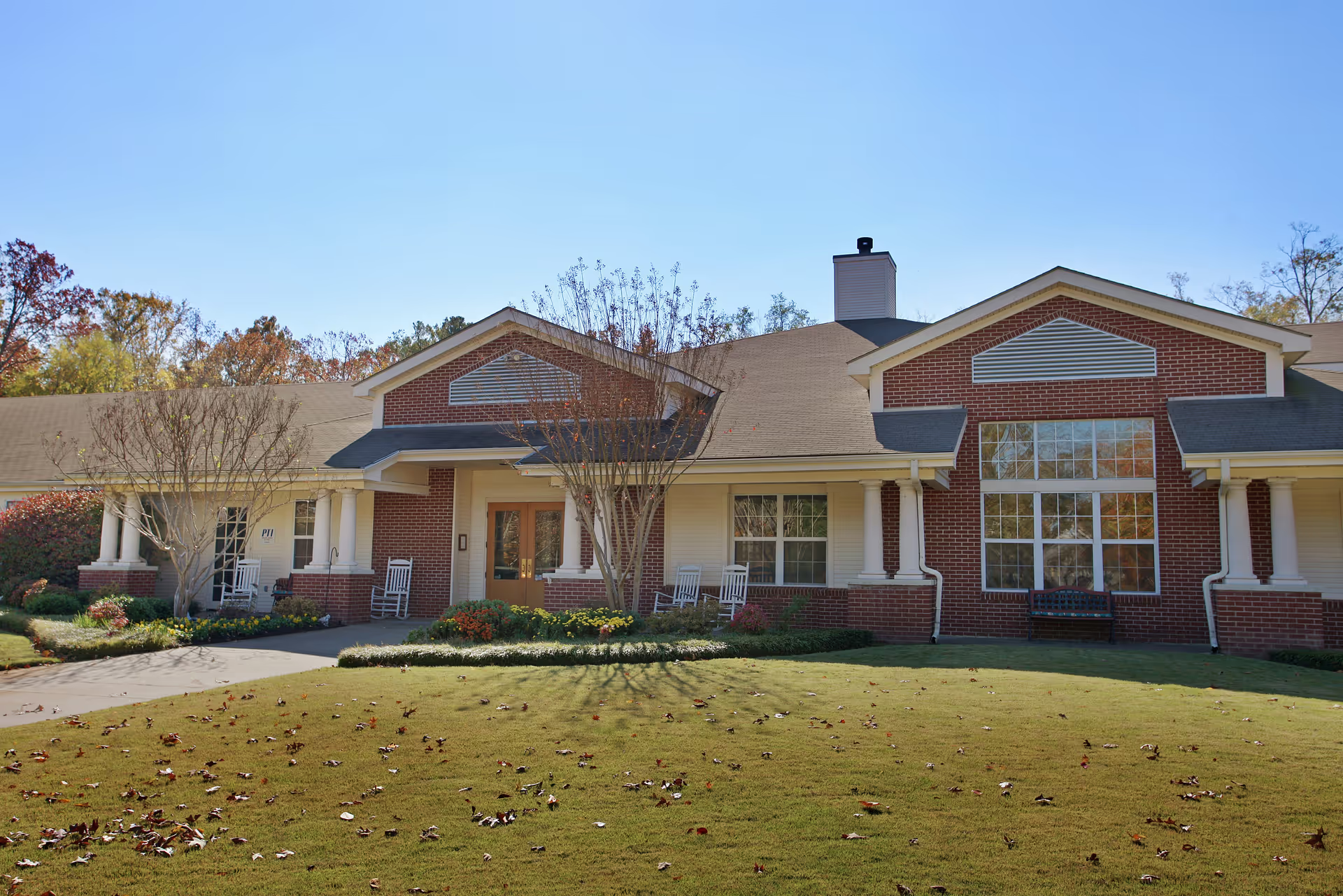
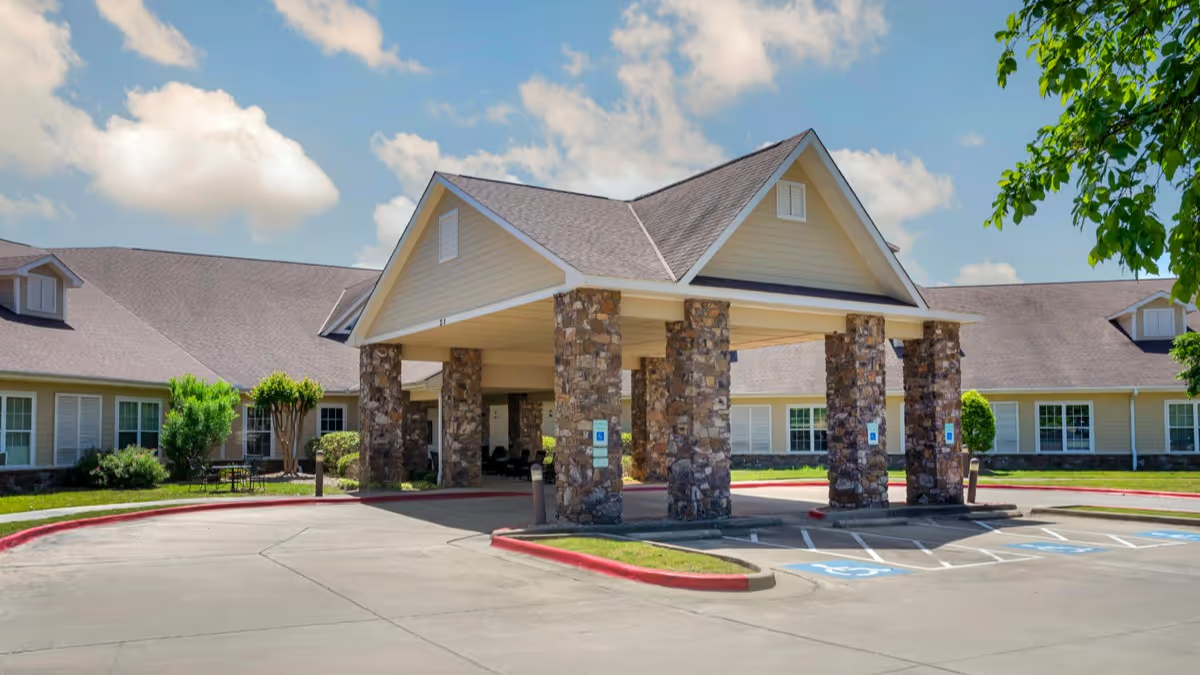
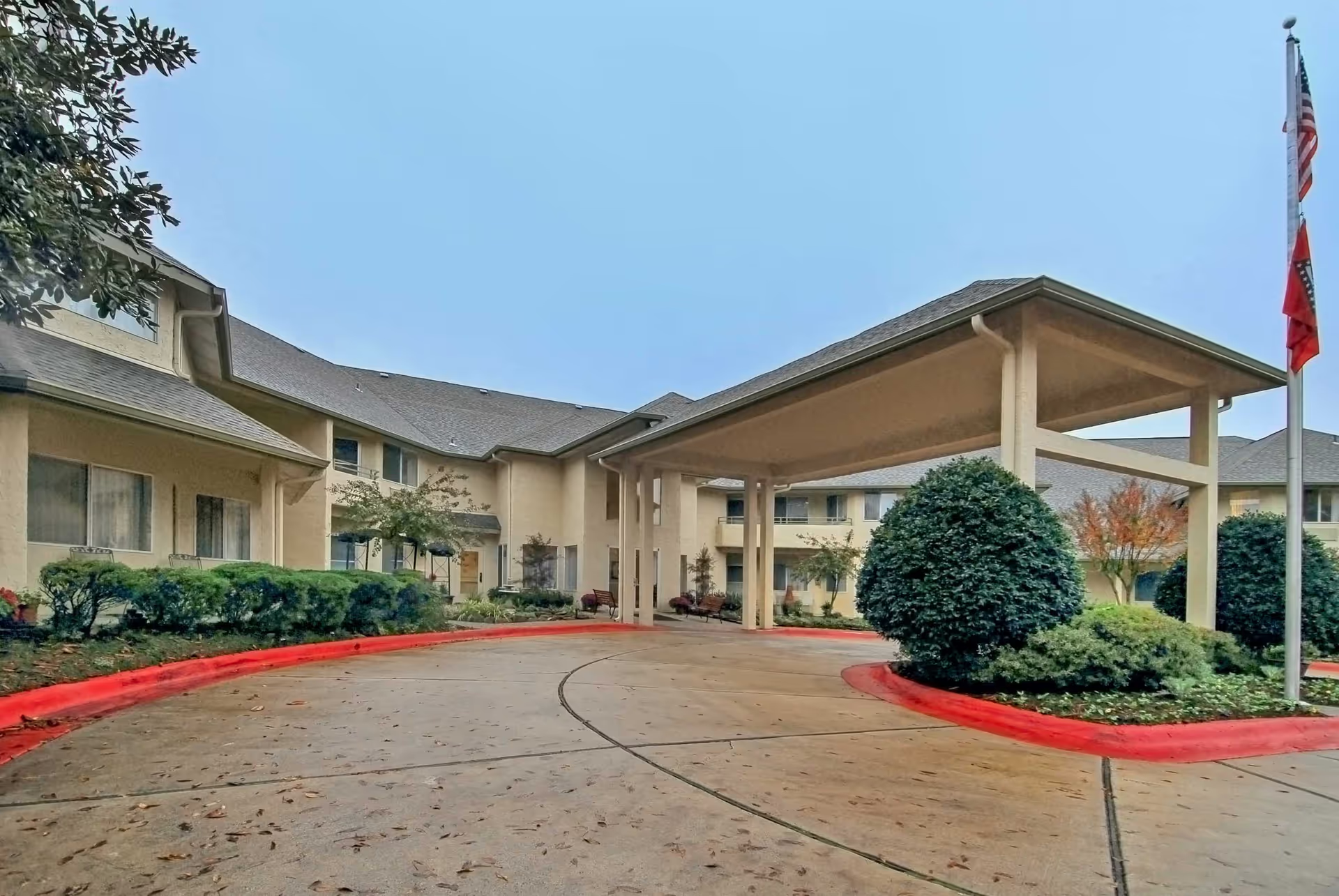
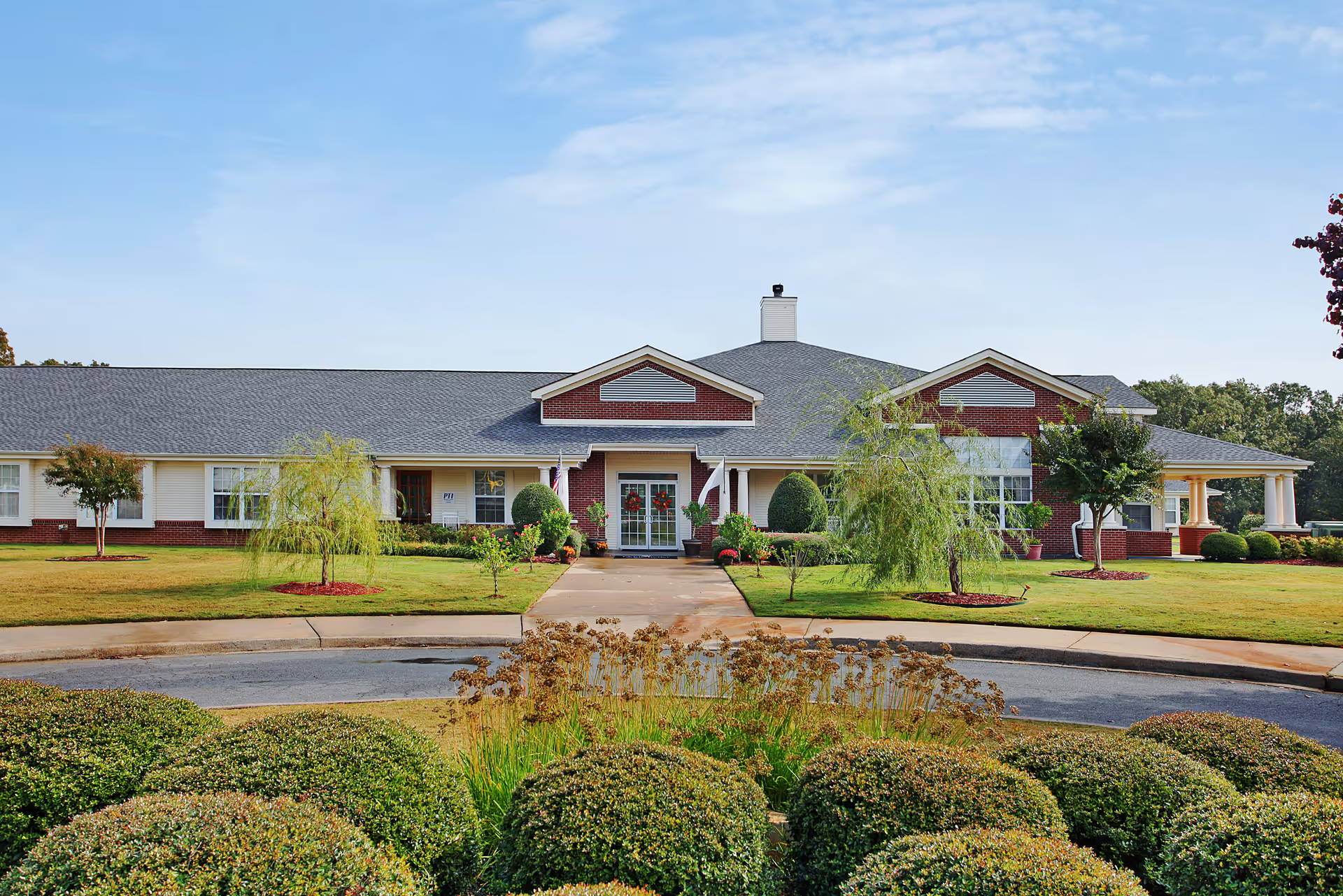
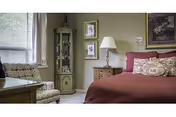
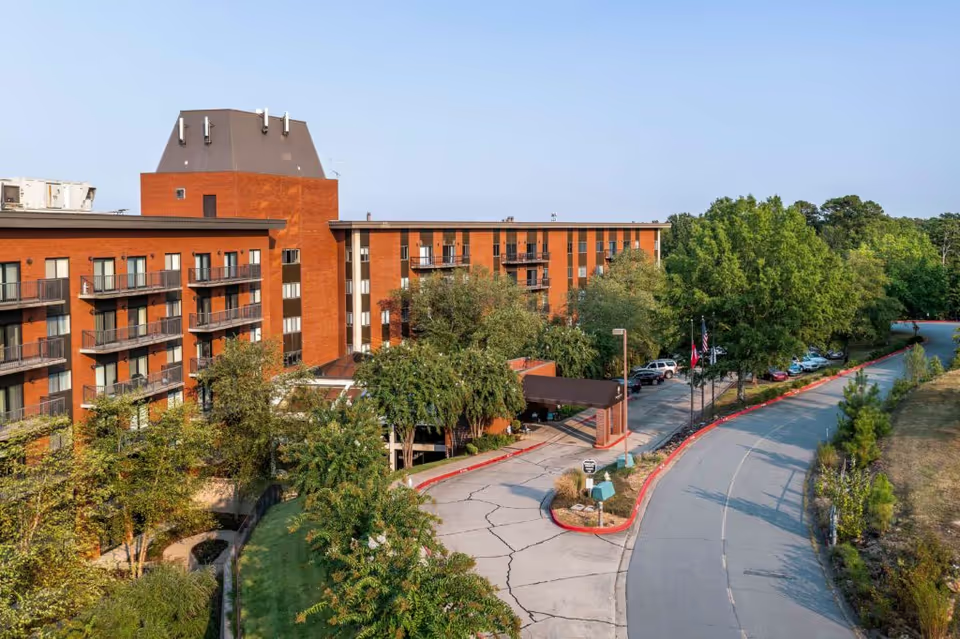
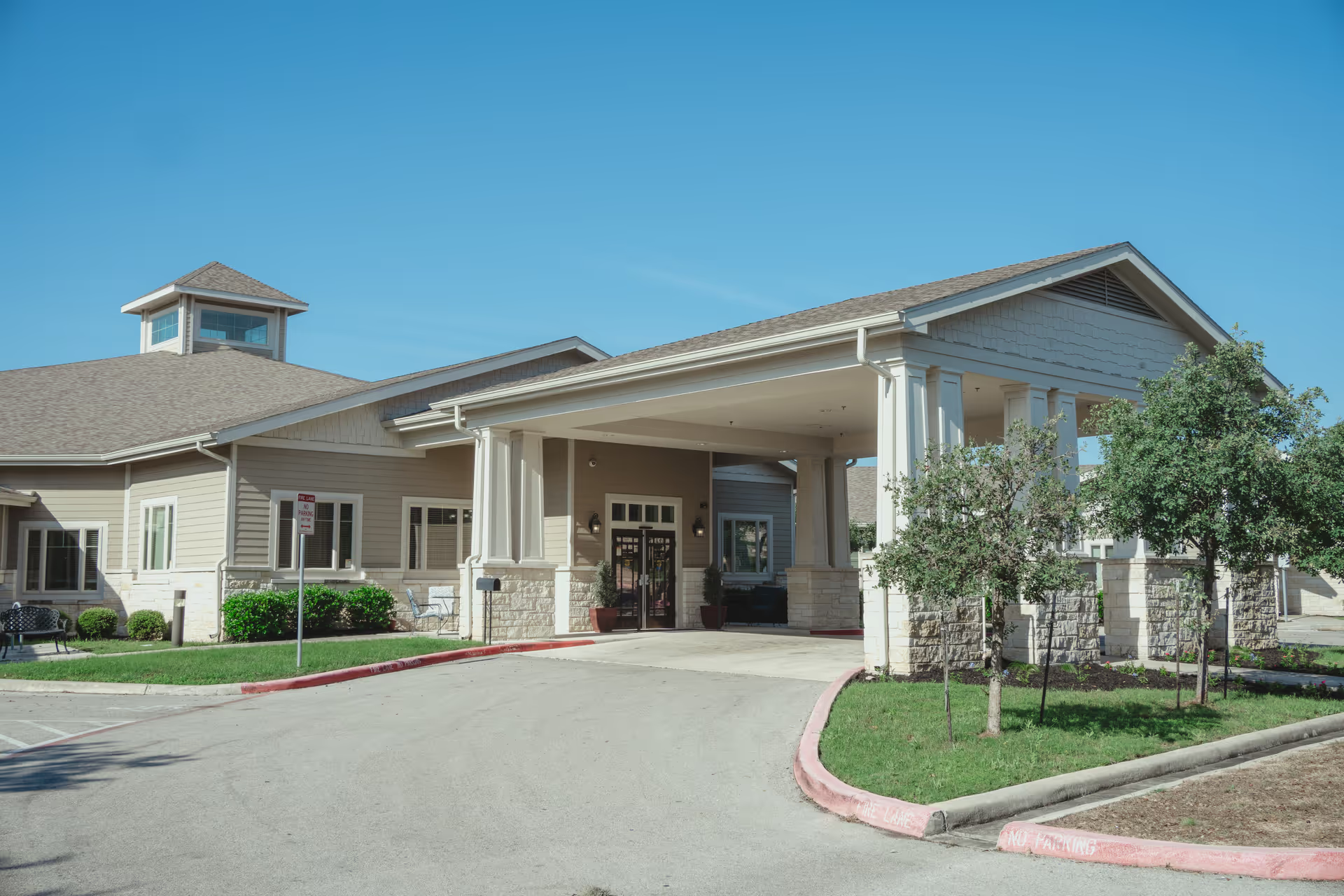
The physical environment and care settings are generally seen as strengths. The facility is described as clean, modern, and well maintained, with a range of apartment layouts (one- and two-bedroom) and secure private rooms and bathrooms. An on-site physician presence is a noted advantage for families seeking close clinical oversight. The memory-care unit is arranged with activity stations in an open layout, which some families find stimulating; however, others perceive that unit as having a more clinical or sterile atmosphere than they expected for a homelike memory-care setting.
Management and operational patterns show mixed feedback. Several families reported difficulties scheduling tours or receiving timely phone responses, and a few reviewers described specific concerns about emergency-response protocols and nursing conduct; these indicate potential gaps in consistency of practice and family communication. The facility is not Medicaid-certified, which is an important structural limitation for prospective residents relying on that funding source. Prospective residents and families would be advised to tour the community in person, observe multiple staff–resident interactions across different times of day, ask detailed questions about shift staffing patterns, emergency-response procedures, billing practices, and memory-care routines, and request references from current families to assess consistency before deciding.