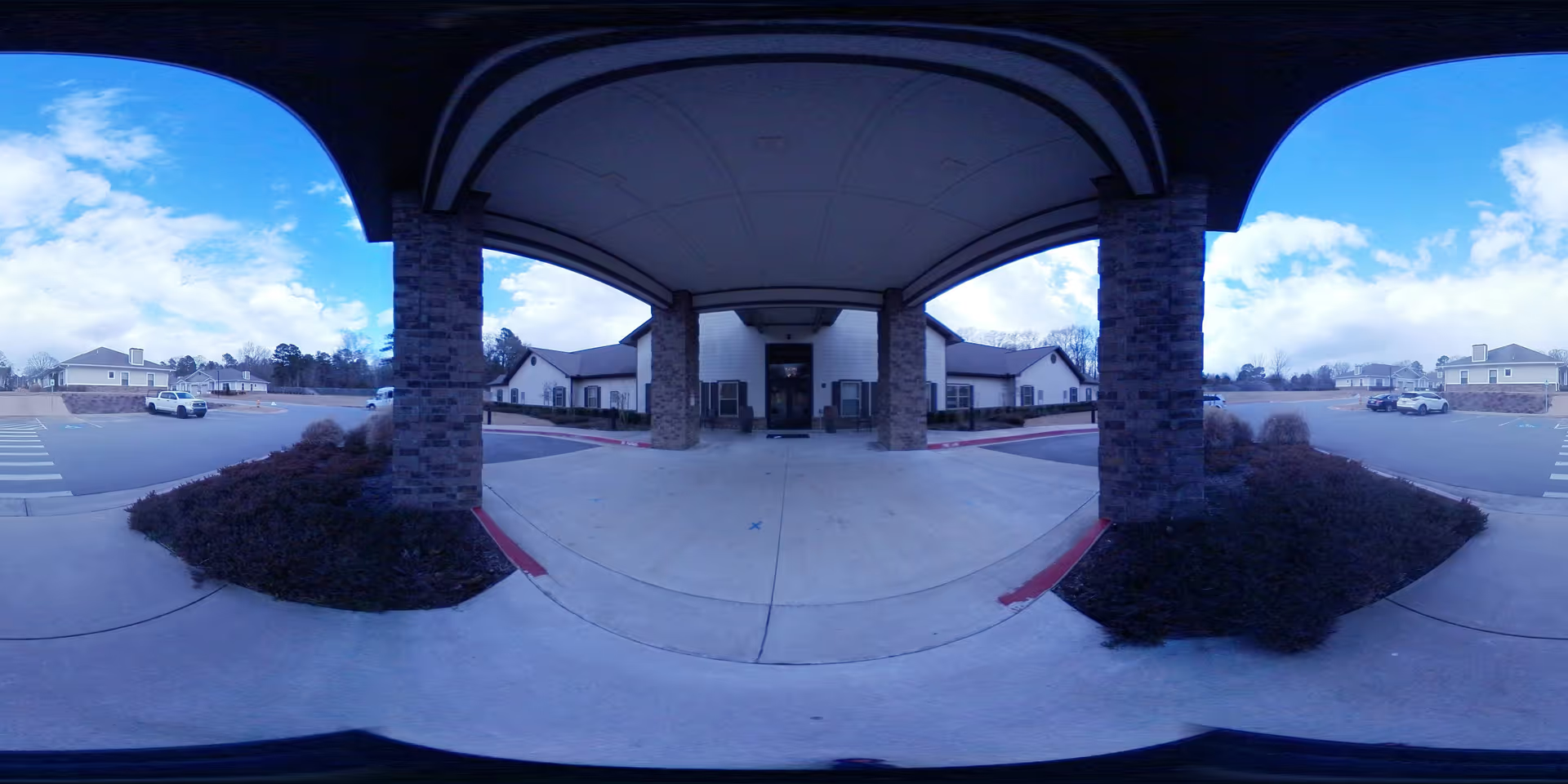
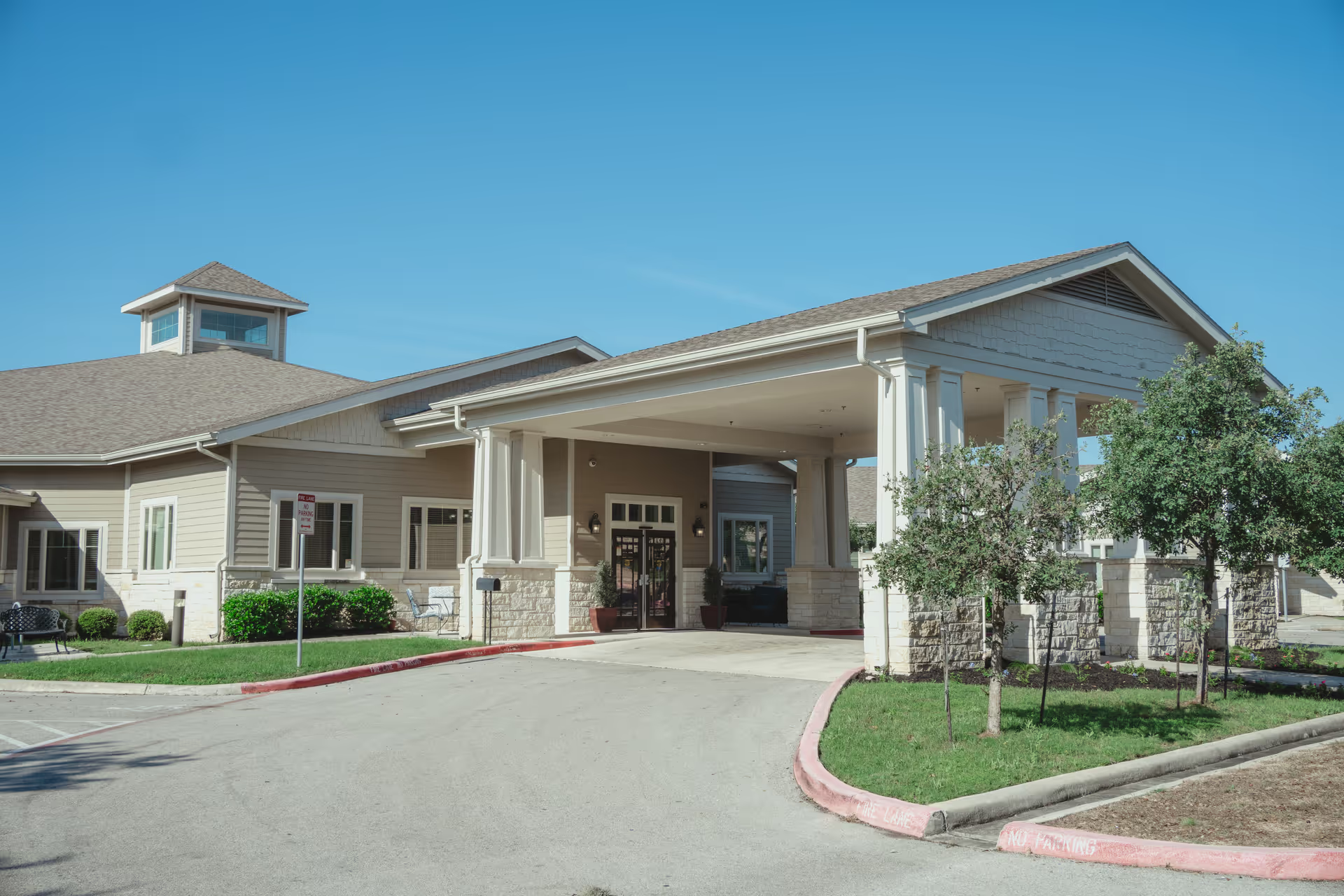
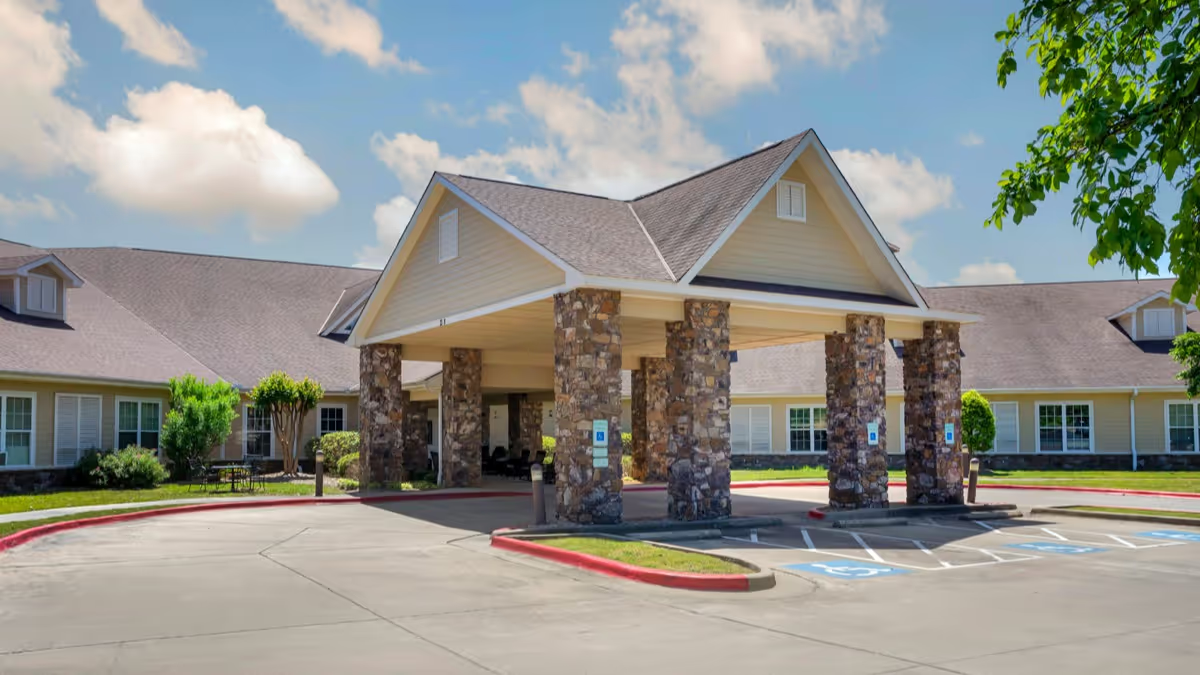
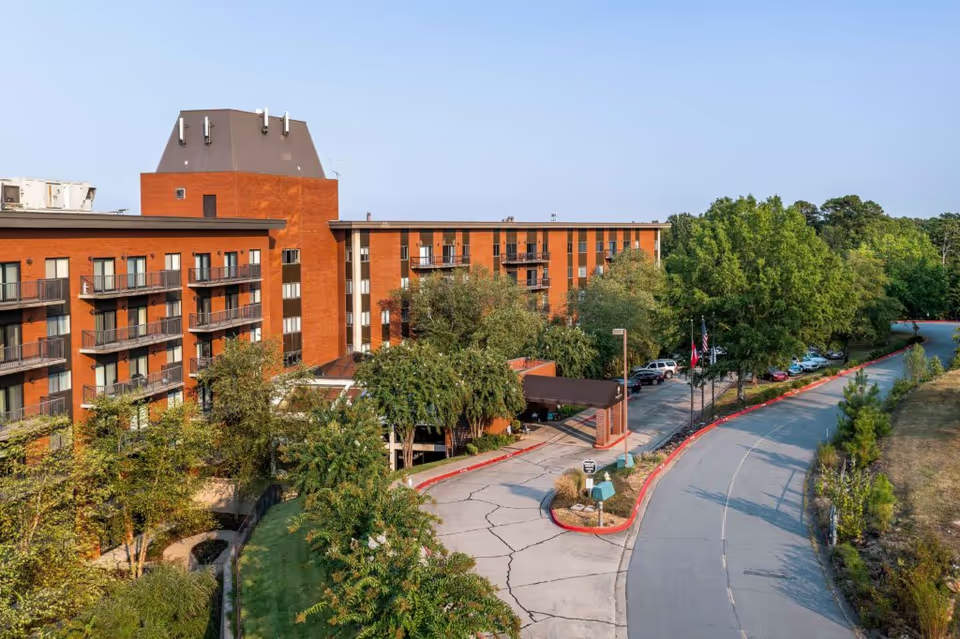
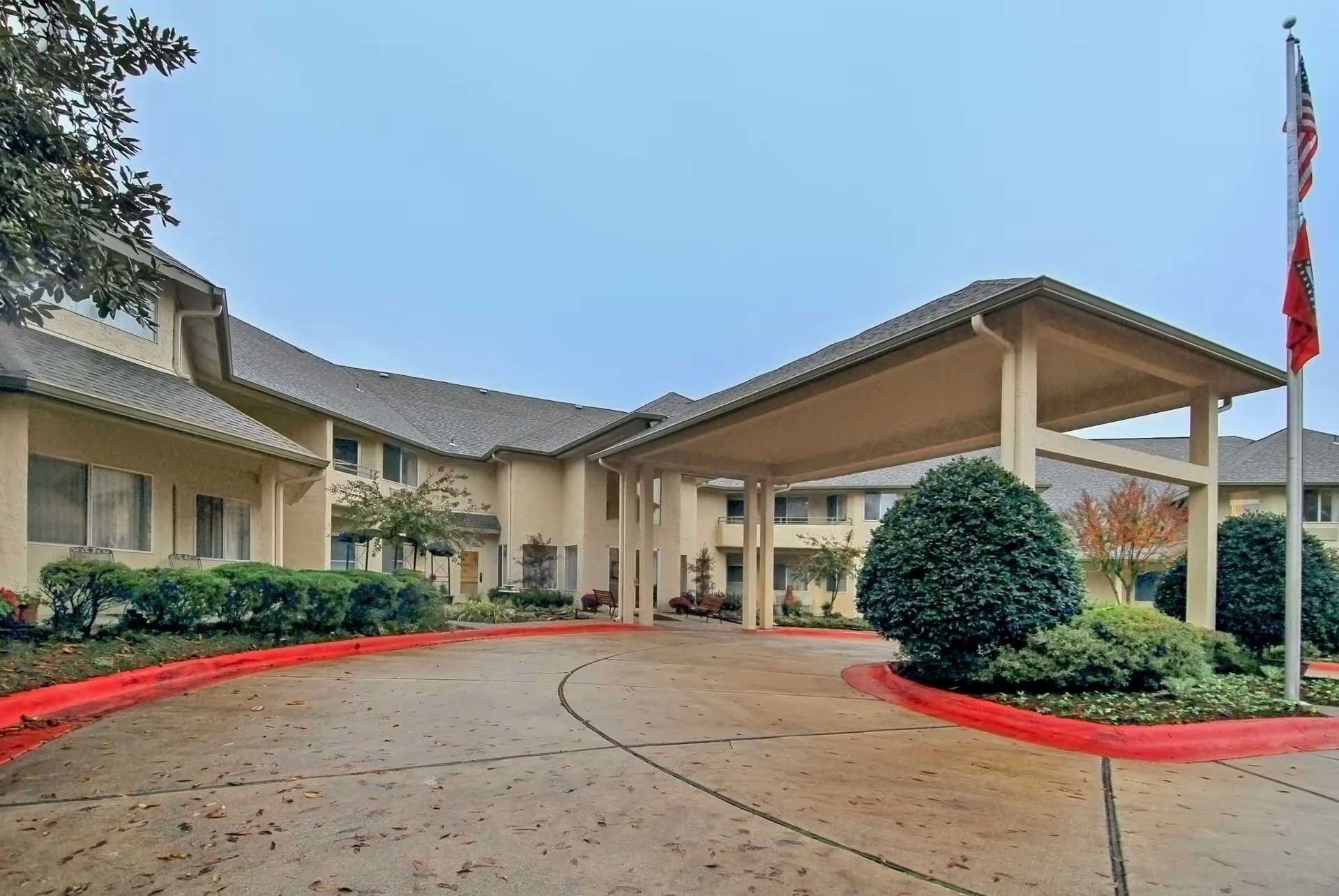
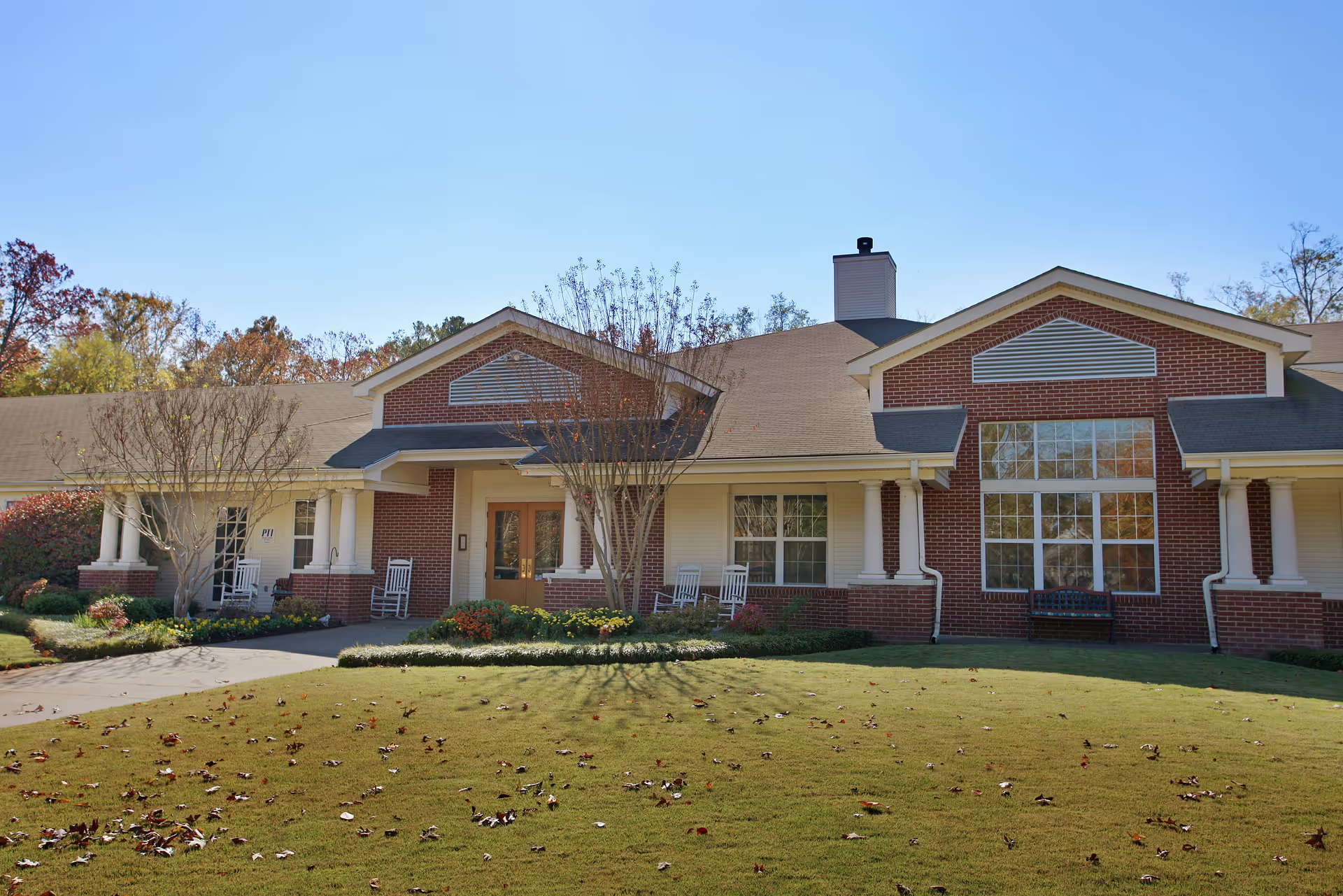
Fox Ridge Bryant presents as a small, value-oriented senior living community with a mix of independent and assisted-style living options, including private garden homes and larger two-bedroom units. Many reviewers praised the campus appearance, naming clean, well-maintained common spaces, comfortable activity areas, and a range of on-site amenities such as a pool, exercise room, movie theater, game room, salon, and laundry. The dining program is commonly described as chef-driven with three meals daily and a sizable dining area; recreation offerings and regular outings (shopping trips, entertainment, church services, exercise classes, and bingo) are frequent positives that contribute to resident engagement. The facility’s month-to-month lease structure and relatively low entrance cost are noted as financial advantages, and the community’s pet-friendly policy and transportation services add practical convenience for residents and families.
Care and staffing impressions are mixed and present the clearest pattern of variability. Numerous accounts describe individual staff members as attentive, caring, and receptive — with some families reporting strong communication from administrators and helpful CNAs. At the same time, a recurring theme is inconsistent staffing levels and turnover, which reviewers link to slow call-button response times, variable nurse availability, and uneven day-to-day supervision. Communication gaps were reported both between staff shifts and between clinical staff and families; specific operational consequences cited include medication-notification lapses and ongoing pharmacy-integration issues. There are also reviewer concerns about wound-care and pressure-injury management that suggest gaps in clinical oversight for higher-acuity needs.
Operational and safety themes include mixed impressions of housekeeping and sanitation: while common areas are often described as clean and well maintained, reviewers also describe inconsistent room housekeeping and occasional sanitation concerns in resident rooms. Meal-service quality and timing were similarly inconsistent across reports — some reviewers praised the food and chef, while others noted cold or dry meals or delayed delivery. Safety and security impressions are mixed as well: some families felt the facility was secure and staff conducted regular checks, while others cited lapses in fall-risk oversight, unlocked areas, or uneven security practices. Practical contract details include utilities being billed separately (electricity not included), which reviewers pointed out in the context of comparable rents at other local providers.
Management and culture appear to vary over time. Several accounts highlight an engaged administrator and staff members who go beyond expectations, and the facility’s COVID response was described positively by some families. Conversely, other reviews describe inconsistent hiring and training practices that affect staff professionalism and resident experience. For prospective residents and families, the pattern suggests that the facility offers strong amenities, social programming, and value but may require careful inquiry about current staffing levels, clinical oversight (including wound care and medication communication), housekeeping schedules, meal-service processes, and security practices. A focused tour that meets nursing/administrative leaders and reviews recent staffing and clinical protocols would help clarify how the facility’s strengths are being sustained and where operational risks remain.