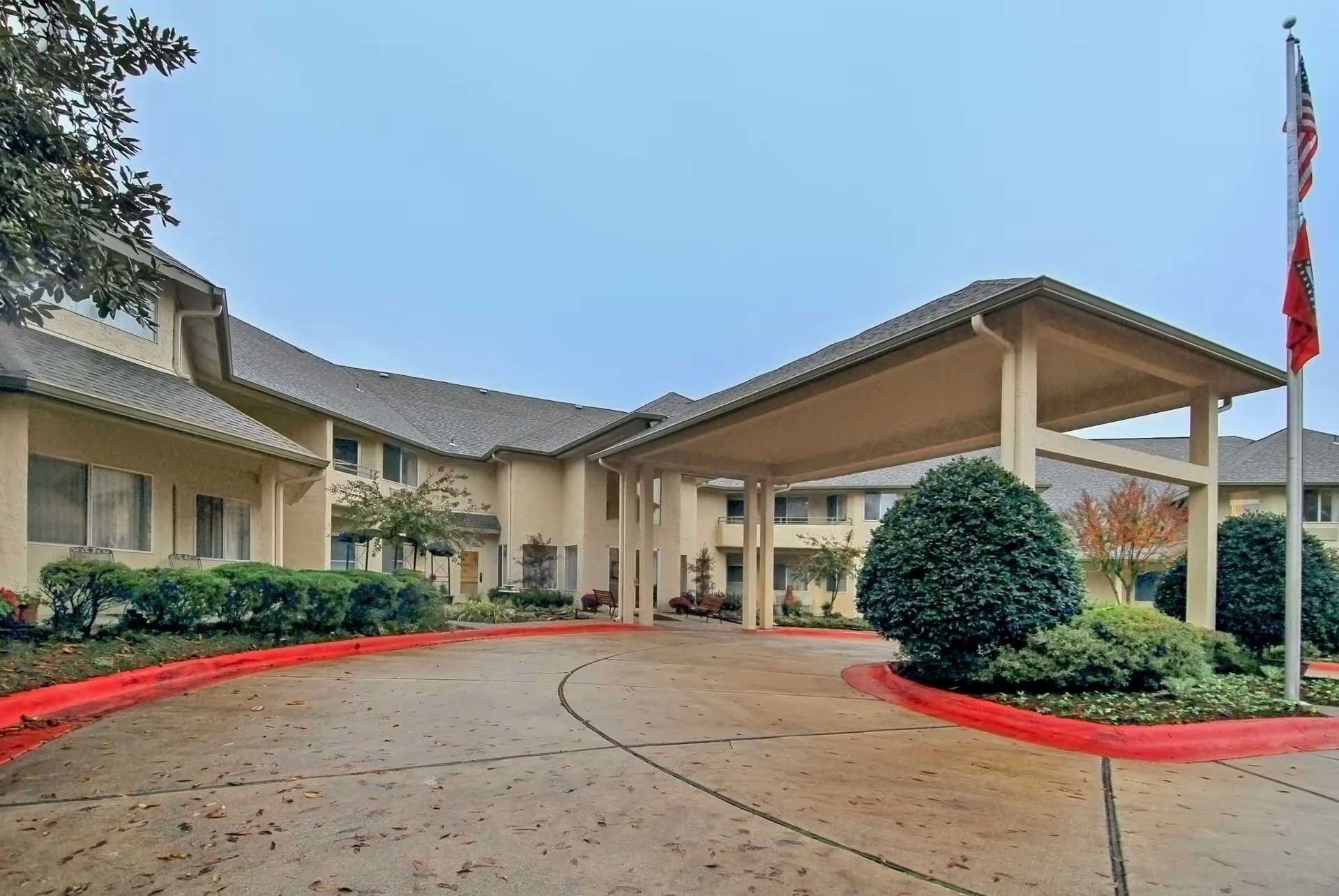
Reviews of Southern Trace Rehabilitation and Care Center present a polarized picture: many families and clinicians describe a strong rehabilitation program, devoted caregivers, and a warm, family-like environment, while other accounts identify operational inconsistencies that can affect resident safety and comfort. The facility receives frequent praise for its therapy team, on-site rehab outcomes, and several individual staff members whose responsiveness and clinical skill are singled out. Residents and visitors often note an active calendar of activities, transportation for appointments and outings, attractive outdoor spaces, and an engaged social environment that supports family involvement.
Care-quality observations show two distinct themes. On one hand, rehabilitation services and coordinated therapy interventions are consistently highlighted as a strength; several reviewers attribute meaningful functional gains and successful transitions back home to the therapy team. On the other hand, there are recurring concerns about clinical operations: delays in medication and pain-management administration, lapses in routine care practices, and intermittent failures in documentation or vital-sign monitoring. Linked to these operational gaps are fall-safety and transfer-safety issues noted by families, and occasional equipment or clinical-supply reliability problems that can interfere with treatment delivery.
Staffing and interpersonal dynamics are likewise mixed. Many reviewers praise compassionate CNAs, experienced nursing staff, and administrators who engage with families and follow up on issues. The facility also benefits from long-tenured staff in some units and a positive workplace culture reported by employees. Counterbalancing this are reports of inconsistent staffing levels, nurse turnover, and instances where communication tone and responsiveness were considered poor. These interpersonal/communication deficits sometimes manifest as defensive responses to family concerns, difficulty reaching staff by phone, or uneven leadership presence during evenings and weekends.
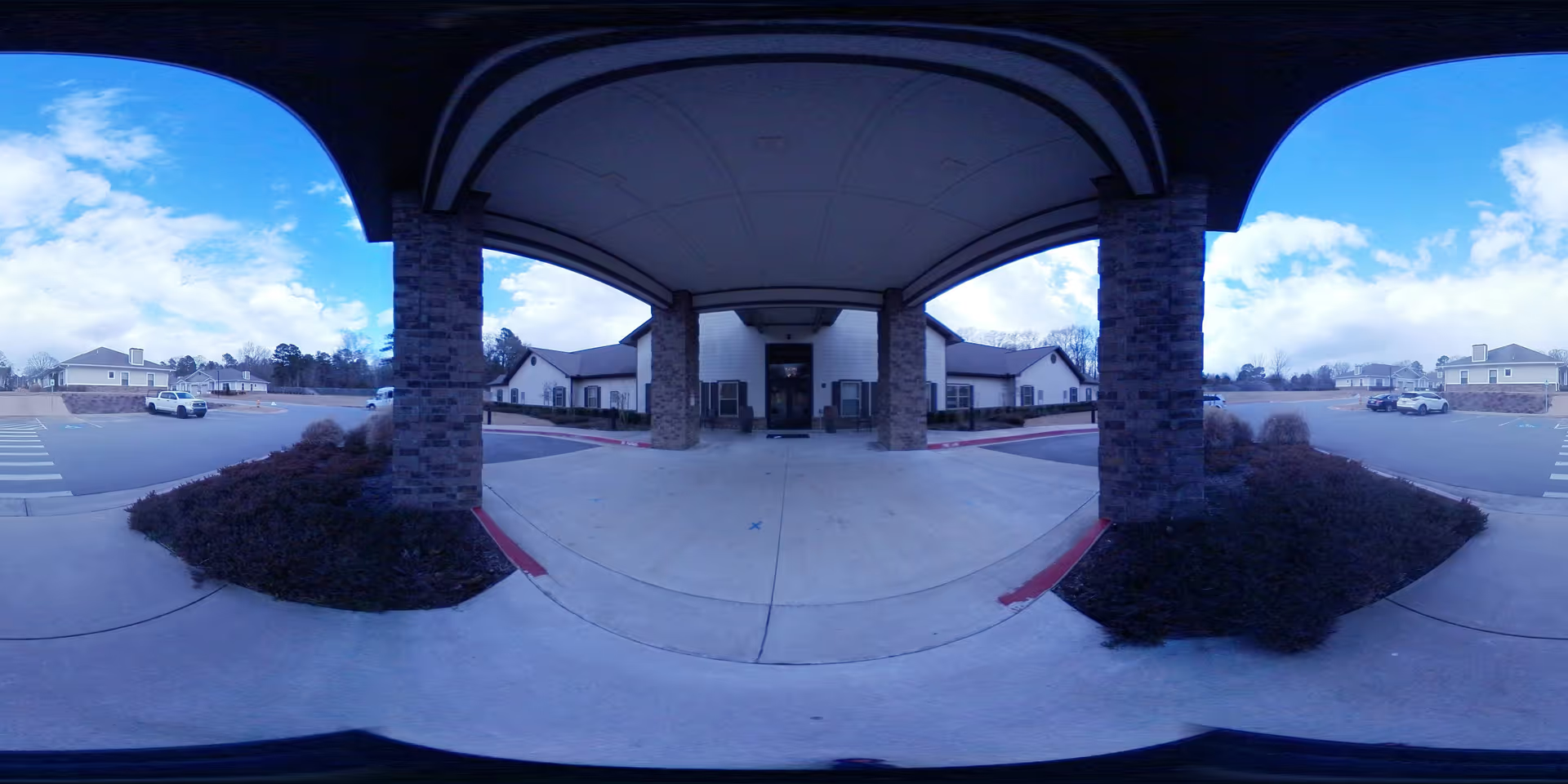
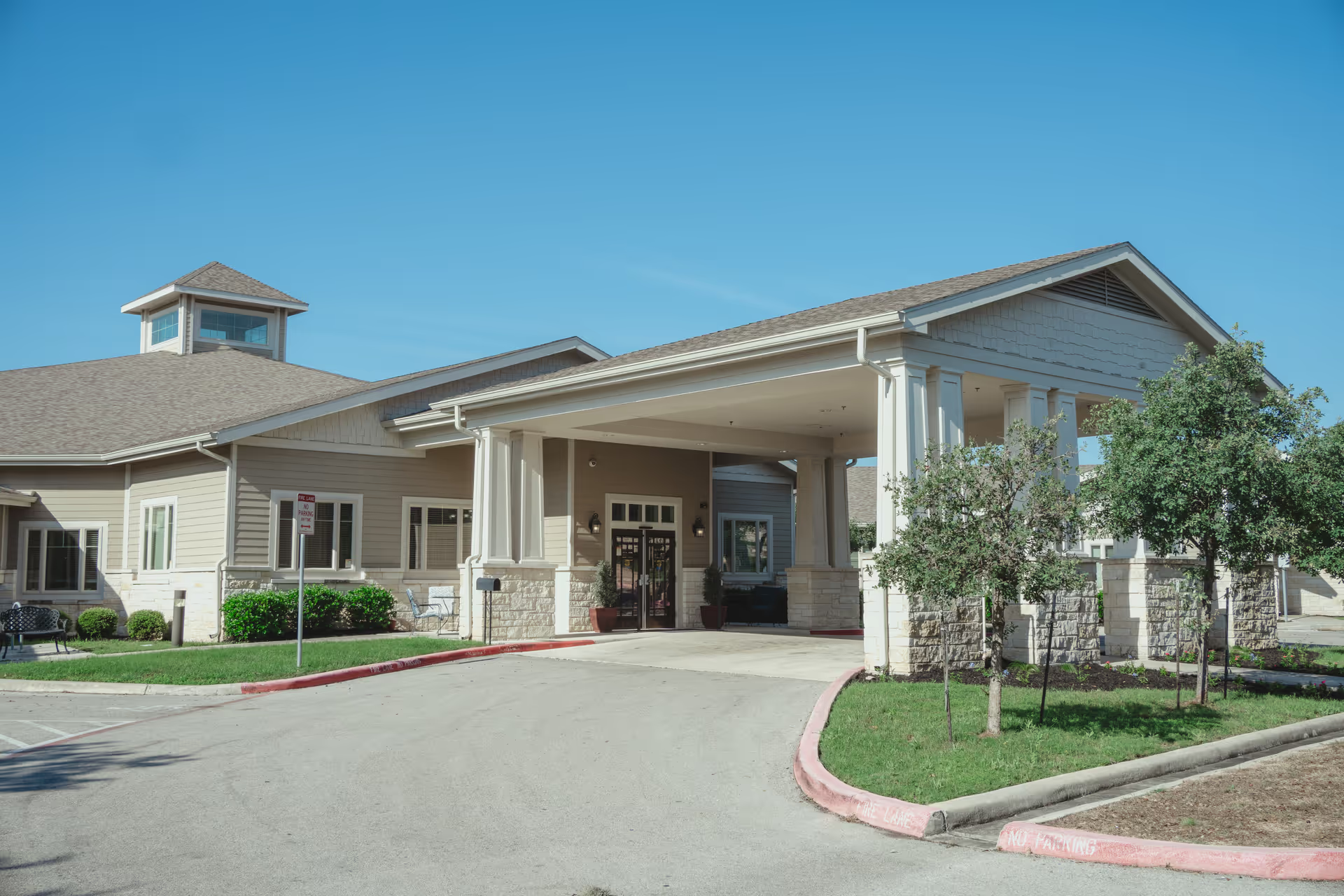
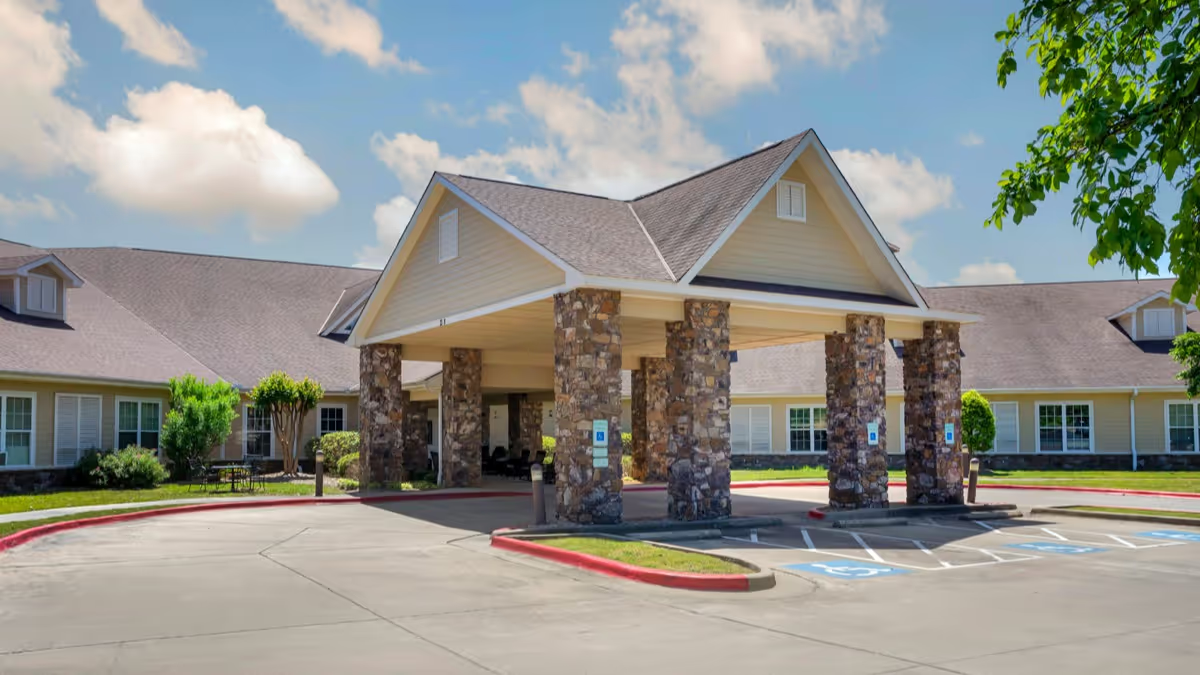
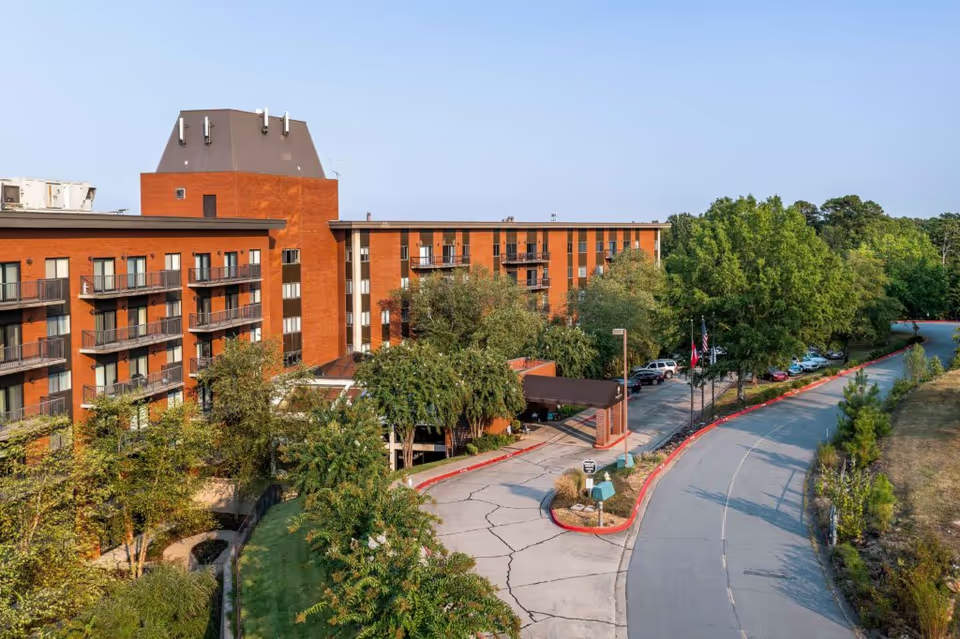
Dining, activities, and facilities show similar variability. Positive comments reference clean and attractive common areas, a pleasant entrance, and well-kept gardens and outdoor access. The activity program, outings, and holiday sign-out options are strengths for social engagement. Conversely, some families report variability in meal temperature, portion sizes, and overall food quality. There are also periodic sanitation and odor concerns in resident rooms and bathrooms that suggest inconsistent housekeeping or incontinence-care practices in certain shifts or areas.
Management performance appears uneven across shifts and leadership roles. Several administrators are noted for proactive family engagement and effective problem resolution, while others are described as unresponsive or inconsistent in follow-through; weekend and off-hours leadership coverage is an identified gap. Reviewers indicate an organizational tendency toward defensive communication in some situations, which can hinder collaborative problem-solving.
Overall, Southern Trace offers notable strengths in rehabilitation, therapy-led recovery, and a number of compassionate front-line caregivers and activity programs. Prospective residents and families should weigh these strengths against the documented operational weaknesses: verify medication-management protocols, inquire about staffing ratios and off-hours leadership coverage, review housekeeping and incontinence-care audits, ask about fall-prevention measures and equipment maintenance, and meet directly with the therapy team and current families during a tour. These targeted questions can help determine whether the facility’s strong elements align with an individual’s long-term care needs and expectations.