Overall sentiment in the reviews is mixed, with clear strengths in hospitality, facilities, and activities but notable concerns about communication, staff knowledge, and consistent care follow-through. Multiple reviewers praise the environment and the personable nature of many staff members, while others report gaps that affected clinical oversight and decision-making for residents.
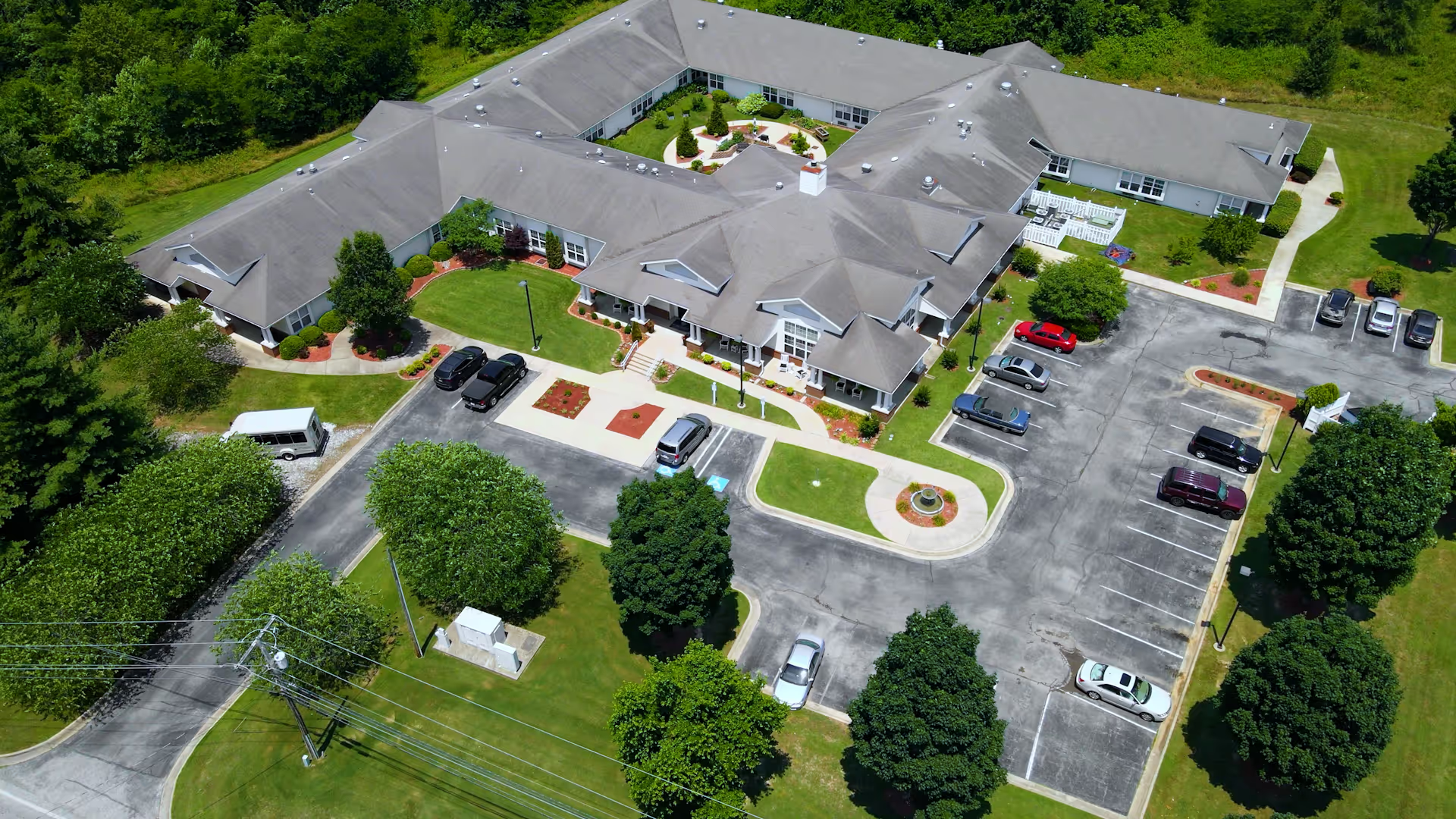
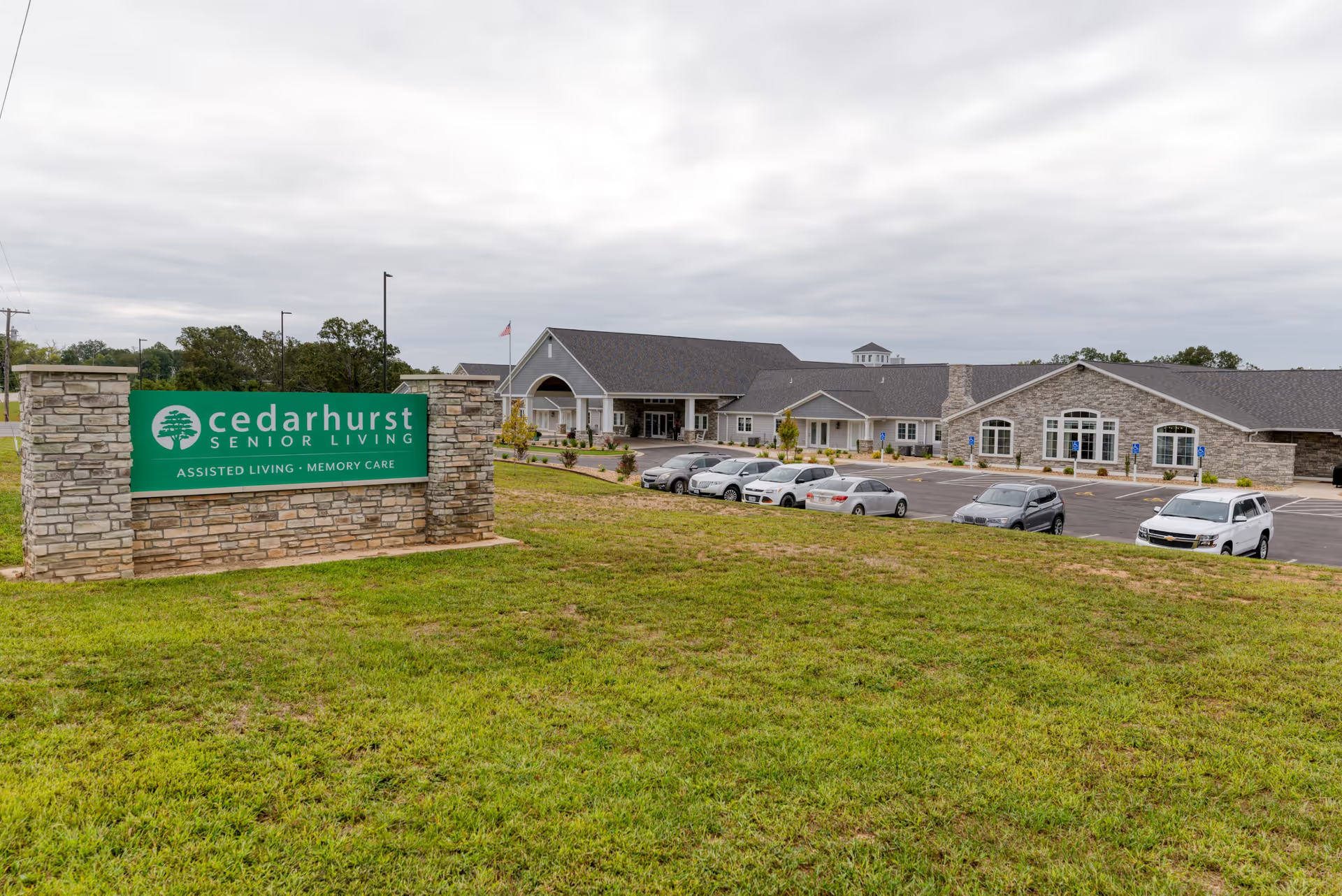
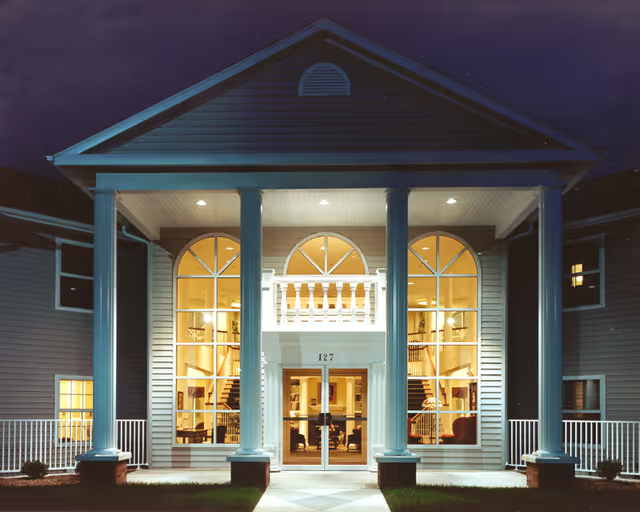
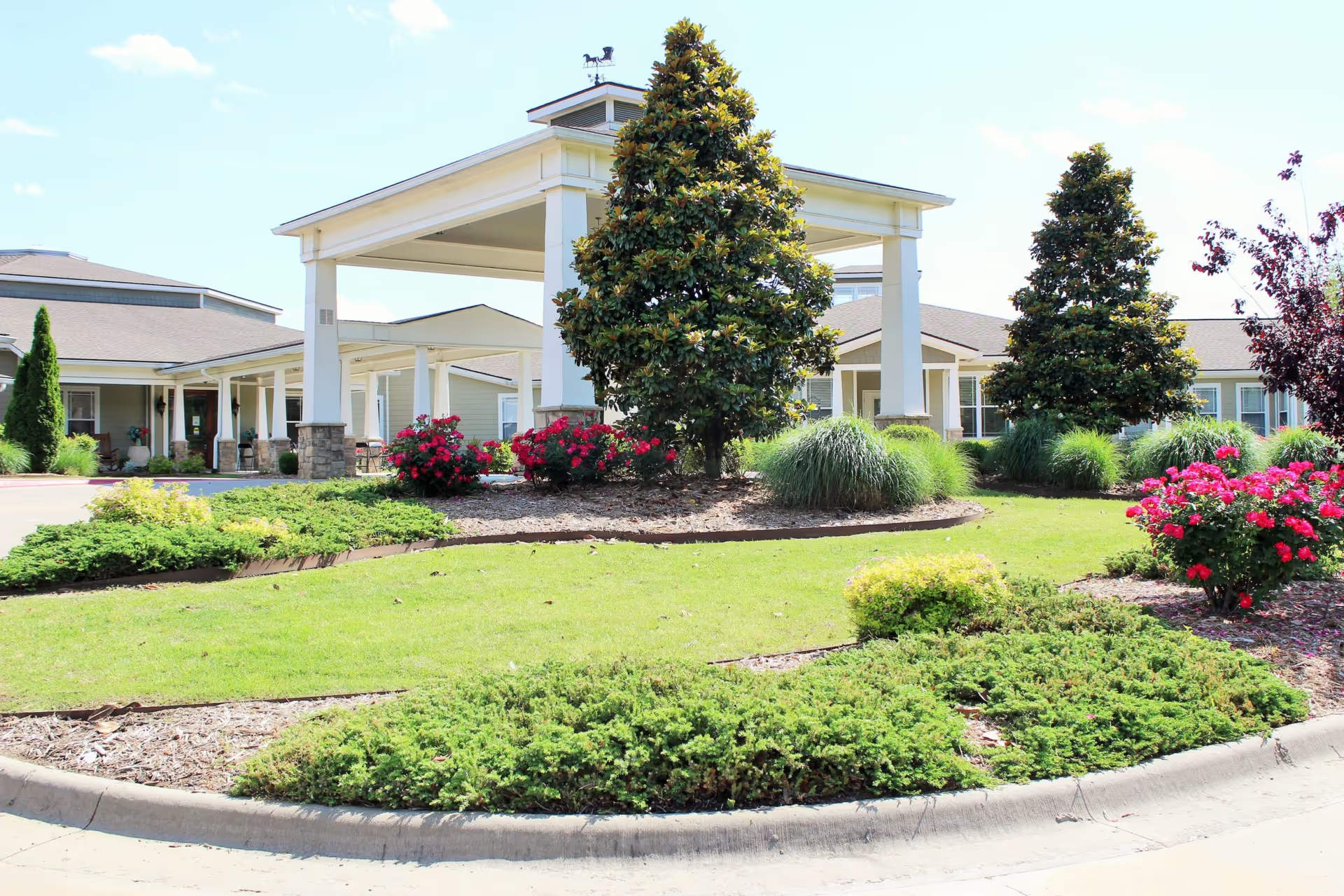
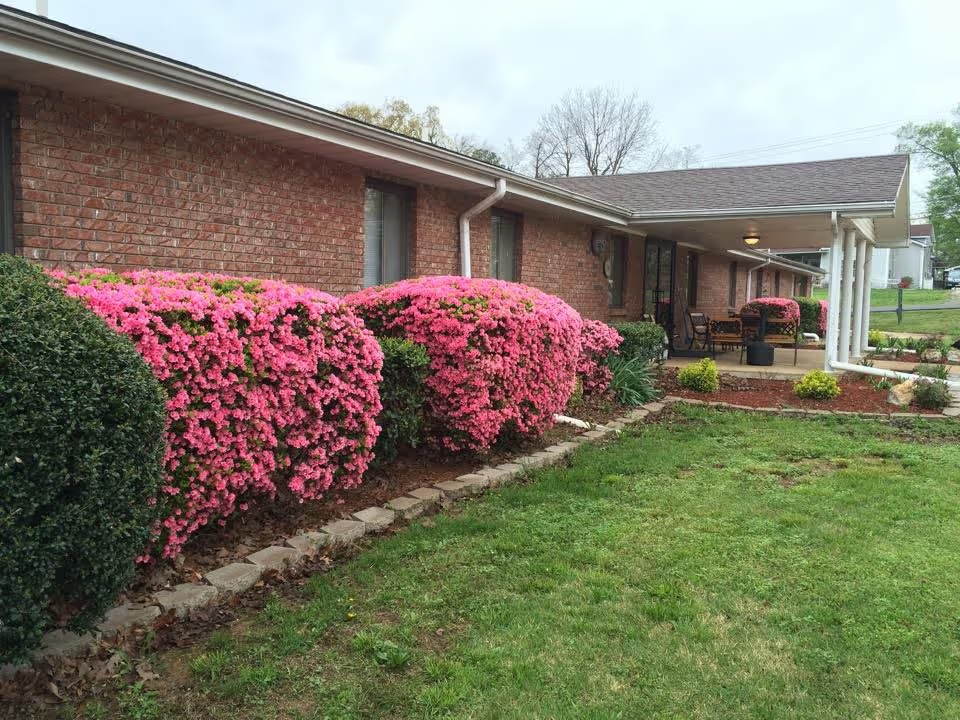
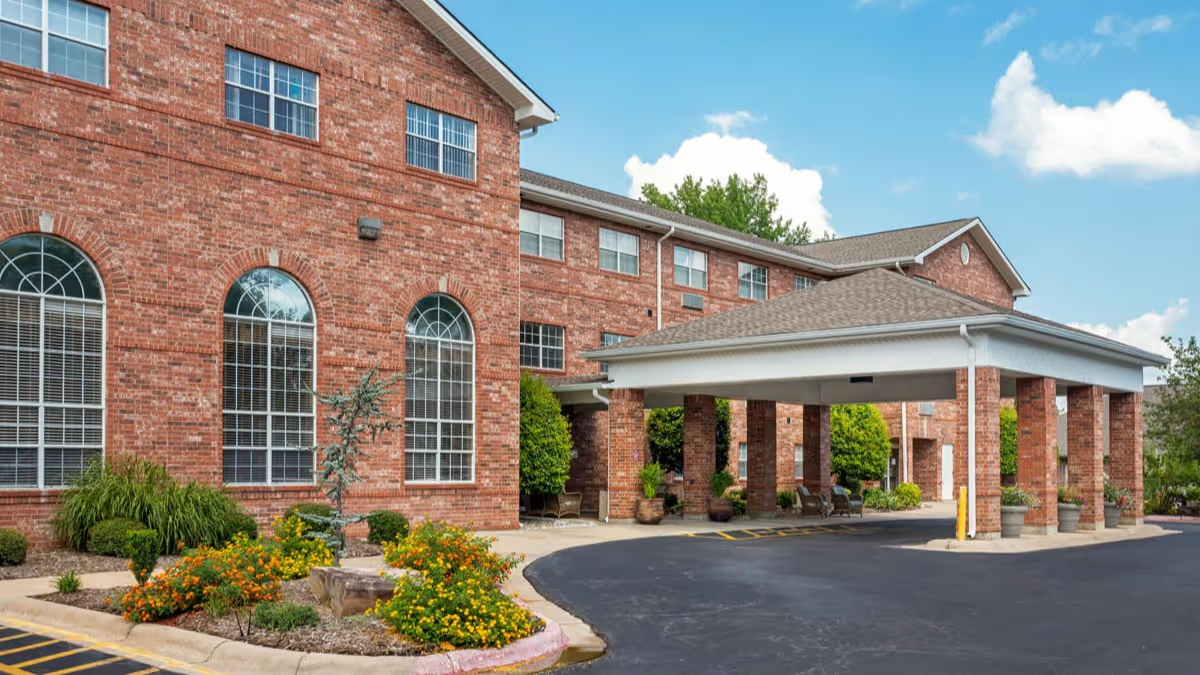
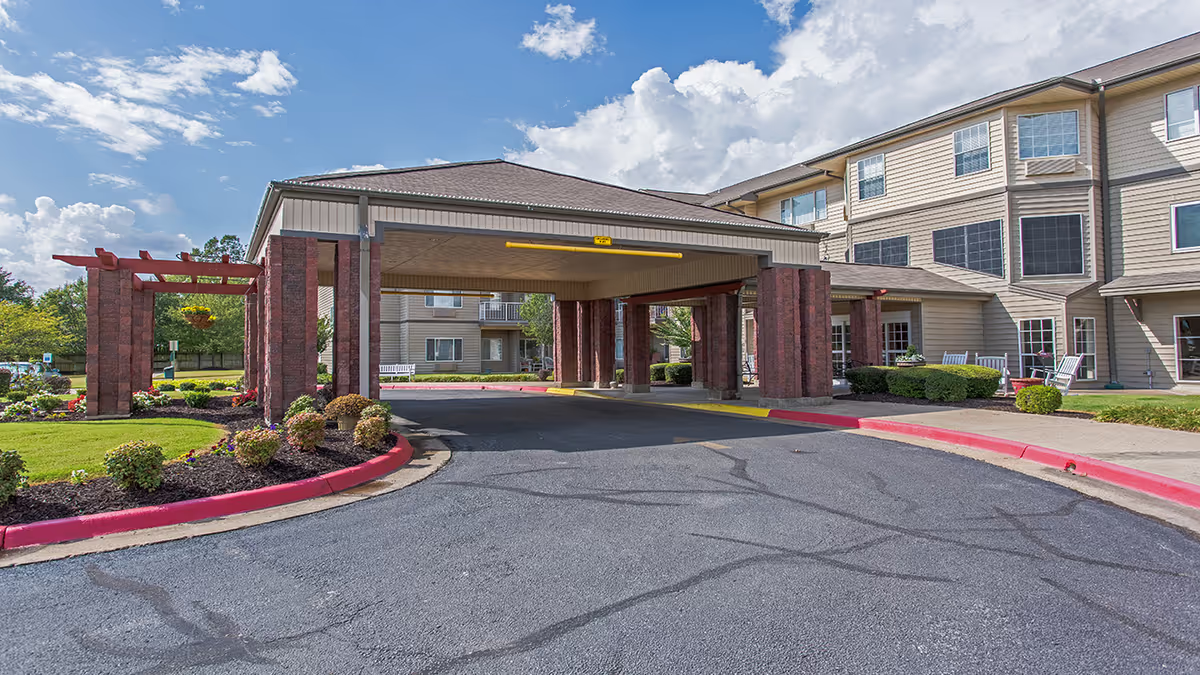
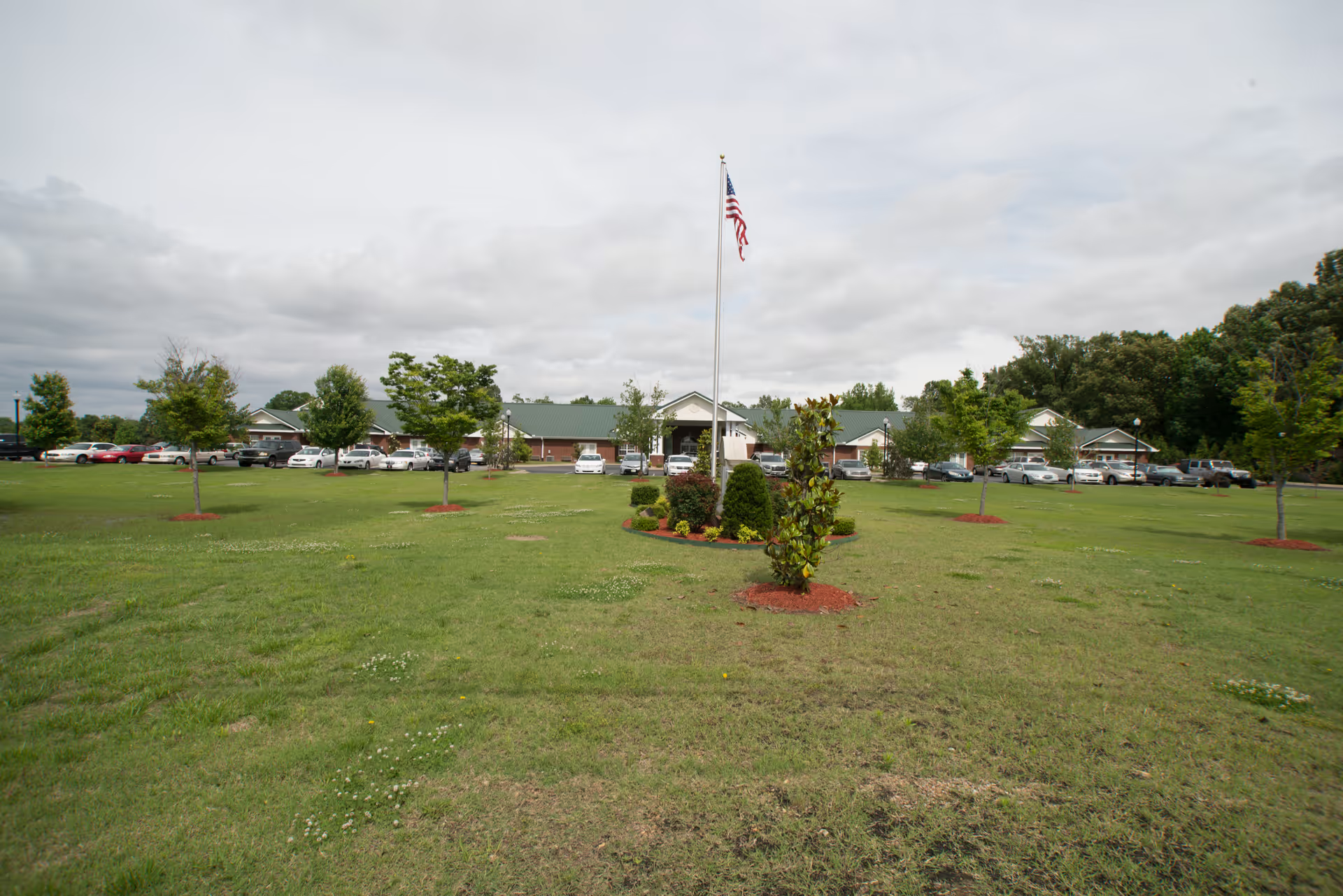
Facilities and atmosphere are repeatedly cited as positives. Reviewers mention a clean environment, a pleasant smell, and a relatively new building. Seasonal touches such as holiday decorations and event refreshments contribute to a welcoming, homelike atmosphere. Specific activities are highlighted (for example, a piano recital) and an activity director is noted, indicating an active events program that engages residents. Escorting residents to rooms during events was observed and appreciated, reinforcing a sense of attention to resident comfort at social functions.
Staffing and interpersonal care receive both praise and criticism. Many comments describe staff as kind, helpful, friendly, and professional — attributes that support positive day-to-day interactions and resident satisfaction. The presence of a visible activity director and staff who make events pleasant are strengths. At the same time, several reviews raise substantive concerns about communication and staff knowledge. Reported issues include being transferred to people who did not have the necessary information, staff who seemed unhelpful or not sufficiently knowledgeable, and a perception from at least one reviewer that placement at the facility was not in the family’s best interest. This contrast suggests inconsistency: while front-line staff can be warm and welcoming, there appear to be breakdowns in information flow and problem resolution.
Care quality and monitoring show a notable pattern of inconsistency. One reviewer specifically reported that a resident was not checked on for four to five hours and that rooms lacked basic orientation aids such as clocks and calendars. These issues point to lapses in routine monitoring and environmental supports that are important for resident safety and orientation, particularly for those with cognitive impairment. Coupled with reports of poor communication and staff knowledge gaps, these examples raise concerns about reliability of care standards in some situations.
Management and ownership provide context but mixed signals. The facility is family-owned and has been in business for fifty years with the same family ownership, which reviewers mention as a sign of stability and continuity. That longstanding ownership may contribute to the facility’s strengths in atmosphere and staff culture. However, the reported administrative communication problems and operational inconsistencies suggest opportunities for leadership to address training, handoffs, and monitoring protocols to ensure that the positive aspects of the environment are matched by consistent clinical and operational performance.
In conclusion, reviews portray White River Health Care as a warm, well-maintained facility with engaging activities and many staff who are personable and professional. These strengths are tempered by recurring concerns about communication, staff knowledge in some interactions, and inconsistencies in resident monitoring and room supports. Prospective residents and families should weigh the strong points around environment, events, and staff friendliness against the reported lapses in communication and oversight. If considering this facility, ask managers for specifics about staffing, communication protocols, frequency of resident checks, and how clinical information is handed off to ensure the level of reliability you expect.