Reviews of Mitchell's Nursing Home Inc. present a mixed picture, with distinct positive observations alongside notable operational concerns. Several family accounts describe successful rehabilitative outcomes and gratitude for staff who supported discharge to home, while other accounts express strong dissatisfaction with aspects of staff behavior and management. This pattern suggests variability in resident experience that prospective families should consider when evaluating the facility.
Care quality is described positively in instances where residents received rehabilitative, goal-directed support that enabled return home. Those accounts emphasize effective clinical attention and a focus on restoring independence. However, other comments indicate inconsistency in care delivery; the facility may provide high-quality care in many cases but not uniformly across all shifts or staff members. Prospective families should ask about care plans, rehabilitation offerings, and how consistency is maintained across the care team.
Staff behavior and communication are central themes. Positive feedback highlights compassionate and supportive caregivers who engage effectively with residents and families. Counterbalancing that, there are reports that characterize staff conduct and tone as problematic in specific interactions. These contrasting impressions point to variable interactions between staff and residents or families rather than a uniformly consistent culture. Inquiries about staff training, supervision, and turnover may clarify how the facility manages interpersonal conduct and communication.
Dining-related concerns emerge from a comment that a resident encountered restrictions around food access. Framed operationally, this suggests unclear mealtime policies or inconsistent application of those policies (for example, how feeding assistance, diet orders, or behavioral protocols are handled). Families should request the facility’s written mealtime policies, examples of how feeding needs are accommodated, and how staff coordinate nutrition across shifts to ensure continuity.
Activities are not prominently discussed in the available summaries, so there is limited information about programming, engagement opportunities, or social offerings. Prospective residents should ask for a sample activity schedule and observe participation during a visit to assess whether recreational and social needs are being met.
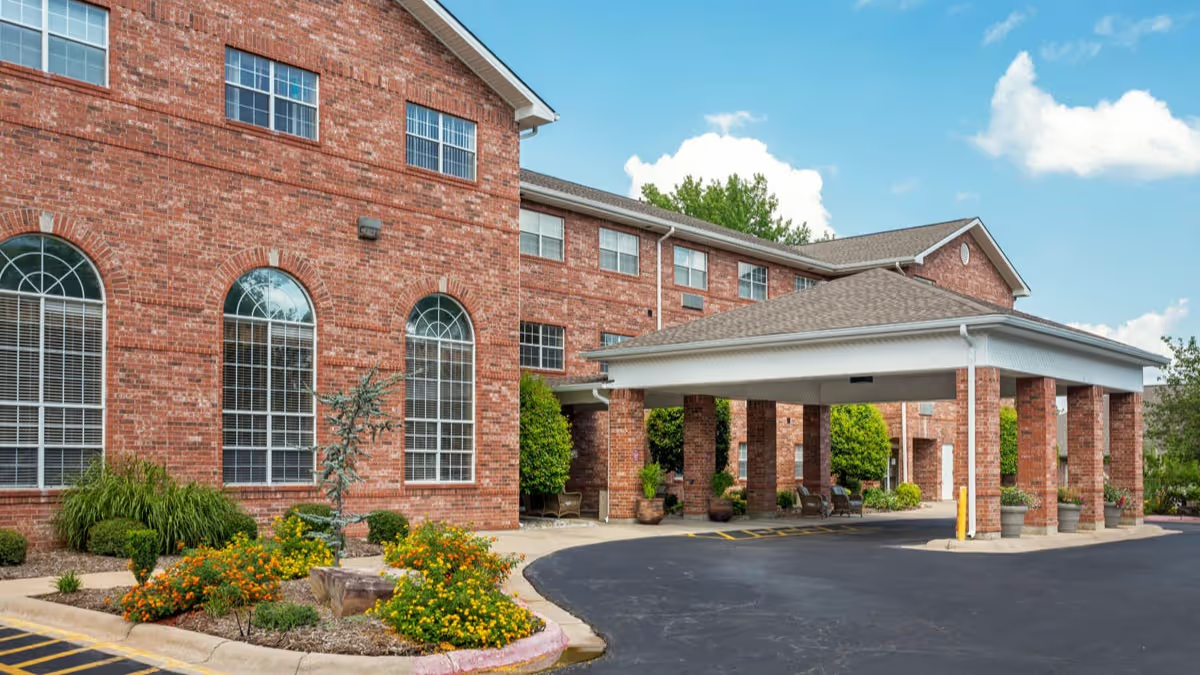
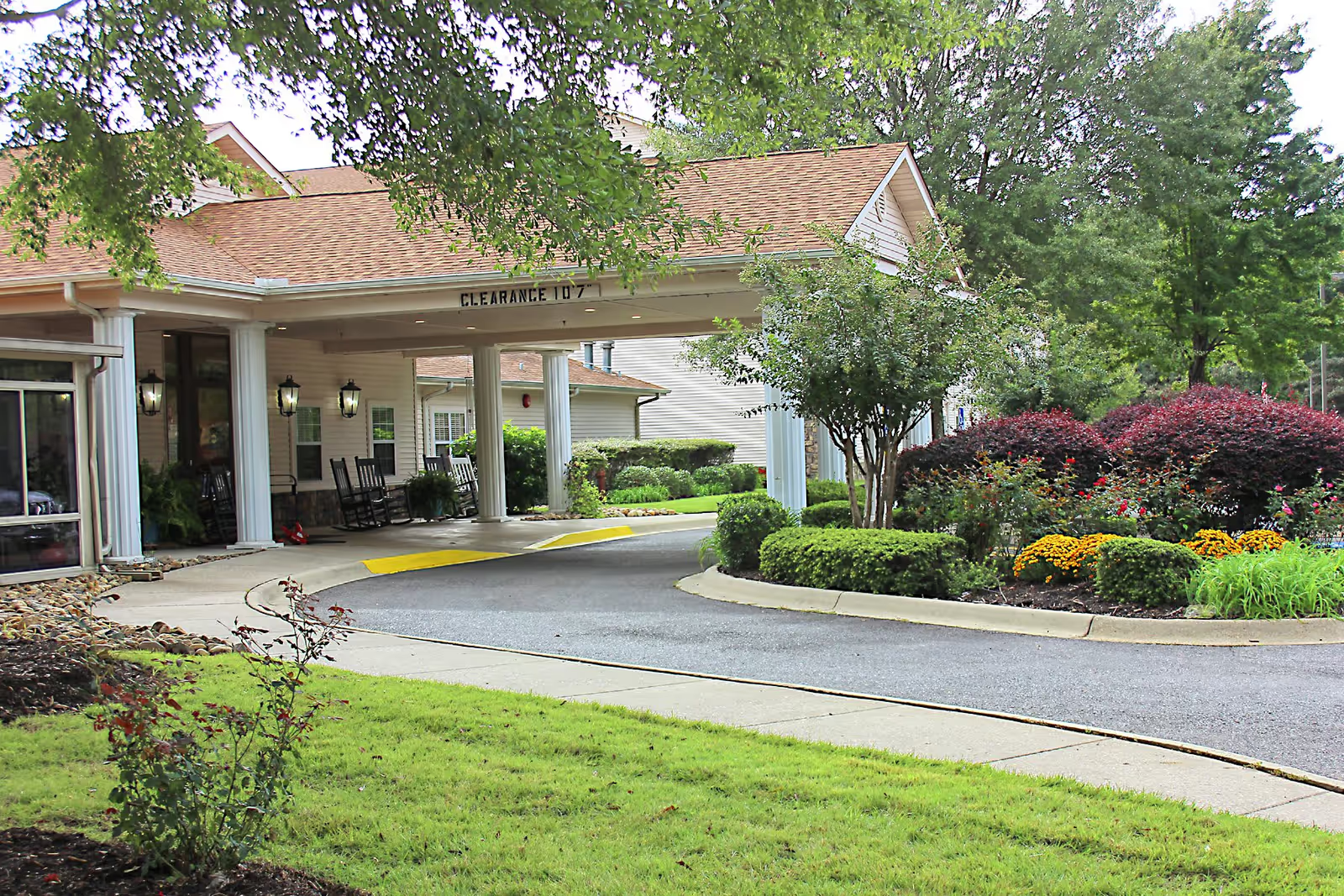
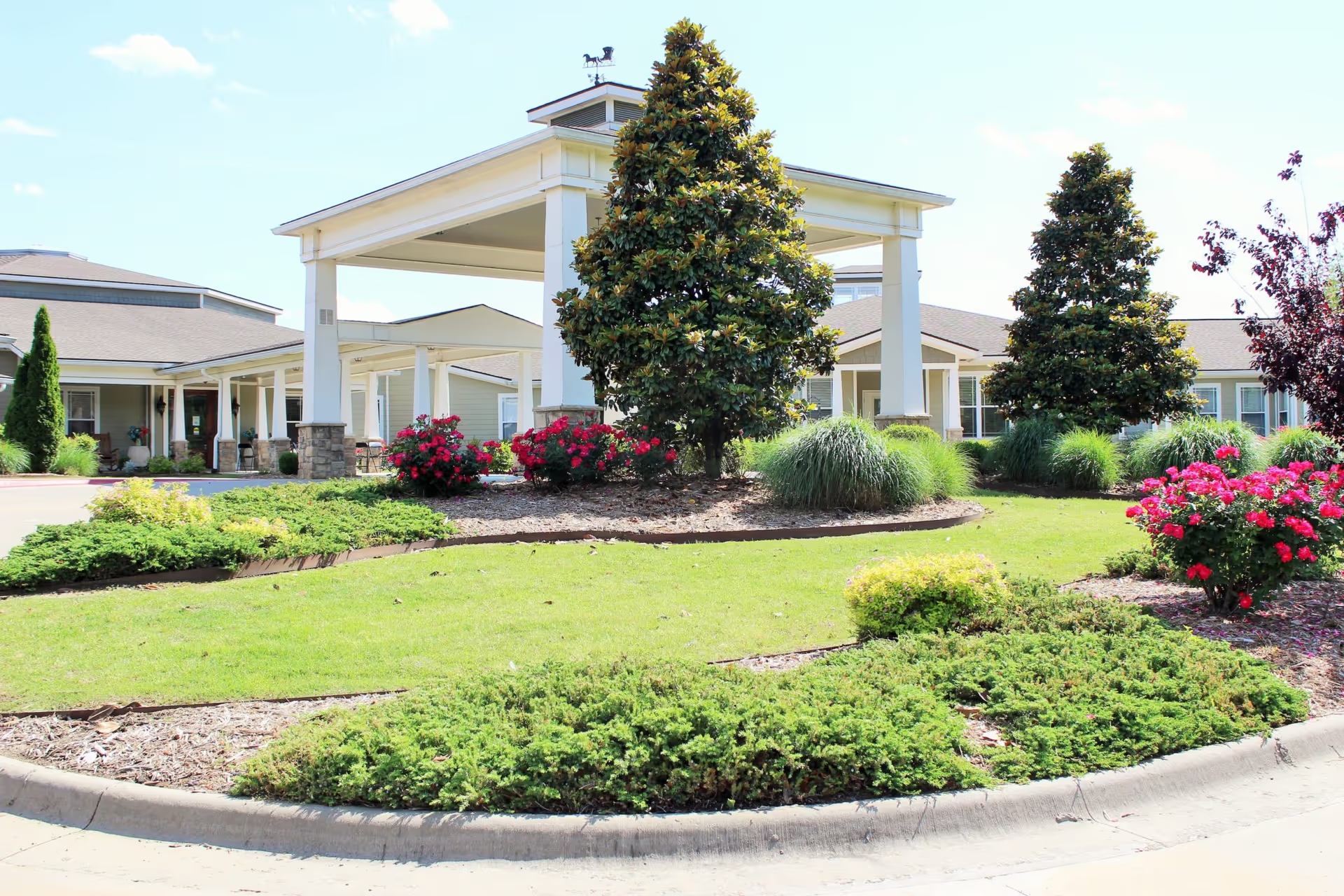
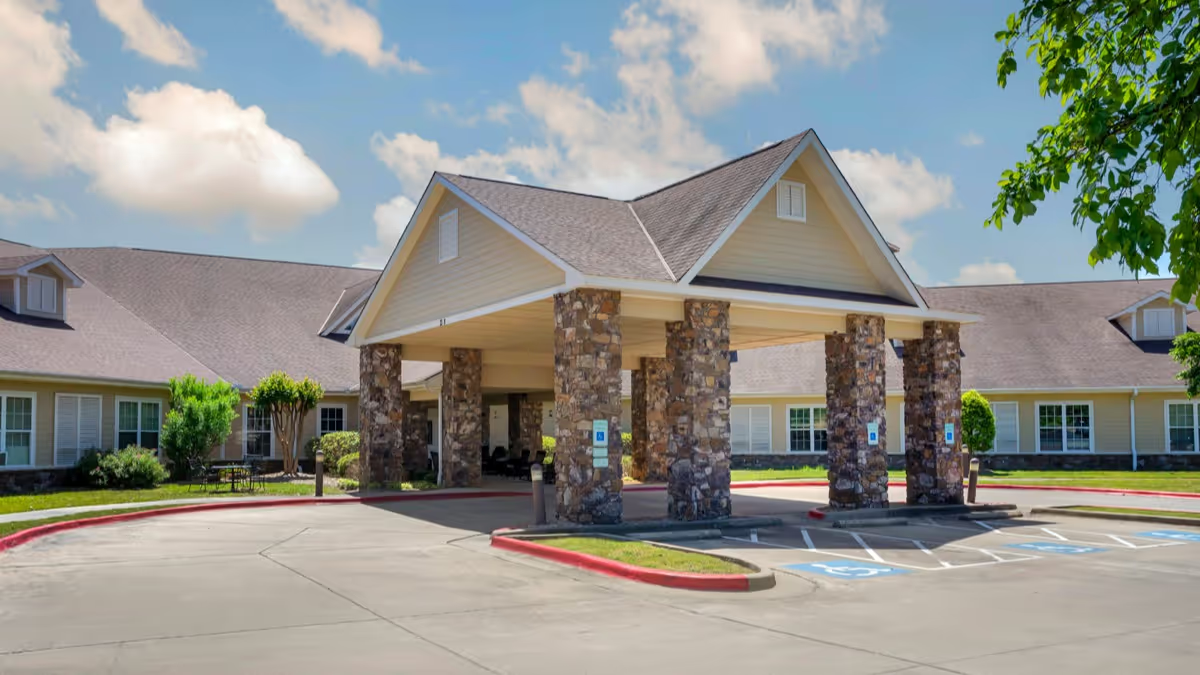
The physical environment receives positive mention, with descriptions of a clean, well-maintained facility. That is a clear strength and may reflect effective housekeeping and maintenance processes. Even so, cleanliness alone does not address other operational areas, so it should be considered alongside care and management practices.
Management and leadership practices attract concern in at least one account describing unprofessional conduct by ownership. Operationally, this translates to questions about leadership tone, responsiveness to family concerns, and how policies are enforced. Families would be prudent to meet leadership, ask about complaint-resolution processes, staff oversight, and examples of recent quality-improvement initiatives.
Overall pattern: the facility appears capable of providing compassionate, effective rehabilitative care in many cases and maintains a clean environment, but experiences may vary by staff member and shift. To form a more complete assessment, visitors should conduct an on-site visit, speak with multiple staff members and current families, review written policies for mealtimes and resident rights, and ask how the facility ensures consistent conduct and care across the team.