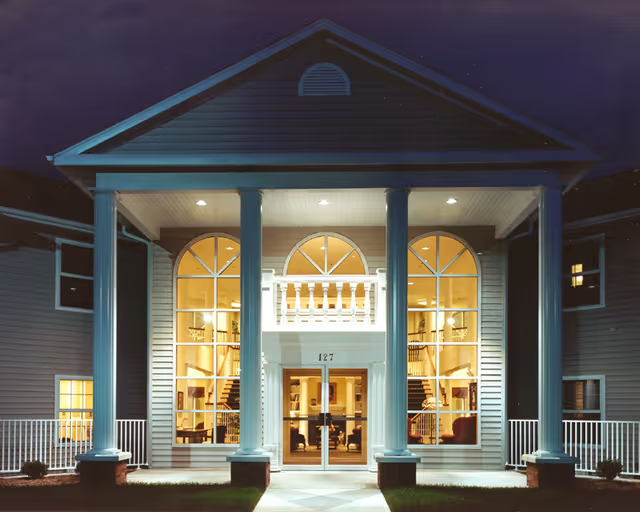
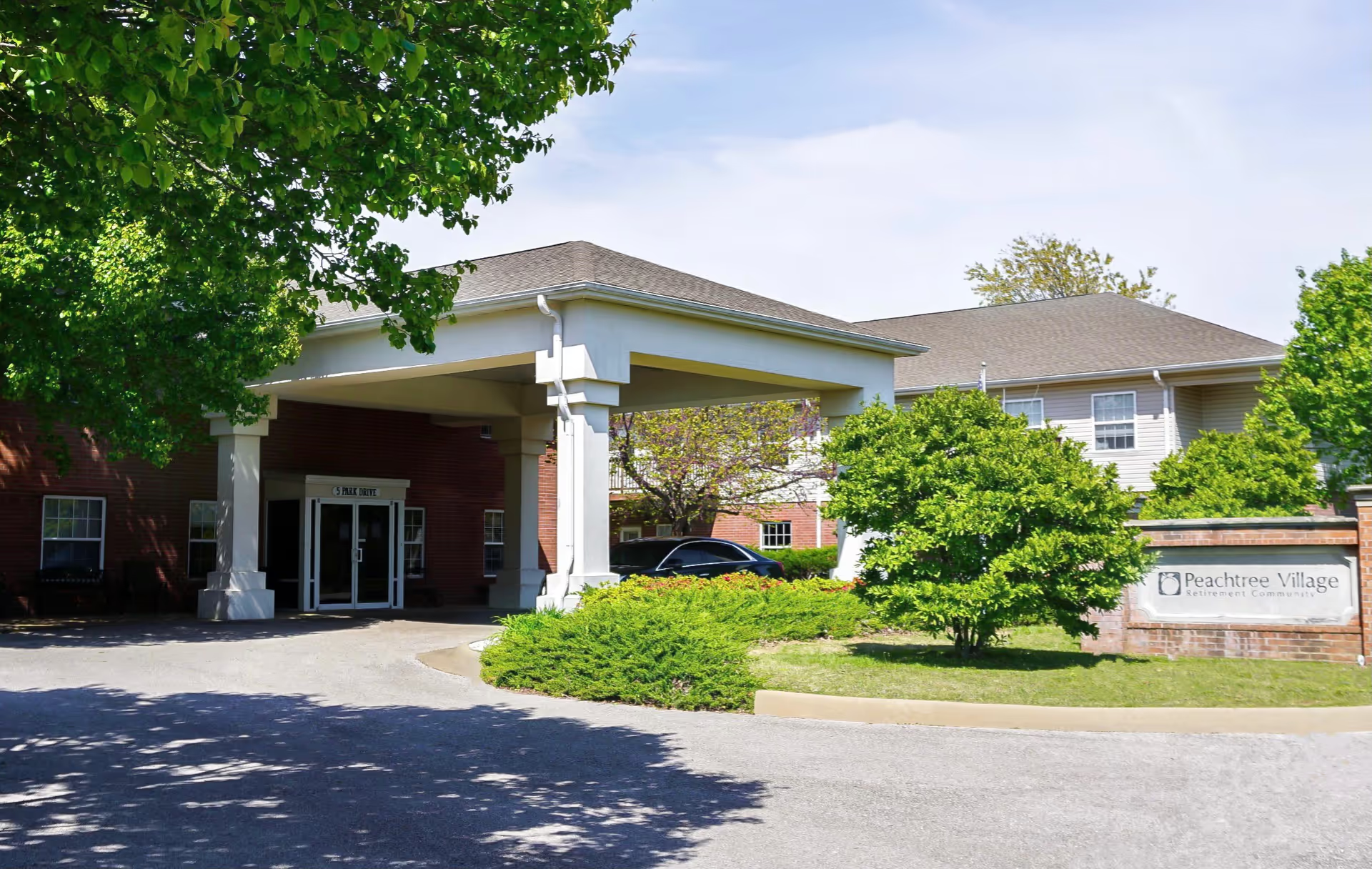
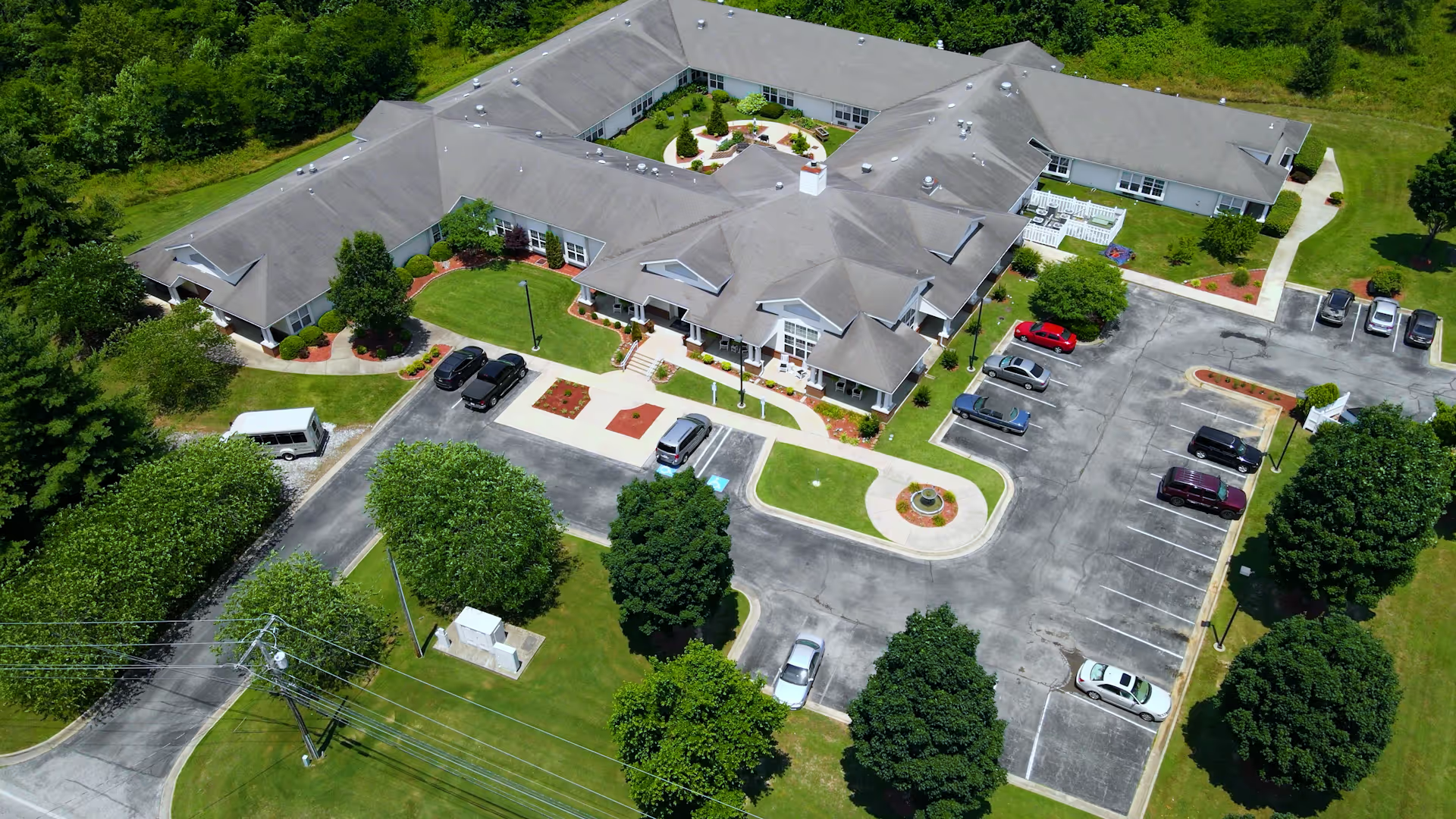
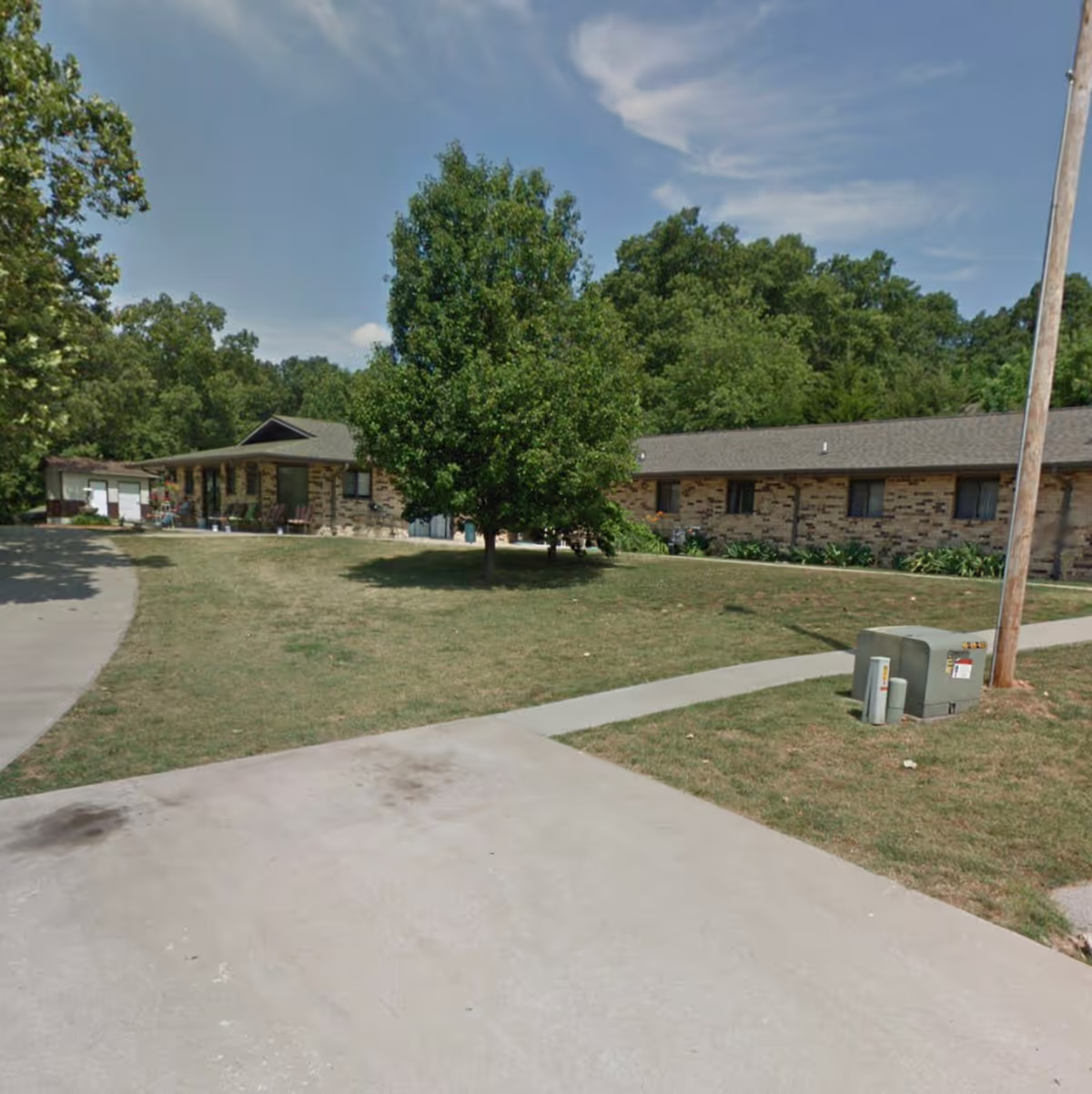
Hillcrest Home is consistently described as a clean, attractive, and well-maintained facility with a home-like atmosphere. Many families praise the dining experience and describe meals as appetizing, and several accounts highlight an orderly, comfortable interior that feels residential rather than institutional. The facility’s family-owned management and local reputation — including a waiting list — are frequently cited as indicators of community demand and an emphasis on personalized care.
Clinical and rehabilitative services receive mixed but substantive attention. Numerous families and patients report strong short-term rehabilitation outcomes: attentive therapy teams, encouragement of ambulation, and measurable recovery after procedures or hospital stays. Nursing and therapy staff are commonly characterized as professional and effective. Counterbalancing these positive notes, there are important clinical concerns cited by some families, including inconsistent overall care quality and allegations of inappropriate medication practices used for behavior control. Those concerns frequently intersect with observations of functional decline in residents with cognitive impairment, suggesting that dementia-specific needs may not be consistently met.
Staff behavior and team culture appear to be a central strength in many accounts. Caregivers are often described as compassionate, respectful, and loving; reviewers note staff who treat residents warmly and who pursue career development pathways (CNA → LPN → RN), which may support continuity and skill growth. At the same time, several narratives describe lapses in family communication and situations where families felt blamed for changes in a resident’s condition. These comments point to variability in how staff engage families about clinical changes and care plans.
Dining, amenities, and the general environment are repeatedly praised. Reviewers emphasize pleasant meals, cleanliness, and a neat, comfortable atmosphere. Therapy and rehabilitation programming are highlighted as effective for short-term stays, with staff encouraging mobility and participation in restorative activities. The facility’s family-owned governance is framed positively by many reviewers, who contrast it with corporate models and describe a more personalized orientation.
Notable patterns for prospective residents and families: Hillcrest Home appears to perform well for short-term rehabilitation and for residents who benefit from an attentive, homelike environment and engaged caregiving teams. However, there is a pattern of concern around dementia-specific care and around medication management for behavior control; these are operational areas worth inquiring about directly. Families touring the facility should ask for details on dementia programming, medication oversight and review processes, staffing ratios and turnover, care-plan communication practices, and examples of how behavioral changes are managed. Overall, the facility receives strong endorsements for many aspects of skilled and long-term care, but the mixed clinical accounts indicate the importance of targeted questions and close monitoring for residents with complex cognitive or behavioral needs.