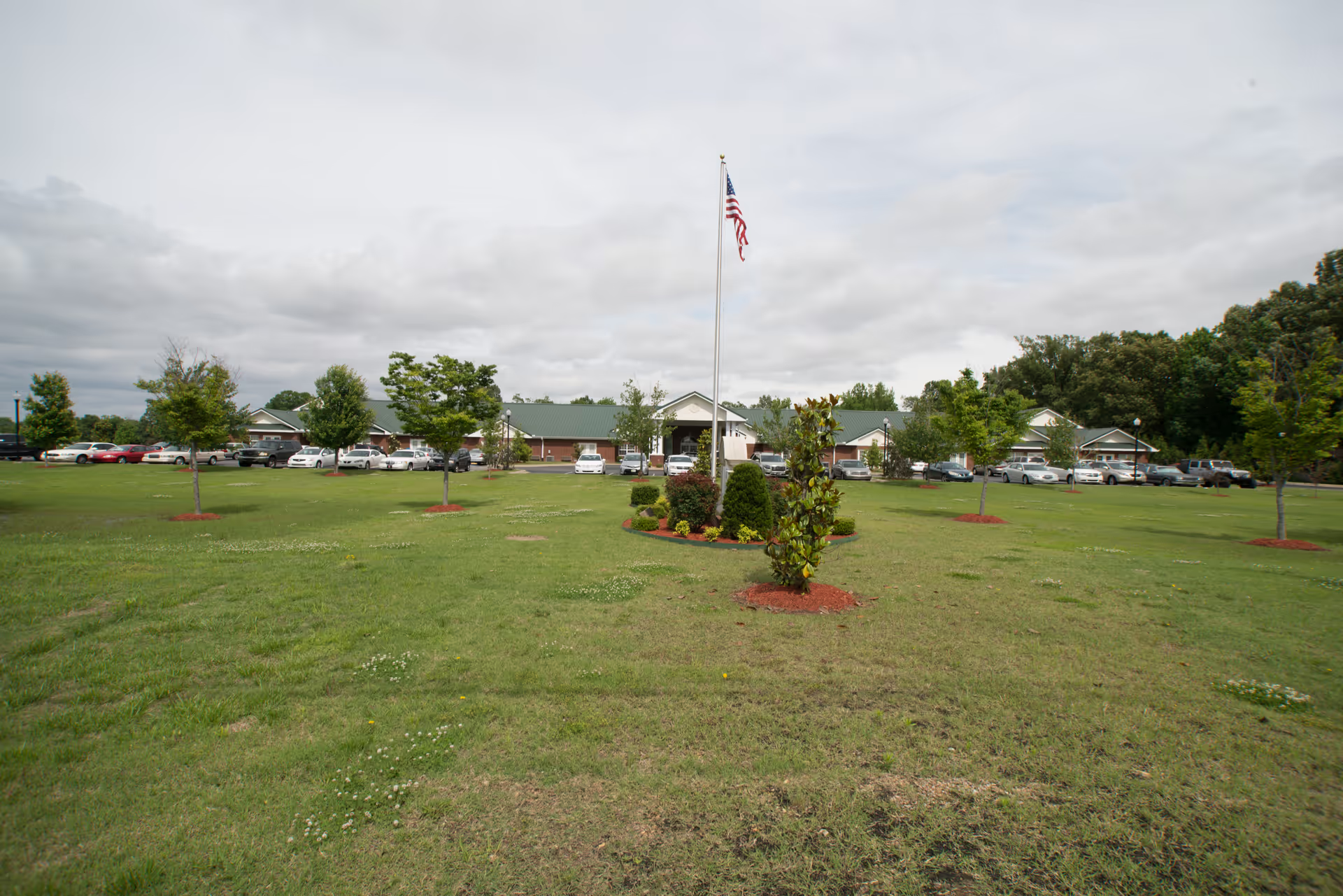
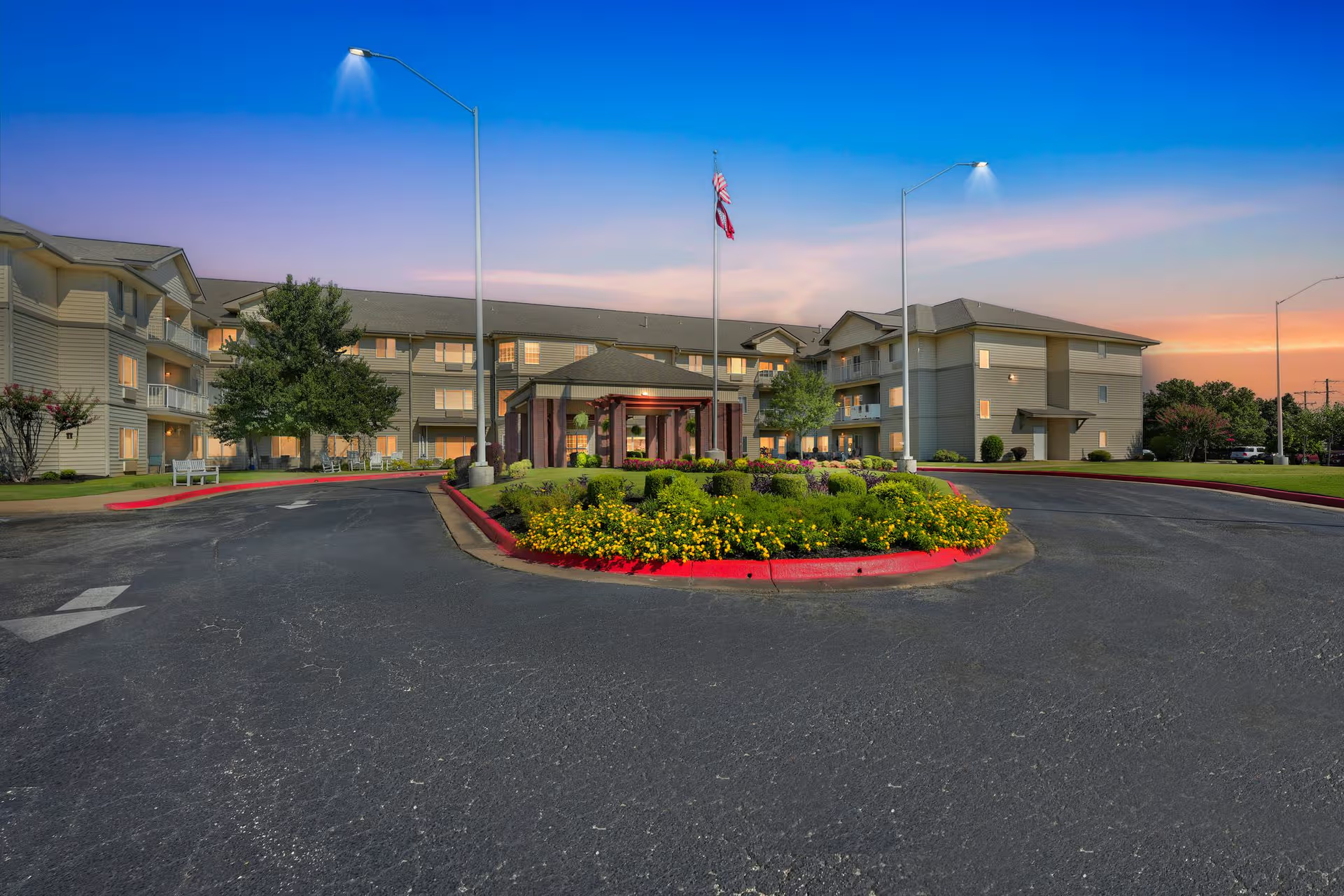
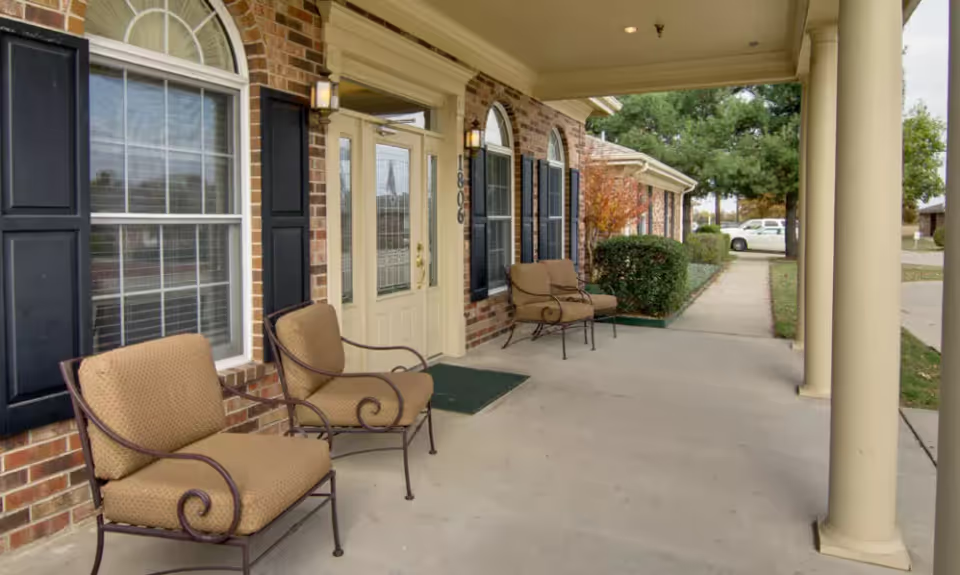
Overall impression: Lakeside Nursing Center elicits mixed feedback. The facility is consistently described as clean, well lit, and having a pleasant dining environment and active common areas. Families and residents also note an engaging activities program and a warm resident community. At the same time, there are repeated operational concerns that affect care continuity and family confidence.
Care quality: Reports describe variability in clinical and routine care. Positive comments include residents appearing happier and helpful staff interactions. However, others describe inconsistent follow-through on promised restorative therapy and challenges with medication management. These observations point to unevenness in clinical program execution and care-plan follow-through rather than a uniformly applied standard of care.
Staff and conduct: Staff are frequently characterized as friendly and helpful, and some families praised specific caregivers. Parallel to those positive remarks, reviewers described instances where staff communication tone and professionalism were a concern. Staffing levels were also highlighted as an issue; understaffing appears to contribute to delays in assistance and reduced availability for residents and families.
Dining and nutrition: The dining area and mealtime atmosphere are seen as strengths, and some reviewers found the food to have flavor and be acceptable. Conversely, concerns were raised about meal-service consistency and timeliness, including simplified menus or late service at times. These points indicate that dining operations may be uneven depending on shift or day.
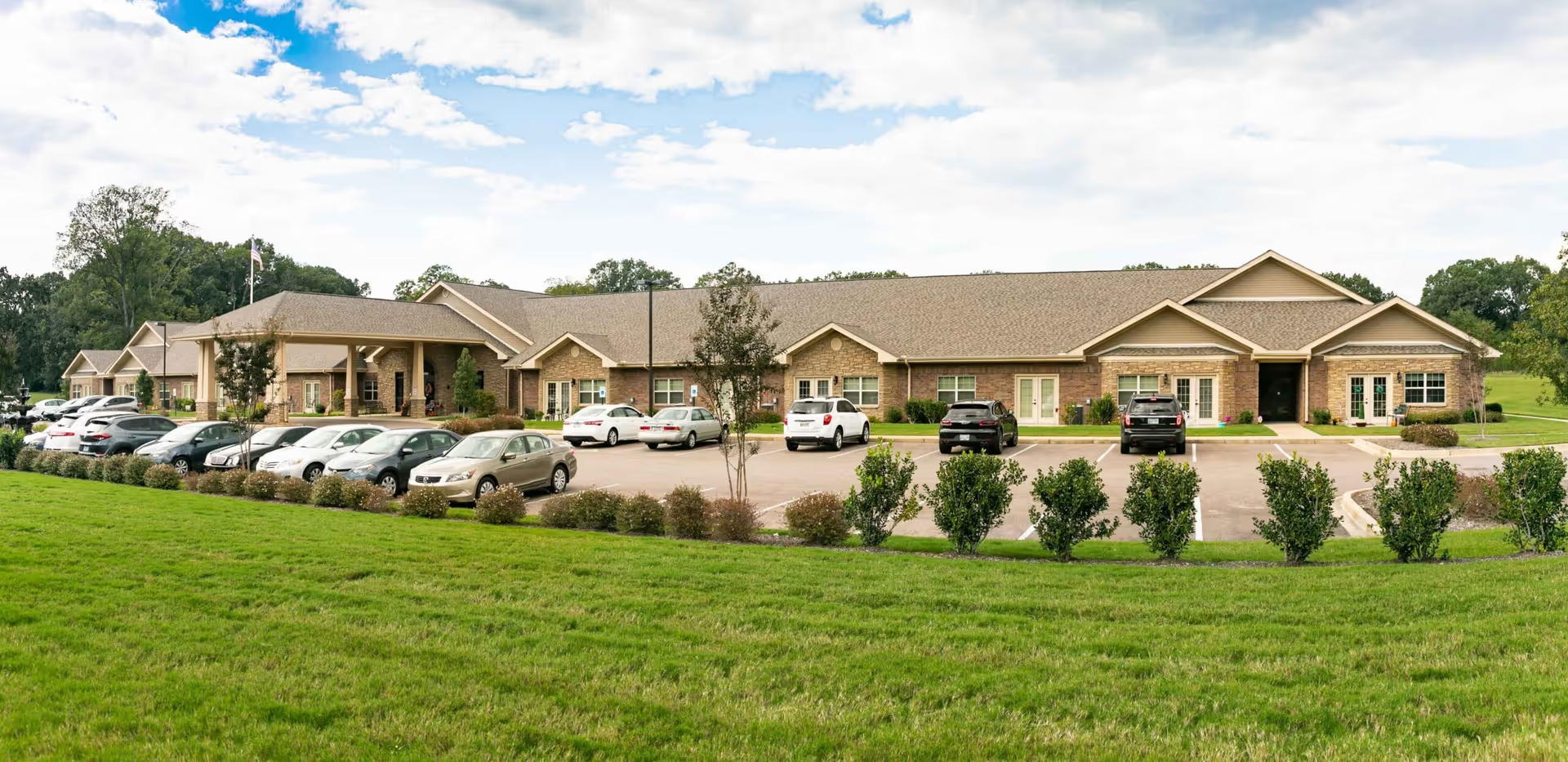
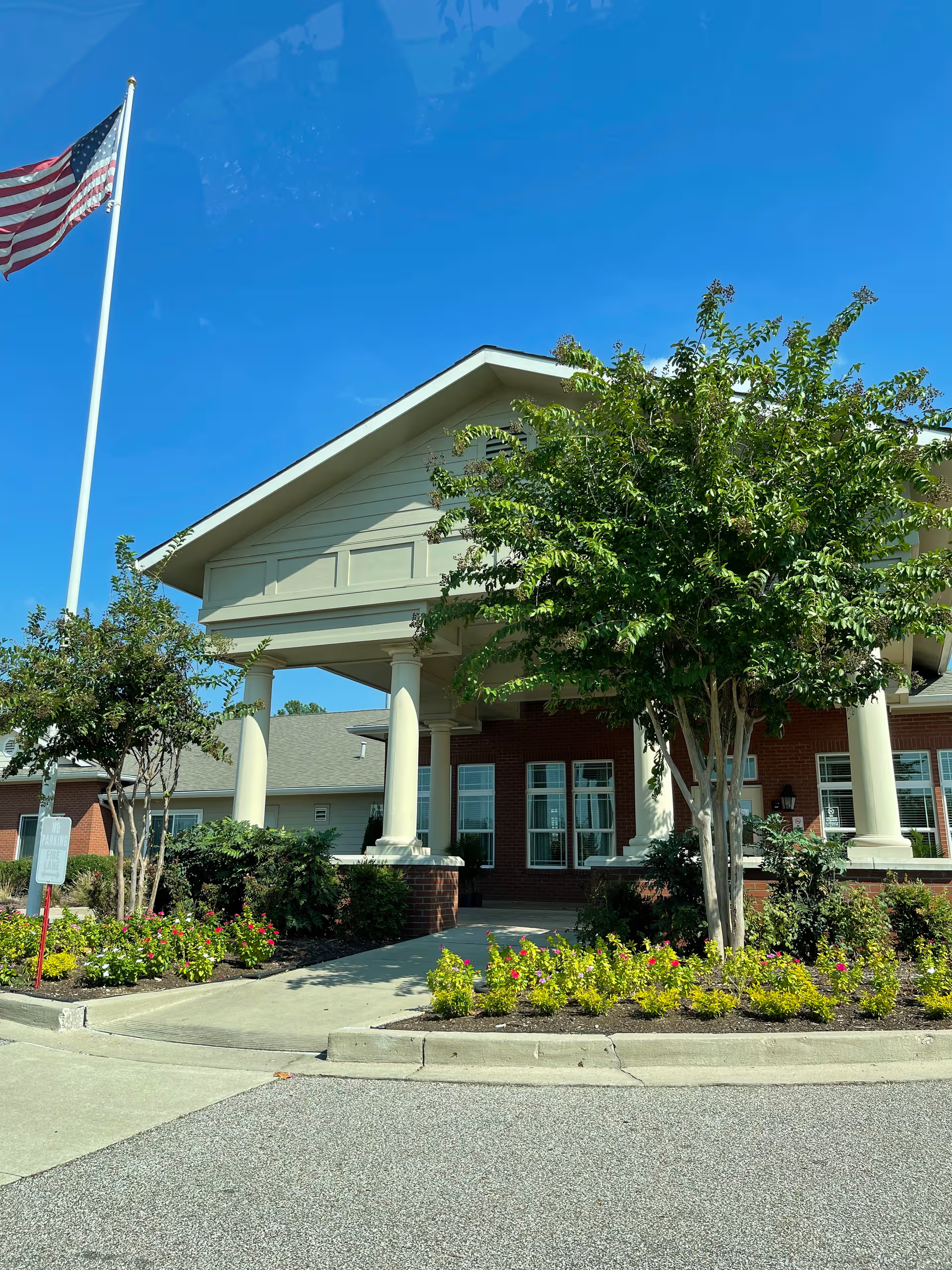
Activities and facilities: Activities such as games, trivia, bingo, and movie nights with concessions are noted as meaningful engagement opportunities. The physical environment—clean, well-maintained, and well-lit—is a consistent positive; the resident community is also viewed favorably.
Management and operational patterns: Several operational weaknesses recur across descriptions: insufficient staffing, gaps in supply management for personal-care items, inconsistent therapy delivery, and challenges reaching or communicating with staff. These operational patterns appear to underlie many of the negative experiences described and suggest areas for managerial attention, including staffing strategies, supply-chain controls, therapy-program fidelity, and family communication protocols.
Bottom line: Prospective residents and families will find a facility with a clean environment, active programming, and many caring staff members. At the same time, they should evaluate current staffing levels, medication- and therapy-management processes, and family-communication practices during tours and care-planning discussions to assess whether the facility’s operational consistency meets their needs.