Reviews of Allay Health and Rehab describe a facility with clearly demonstrated strengths in rehabilitation services, activities, and several areas of frontline care, but also persistent operational shortcomings that families should evaluate closely. The therapy team is frequently cited as a strong asset — physical and occupational therapists are described as effective, and rehabilitation outcomes are commonly positive. Activity programming and an engaged activity coordinator contribute to a more active resident experience. Multiple reviewers praised specific staff roles such as van drivers, maintenance personnel, and the kitchen manager, noting friendly interactions and prompt resolution of maintenance or logistical issues.
Staffing patterns show a bifurcated picture. Many individual staff members — nurses, aides, and therapists — are described as compassionate, attentive, and helpful; those frontline caregivers are often singled out as the reason families were satisfied with a stay. At the same time, reviewers repeatedly raised operational staffing concerns: short staffing, especially on weekends and night shifts, delayed responses to call lights, long after-hours wait times, and inconsistent shift coverage. These staffing gaps are linked in several accounts to delayed personal care, delayed medication administration, and prolonged waits for assistance.
Clinical care quality shows variability. Positive notes about attentive nursing and successful rehab rounds contrast with serious clinical concerns in other accounts: medication-timing errors, medication-management lapses, and instances where higher-acuity needs exceeded facility capability (for example, tracheostomy care and the absence of bedside vital-sign monitoring). Wound-care follow-up and coordination with specialists were identified as inconsistent, and reviewers raised questions about admission screening and whether the facility is appropriate for some higher-acuity patients. These items suggest a need to confirm clinical scope, on-site monitoring capabilities, and escalation pathways before placement.
Dining and activities are generally viewed as strengths for many residents: several reviewers praised meal quality and the kitchen staff, while activity variety and social programming received positive mentions. However, some families noted limited heart-healthy options and inconsistent adherence to dietary restrictions, indicating variability in menu accommodation.
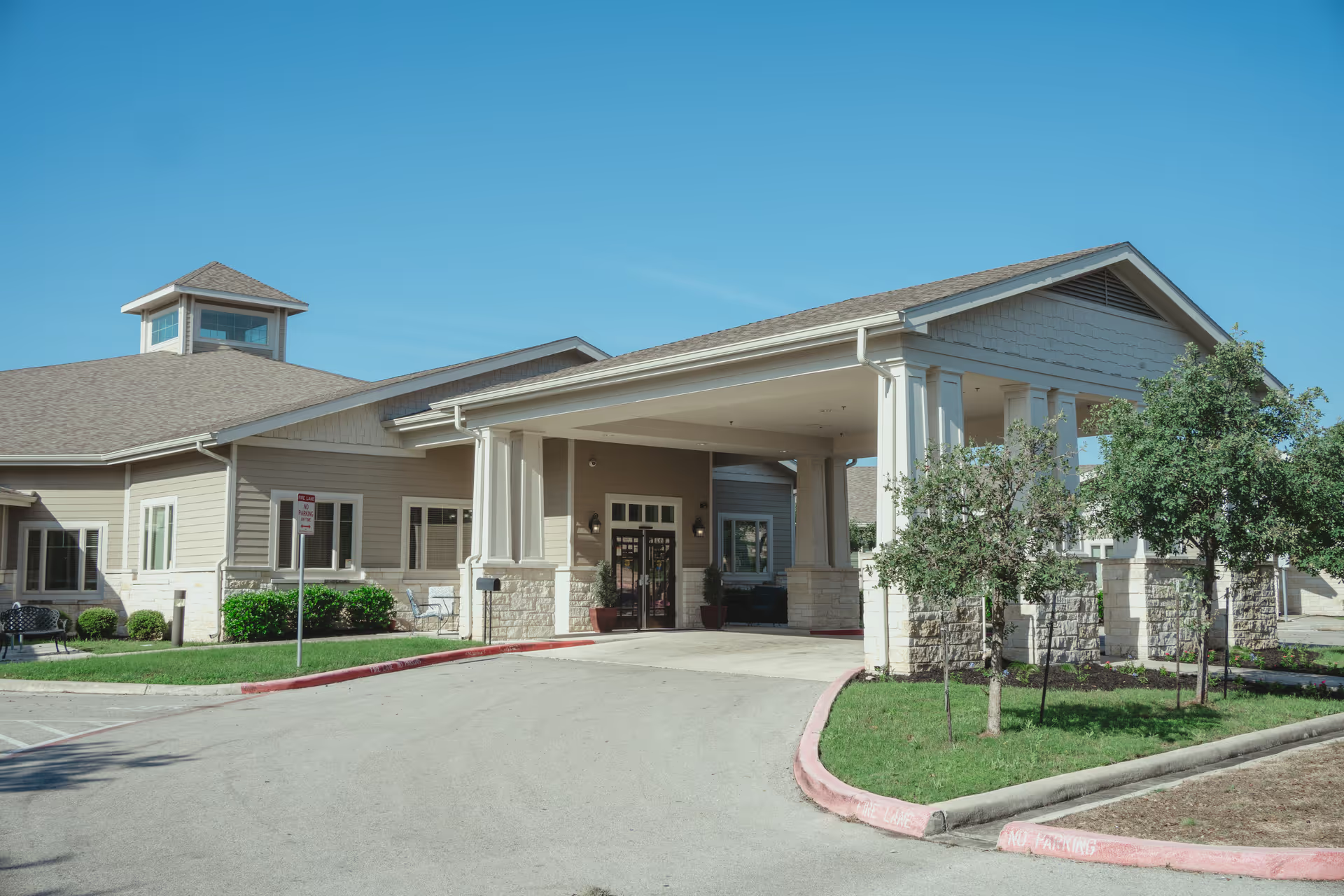
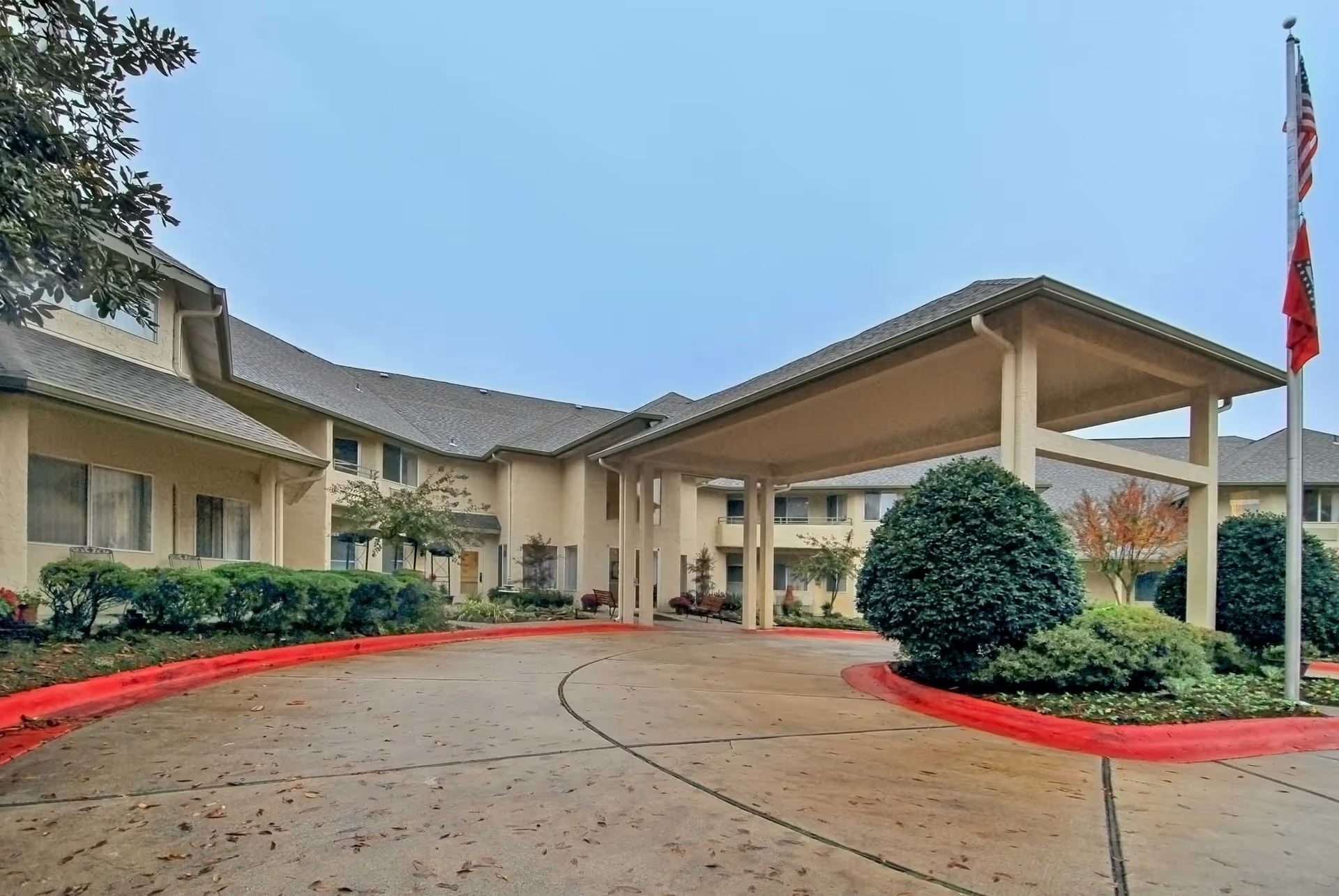
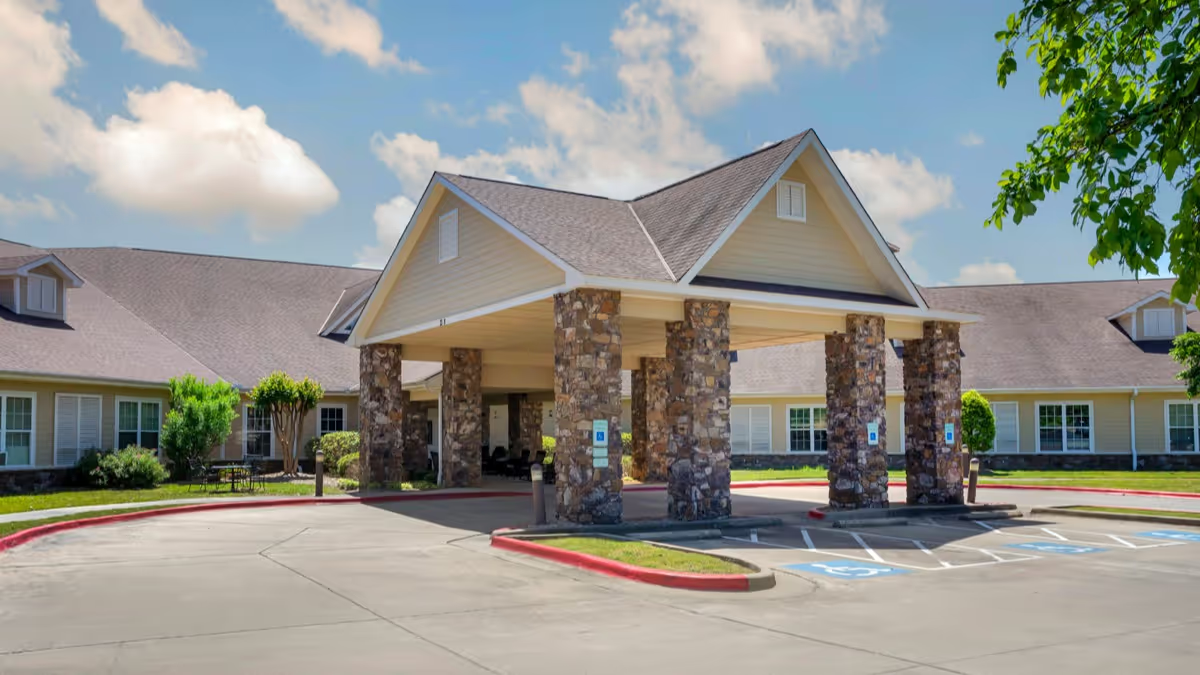
Facility condition and sanitation assessments are mixed. A number of reviews highlight a clean, well-maintained interior, seasonal decorations, and responsive maintenance. Conversely, other reviewers identified sanitation and odor concerns in certain units, inconsistent housekeeping and linen turnover, and specific room-safety issues (broken beds, taped outlets, missing rails). These contrasting impressions point to uneven operational consistency across units or shifts rather than uniform facility condition.
Management, communication, and administrative practices surface as a recurring theme. Positive experiences include timely communication and problem resolution, but many reviewers describe slow or disengaged management responses, inconsistent family communication, privacy process lapses, and administrative problems such as billing disputes and allegations of theft. There are also mentions of discharge pressure and slow transfer procedures that placed additional burden on families.
Overall, Allay Health and Rehab offers strong rehabilitation services, engaging activities, and many committed frontline staff. At the same time, prospective residents and family members should evaluate operational risk areas: staffing consistency (especially nights/weekends), medication administration protocols, clinical capability for higher-acuity needs, housekeeping and sanitation processes, equipment safety checks, admission-screening criteria, and financial/billing transparency. When considering placement, ask the facility for current staffing ratios, medication-administration procedures, wound-care and specialist-referral pathways, examples of dietary accommodations, documentation of monitoring equipment availability, and policies for handling family complaints and privacy concerns.