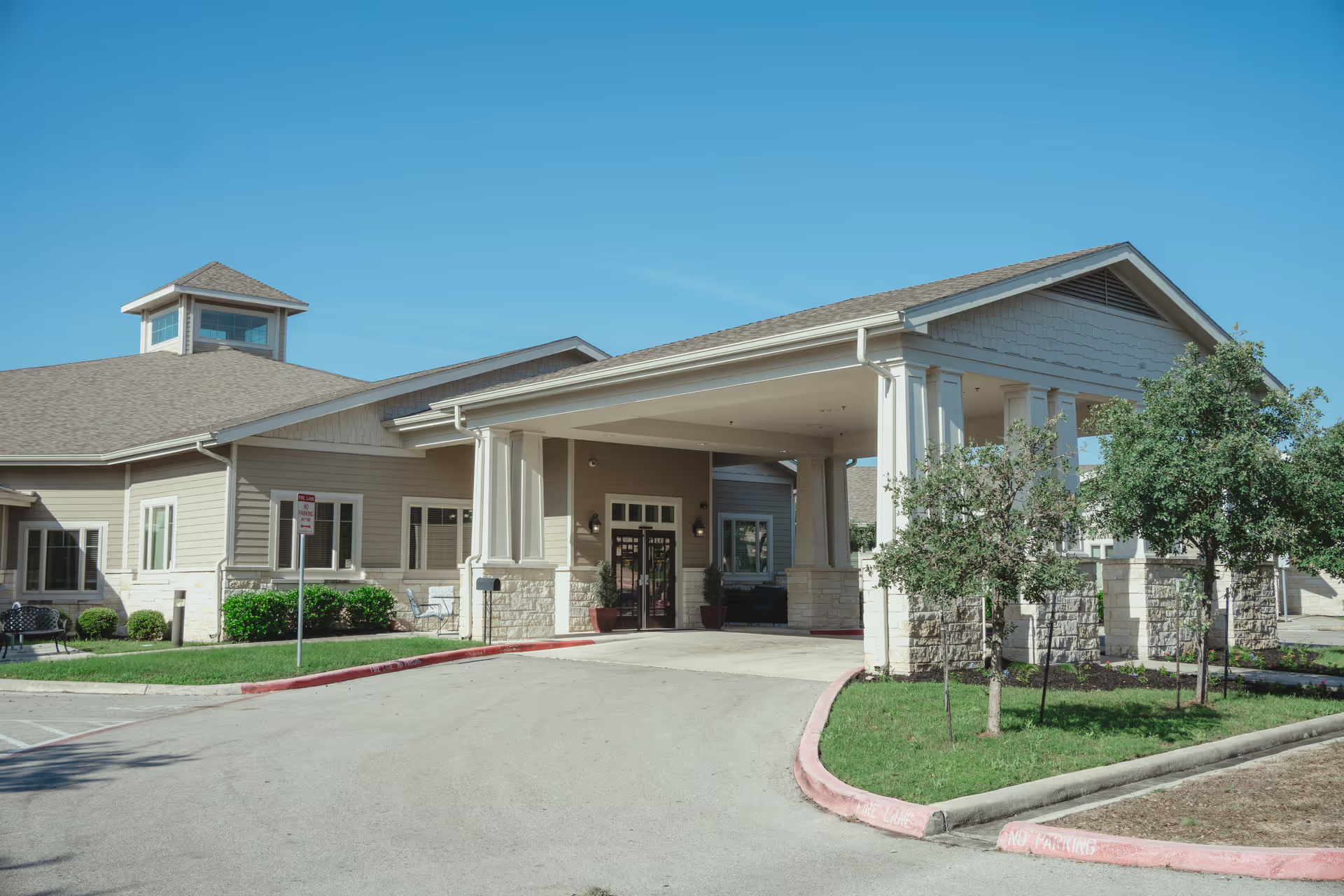
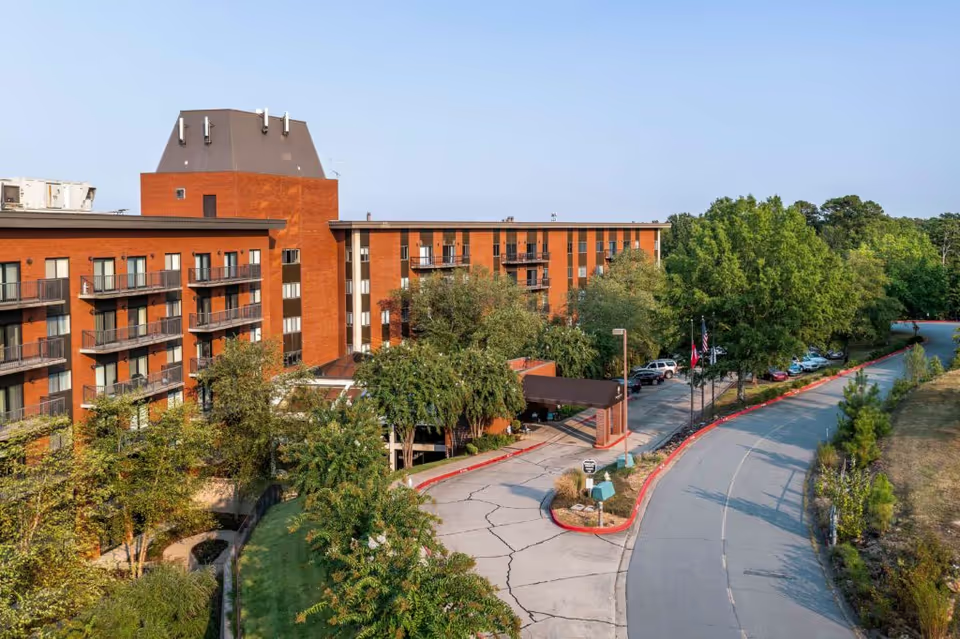
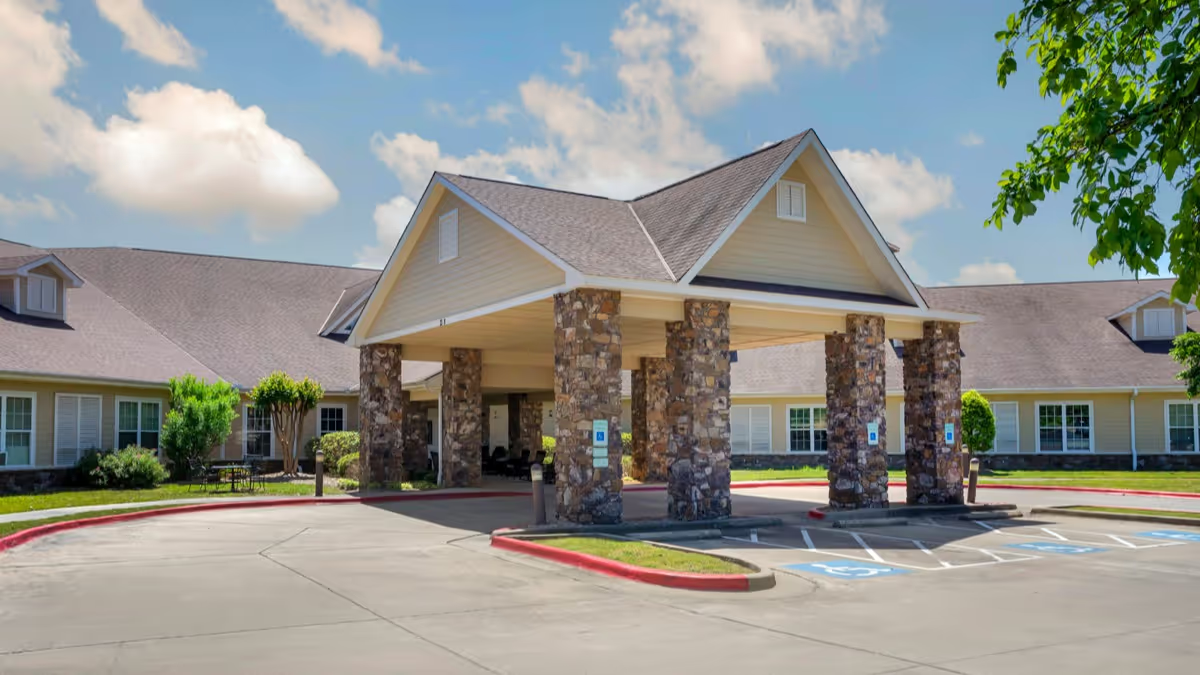
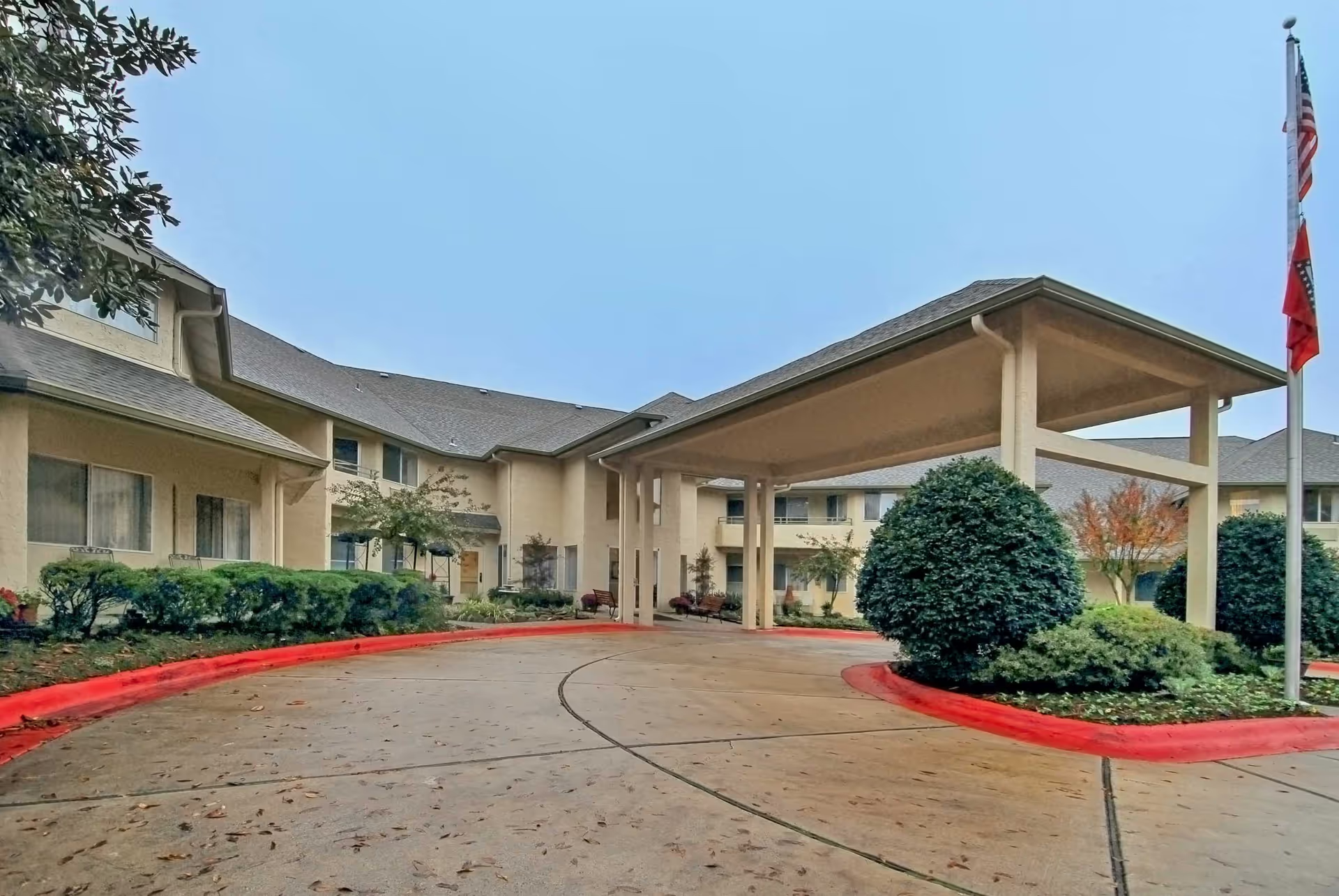
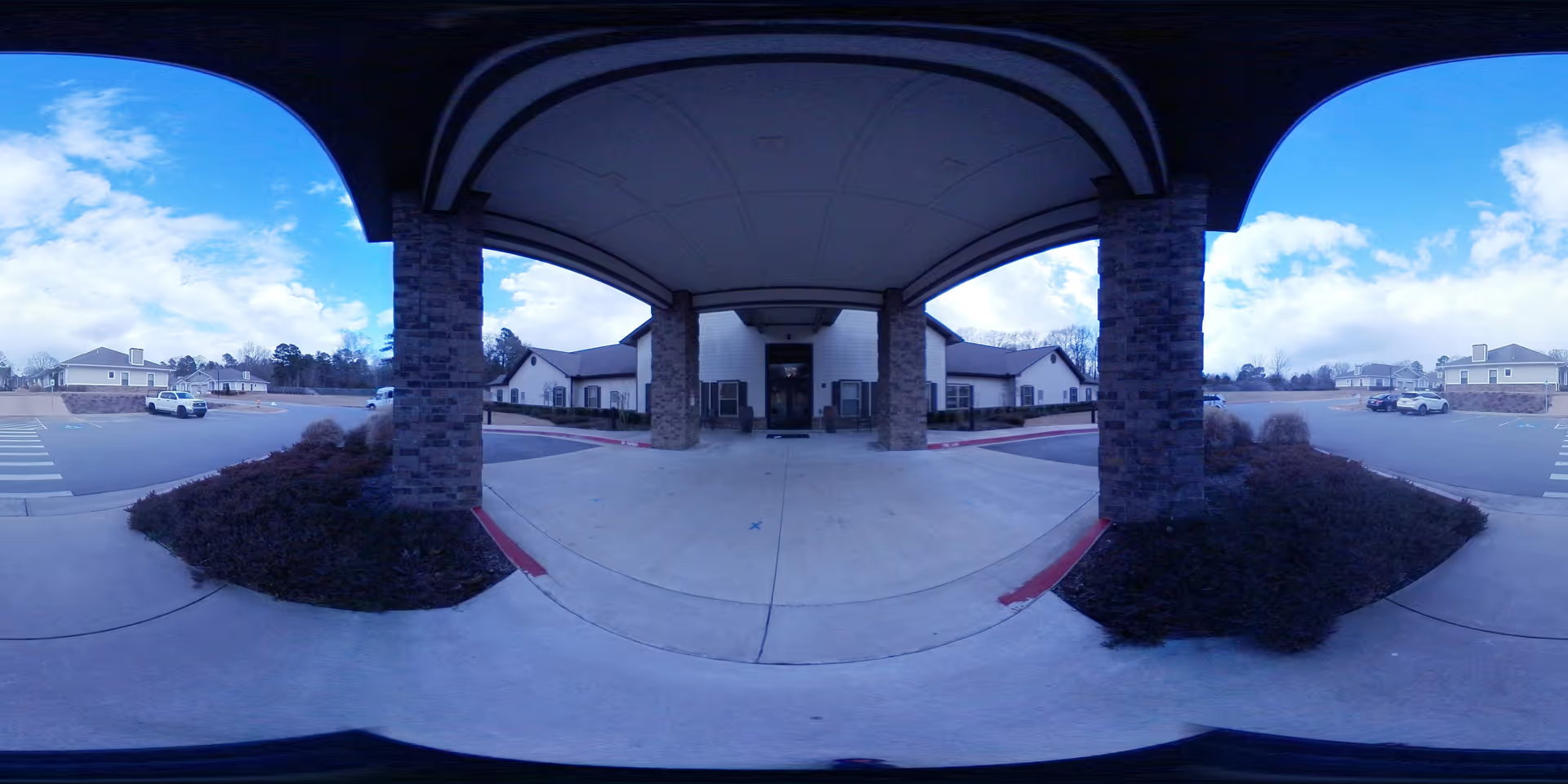
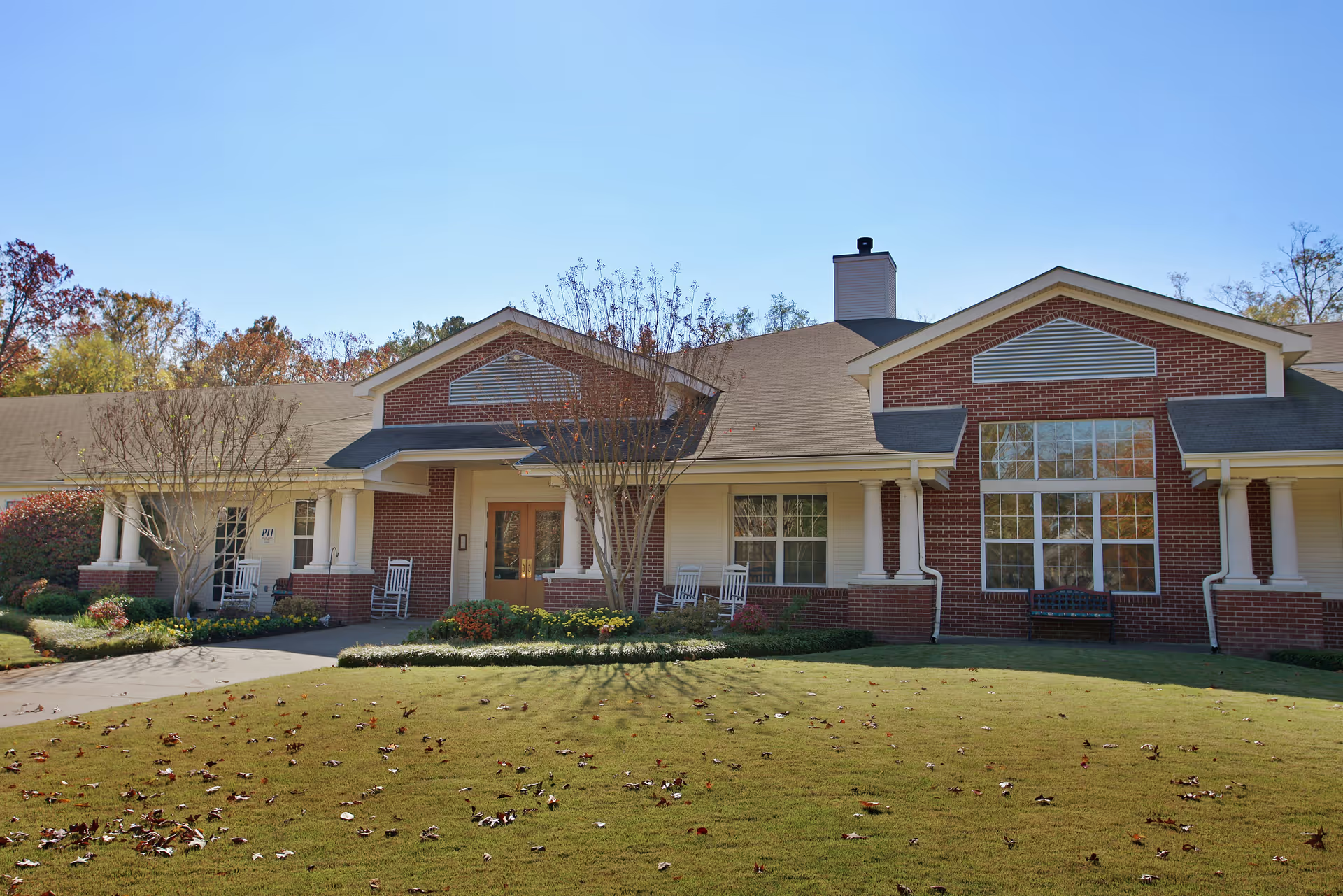
Colonel Glenn Nursing and Rehab presents a mixed picture. The facility's physical plant and therapy services receive consistent praise: reviewers describe a clean, attractive building with private-room options, comfortable in-room seating, and a therapy department that often produces measurable functional gains. Several families cited strong work by physical and occupational therapists and timely access to an advanced practice provider. Communal areas and activity programming are commonly noted as engaging, and social work/care-coordination support was helpful in many cases.
Clinical care beyond therapy is more variable. Multiple accounts describe reliable, compassionate individual caregivers and attentive nurses, but this coexists with repeated accounts of staffing shortages, high CNA turnover, delayed responses to call buttons, and inconsistent medication timing. Reviewers also raised concerns about bathing schedules, incontinence-care delays, and inconsistent wound-care follow-up. These descriptions point to operational instability on nursing units rather than a uniformly poor or uniformly excellent clinical program.
Safety and equipment issues were called out in several narratives. Specific concerns include transfer-safety practices, oxygen-management lapses framed as near-miss serious-harm events, and broken or poorly maintained equipment (lifts, vital-sign devices). There are also reports of the rehab floor appearing overcrowded at times, which may affect supervision and throughput. Those issues suggest the need for clearer protocols and stronger maintenance and safety oversight.
Management, billing, and family communication are recurring themes. Families described difficulty reaching administration, minimal advance notice of discharge decisions, and frustration with the appeal process and follow-up. Several accounts describe disputes over private-pay rates, delayed refunds, and unclear billing documentation. While some reviewers found administrative staff helpful and professional, others experienced poor responsiveness and a perception that financial processes were prioritized over transparent communication.
Dining and activities are generally reported positively; meals are described as acceptable and residents are observed using common spaces. The facility's location and aesthetics are frequently listed as strengths. Overall, experiences appear polarized: many families report excellent therapy outcomes, cleanliness, and individual caregivers who go above and beyond, while other families report operational gaps in nursing coverage, communication breakdowns, safety-process shortfalls, and billing issues.
For prospective residents and families: consider confirming current staffing ratios on the nursing unit, reviewing transfer and oxygen-safety protocols, asking for written discharge-planning procedures and billing/refund policies, and arranging a scheduled visit to observe call-response times and therapy capacity. These checks will help align the facility's strong therapy and environment attributes with the operational areas that reviewers identified as inconsistent.