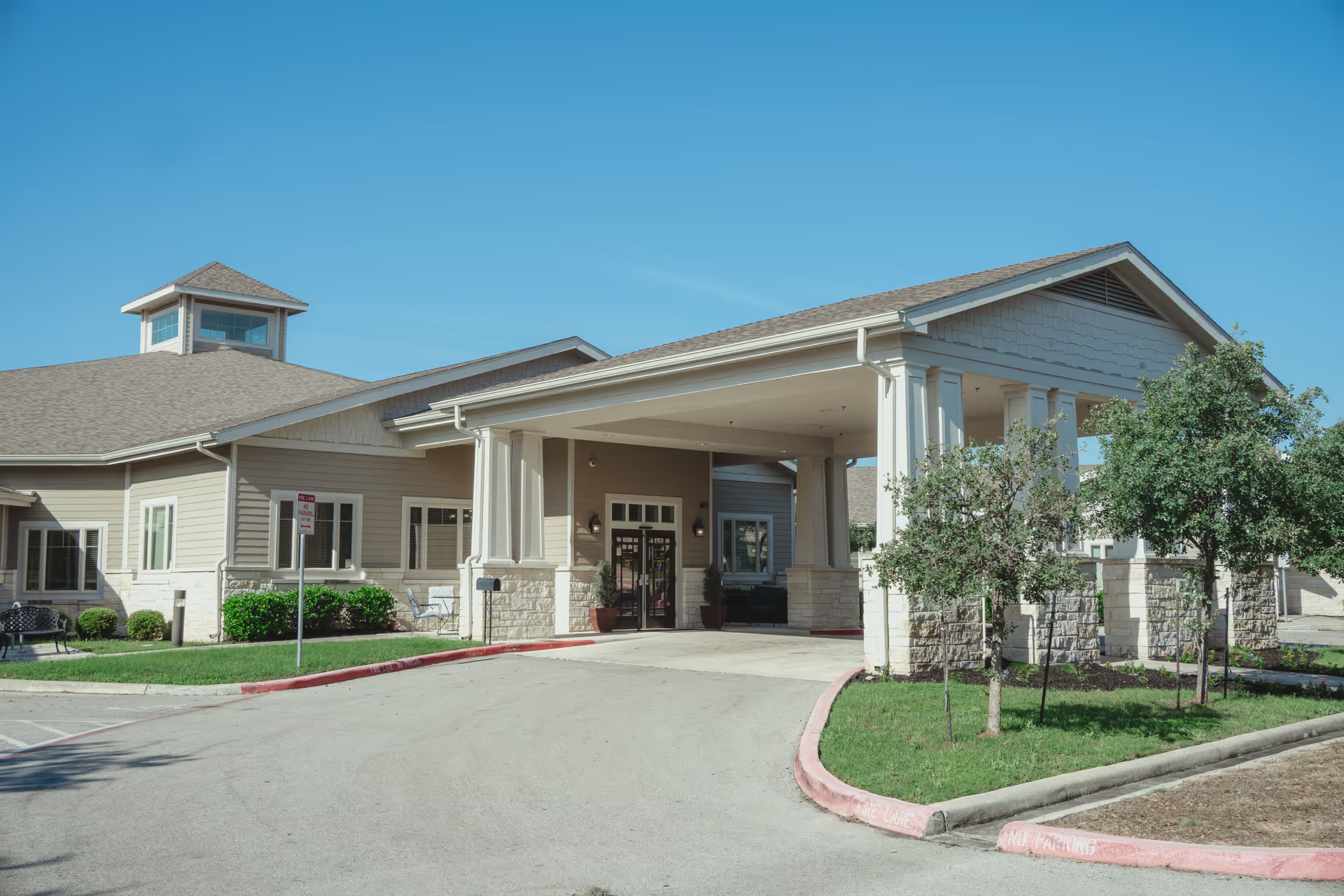
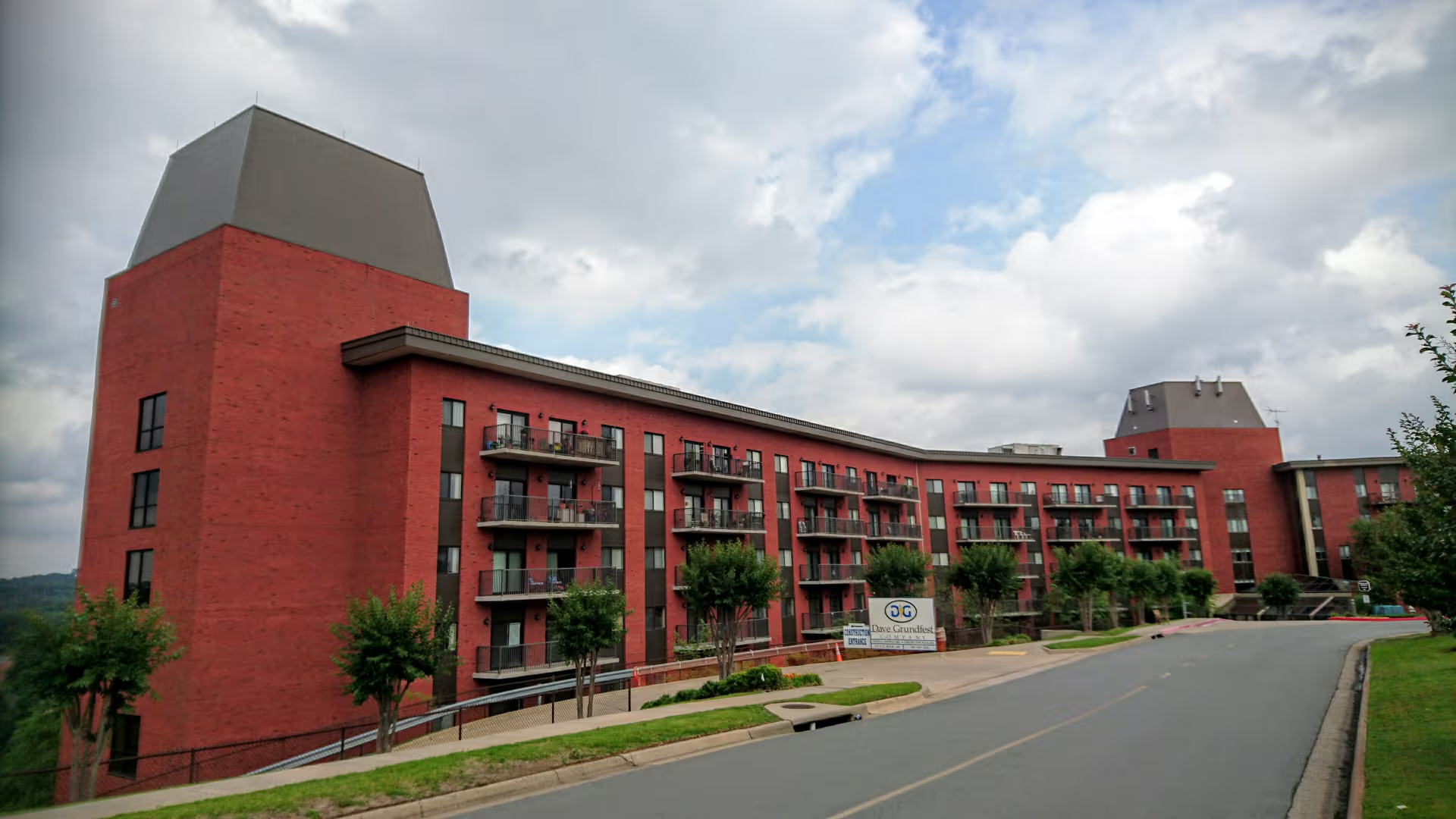
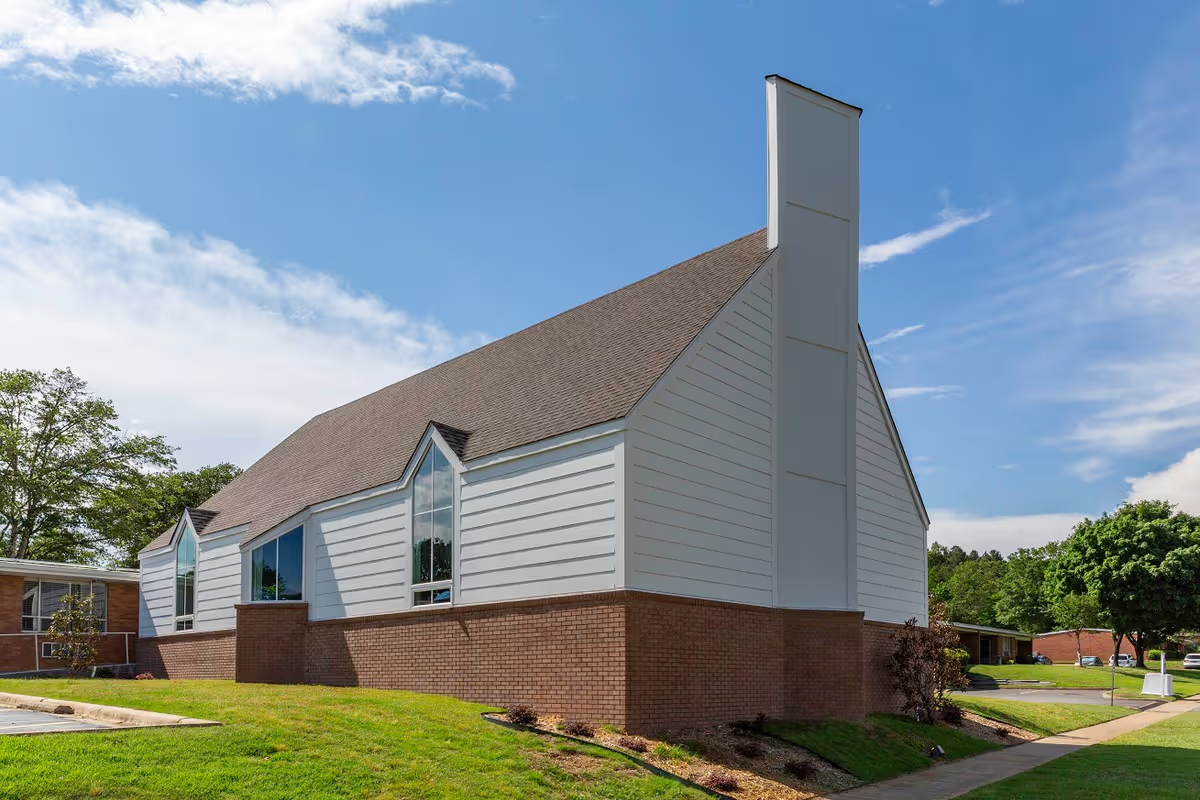
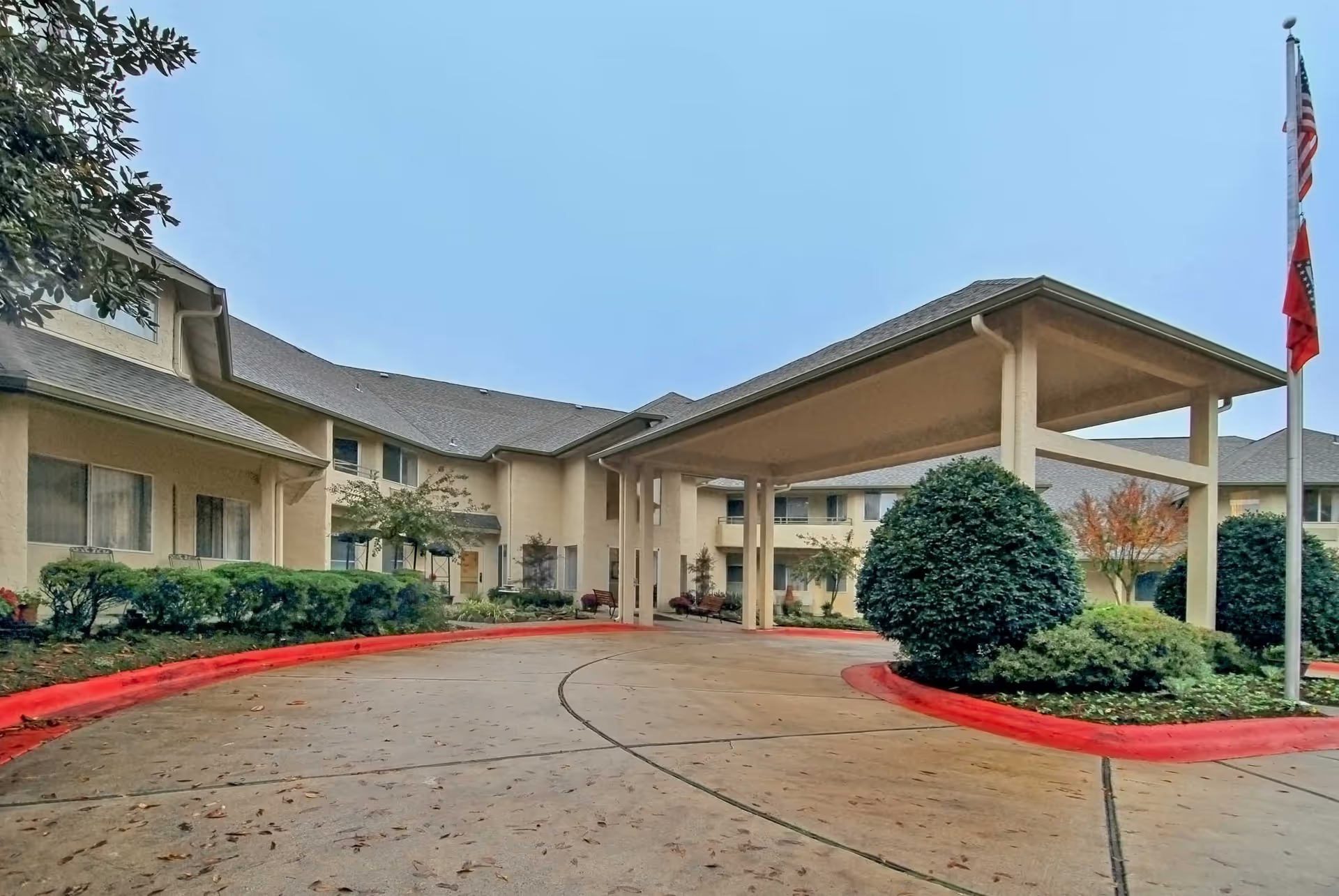
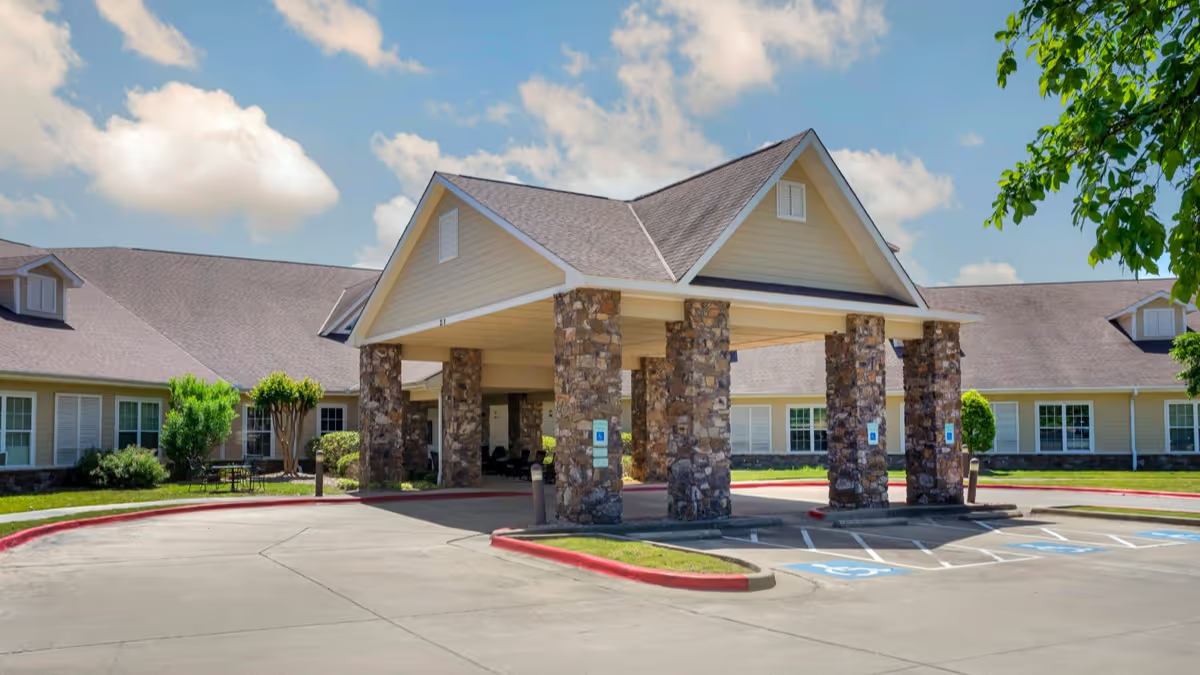
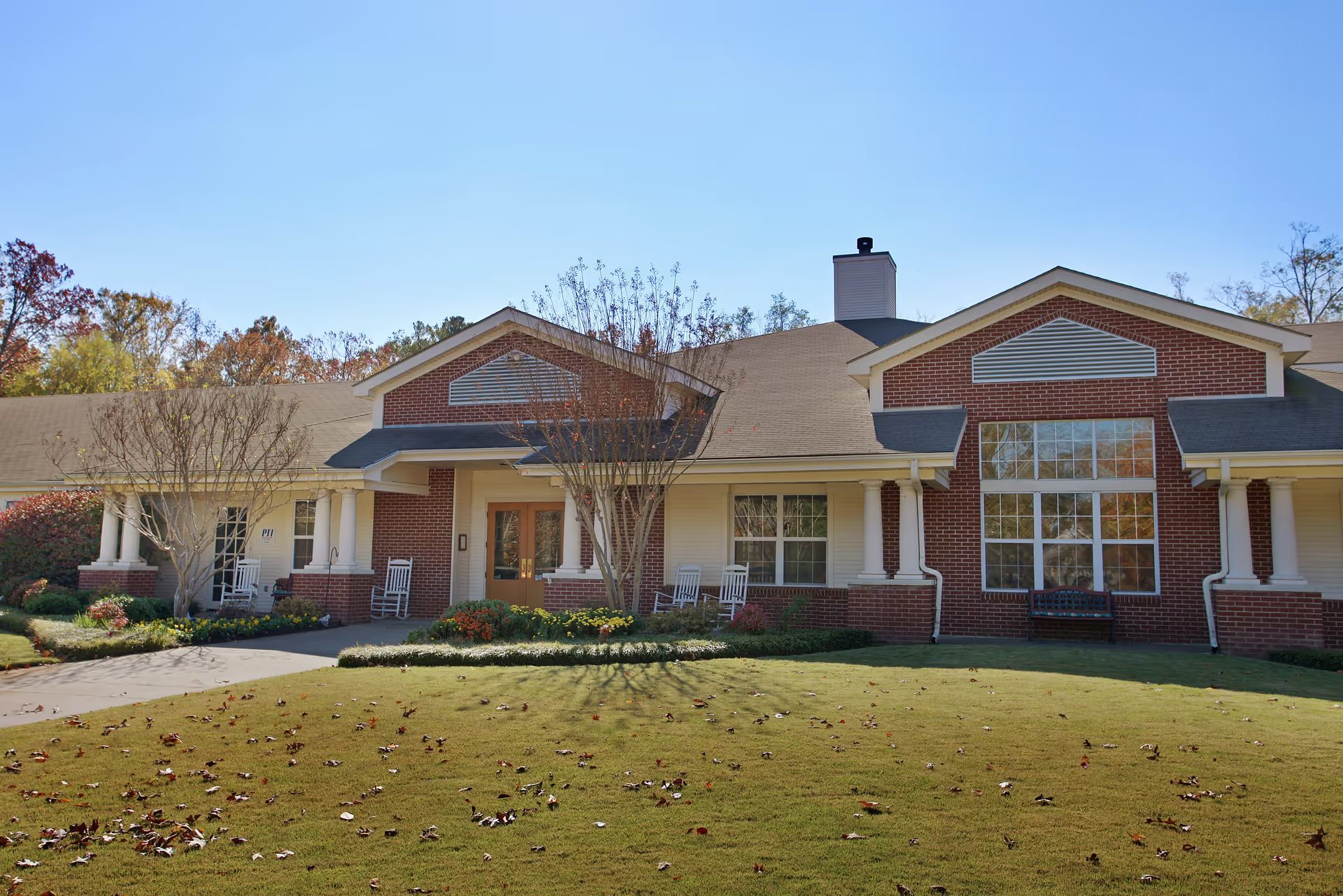
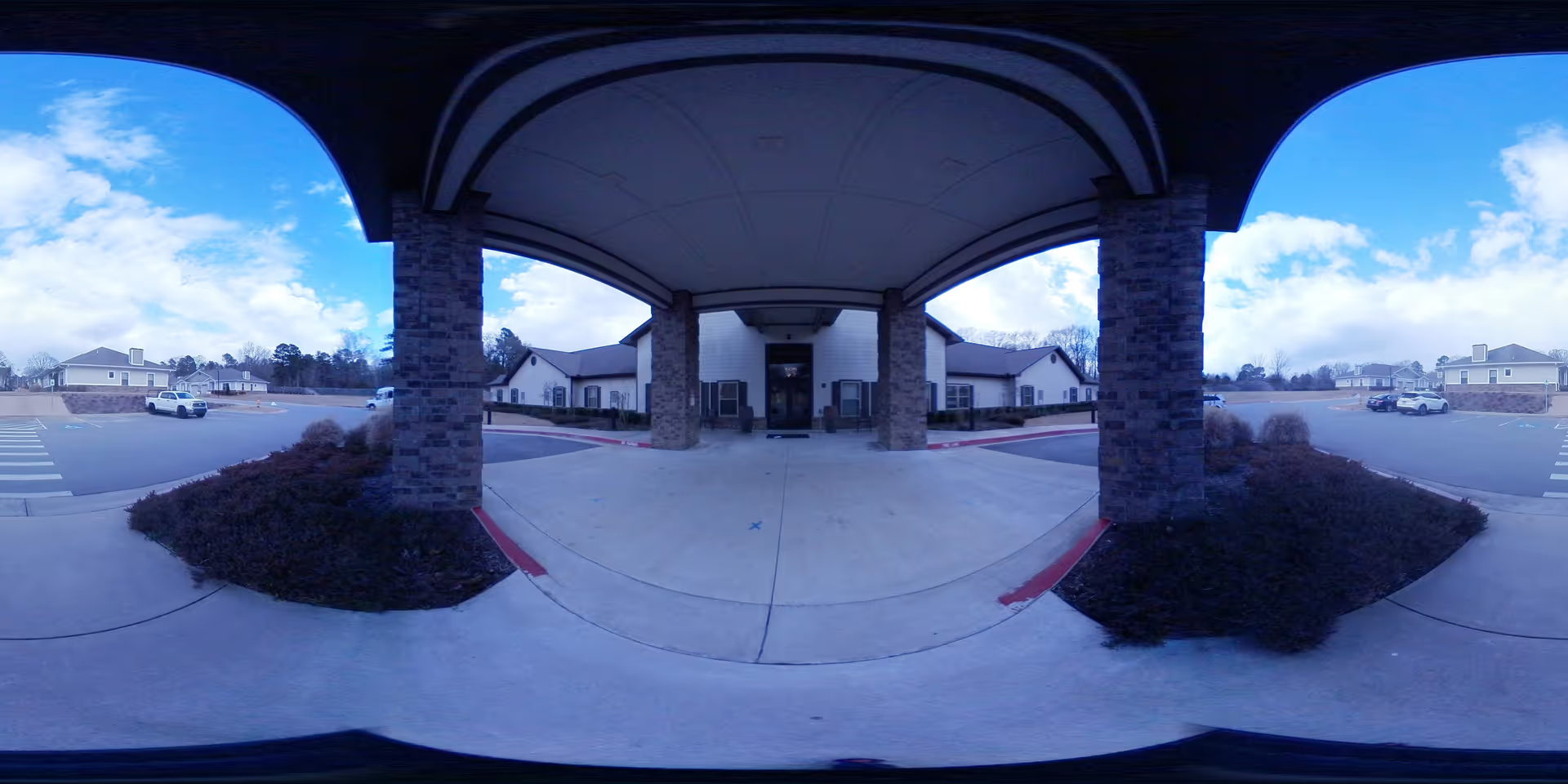
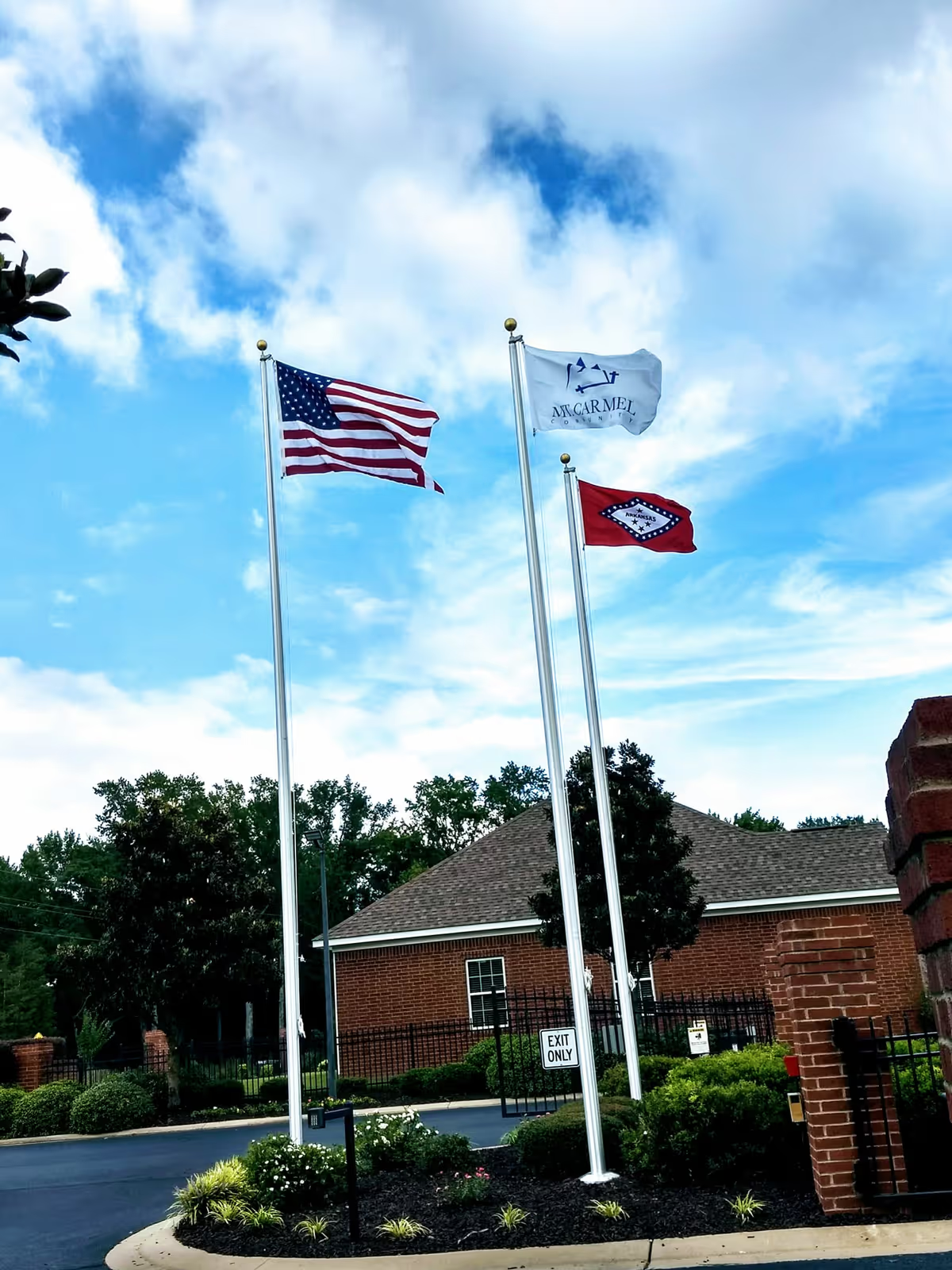
Good Shepherd Community presents as a broadly social, value-oriented retirement campus with a wide campus footprint, multiple housing formats, and a strong activity and amenity set. Reviewers frequently highlight friendly, attentive staff, expansive grounds (including walking paths, a lake/pond and fishing), and a range of on-site services such as a library with large-print materials, beauty salon, laundry, fitness room, and a sizeable activity area. Cottages and one-story designs are especially well regarded for independent living, and the community offers transportation, pet-friendly policies, and accessible features (wide automatic doors, elevators, hand rails) that support mobility.
Care and staffing impressions are generally positive: many accounts describe caring interactions, an engaged activities team, an on-site chaplain, and staff members singled out for exceptional support. At the same time, there is variation in staff responsiveness and professionalism across the campus; while some residents praise management and specific administrators, others note instances of unhelpful or less knowledgeable staff. Clinically, the campus provides assisted living and nursing levels on-site but some independent-living buildings have limited on-site nursing resources, so prospective residents should verify clinical capability relative to anticipated needs.
Dining and activities are strengths for much of the community. The dining program receives praise for themed and flavorful meals, multiple options, and occasional in-room delivery; a minority of comments indicate limited meal frequency in certain programs or a preference for more consistent offerings. Activity programming is extensive—bingo, book club, singing groups, exercise classes, holiday events and outings are commonly mentioned—but programming continuity has been affected at times by public-health restrictions and appears to vary by building. The community’s social environment and regular calendars/floor meetings contribute to a strong sense of belonging among long-term residents.
Facility condition and management practices are an area to review closely. The main/older buildings show signs of needing renovation and some reviewers noted inconsistent housekeeping or maintenance in those areas. Unit sizes can be small—especially studios and some kitchens—and accessible showers are limited in number. Operationally, there are practical considerations: long wait times for cottages, occasional delays in repairs or services, and administrative concerns such as strict move-out timelines and billing/refund processing delays. Prospective residents and families should tour multiple building types, confirm availability and timelines for desired housing, review clinical and accessibility features for their needs, and ask for written clarification on billing, move-out policies, and activity schedules to align expectations with the community’s strengths and limitations.