Hickory Heights Health and Rehabilitation Center elicits a strongly mixed set of impressions. Many families and residents praise the facility's rehabilitative strengths, compassionate bedside staff, and a recently remodeled, pleasant environment. At the same time, a number of concerns center on operational consistency — particularly in nursing coverage, medication handling, responsiveness, and management follow-through.
Care and staff: The facility receives frequent positive comments for attentive, family-oriented caregiving and an effective rehabilitation team; physical therapy and wound care are recurring strengths. However, reviewers also describe inconsistent nursing coverage, notable staff turnover, and variability in performance between daytime and overnight/weekend shifts. Specific operational issues raised include delayed responses to call signals and concerns about the tone of communication from some members of the leadership team. There are also expressed concerns about the facility's ability to meet the needs of residents with dementia, indicating a gap between some residents' needs and available long-term care practices.
Dining and nutrition: Hickory Heights offers meals delivered to rooms and accommodations for special diets, which many residents value. Reports about meal quality are mixed: some describe good dining and attentive meal service, while others note inconsistent seasoning, occasional spoiled items or handling issues, and variability in day-to-day food quality. Families considering placement should ask about kitchen oversight, dietitian involvement, and food-safety procedures.
Activities and therapies: Activity programming is a clear strength. The center runs a wide variety of social and spiritual programs (bible study, music, bingo), grooming classes, pet visitations, and transportation for outings. Reviewers highlight an engaged activity director and robust rehabilitative offerings, which support social engagement and mobility goals for many residents.
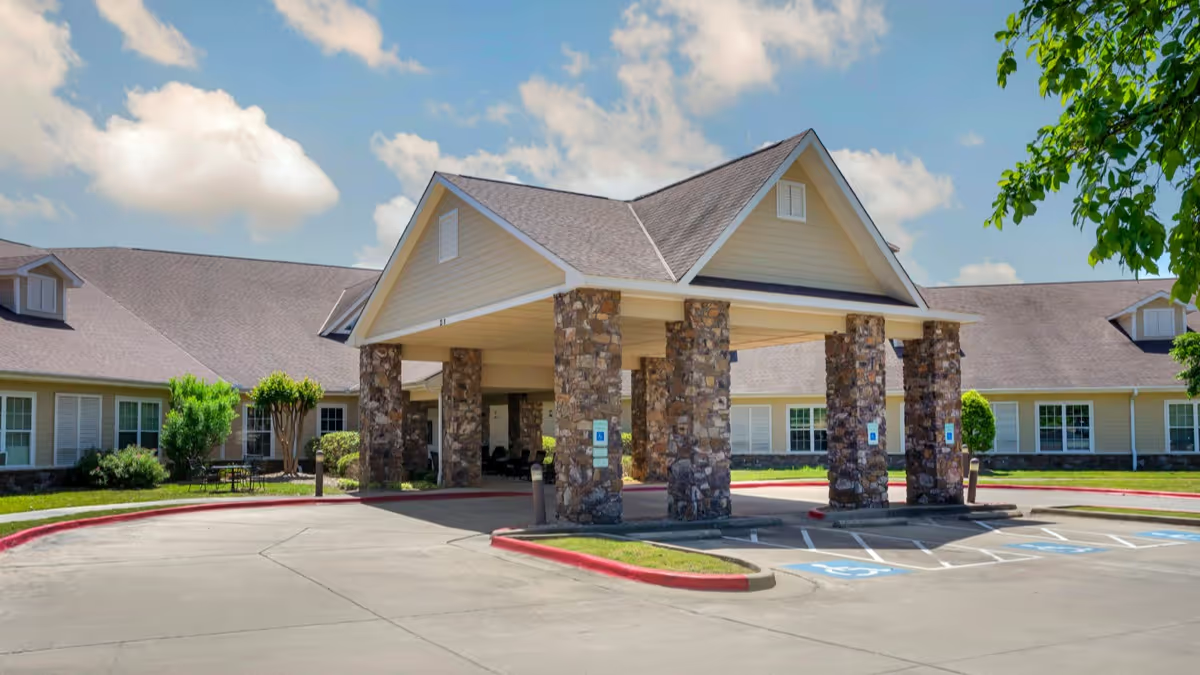
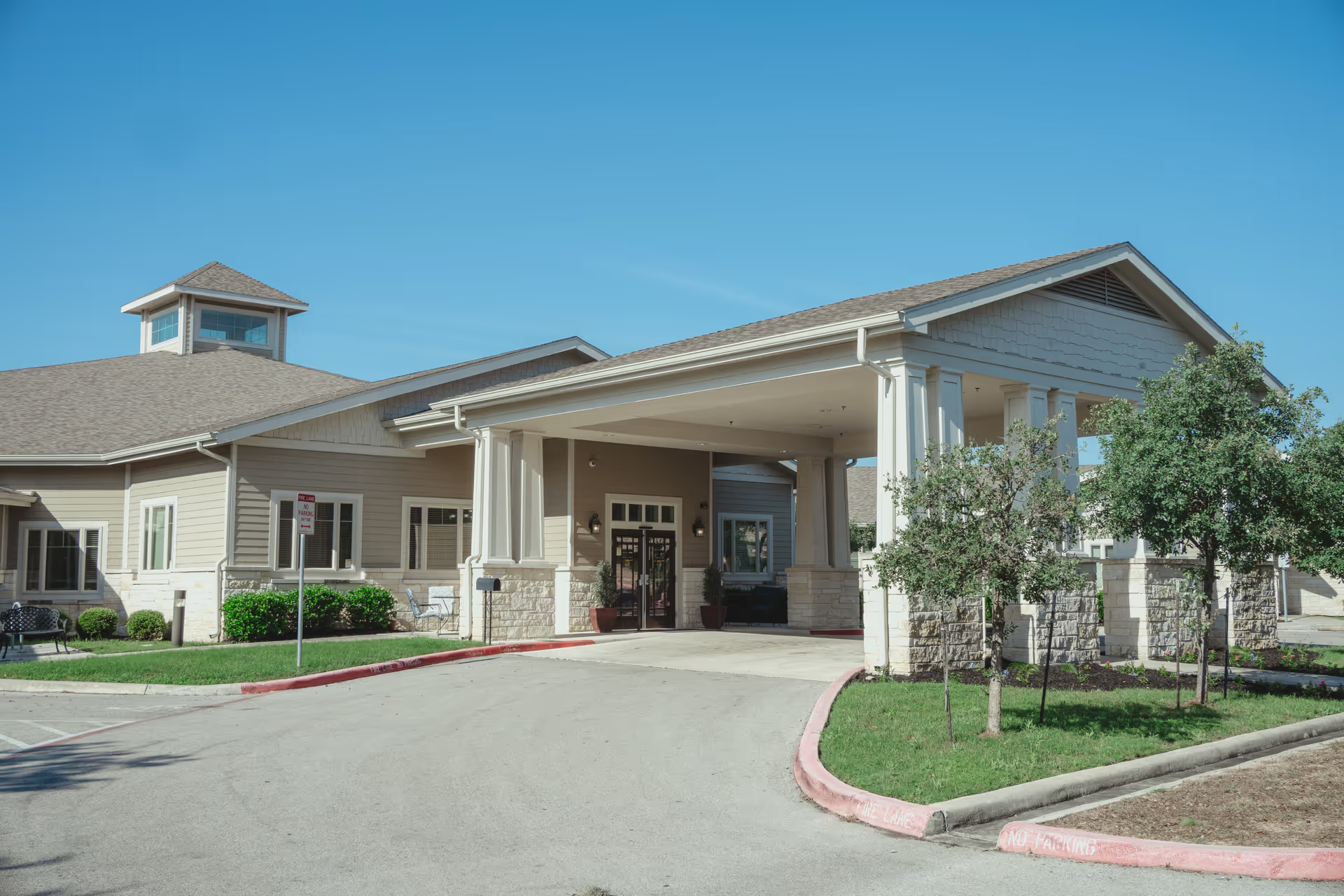
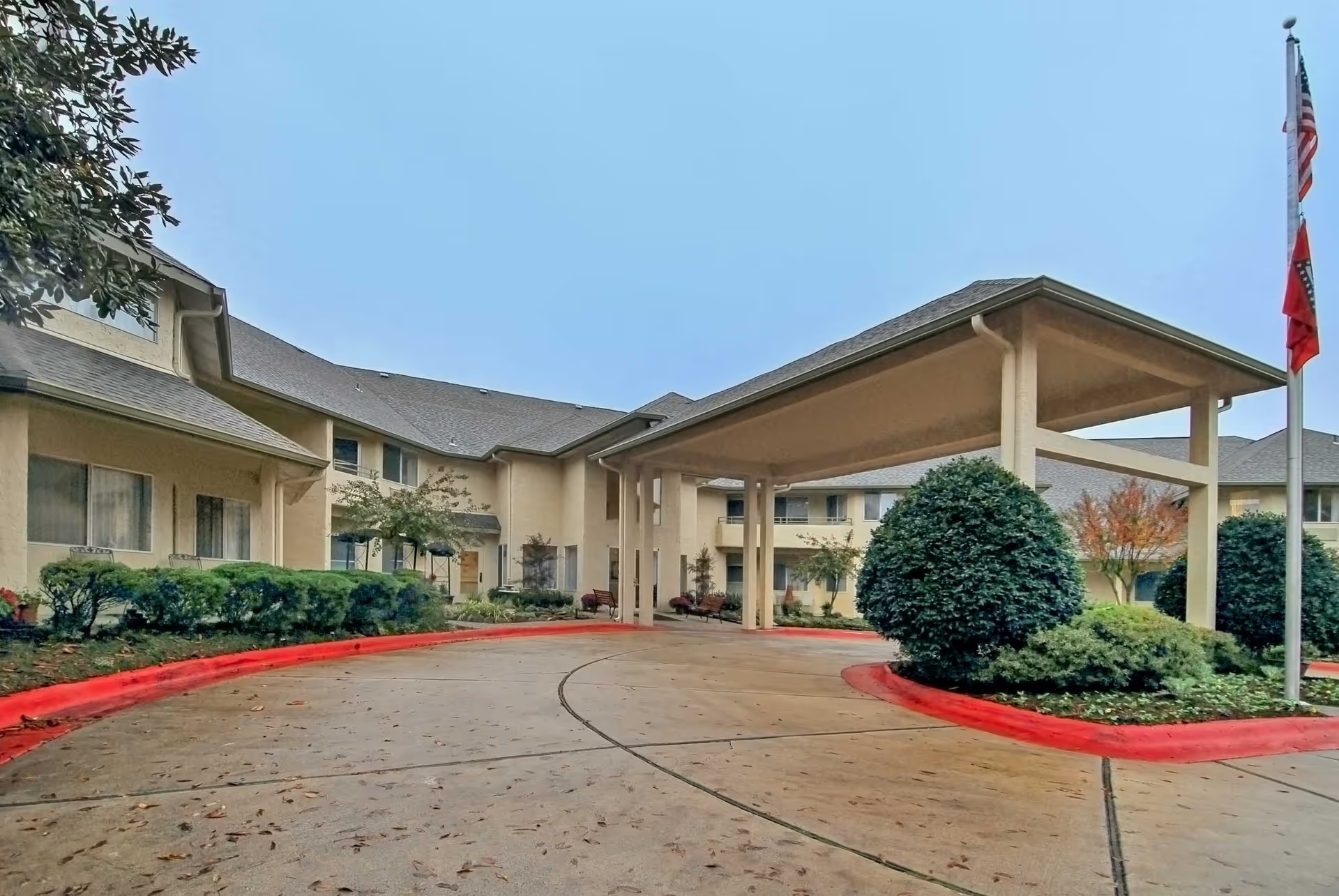
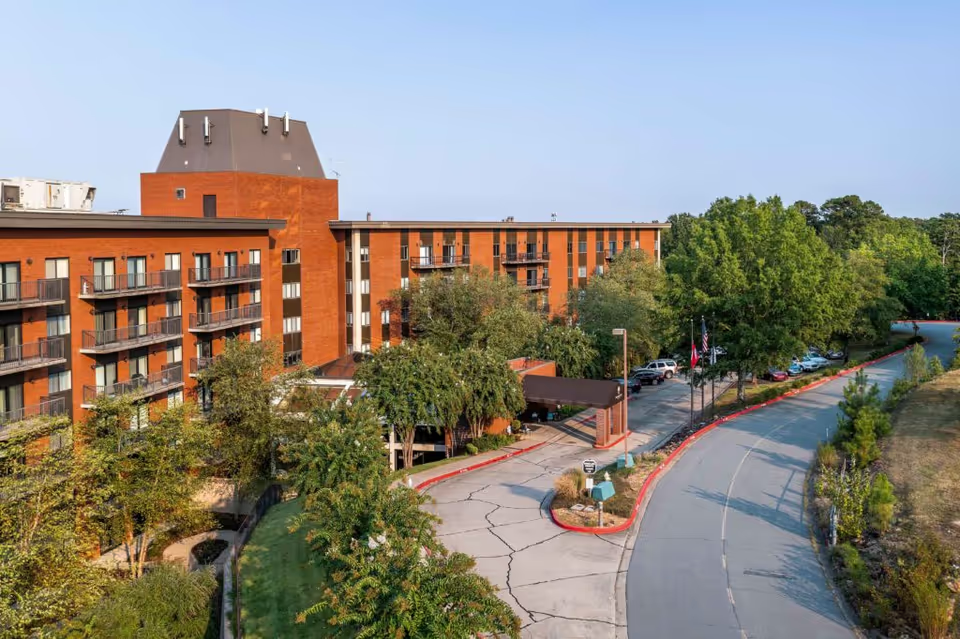
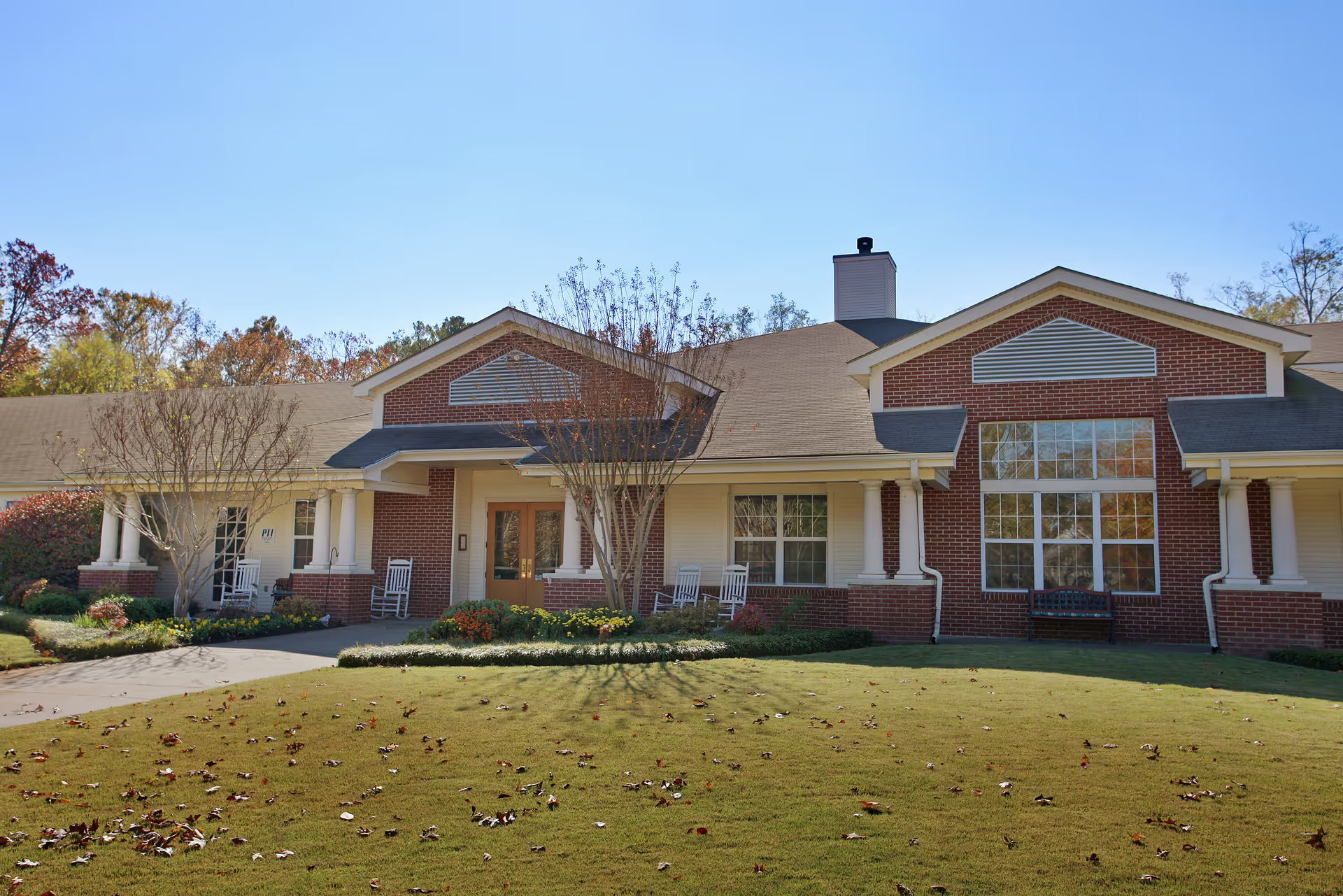
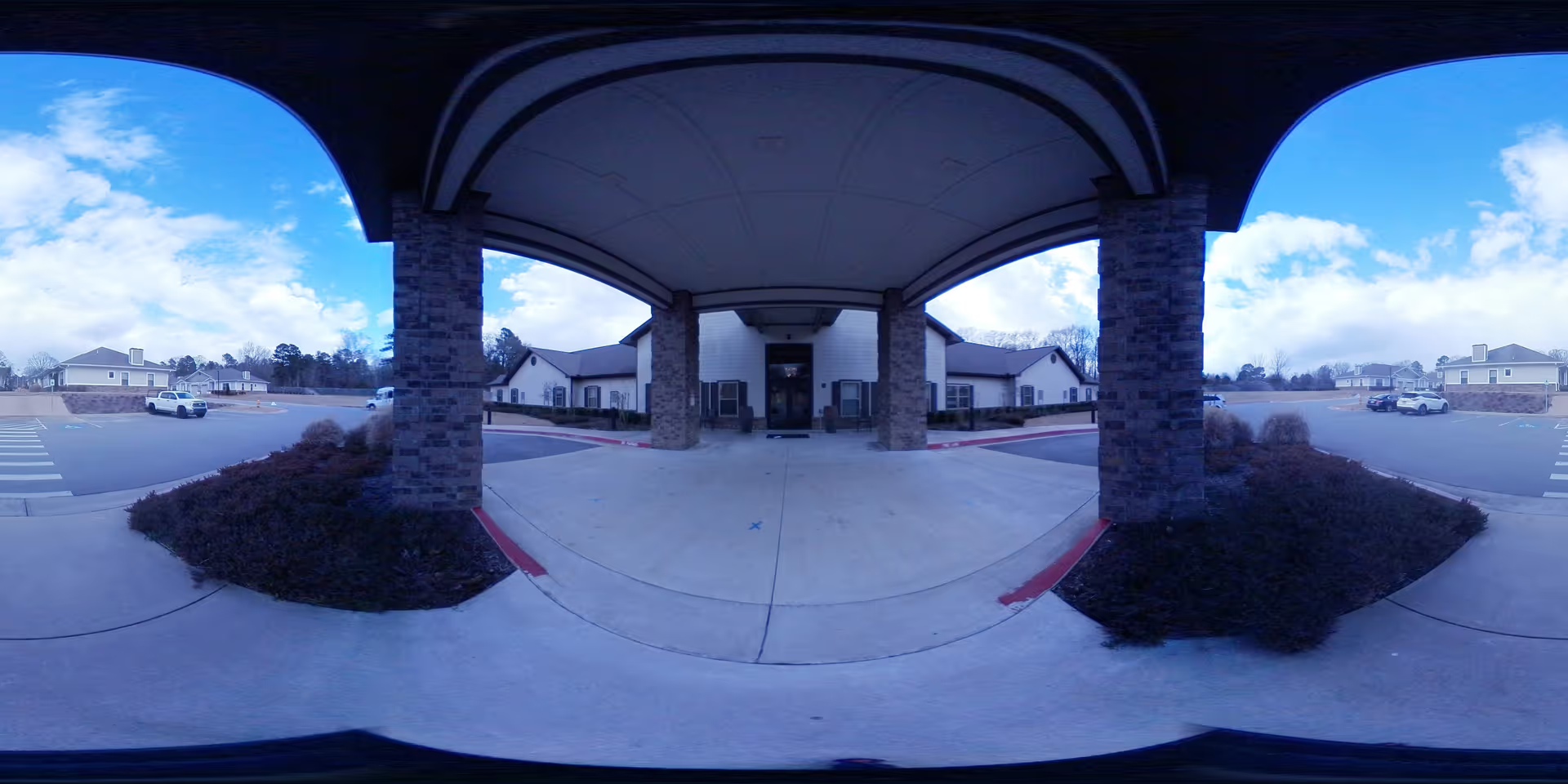
Facilities and amenities: The physical plant is frequently described as modern and clean following remodeling; features noted positively include a beauty shop, jacuzzi tub, common areas, and a pleasant backyard. At the same time, tight room layouts and a lack of private rooms are recurring practical limitations. Several reviewers expressed sanitation and localized odor concerns in parts of the facility, which suggests variable housekeeping performance across units.
Management, safety, and operations: Feedback on management responsiveness is mixed. Some families report prompt, constructive responses from administrators and accessible case coordination; others report weak follow-through on complaints, lost personal items, and security/accountability issues such as insufficient resolution of an automobile break-in and incomplete camera documentation. Medication documentation and handling practices are a frequent operational worry for reviewers and should be clarified during any tour. Overall, patterns indicate stronger performance for short-term, rehabilitation-focused care and less consistent reliability for long-term nursing needs.
Practical considerations: Prospective residents and families should balance the facility's strong rehabilitation services, active programming, and remodeled environment against documented operational weaknesses. Recommended pre-admission steps include touring at different times (day, evening, weekend), asking about staffing ratios and shift coverage, reviewing medication-administration and incident-reporting procedures, inquiring about dementia-care protocols, confirming room arrangements and privacy options, and discussing security and property-accountability policies. These inquiries can help clarify whether Hickory Heights' strengths align with a particular resident's clinical and psychosocial needs.