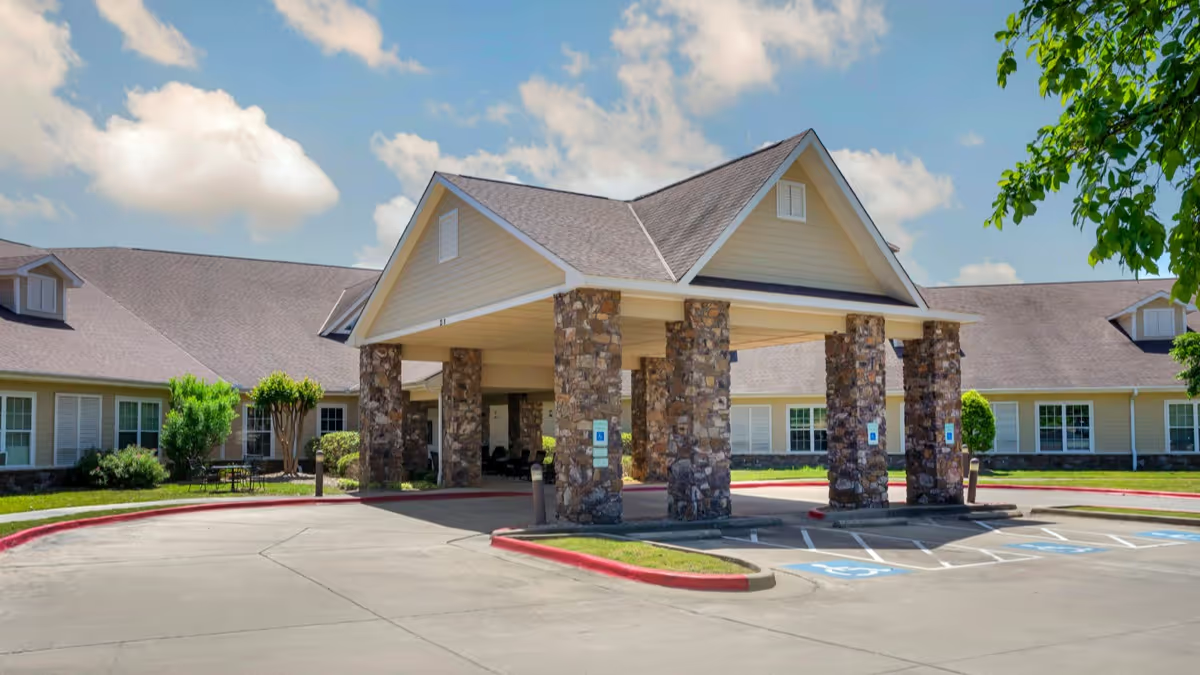
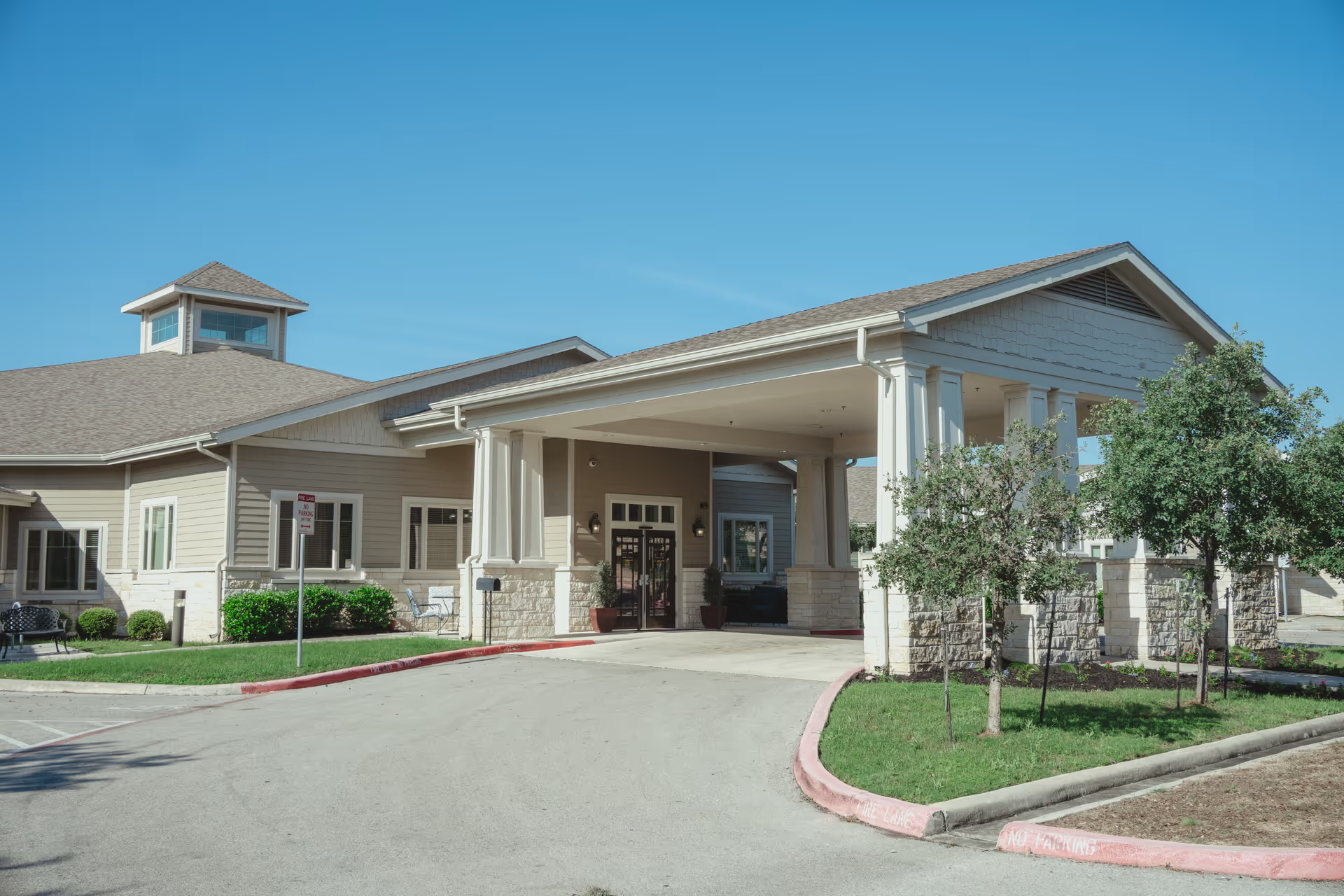
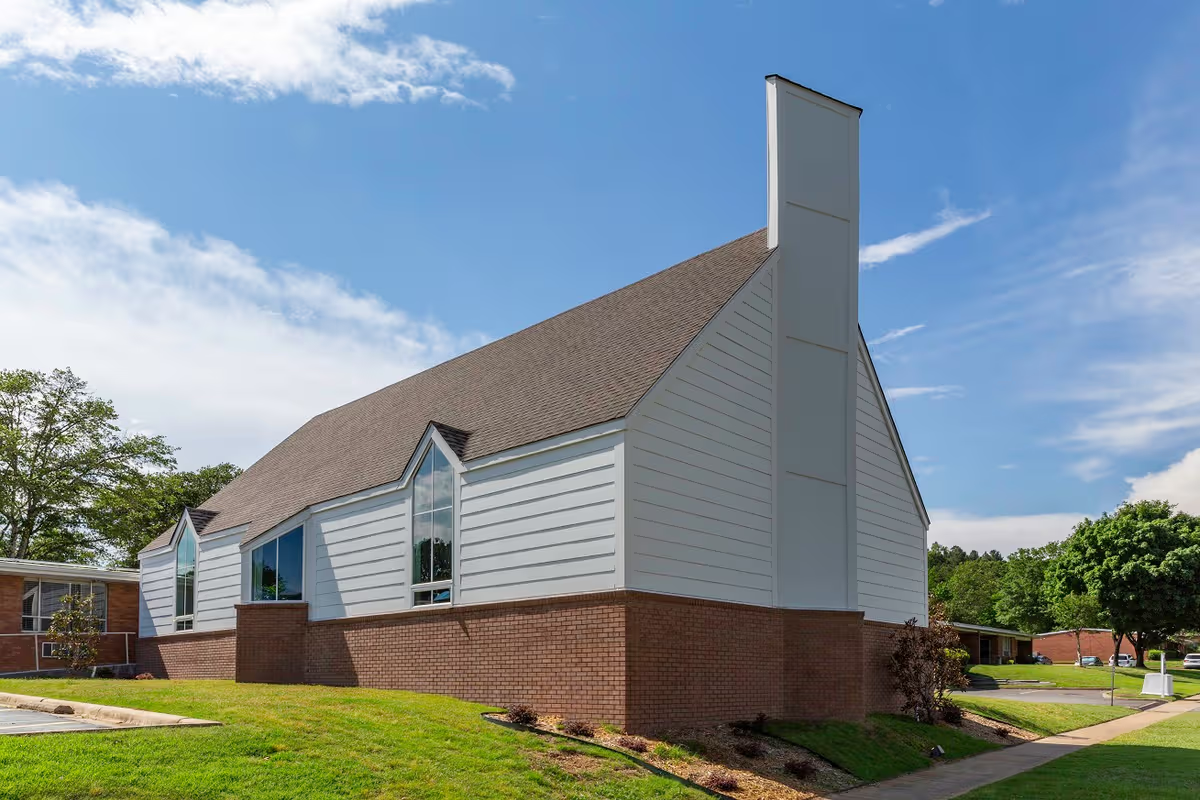
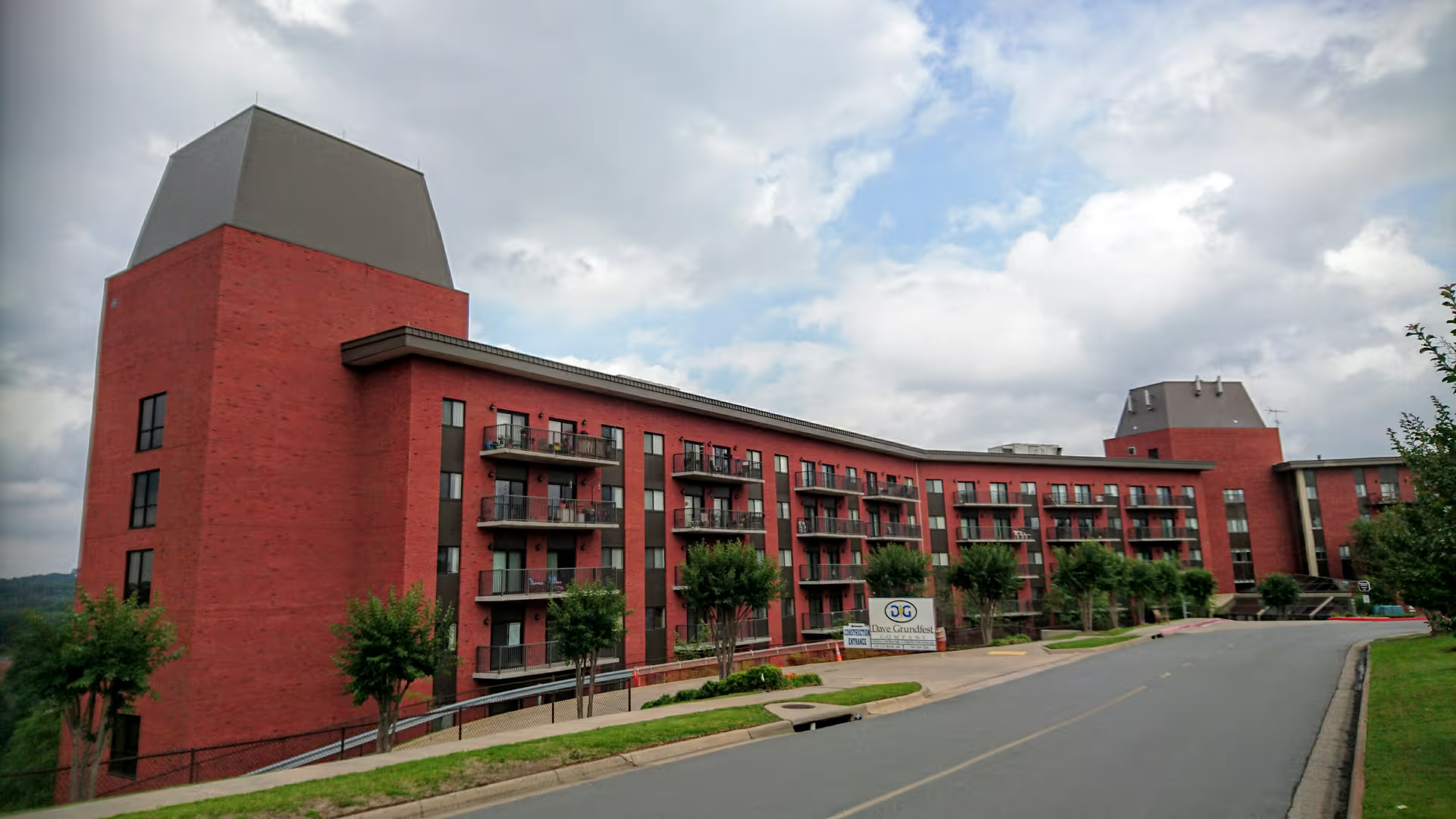
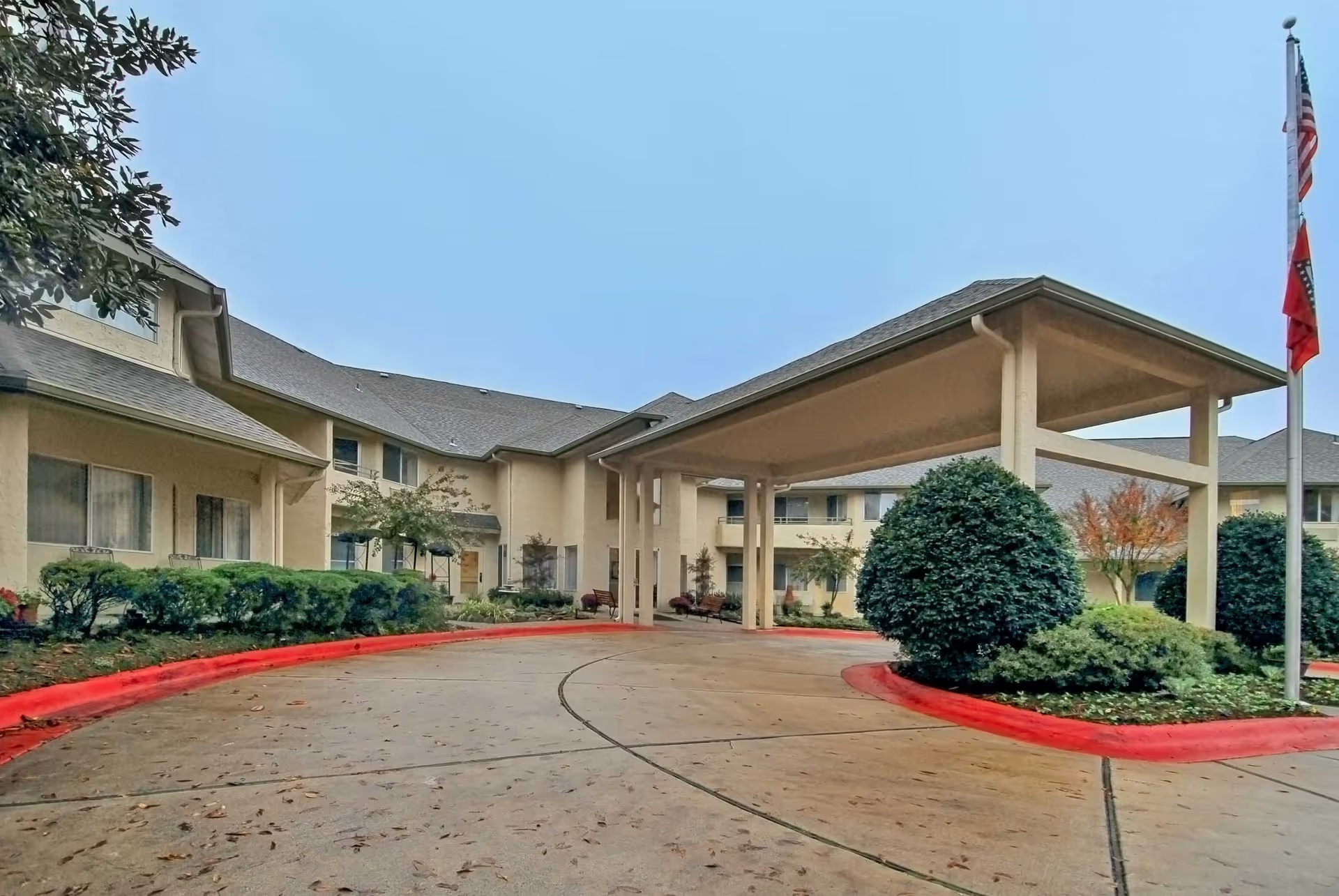
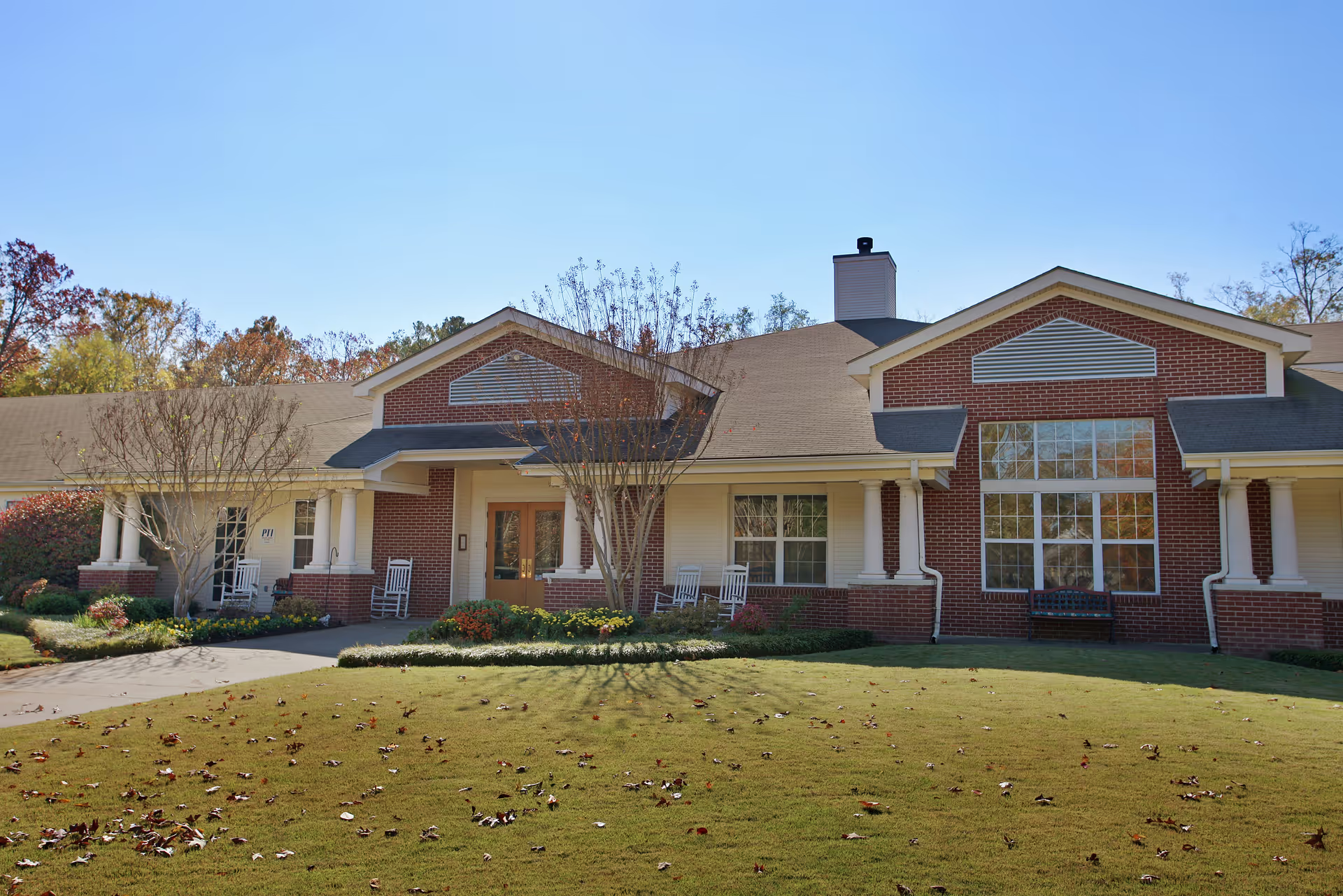
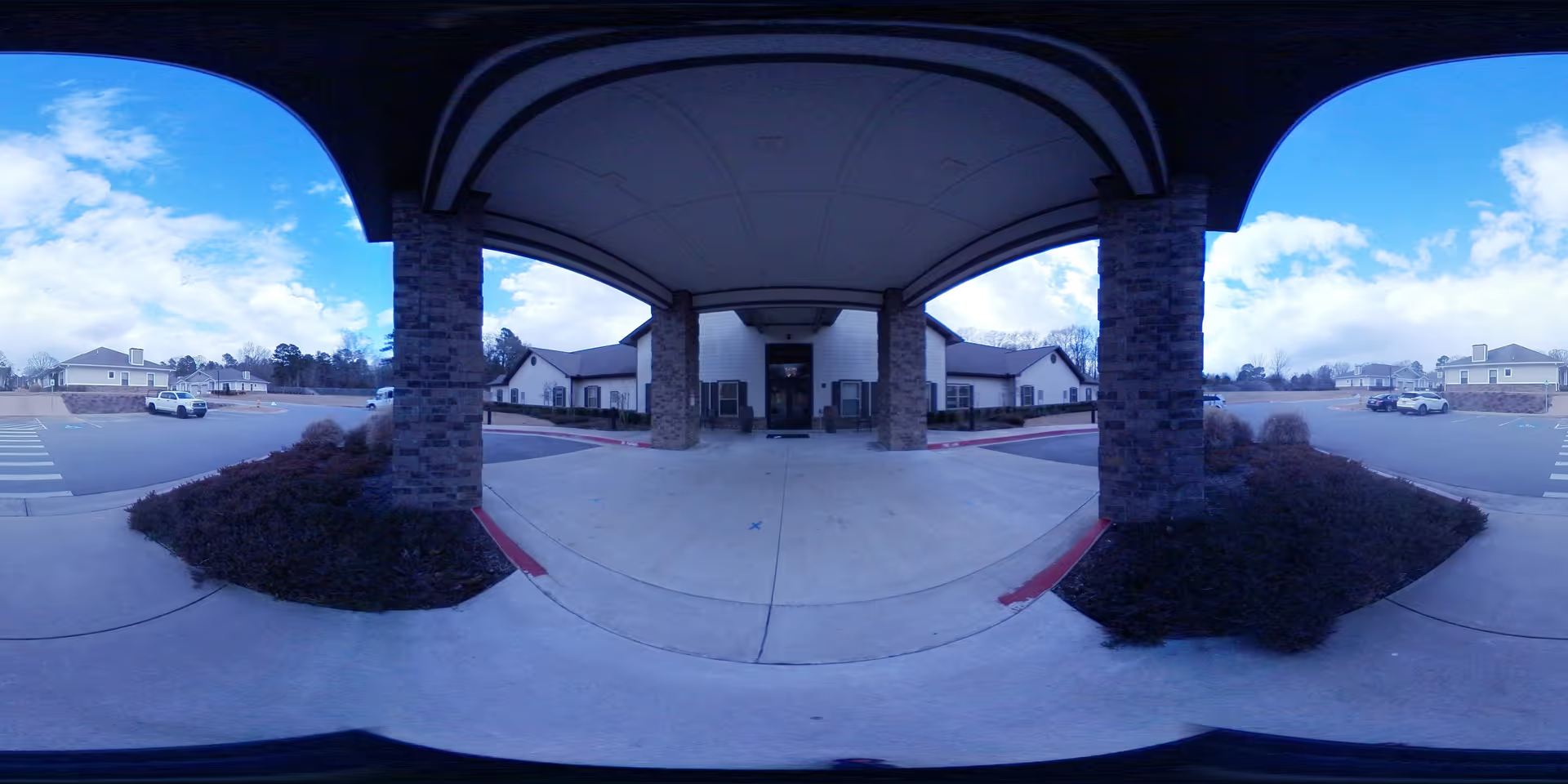
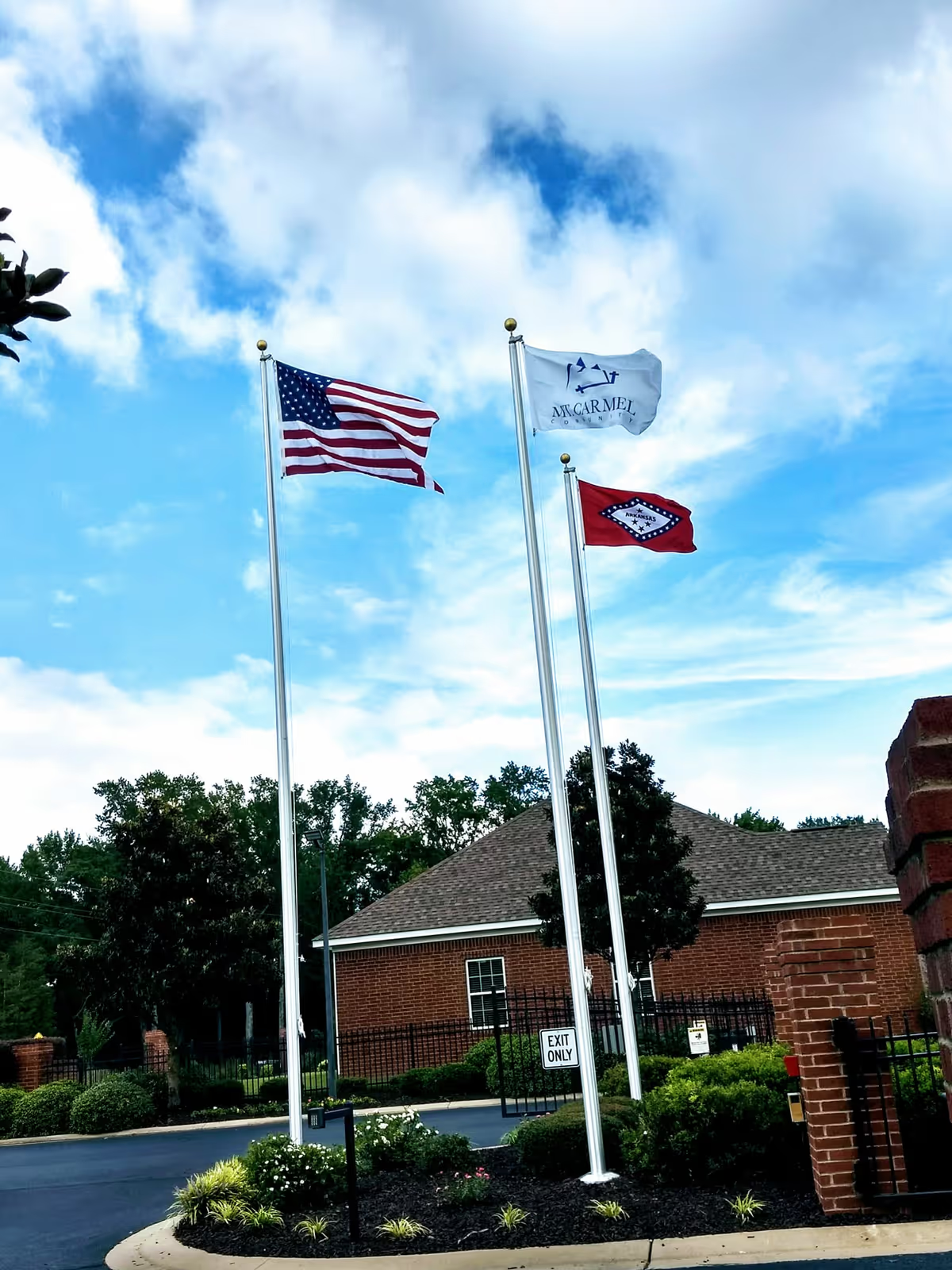
Parkway Village presents a mixed but well-defined profile: it is a large, landscaped campus with a wide range of housing and care levels, visible recreational amenities, and an active social program. Many reviewers praised the setting — ponds, trails, and common spaces — and highlighted the convenience of a gated campus with 24-hour security and shuttle services. There are multiple unit types (cottages, villas, apartments, duplexes) and recently renovated living spaces that appeal to people seeking an independent-living lifestyle with on-site services and communal amenities.
Care and staffing receive divergent comments. Numerous accounts describe attentive, helpful staff, registered nurses on site at times, and individualized attention from engaged administrators. Conversely, there are recurring operational concerns: staffing shortages, call-ins, and retention challenges that appear to affect continuity of care and the tone of some staff–resident interactions. Several accounts indicate a reduction in on-site clinical coverage compared with prior years, including the absence of a dedicated on-site physician; prospective families should verify current clinical staffing levels and after-hours response protocols.
Dining and food service are another area of variability. Some residents describe well-balanced, enjoyable meals and pleasant dining rooms, while others note inconsistent food quality, limited menu choices, and occasional problems with meal temperature and portioning. Meal frequency and service can differ by housing level (examples include two meals per day or limited meal options after pandemic-era changes), and meals are commonly included in fees without discount for non-use. These factors make it important to confirm current dining schedules, sample menus, and dietary accommodations during a tour.
Activities and amenities are a clear strength for many: indoor pool, fitness rooms, water volleyball, clubs, arts, bingo, library, and shuttle/transportation services support an active social life. Programming appears robust and varied, though some visitors characterized certain offerings as oriented toward an older demographic or limited in scope. The community setting and frequent social opportunities were consistently cited as contributing to residents’ quality of life.
Facility condition is uneven. Grounds and some updated units receive positive remarks for appearance and maintenance, and maintenance staff are often described as responsive to repair requests. At the same time, multiple comments point to aging infrastructure in parts of the campus, lighting and accessibility shortfalls in assisted-living areas, courtyard drainage and blinds needing repair, and sanitation and pest-control concerns that warrant attention. The physical layout (distance from cottages to main house, slow elevators, and some uneven walking surfaces) may be relevant for mobility-limited residents.
Management and financial practices are a recurring theme. The community operates with buy-in and monthly-fee models that are considered high by many, and there are repeated complaints about unexpected or large rate increases and perceived deviations from earlier pricing assurances. Some reviewers expressed concerns about occupancy levels and cost-containment measures that they felt affected services. Prospective residents should review contract language carefully, confirm fee escalation caps, ask about vacancy and renovation plans, and clarify what services are guaranteed versus subject to change.
In summary, Parkway Village offers an appealing campus with a broad range of living options, strong social programming, and visible strengths in maintenance responsiveness and community amenities. However, there are identifiable operational risks: inconsistent dining service, staffing and clinical-coverage gaps, uneven facility condition, sanitation and pest-control issues in some areas, and notable financial/management disputes. Families considering Parkway Village should tour multiple unit types (including assisted and memory-care areas), sample current meals, request written clinical-staffing and fee policies, and ask for a timeline of planned renovations to ensure the community’s current service levels and contractual terms meet their expectations.