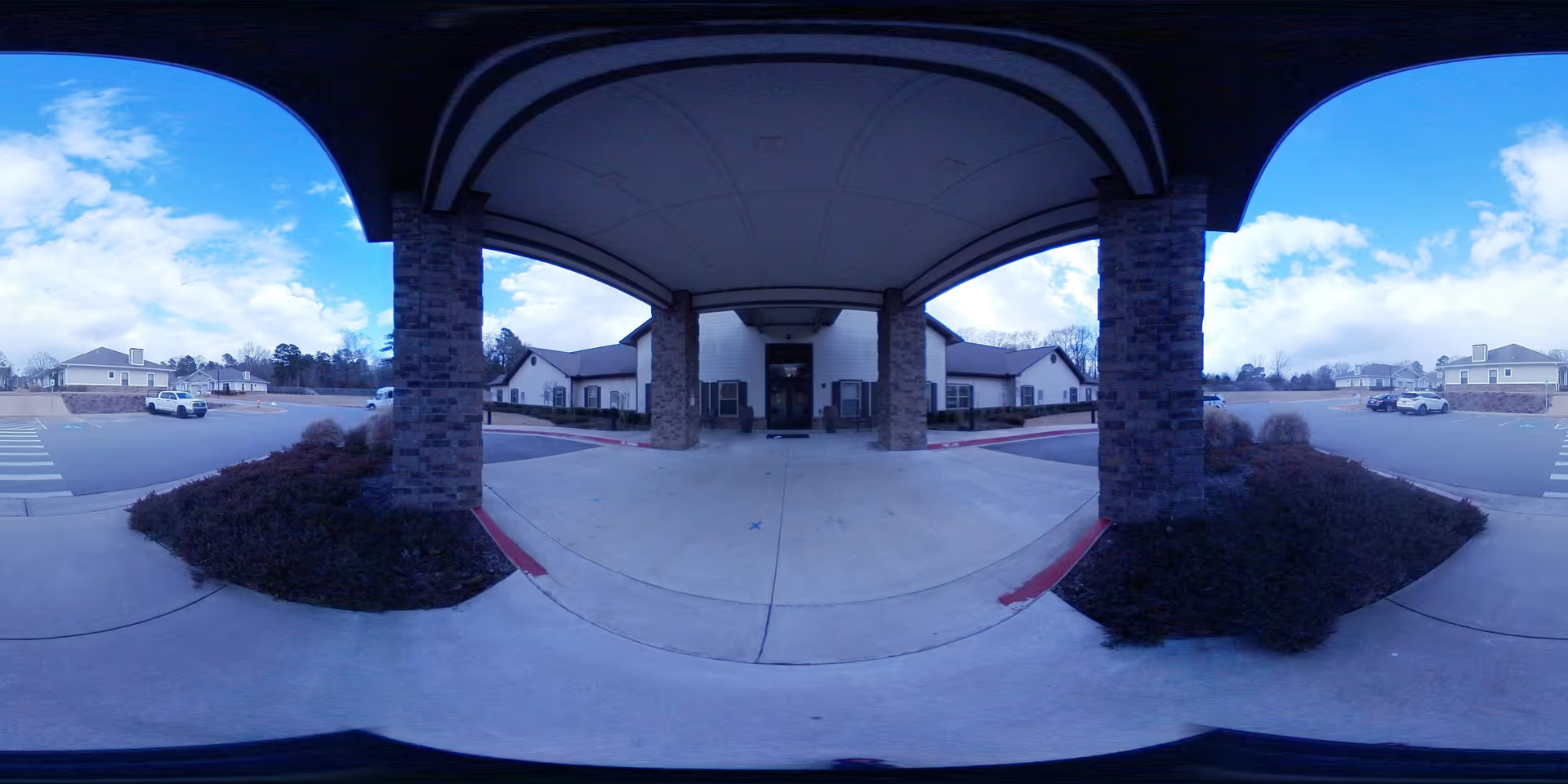
Reviews of Pinnacle Place Memory Care present a mix of clear strengths alongside recurring operational concerns. Many families praised the facility’s explicit memory-care focus: trained caregivers, an on-site nurse, organized neighborhoods for similar levels of need, and noted strengths in medication management and personalized care planning. Reviewers who had positive experiences highlighted compassionate, patient staff, proactive family communication (including monthly family meetings and social-media updates), and practical assistance with admissions and transitions.
Staff and care quality are described in contrasting terms. Positive commentary emphasizes caregivers who are engaging, dementia-informed, and attentive, and an active activities staff that encourages participation. However, a consistent theme among critical comments is unstable staffing levels and gaps in skill or training for higher-acuity memory-care needs. Several reviews describe turnover and staffing stretch that translated to delays in care, inconsistent attention during weekends, and questions about the facility’s capacity to manage residents with more complex clinical requirements. There are also mentions of inconsistent clinical-incident follow-up and documentation practices that families found concerning.
Dining and activities receive generally favorable notes for offering structured programming: gardening, exercise classes, occasional trips, a hair salon, and communal dining with menu choices. That said, some reviewers described variability in meal quality and insufficient monitoring of nutrition for residents who require closer oversight. Activity levels likewise ranged from active and engaging to limited group offerings depending on staffing and scheduling.
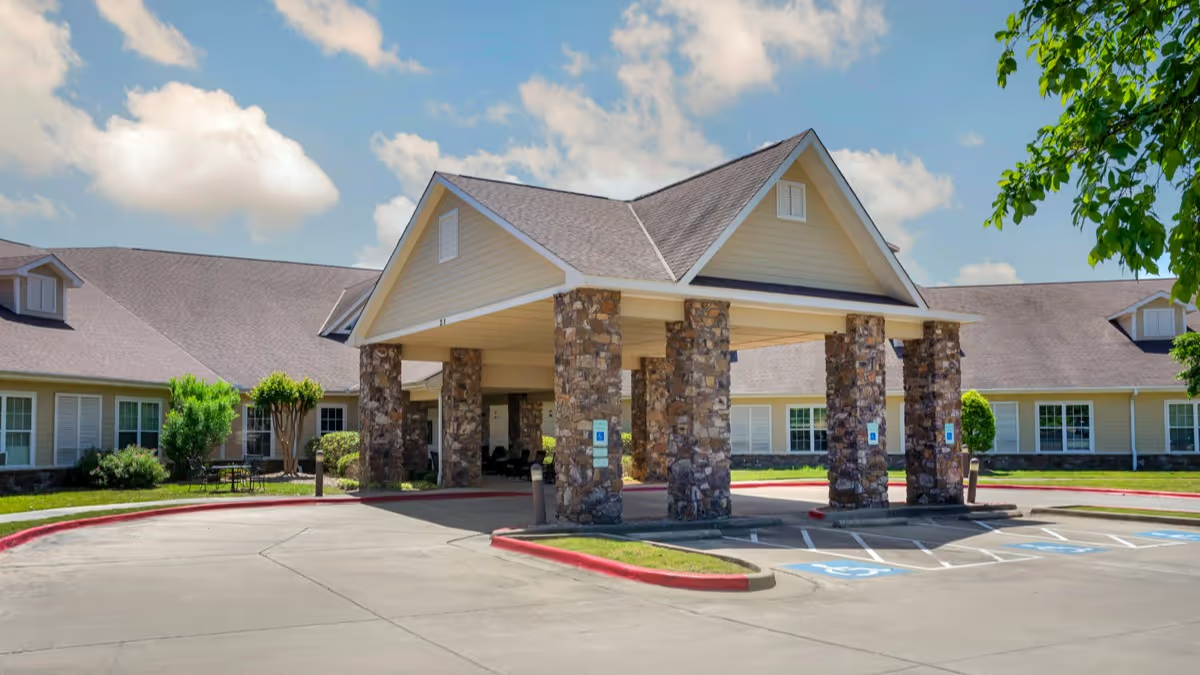
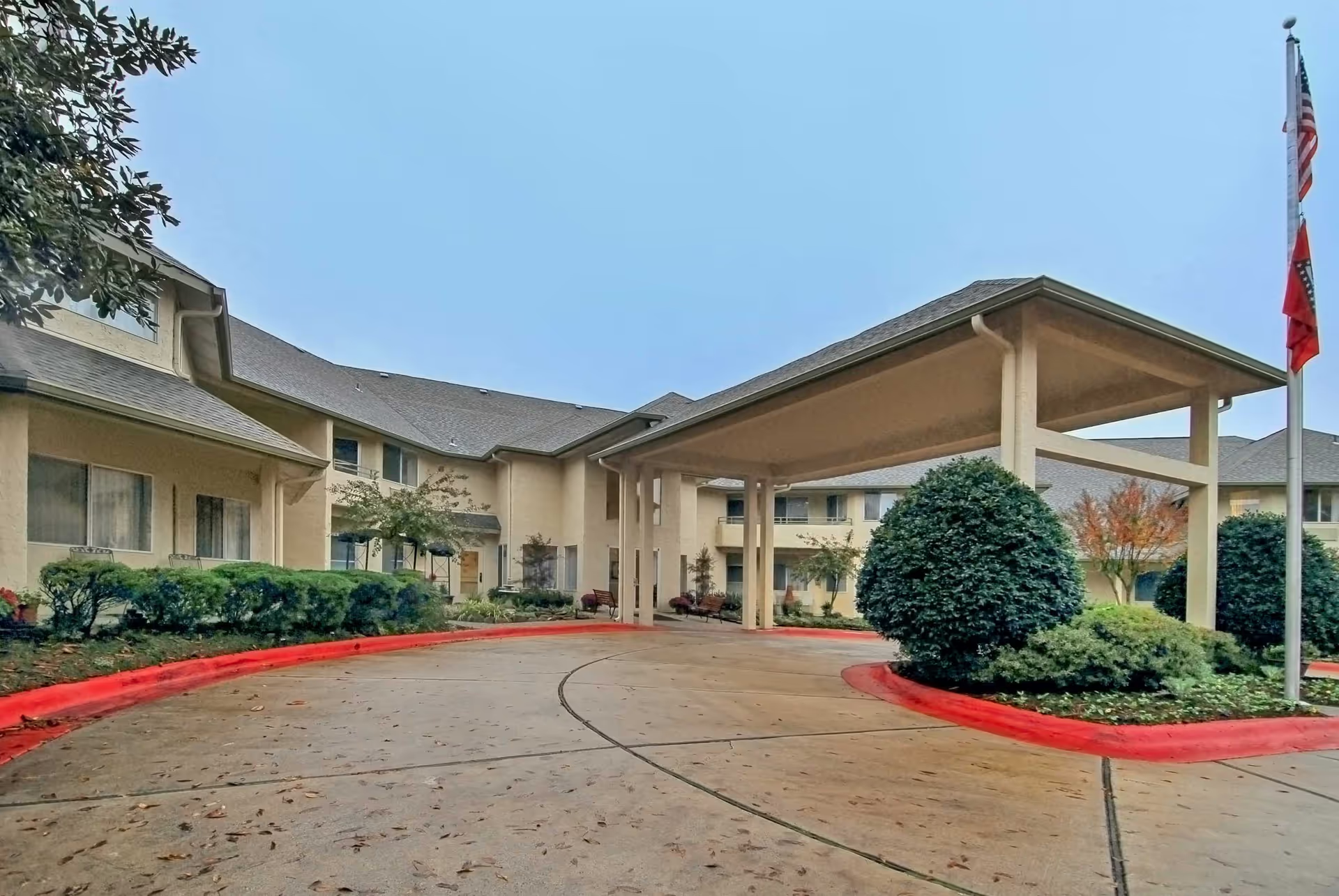
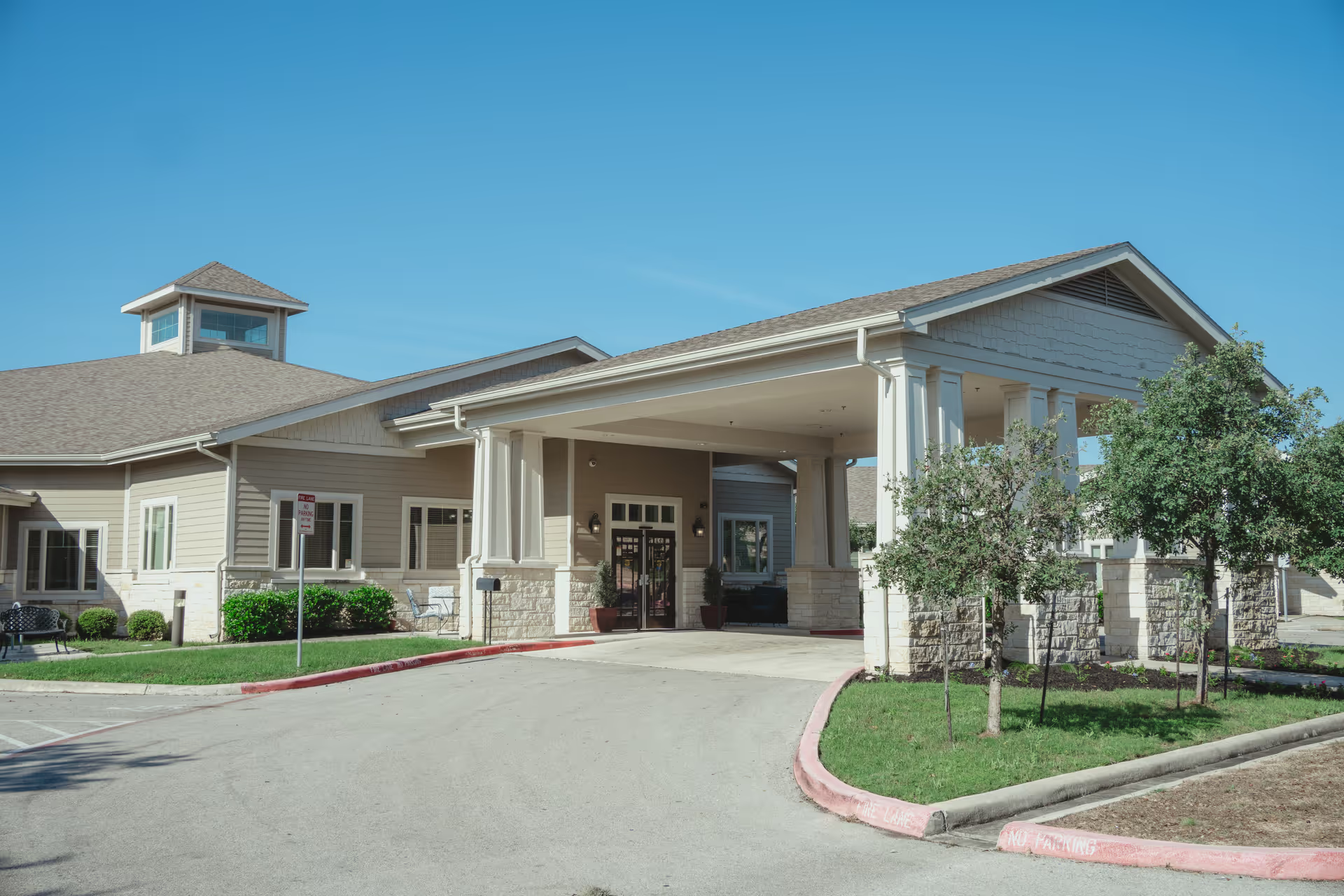
Facility condition is often described positively: a new-looking building, clean private rooms, pleasant common areas, and secure outdoor walking spaces. Counterbalancing this, a number of reviewers cited variable housekeeping consistency and periodic maintenance or comfort issues (for example, HVAC concerns or localized cleanliness and upkeep). These operational issues appeared to fluctuate over time and by unit.
Management and administrative behavior is a mixed picture. Some families praised responsive leadership, named staff who provided helpful guidance, and described rapid improvements under newer management. Others experienced inconsistent transparency about clinical capabilities, administrative communication lapses, and a perception that financial/occupancy priorities sometimes affected placement decisions. The facility’s limited payer acceptance (no Medicaid) is an operational constraint that may affect affordability for some families.
Overall, Pinnacle Place may be a good fit for families seeking a memory-care–oriented community with engaged activities, medication oversight, and a personable caregiving team — provided that families confirm current staffing levels, clinical capacity for the specific level of need, weekend coverage, housekeeping routines, incident-response procedures, and payer policies during an in-person tour. Prospective residents and families should ask targeted questions about staffing ratios, dementia-specific training, documentation of incidents, maintenance protocols, and how the community handles transfers when care needs escalate.