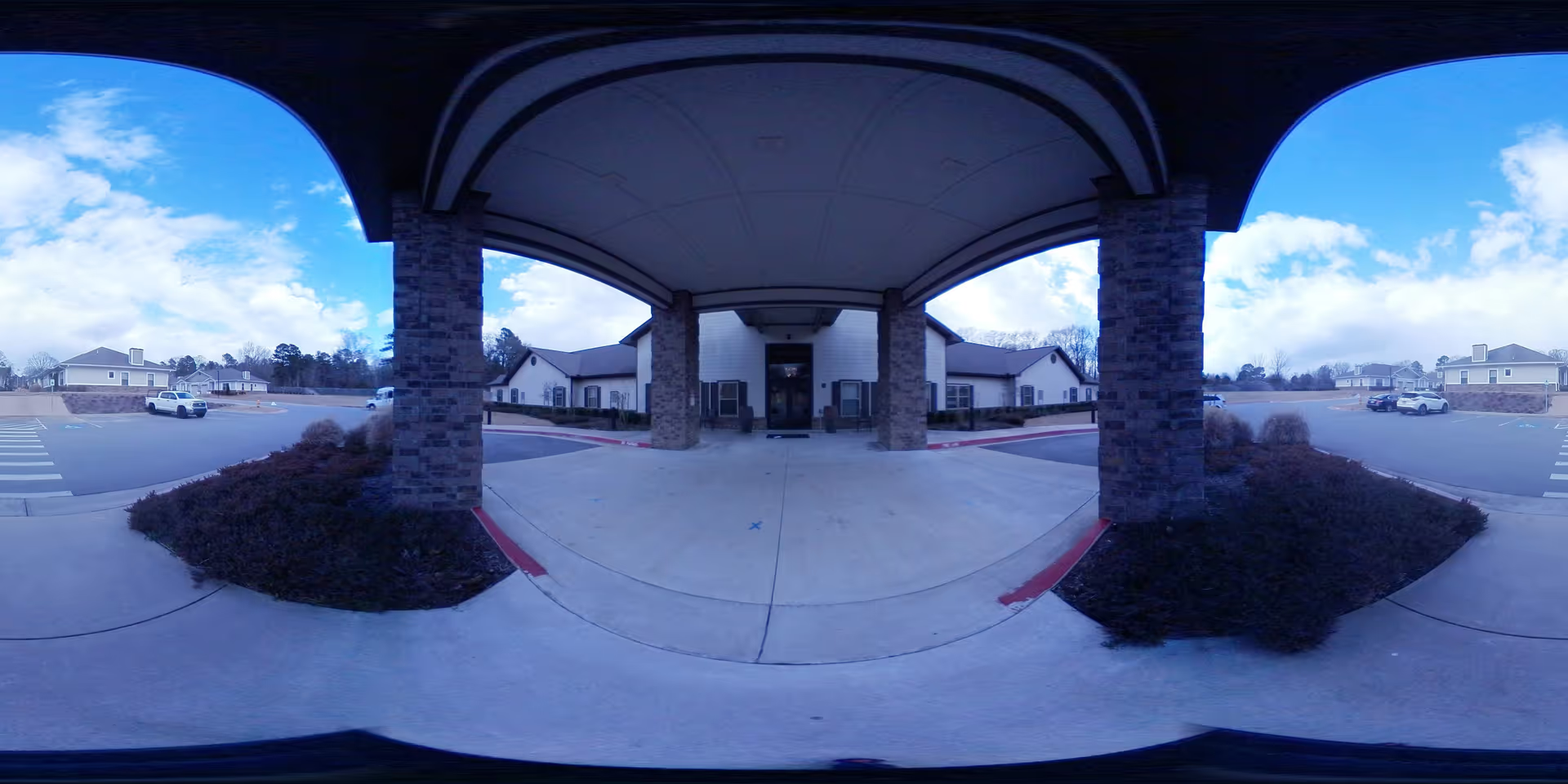
The reviews indicate mixed experiences at Valley Ranch Nurse & Rehab Center with several recurring operational and clinical patterns. Clinically, reviewers raised concerns about inconsistent monitoring of basic needs—specifically fluid intake and general clinical status—and about infection-related hospitalizations. There are also reports suggesting gaps in pressure-ulcer prevention and personal-care routines. In addition, multiple accounts describe limited or no follow-up after ambulance transfers or hospital stays, which points to care-coordination weaknesses during transitions of care.
Staffing and culture appear to be uneven. One consistently mentioned strength is the facility's director of nursing; however, many reviews describe a heavy reliance on agency and temporary staff and a perceived lack of continuity among permanent caregivers. These staffing patterns are associated with concerns about responsiveness, communication tone, and the consistency of day-to-day assistance. Reviewers also raised privacy and HIPAA-related concerns in specific instances, and noted occasions when staff interactions were perceived as unhelpful or discourteous.
Management and operations show several themes that prospective families should consider. Reviewers noted a change in ownership and referred to operational disorganization, including attempted relocations and unclear administrative processes. Billing and payment issues were also mentioned, suggesting that financial-administration practices may require careful review before placement. Visitation policies were described as inconvenient for some families; pandemic-era restrictions were referenced, and some reviewers cited difficulty obtaining flexible visitation arrangements post-pandemic.
Facility condition and nonclinical services received mixed comments. Several reviewers described cleanliness issues related to linens and resident rooms and raised incontinence-care concerns; these suggest opportunities for improvement in environmental services and laundry protocols. There is limited reporting about dining quality and recreational programming in the available summaries; activity and social programs were not a prominent focus. Rehabilitation services are present on site, but several reviewers felt rehabilitative outcomes—particularly after significant events such as stroke—were insufficient for complex cases.
Notable patterns across the summaries include staffing instability (agency reliance), gaps in care transitions and follow-up, communication and privacy concerns, and operational/administrative instability tied to recent ownership changes. At the same time, the presence of on-site nursing and rehab services and a noted competent director of nursing are positive attributes. Prospective residents and families should consider in-person inspections, direct questions about staffing ratios and agency use, written post-transfer follow-up protocols, infection-control measures, linen and housekeeping procedures, and clear billing practices before making placement decisions.