The reviews present a mixed portrait of Three Rivers Healthcare and Rehabilitation. Several families praised daytime caregivers, the activity program, and the facility’s visible upkeep; they described competent administration and helpful staff during the admission and early-care period. At the same time, multiple reviewer accounts identify operational gaps that appear to affect both perceived quality and family confidence.
Care quality shows divergence by shift. Daytime coverage and administrative responsiveness are frequently described as strengths: staff are characterized as supportive, activities are engaging, and leadership is viewed as experienced. However, reviewers repeatedly note inconsistent staffing levels and supervision on weekends and off-peak hours, which correlates with slower response times to resident needs and lower perceived care attentiveness. There are also specific concerns about emergency-response coordination and limited local transport options; one reviewer indicated a significant delay in ambulance availability, and others urged verification of the facility’s emergency protocols. Reviewers also described shortcomings in hospice coordination and end-of-life support, which some families felt complicated transitions to palliative care.
Staff and management impressions are similarly mixed. Positive comments emphasize compassionate daytime caregivers and accessible administrators who appear invested in resident quality of life. Conversely, complaints focus on variability in staff conduct and responsiveness outside peak hours, inconsistent supervisory oversight, and serious allegations relating to staff theft and financial misconduct. These latter claims elevate concerns about accountability and internal controls; families interested in the facility should ask management about staff vetting, incident reporting processes, and financial safeguards.
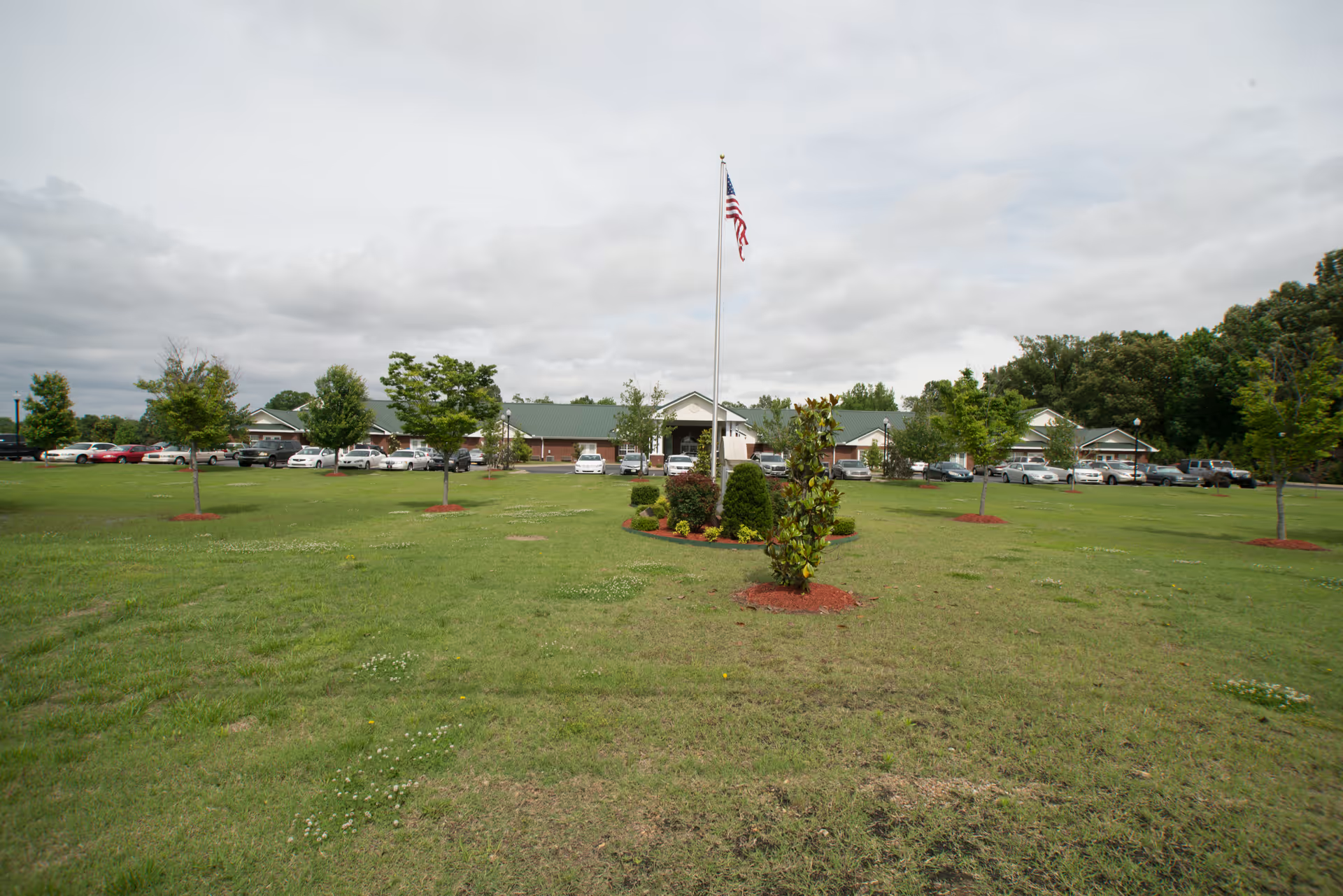
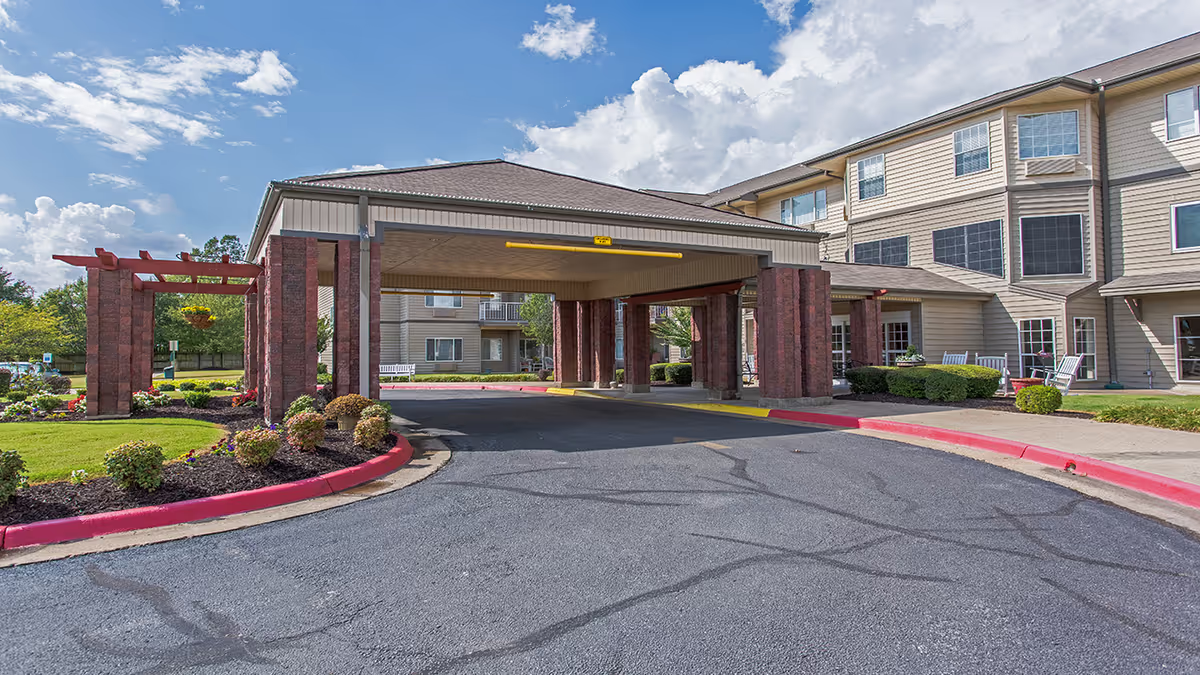
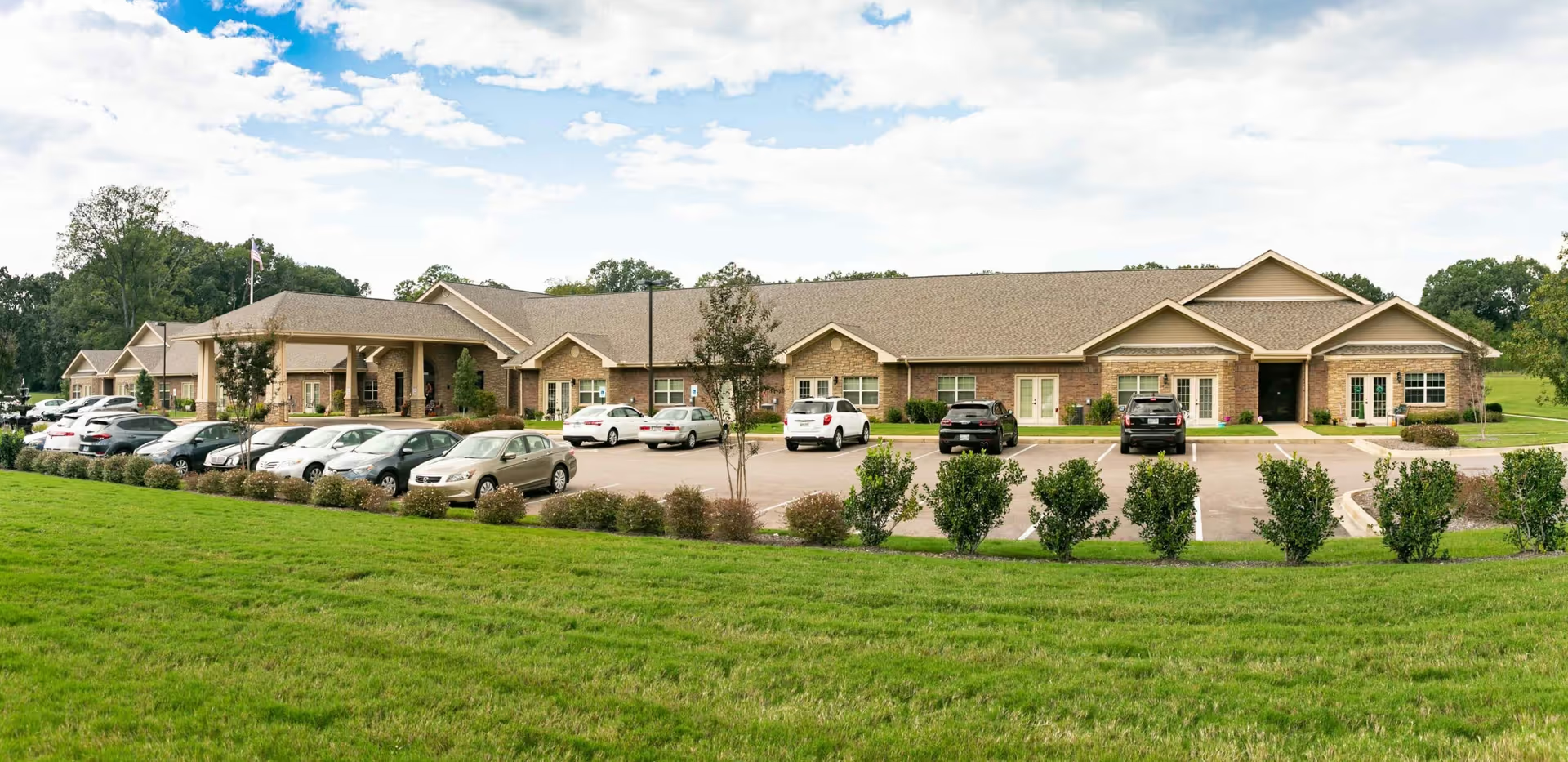
Facility condition and housekeeping received both praise and critique. Several reviewers described clean, well-maintained common areas and an overall tidy appearance, while others reported sanitation concerns in resident areas and issues with waste management. This suggests uneven implementation of housekeeping standards across units or shifts. Dining was not a prominent theme in the summaries provided; however, multiple comments raised questions about value and cost, indicating that prospective residents should review fee structures and what is included in pricing.
In summary, Three Rivers demonstrates clear operational strengths in daytime caregiving, activities, and administrative experience, but it also exhibits recurring operational weaknesses: variable staffing and supervision on weekends, gaps in emergency-response planning, inconsistent housekeeping, and concerns about hospice coordination and internal accountability. Prospective residents and families should verify weekend staffing ratios, review emergency transfer arrangements, ask about hospice partnerships and housecleaning schedules, and inquire into the facility’s policies for financial controls and incident investigation before making placement decisions.