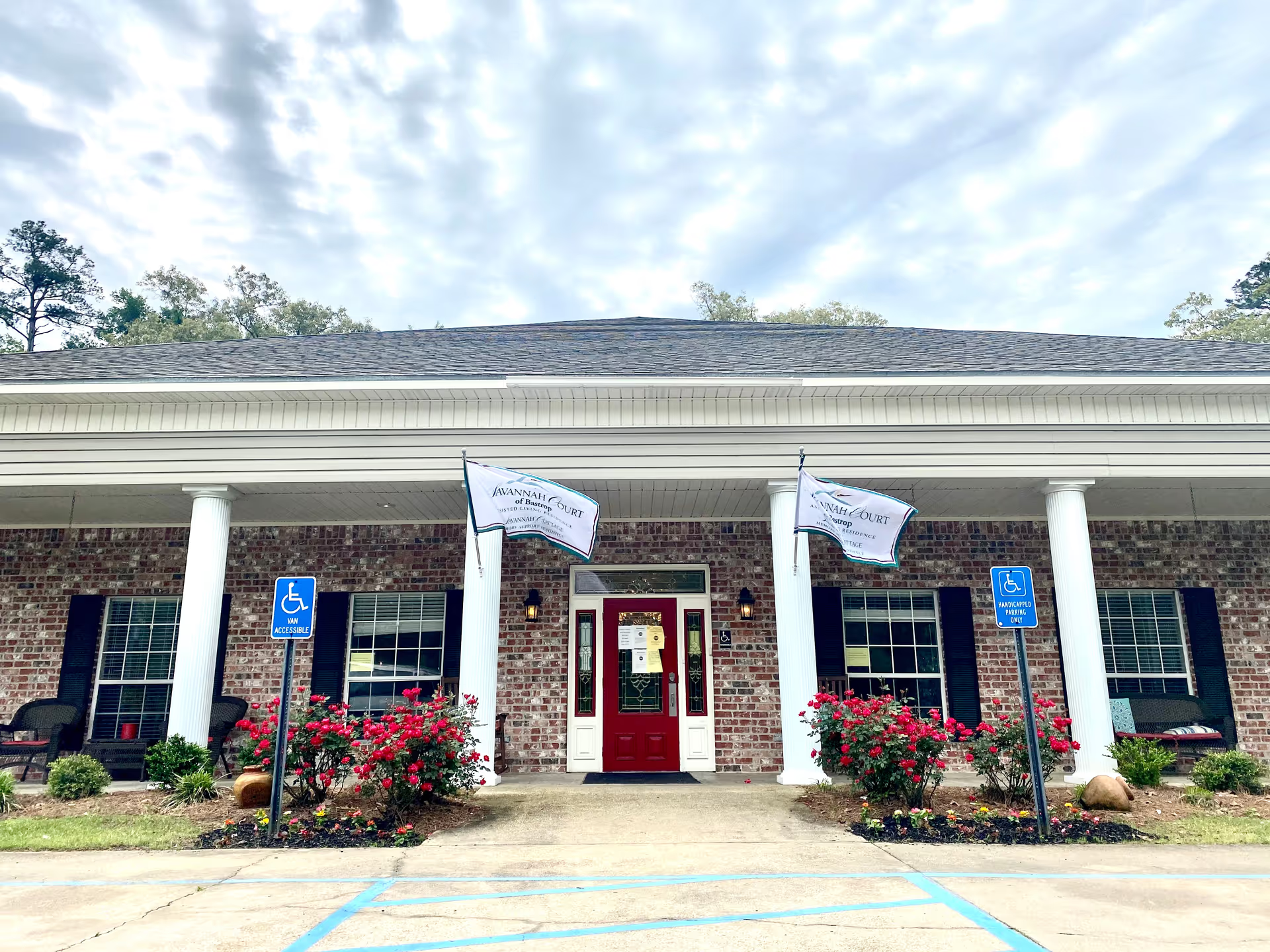
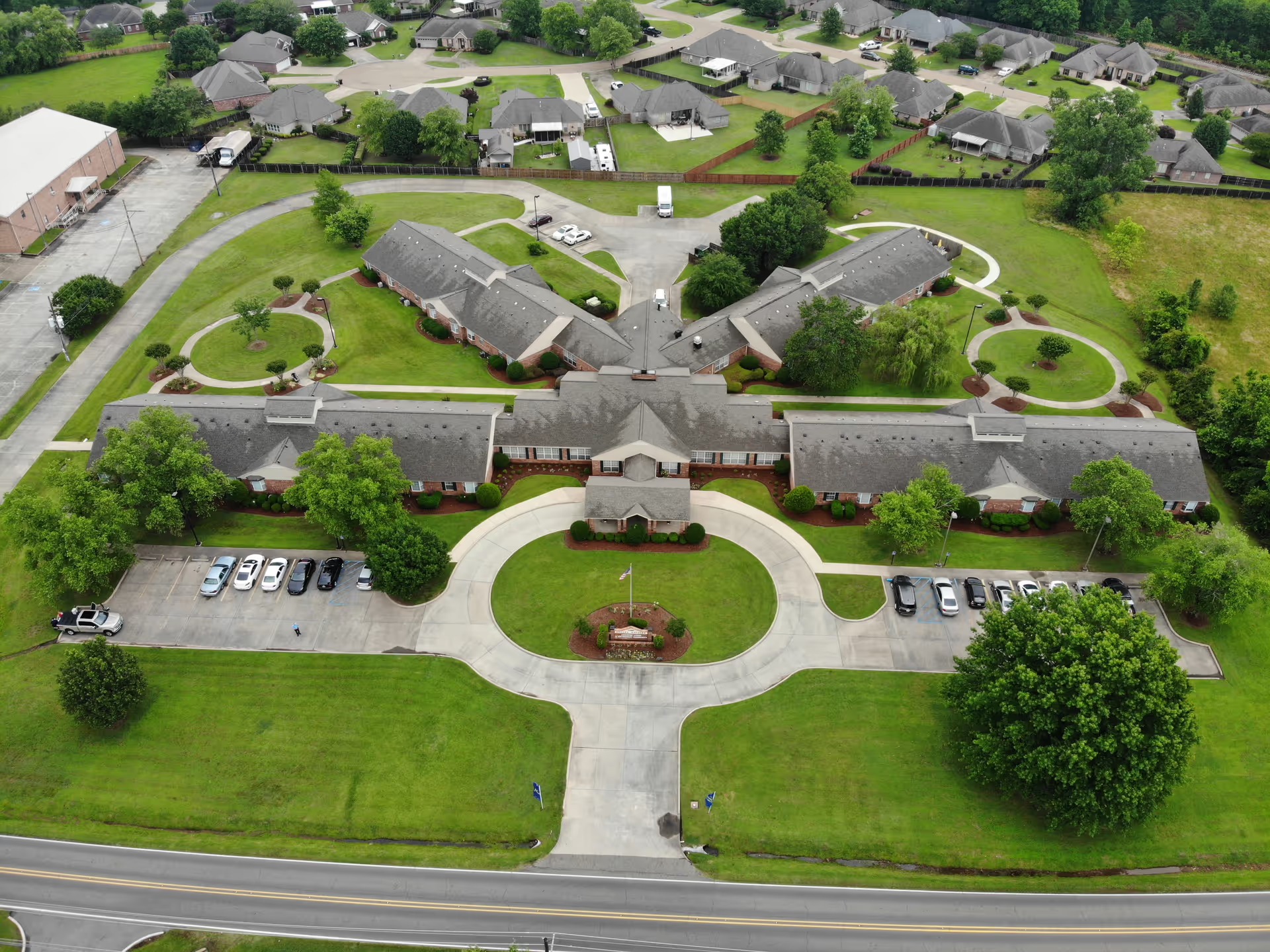
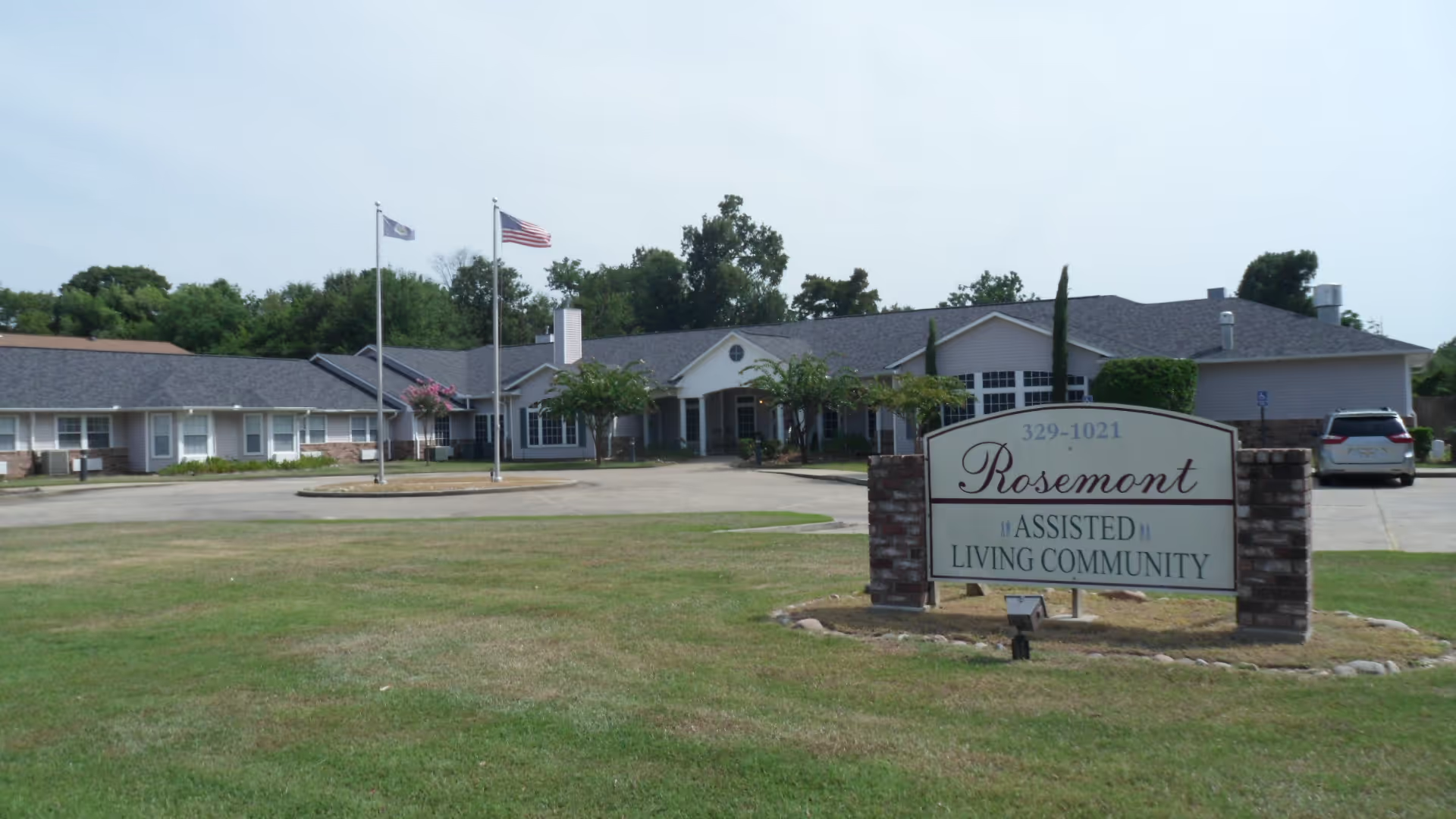
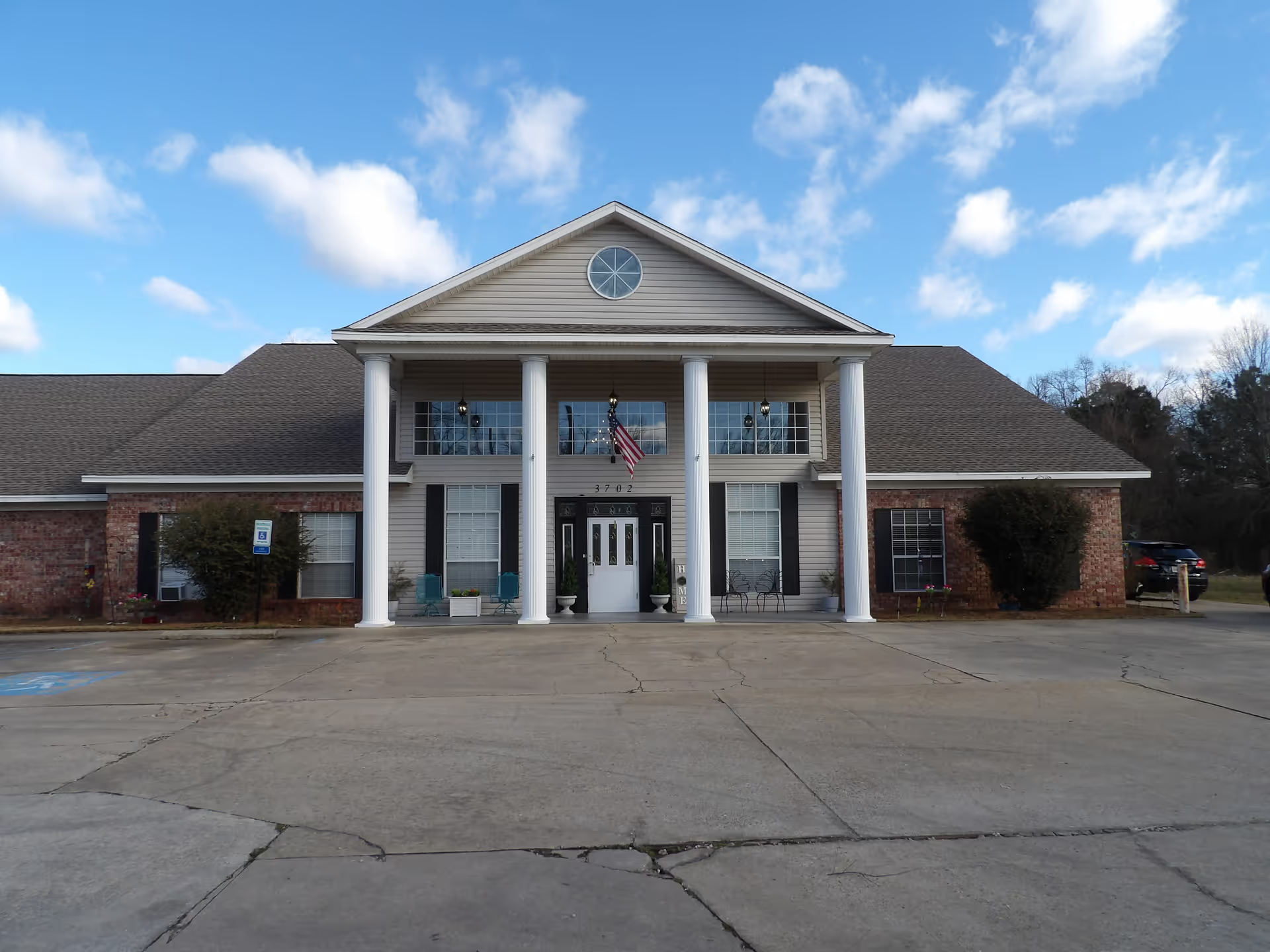
Reviews of Belle View Estates Rehabilitation and Care Center present a mixed picture: the facility is frequently praised for its staff and day-to-day environment, but a small number of reviews raise serious clinical and process-related concerns. Positive feedback centers on the personal qualities and responsiveness of nursing and caregiving teams; many families describe staff as compassionate, attentive, and competent, and several reviewers explicitly recommend the facility. The facility environment and resident engagement opportunities, including access to church services, are noted as strengths.
Care quality is described in two contrasting ways. On the positive side, reviewers emphasize individualized attention, compassionate bedside manner, and hands-on support from caregivers and nurses. On the concern side, reviewers point to operational gaps that have clinical consequences—specifically weaknesses in clinical monitoring and wound-prevention practices, hydration-management protocols, and infection-prevention/early-detection processes. These comments suggest that while routine care interactions are frequently strong, escalation pathways and some clinical protocols may be inconsistent.
Staffing and management impressions are similarly mixed. Many reviewers praise the staff as attentive, accommodating, and responsive, indicating good frontline culture and strong interpersonal skills. However, the pattern of clinical process issues implies opportunities for management to strengthen training, oversight, and handoffs—particularly around discharge planning, transitional-care coordination, and ostomy-care instruction for families and staff. Several reviewers cited concerns following adverse outcomes, which underscores a need for clearer communication and more robust post-incident family engagement.
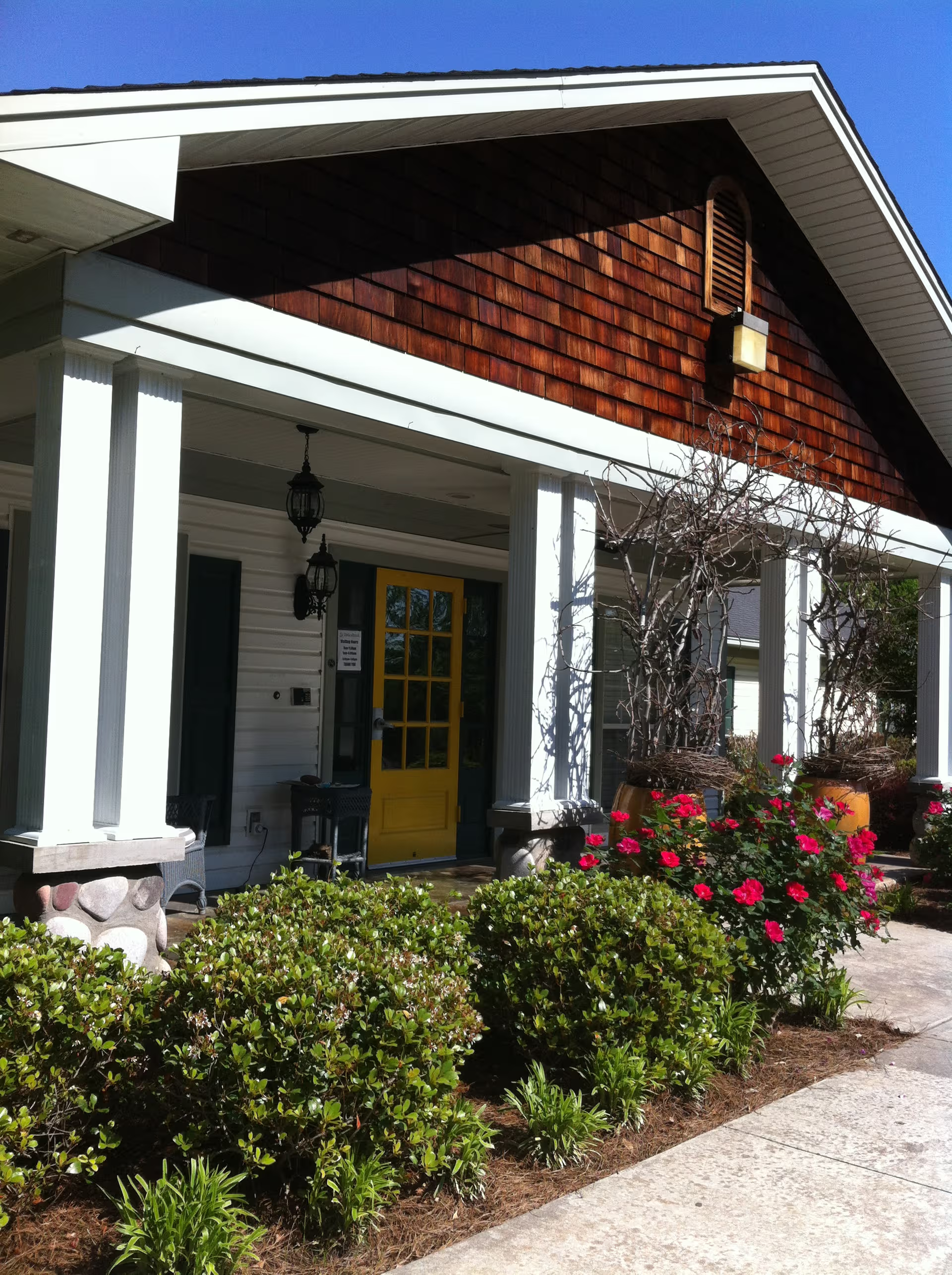
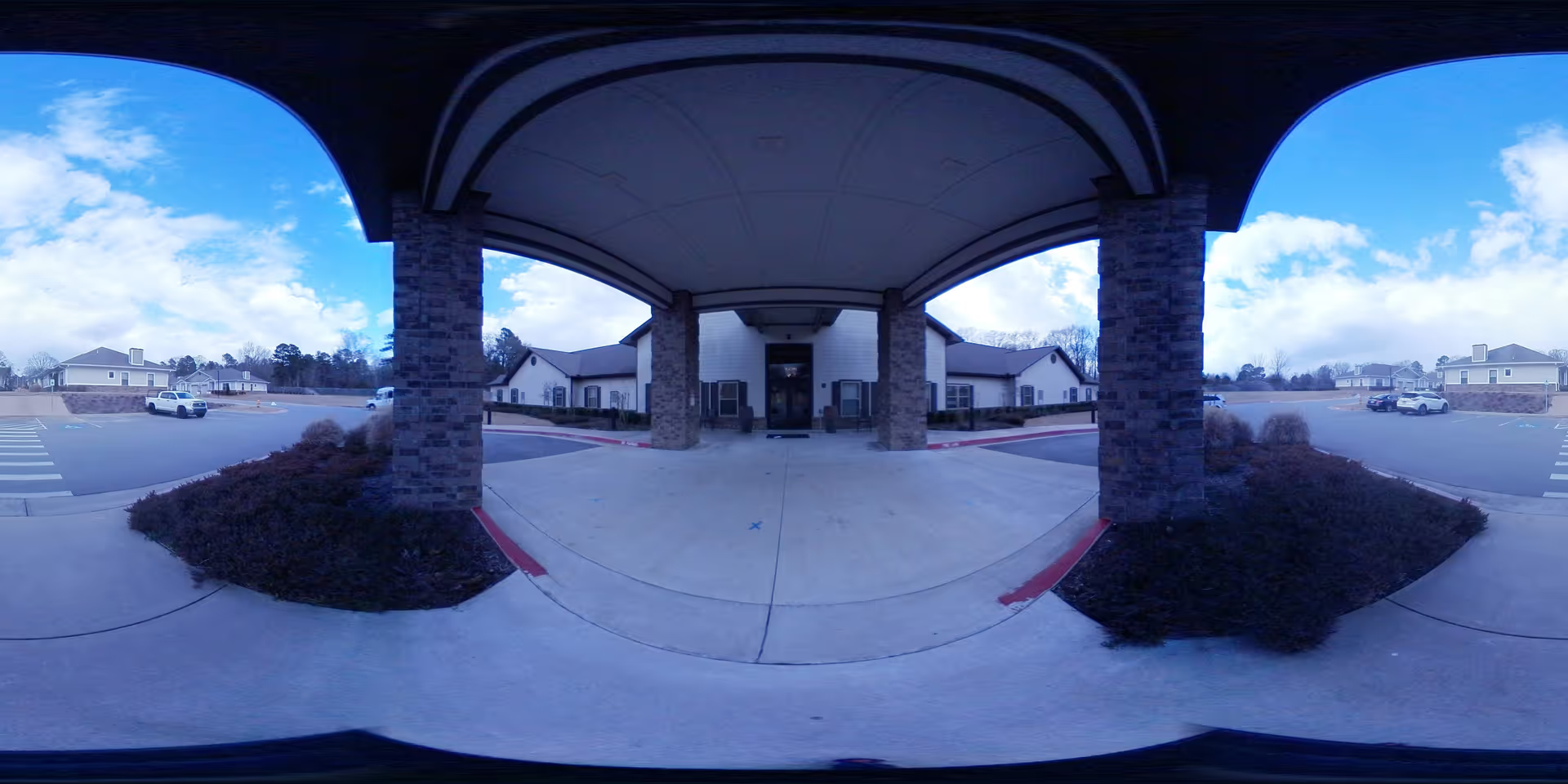
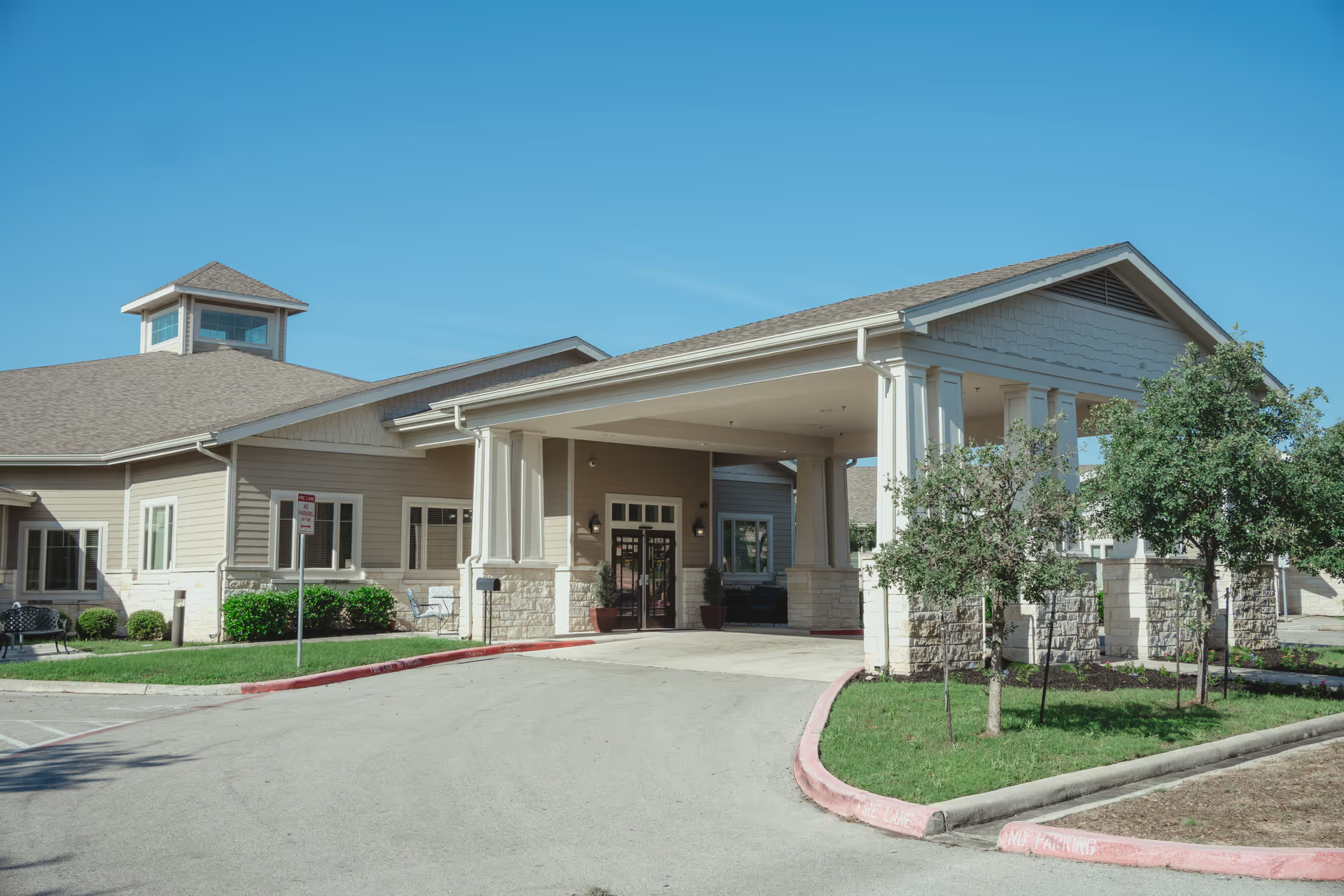
There is limited information about dining in the available summaries; reviewers did not provide substantive comments on food quality or meal service continuity. Activities and social engagement appear to be a positive aspect of life at the facility, with organized programming and spiritual services noted. The physical facility is described positively in multiple summaries, with families characterizing the environment as pleasant and well-maintained.
Overall, prospective residents and families can expect a facility with strong interpersonal caregiving and active resident programming, but should ask targeted questions about clinical protocols: pressure-injury prevention, hydration monitoring, infection surveillance, ostomy-care training, and the facility's discharge and post-discharge follow-up processes. Inquiring about staff training, recent quality-improvement initiatives, and typical communication procedures following clinical changes will help assess whether the facility's operational gaps have been addressed.