Overall impression: The facility is presented consistently as a small, family-oriented memory-care home with strengths in individualized dementia support and a homelike environment. Families emphasize compassionate, informed caregiving and frequent one-on-one attention; reviewers commonly link that attention with improved resident comfort and family reassurance. Cleanliness, a calm atmosphere, and visible owner involvement are recurring positives that contribute to a sense of safety and reliability.
Care and staff: Care quality is characterized by individualized plans and staff who understand the dementia disease process. Staff are described as attentive, comforting, and informative, with regular updates to families. The management and owners are portrayed as very engaged; that hands-on leadership is a perceived asset for communication and responsiveness. An operational pattern to note is that care experience appears closely associated with particular staff members and the owners—this yields strong outcomes while those individuals are present but suggests prospective families should ask about staffing continuity and backup plans.
Dining and activities: The activity program is a clear strength. An active, well-regarded activities director runs varied, ability-level–appropriate programming (games, music, cooking events, religious visits, entertainers) and encourages resident participation. Common-room events and special activities such as communal cooking or themed meals are highlighted as stimulating and family-friendly. Dining is described positively with good-quality food; families also note reasonable pricing relative to the services provided.
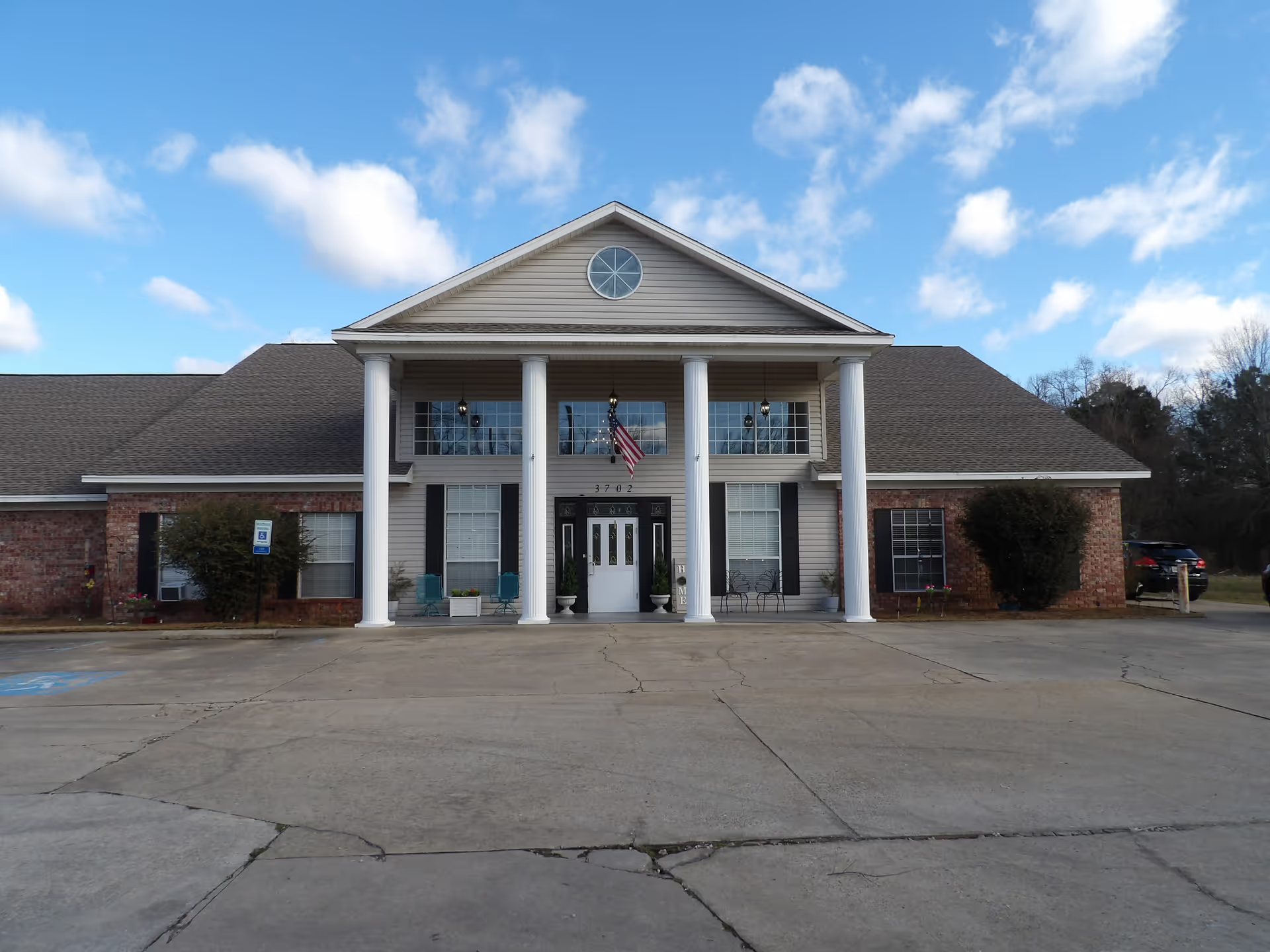
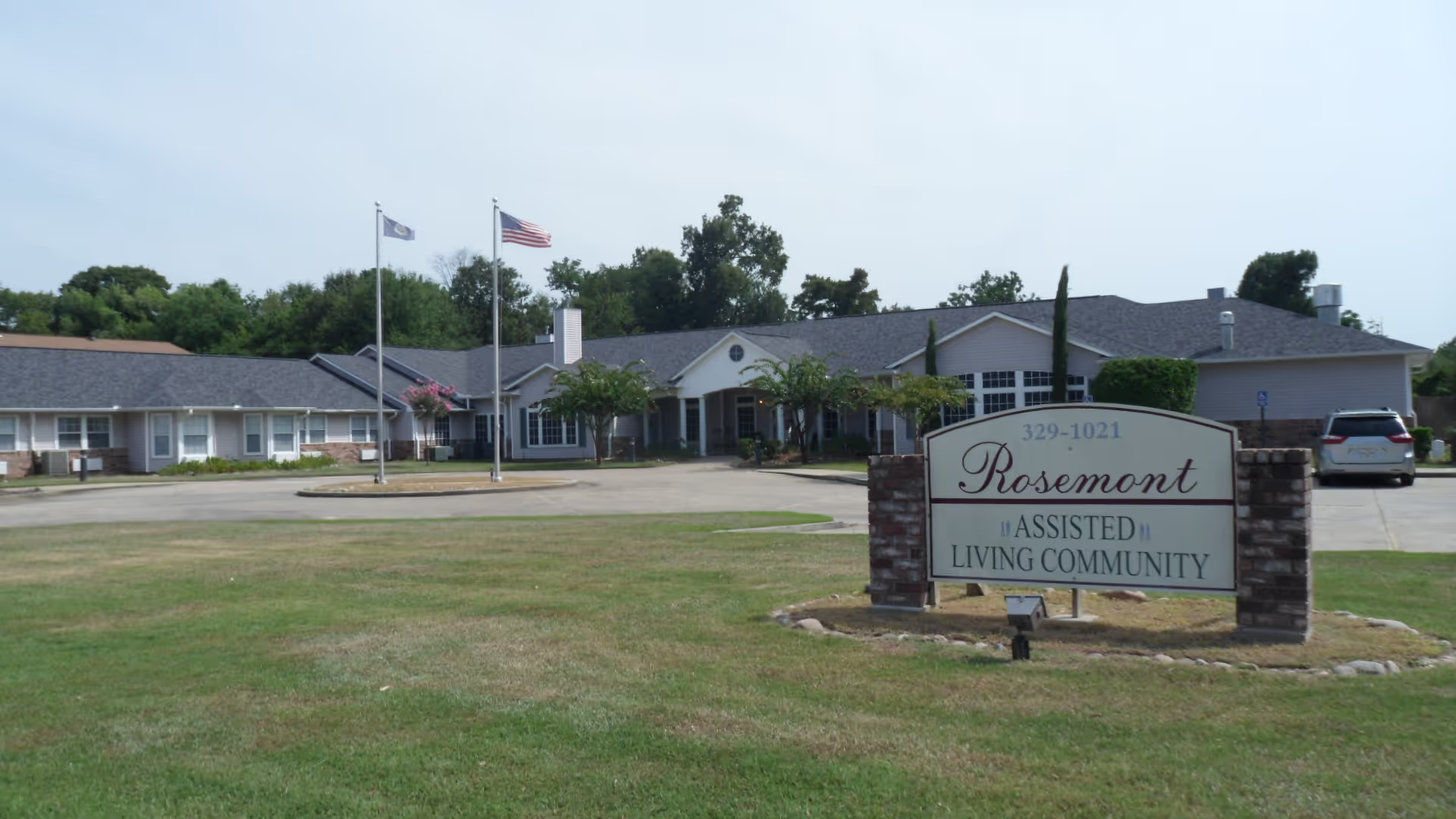
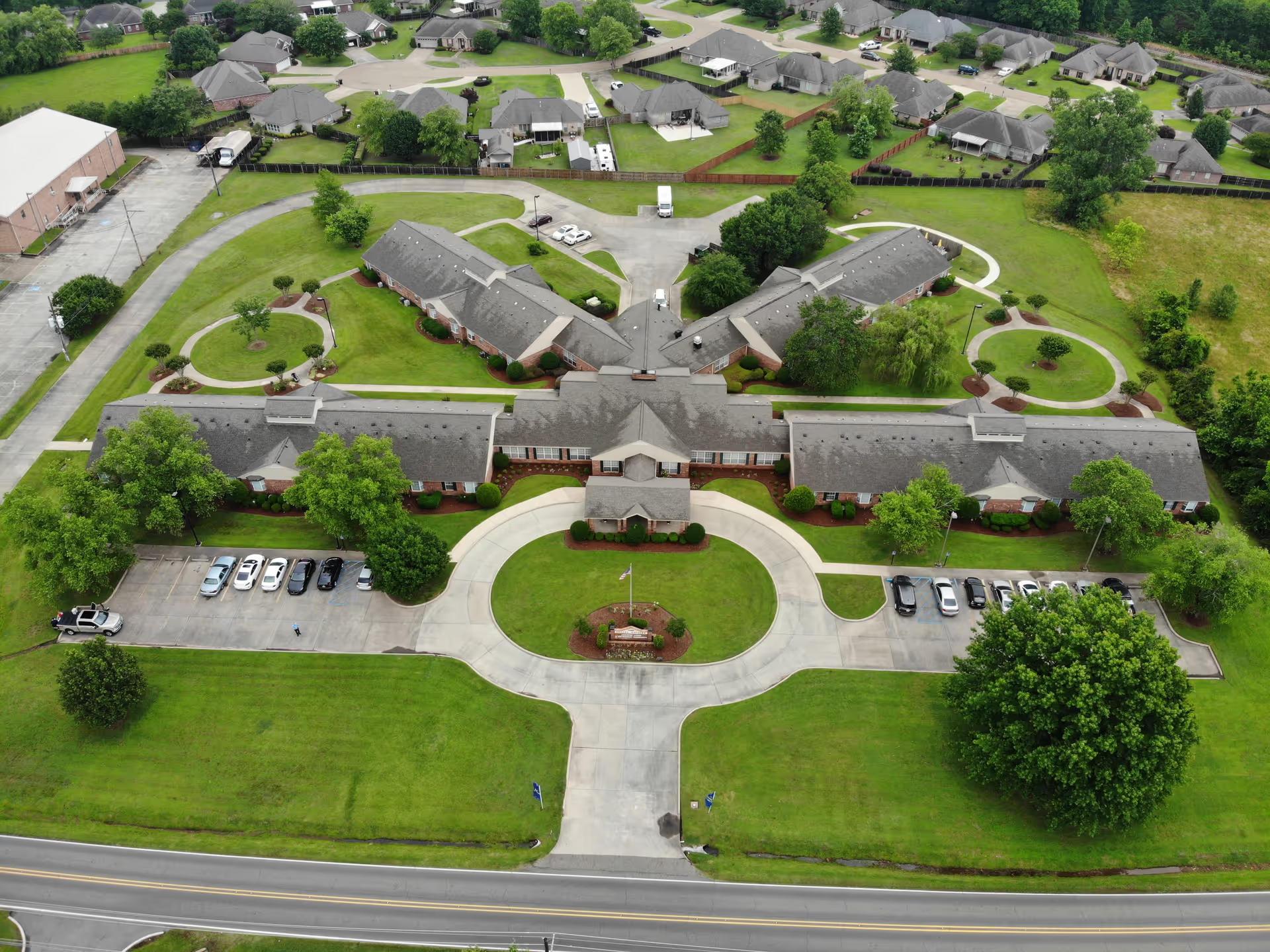
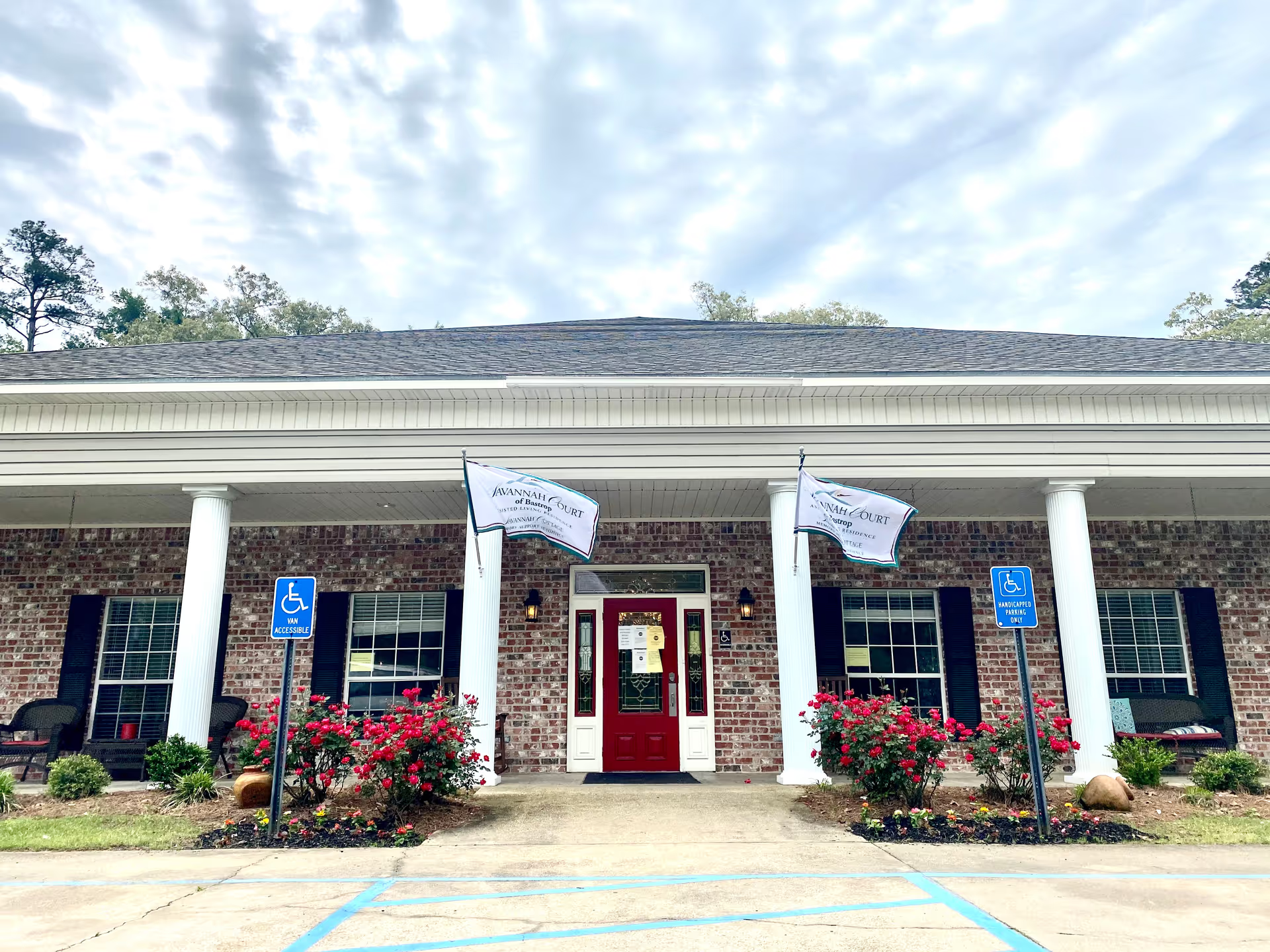
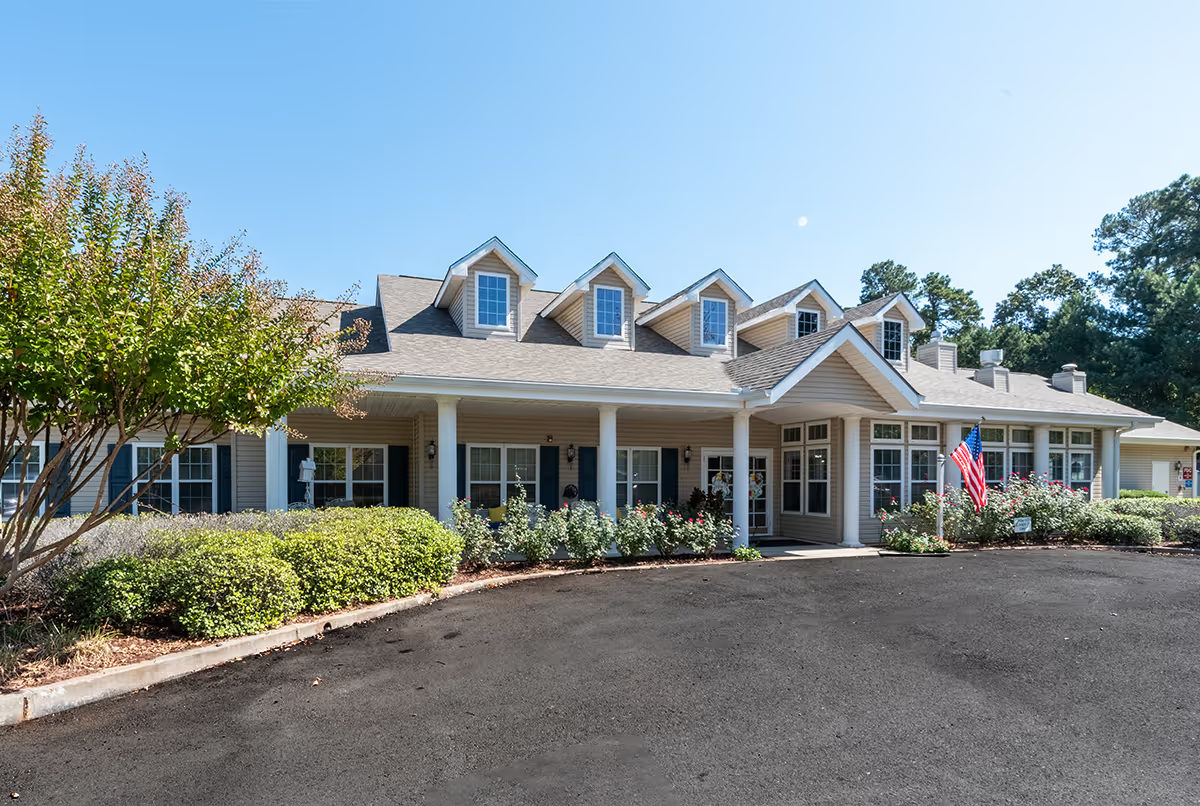
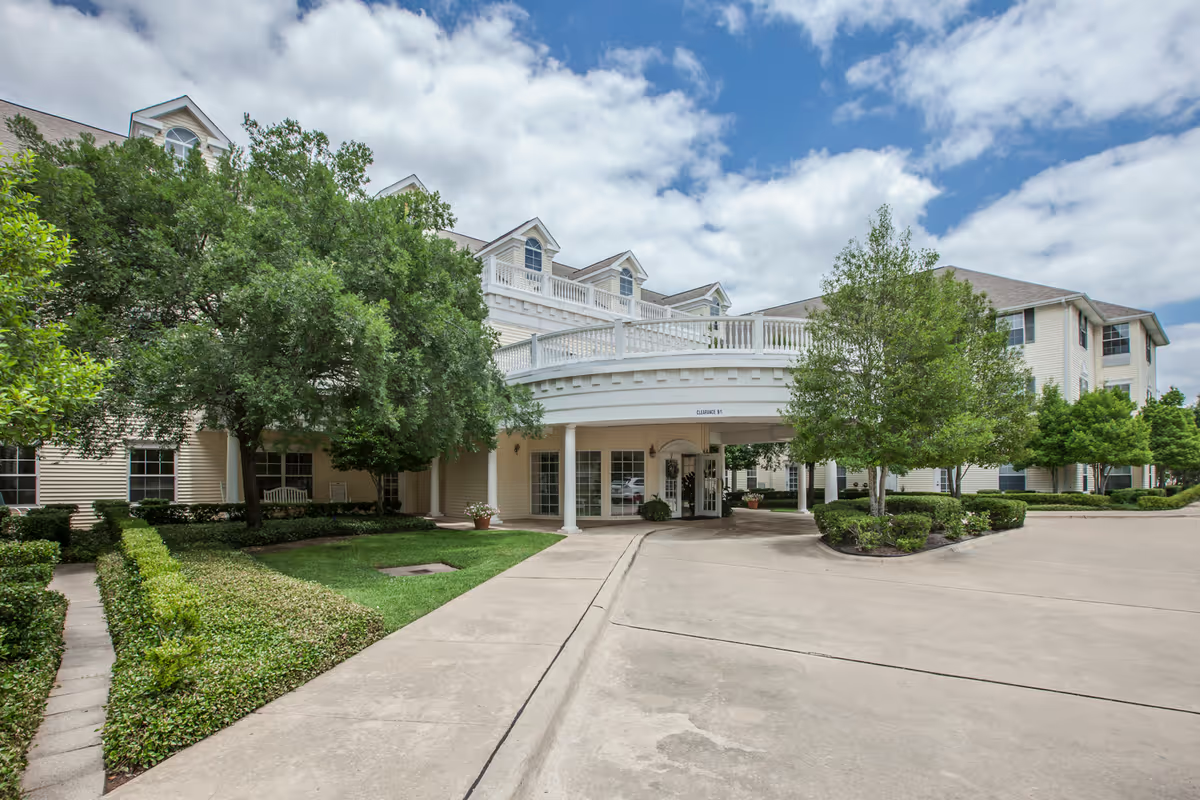
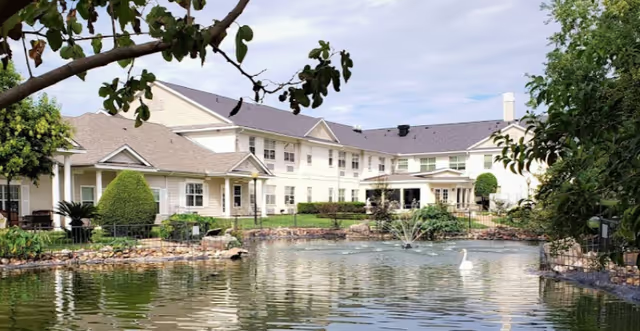
Facilities and environment: The physical setting is described as clean, comfortable, and home-like, with large communal areas, stimulating interior colors, and outdoor access for visiting and recreation. Room options include private and semi-private units. The facility's scale and maintenance practices contribute to a serene atmosphere that families find suitable for memory-care residents.
Operational considerations: Two operational caveats emerge. First, some residents experience an adjustment period on admission to memory care; families should plan for transitional support and ask about orientation processes. Second, the facility restricts visitation during mealtimes, which may affect family routines; prospective families should confirm current visitation policies. Finally, while dementia-focused care is well documented, explicit information about on-site clinical or higher-acuity medical services is less prominent in the summaries reviewed—prospective families should inquire about clinical staffing, medication-management protocols, and links to external medical providers when assessing fit.