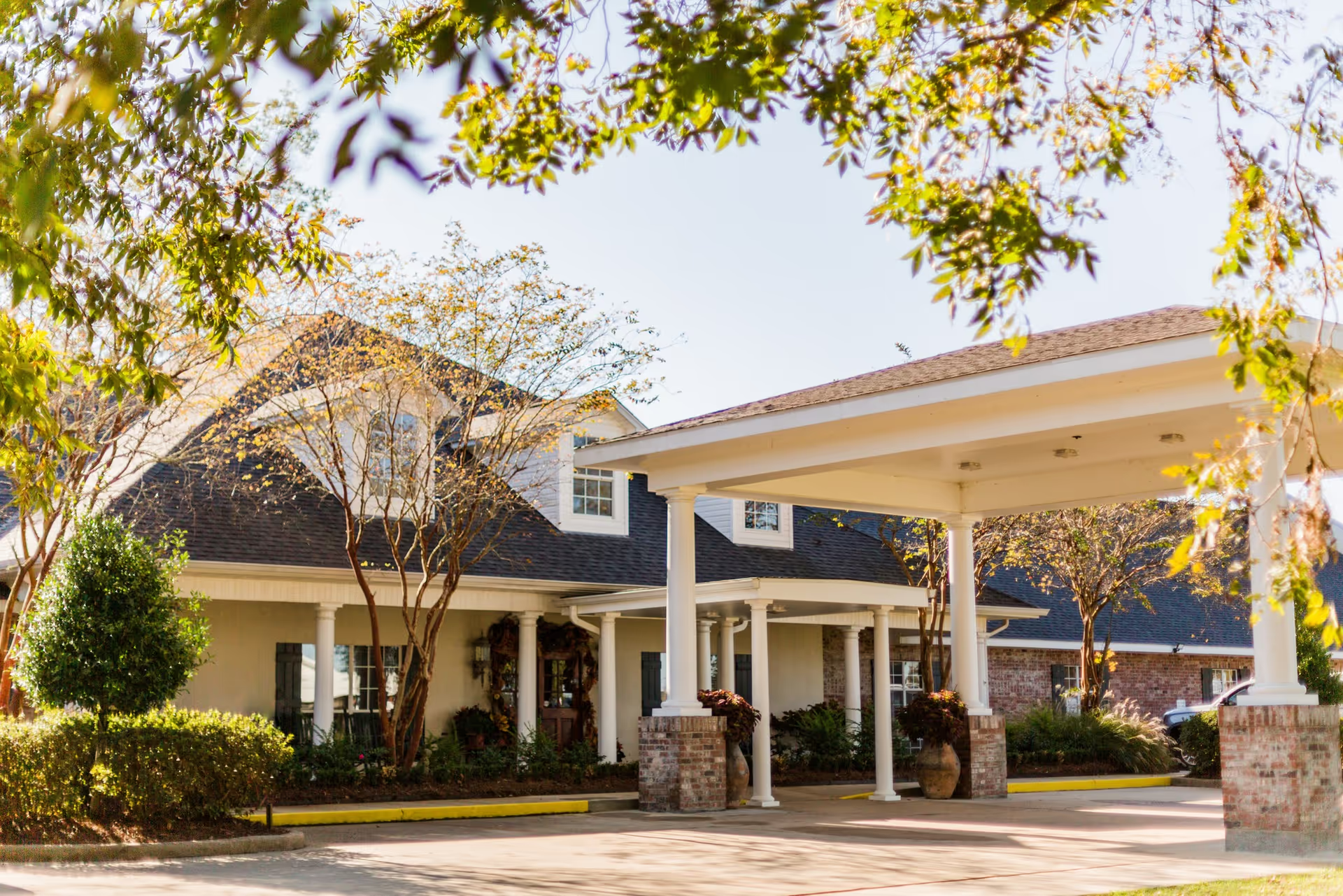
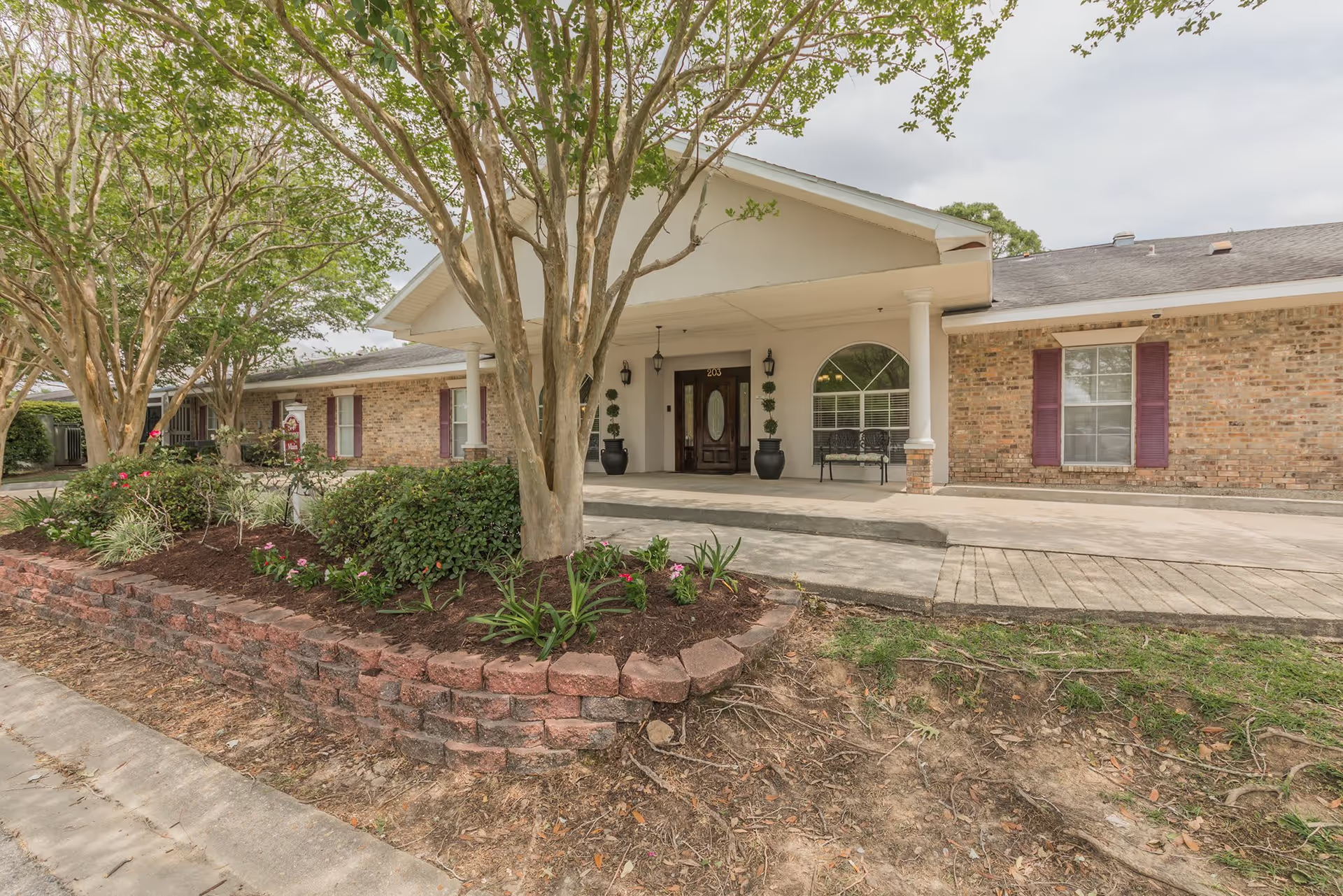
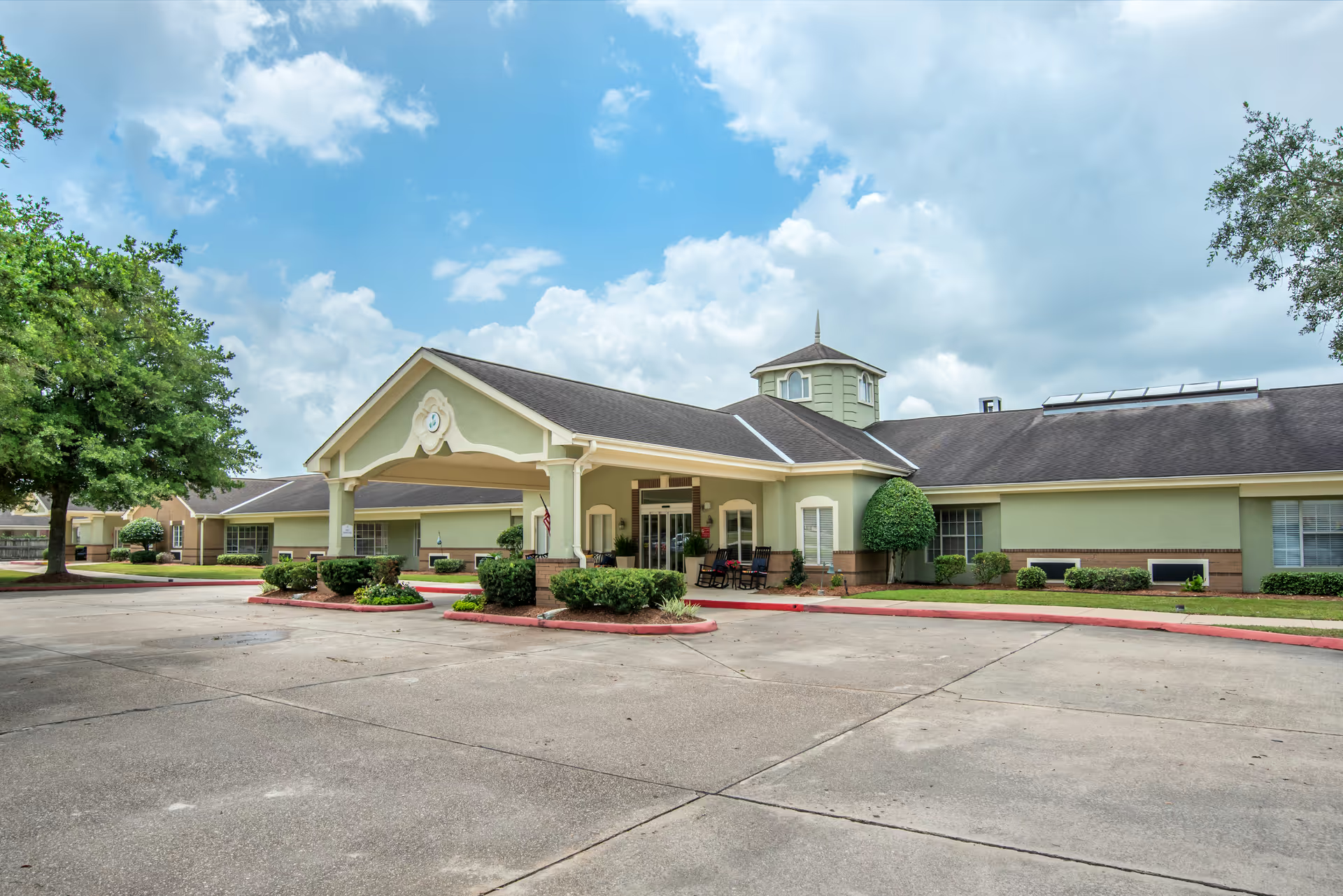
Brookdale Alexandria is described predominantly as a staffed, upscale assisted-living community with a strong emphasis on hospitality, dining, and social programming. Families and residents frequently praise caregiving staff as compassionate, attentive, and relationship-oriented; long-tenured employees and consistent frontline teams are cited as contributors to residents’ comfort and families’ peace of mind. The memory-care unit is noted for a calm, dementia-appropriate environment and staff experienced with cognitive-impairment needs.
Dining and housekeeping are recurring strengths. The facility offers restaurant-style meals, a broad menu selection, and generous portions; several accounts highlight improved food quality and frequent compliments from residents. Rooms and common areas are commonly described as clean, well-decorated, and well-maintained, with outdoor courtyards and secure grounds. Practical services such as laundry, dry-cleaning pickup, and a community shuttle/van for appointments and outings are available and appreciated by many families.
Activity programming is generally robust, with exercise classes, chair yoga, arts and crafts, readings, bingo, and religious services mentioned. The community projects a welcoming, family-like culture and is described as pet-friendly by some. Brookdale’s admissions and placement responsiveness is also a positive point for families seeking a quicker move-in.
Despite these strengths, several operational patterns warrant attention. Cost is a frequent concern: pricing is positioned at the higher end of the local market and some families perceive limited value relative to fees and incremental charges. Apartment sizes—especially in certain unit types, like memory care—are described as small, and some areas of the property are perceived as dated, producing mixed impressions of the physical plant. A number of families reported frustrations with billing clarity and ancillary-fee transparency.
Clinical and administrative issues appear as recurring themes in a subset of accounts. Concerns include medication-management and clinical coordination weaknesses, occasional reductions in care level or coverage during evenings and weekends, and variability in transportation reliability. Administrative communication and advocacy are sometimes described as inconsistent, with a few families seeking stronger director-level responsiveness. Activity schedules have also been subject to reduction during infection-control periods, which affected engagement for some residents.
Finally, while the majority of feedback is positive, there are isolated, serious allegations of care-quality failures that prospective residents and families should investigate directly with the provider and regulator records. Overall, Brookdale Alexandria appears well suited for self-sufficient seniors and those seeking an upscale, socially active assisted-living environment or a calm memory-care setting. Prospective residents with high medical-acuity needs, tight budget constraints, or those who require consistently high-level clinical oversight should closely evaluate clinical staffing patterns, billing practices, and off-hours coverage during tours and conversations with administration.