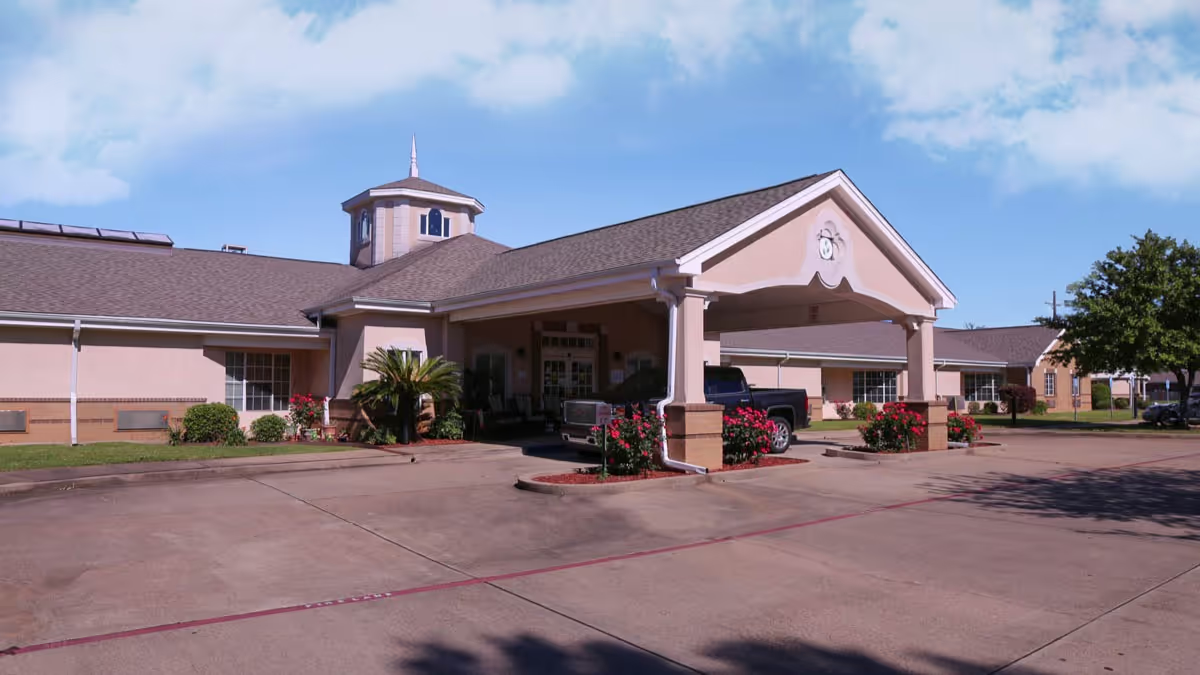
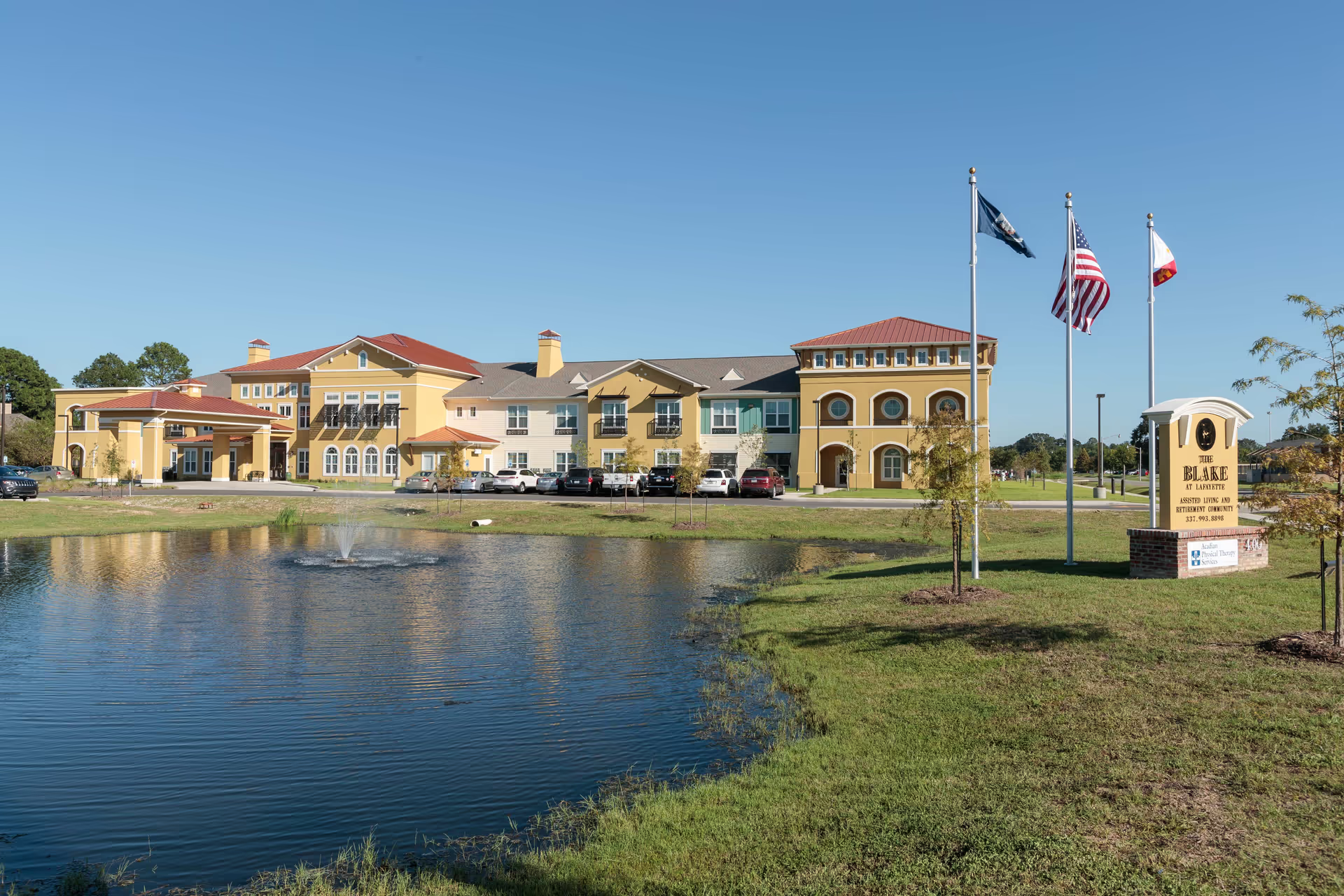
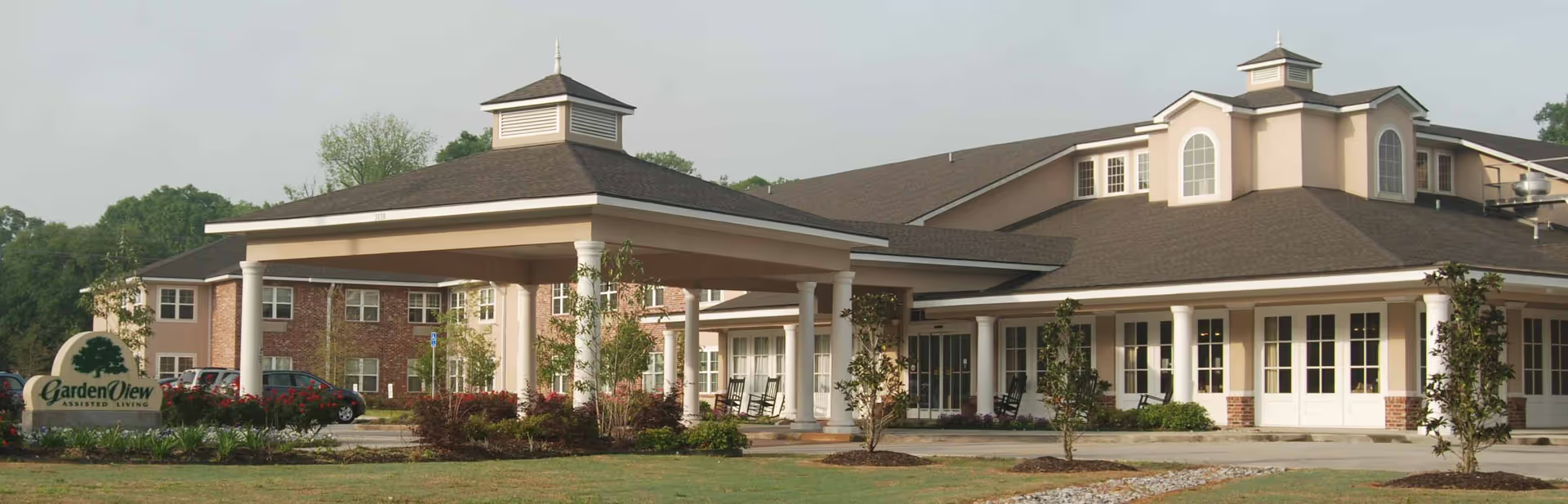
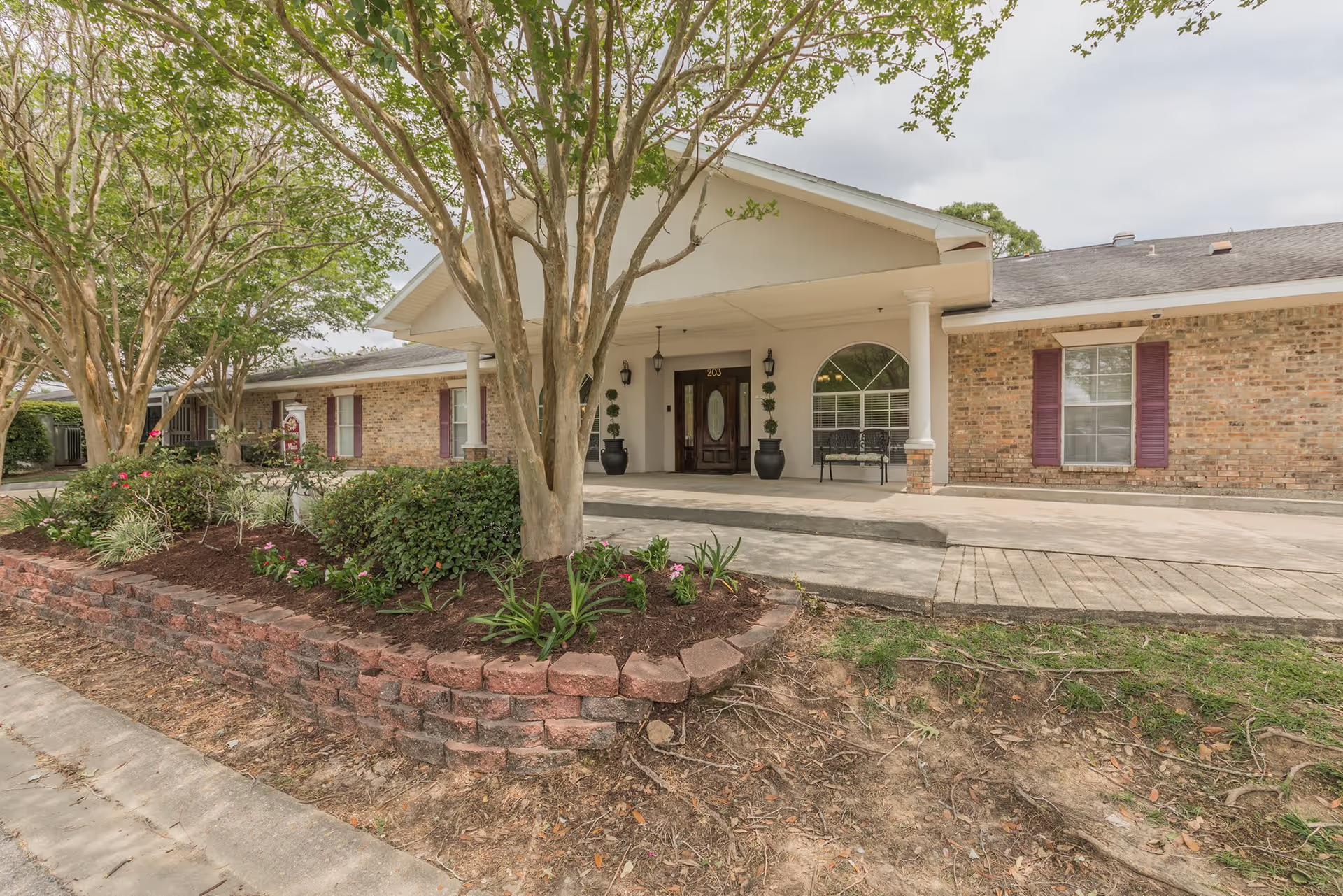
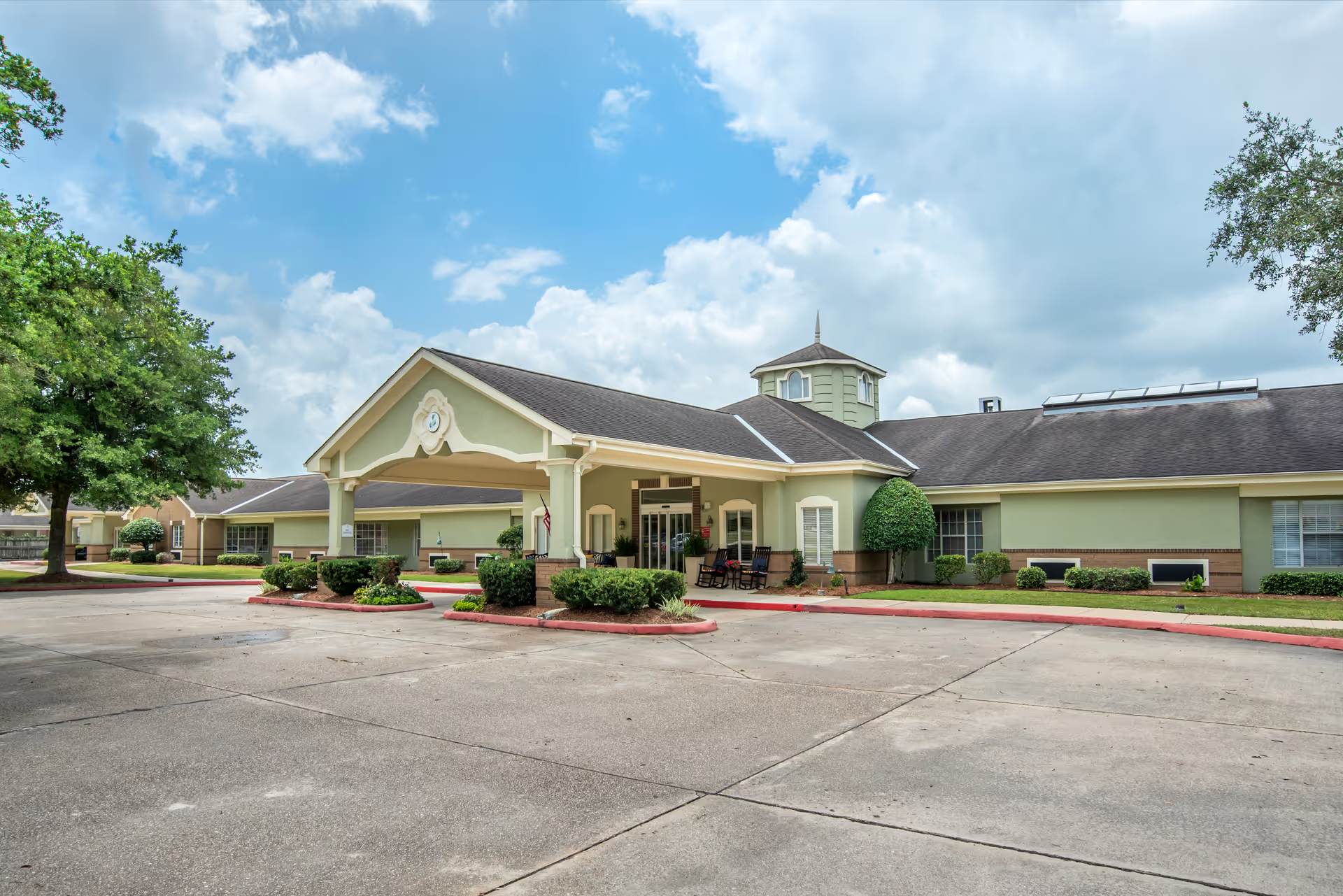
The collected reviews portray Oakmont Estates as a well-kept, community-oriented assisted living provider with consistently positive feedback on daily life and social programming. Reviewers emphasize the facility’s aesthetic upkeep and grounds, frequent family events, and a steady schedule of activities — including themed weeks and organized outings — that support resident engagement. Several comments compare the overall environment and services favorably to other local options.
Care quality and staff performance are the most prominent strengths in the feedback. Reviewers use language that characterizes staff as loving, attentive, and willing to go beyond baseline duties; accounts highlight respectful interactions and a sense of dignity in day-to-day care. This pattern suggests a strong culture of resident-centered service and family-oriented communication, though the reviews focus primarily on interpersonal aspects rather than clinical metrics.
Dining and programming receive repeated praise. Meals are described as home-style and well prepared, and reviewers cite both routine social activities and special events that foster family participation. The activity calendar appears active and varied, with organized outings and themed programming noted as regular features that contribute positively to resident quality of life.
Facility upkeep and campus presentation are also clear strengths: comments point to a clean, attractive environment and maintained grounds, which supports a comfortable residential atmosphere. Management appears responsive in the anecdotal feedback that praises staff and event coordination, although the reviews do not provide detailed examples of administrative policies or clinical oversight practices.
Notable patterns and information gaps: while interpersonal care, meals, and activities are described in favorable terms, the reviews offer limited detail about clinical services, staffing ratios, and specialized programming such as dedicated memory-care units. There is likewise little public information in the cited feedback about pricing models, contract specifics, medication-management systems, or transportation logistics. These absences do not indicate specific failures, but they are areas prospective residents and families should clarify during visits.
Recommendations for prospective families: confirm clinical oversight and staffing levels, ask about specialized care options (for example, memory care or higher-acuity nursing), request details on medication administration and incident-response procedures, and review contract and pricing terms. A guided visit during a scheduled activity and a meal observation can validate the positive themes—staff engagement, home-style dining, and active programming—that reviewers consistently describe.