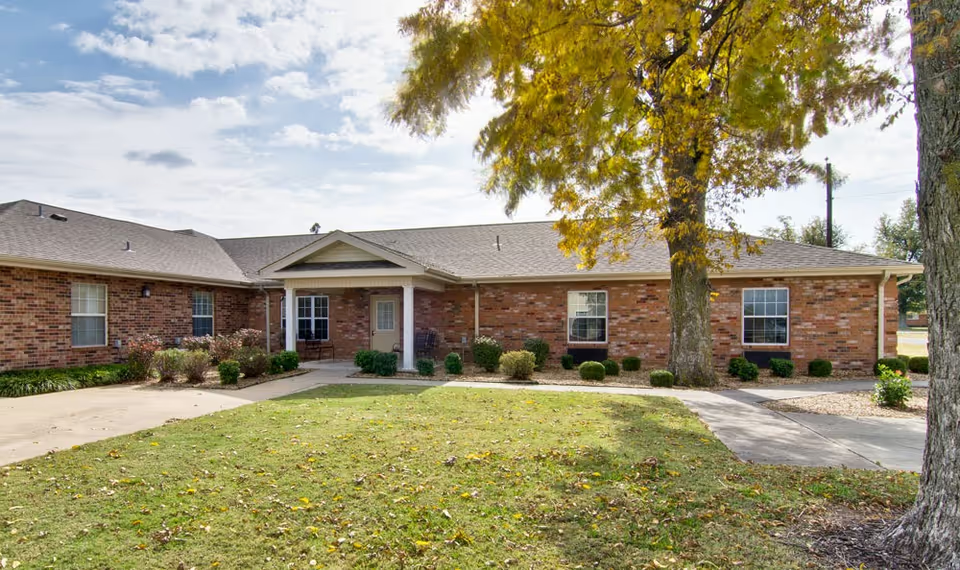
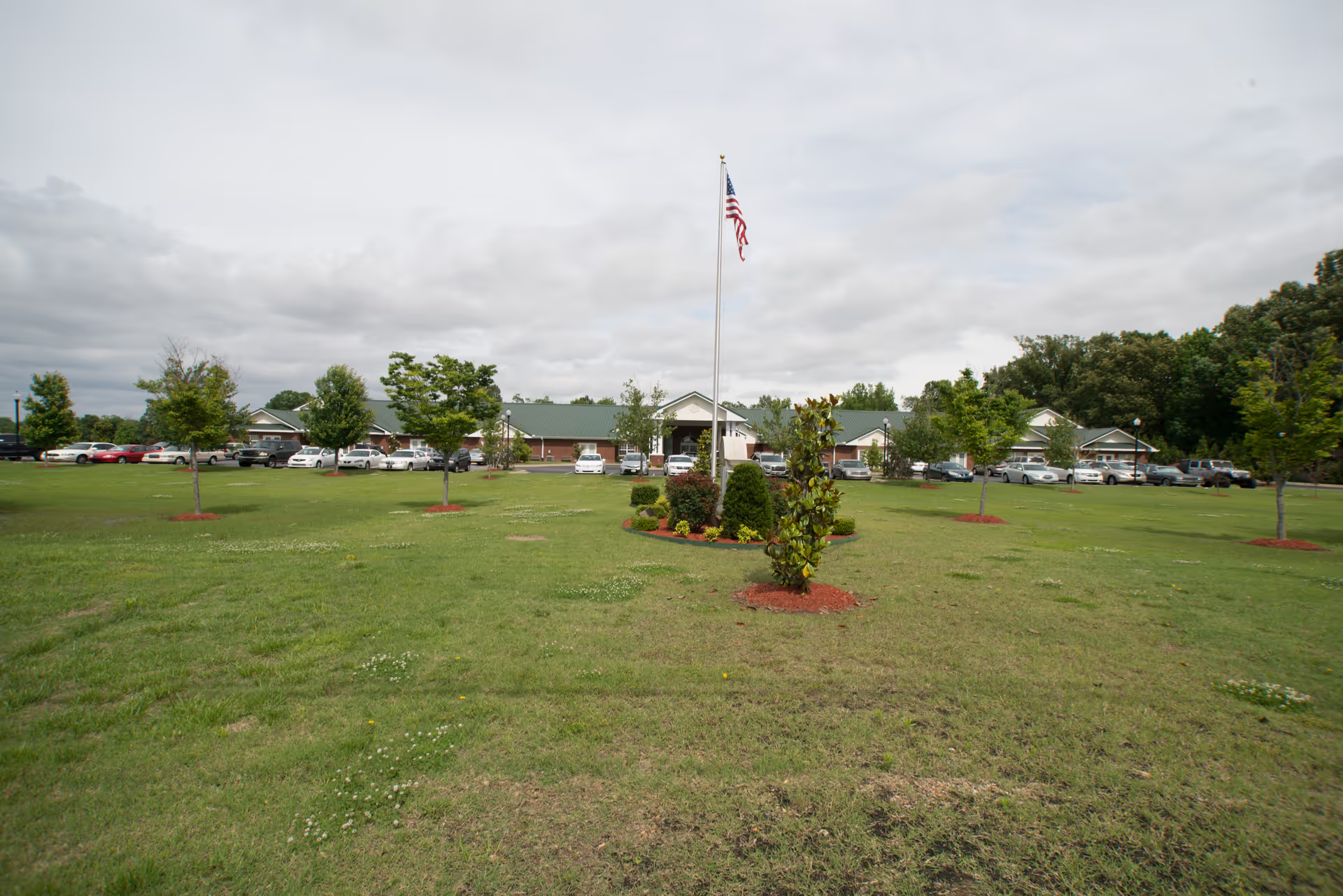
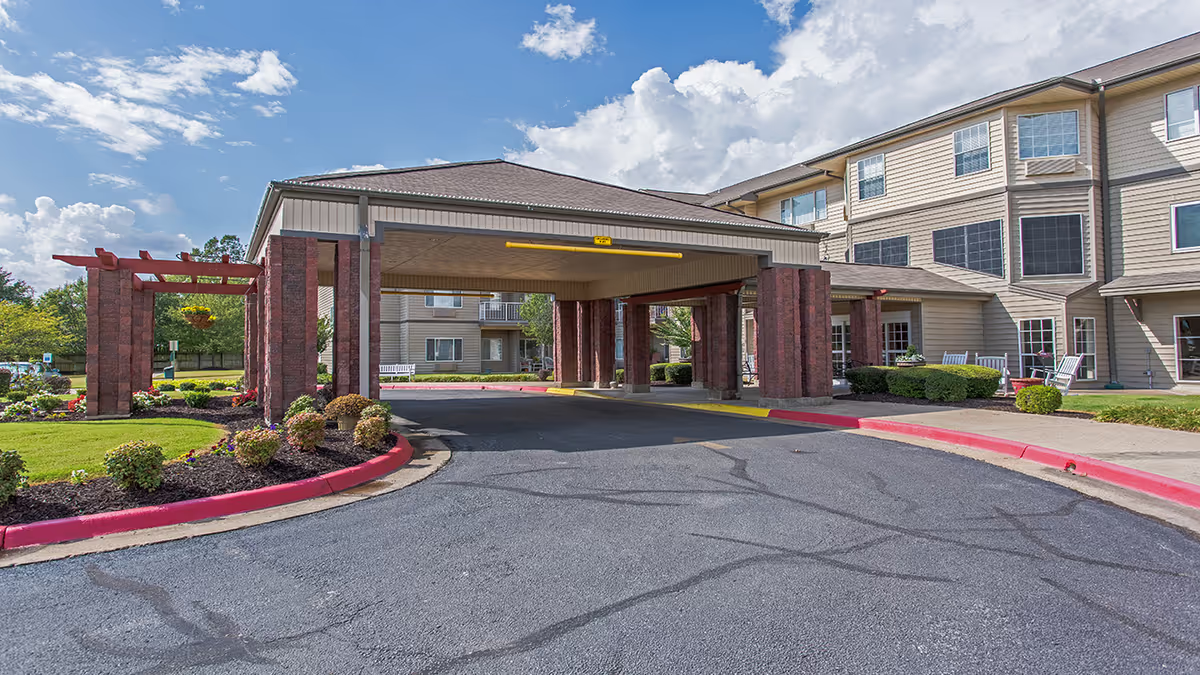
Reviews reflect a facility with clear strengths alongside notable operational weaknesses. Strengths most frequently cited include a very clean and well-maintained environment, attentive nursing staff and personable aides who know residents by name, an engaging activities program led by a committed activities director, and generally well-prepared meals. Several comments describe staff who provide useful updates about changes in condition and a recent leadership change that some families associate with improvements in culture and responsiveness.
At the same time, there are recurring patterns of concern around core clinical operations and consistency of care. Families and observers describe uneven care quality across shifts: while some nurses and aides are praised, other staff are characterized as less engaged or problematic in tone. Reviews raise operational issues with medication and clinical monitoring, including delayed attention to fever, elevated glucose and blood pressure, and inconsistent wound care and turning practices. These patterns have been linked to subsequent infections or clinical decline in individual cases.
Safety and emergency response are additional areas of concern. Several accounts indicate delays in incident assessment and in summoning or coordinating timely transport, which is reflected in criticisms of fall-response procedures and reports of late ambulance notification. Transportation and scheduling for outpatient treatments such as dialysis are also described as unreliable on weekends. Communication with families about significant events, including end-of-life situations, is frequently noted as insufficient or delayed.
Food and daily-living support are mixed. While meal quality is described positively by some, other reviewers characterize offerings as bland and repetitive and report practical accessibility problems (for example, trays placed out of reach). Assistance with feeding and other activities of daily living is described as inconsistent, which ties back into concerns about staffing levels and shift-to-shift variability.
Administrative and nonclinical matters also surfaced. There are serious allegations of billing irregularities and mishandled resident funds that have prompted concern among families; some reviewers requested clearer financial controls and transparency. Staff conduct and communication style have been described as variable, with reports of respectful, caring interactions alongside accounts of brusque or insensitive behavior.
For prospective residents and families, the pattern suggests the facility can deliver high-quality, attentive care in many cases—especially where specific staff members or teams are involved—but that reliability is uneven. Key follow-up questions for a tour or meeting might include: staffing ratios and consistency across shifts, fall-response protocols and ambulance/transport procedures, wound-care and therapy schedules, family-notification policies for acute events and end-of-life communication, financial-accounting safeguards, and how the recent leadership changes are being translated into measurable improvements. Visiting at different times of day and asking to meet clinical leadership can help assess whether the facility’s positive attributes are available consistently for a given resident.