The reviews present a mixed picture of care at Summit Health & Rehab Center, with clear strengths in therapy and aspects of direct caregiving alongside serious operational concerns that merit verification during a tour. Positive comments emphasize an effective therapy department, compassionate bedside care, helpful staff, and a generally clean facility environment. At the same time, other accounts raise substantial questions about safety, medication handling, and management consistency.
Care quality appears variable. Therapy services are consistently described as a strong point and as resident-centered, which suggests rehabilitative programming and staff coordination in that area. Many families praised direct-care staff as caring and helpful, and the facility’s cleanliness was noted positively. However, there are specific concerns about medication administration and safety practices; such concerns suggest the need for documented policies, error-tracking data, and clear medication-audit procedures before a placement decision.
Staffing and conduct present a divided picture. While some reviewers praised leadership and described staff as responsive and compassionate, other comments point to inconsistent conduct, lapses in professionalism, and training shortfalls. There are allegations of unsafe handling and medication errors that, if accurate, indicate gaps in staff training and supervision. Prospective families should observe direct-care interactions, ask about staff orientation and ongoing training, and request evidence of staff competency checks.
Dining and activities received little specific commentary in the available summaries. Because these areas matter for quality of life, prospective residents should request sample menus, observe a mealtime if possible, and review the activity calendar to assess frequency, variety, and resident participation. Ask how therapy and activity programming coordinate for residents with mobility or cognitive needs.
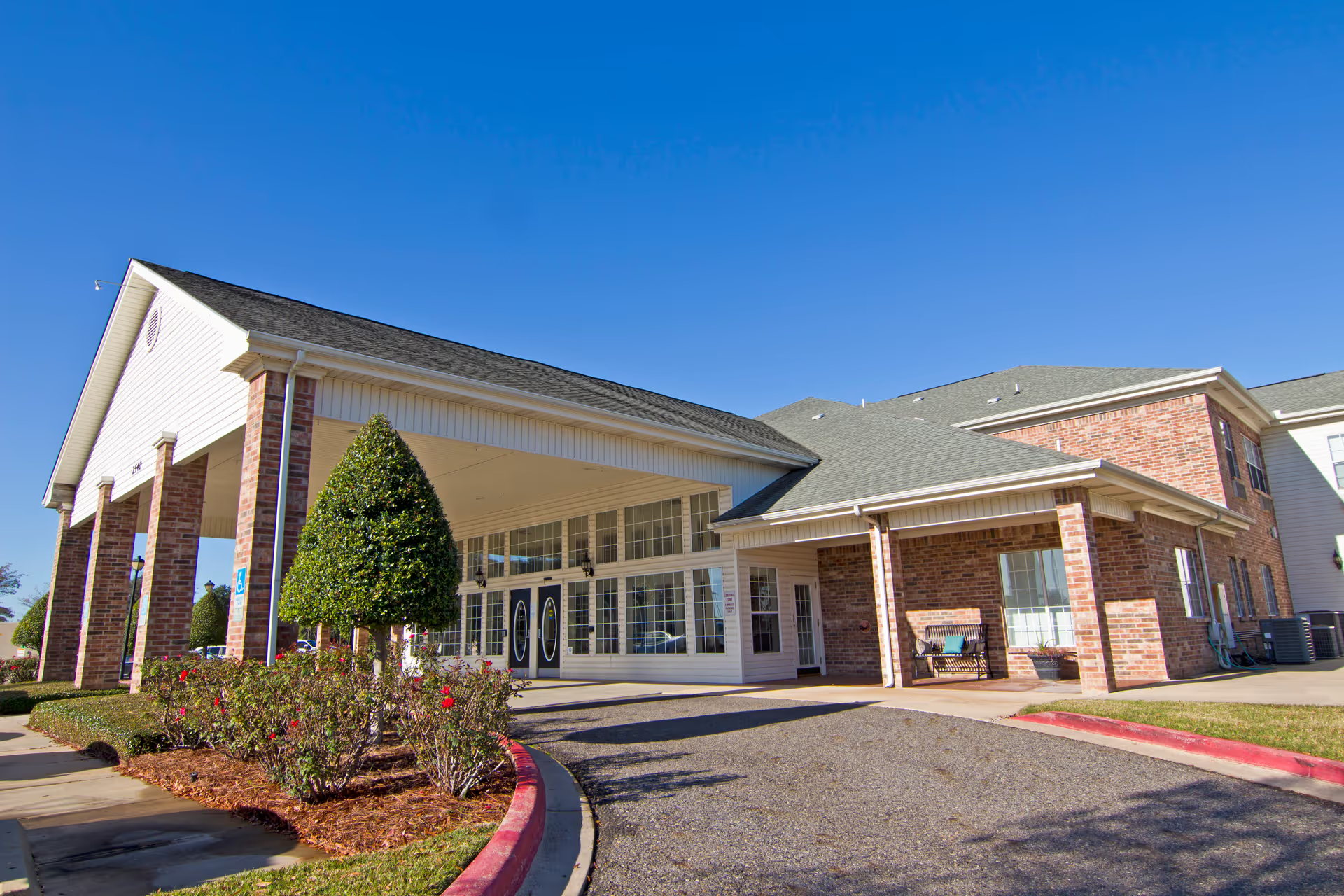
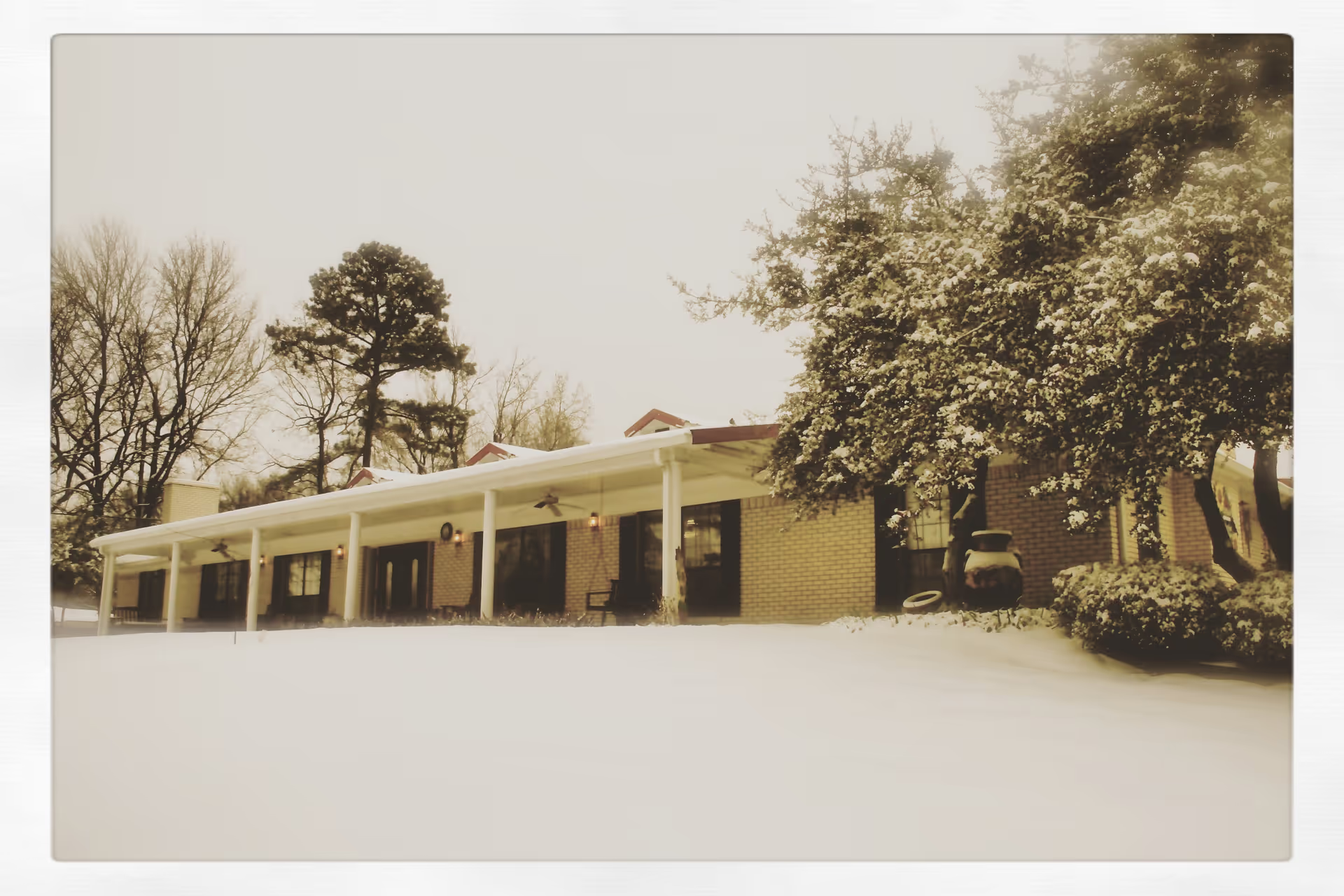
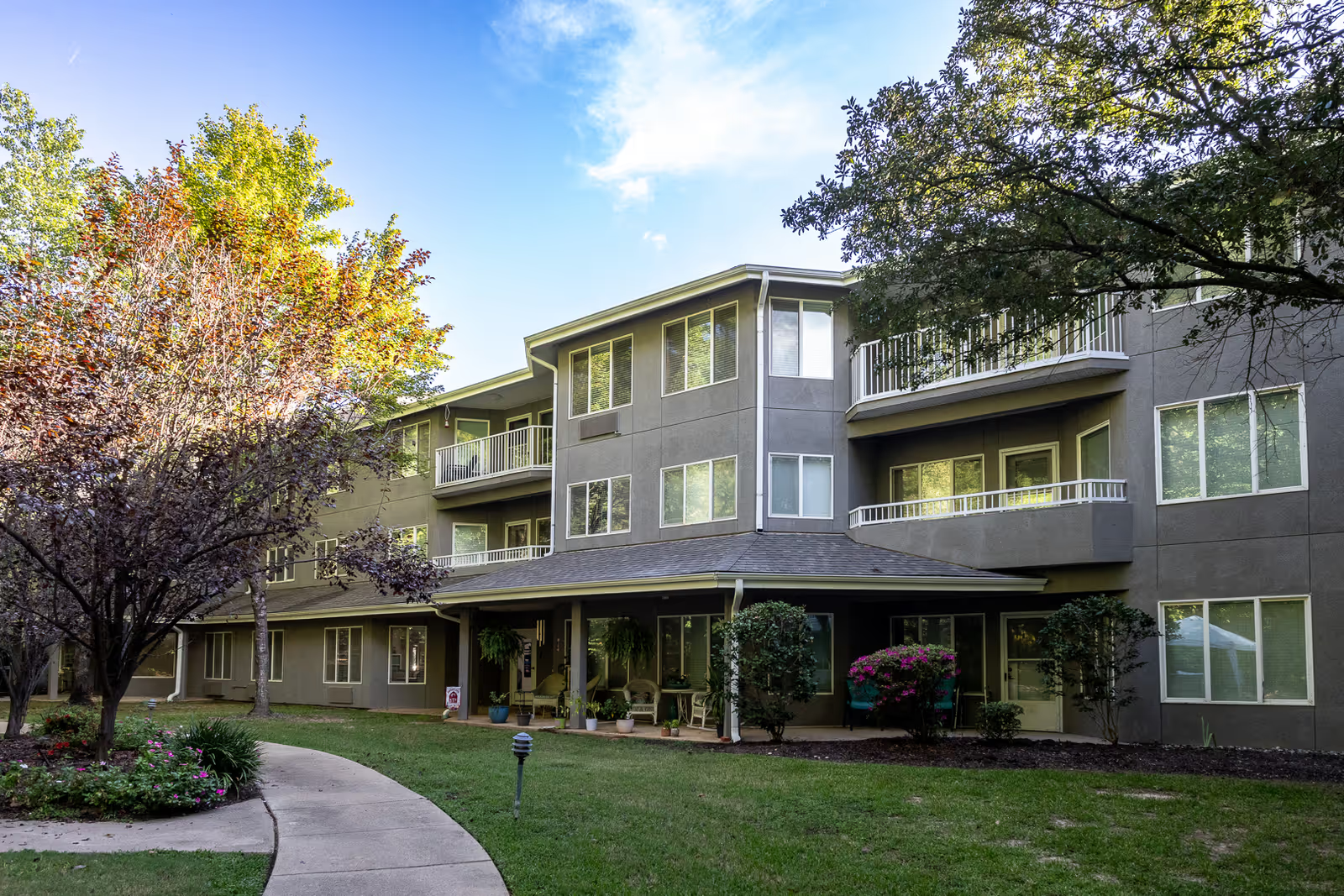
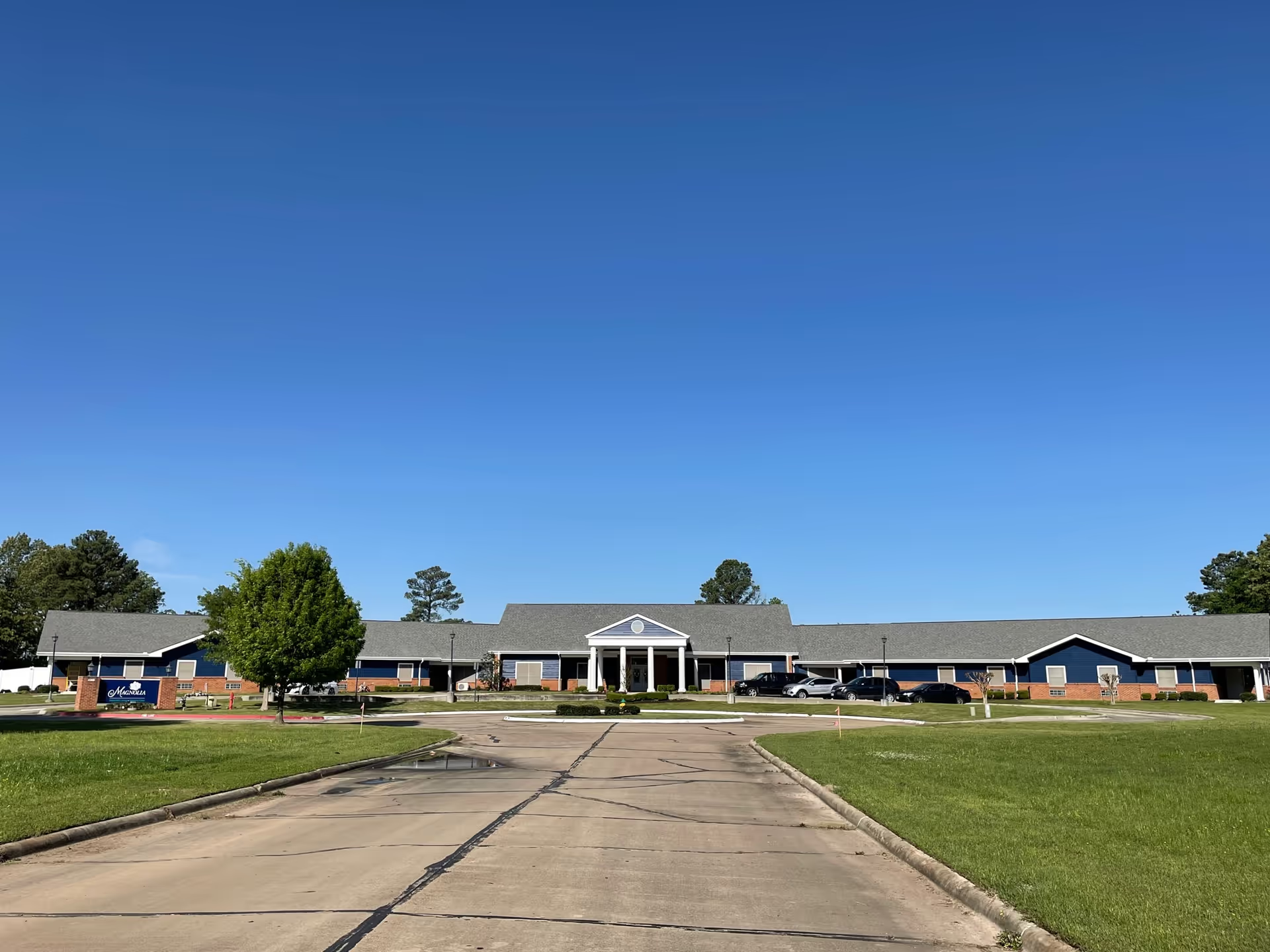
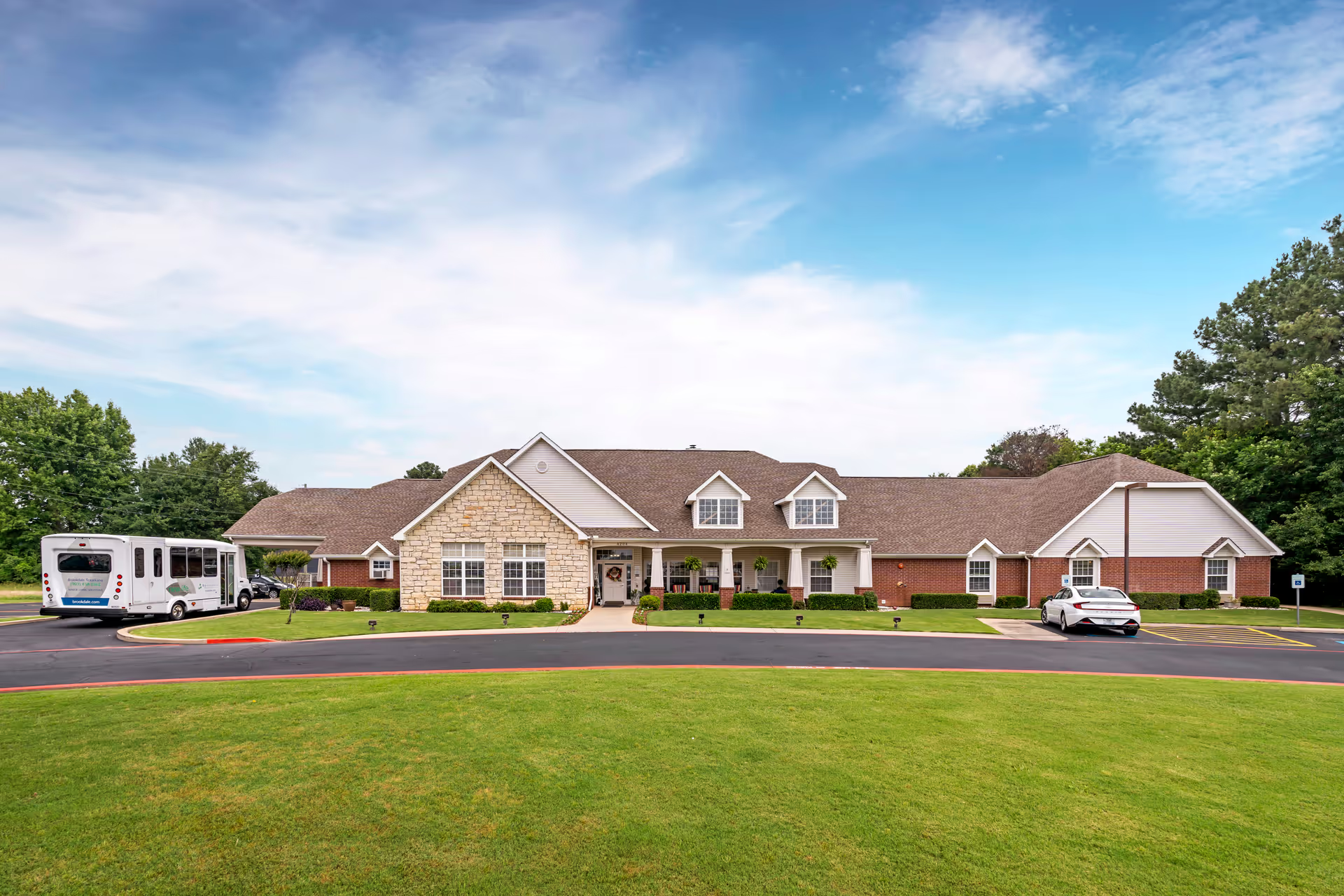
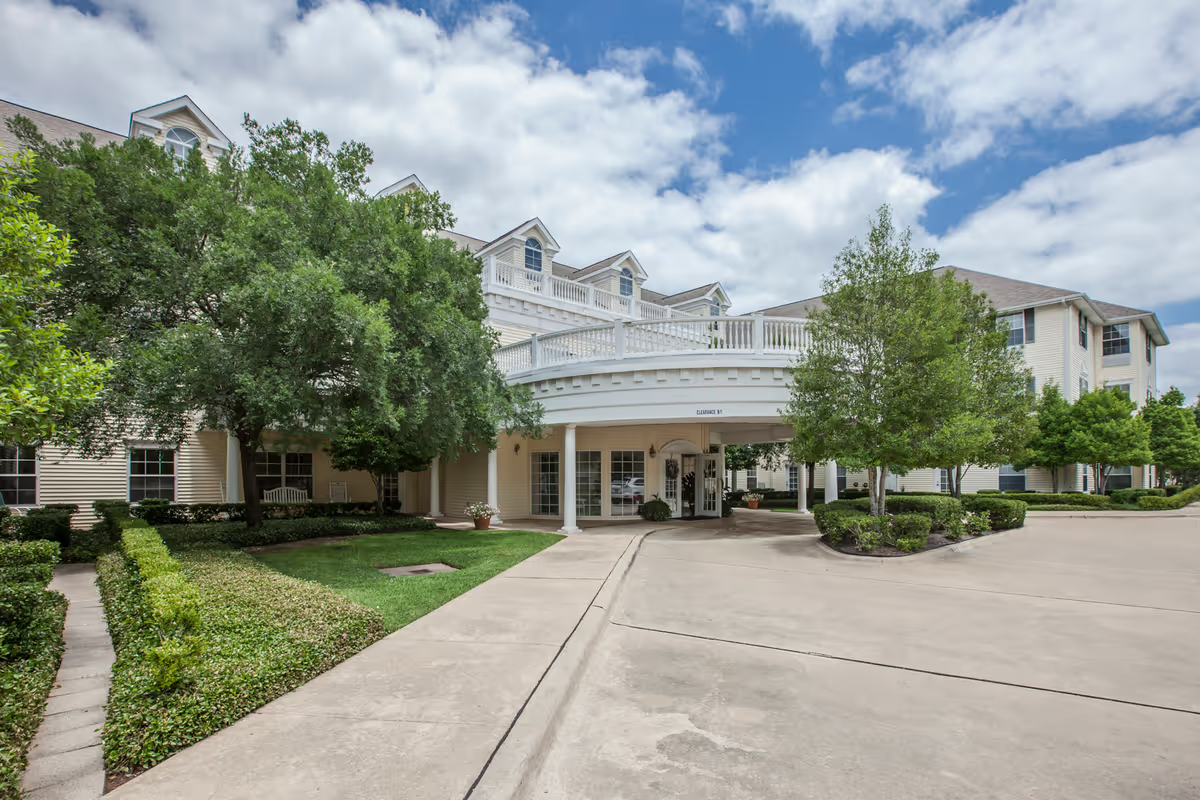
Facility condition is a relative strength in the summaries: the environment was described as clean and well-maintained. Nevertheless, cleanliness alone does not address the operational weaknesses noted elsewhere; review of infection-control practices, laundry procedures, and sanitation audits is advisable as part of a comprehensive evaluation.
Management and organizational issues are a recurring theme. Some reviewers commend leadership, but others describe the facility as unorganized and poorly managed. This inconsistency suggests variability in leadership effectiveness or recent turnover. Ask about leadership tenure, staffing ratios by shift, incident-reporting protocols, and how the facility addresses identified deficiencies. Request records of regulatory surveys, corrective actions, and internal quality-improvement initiatives.
Notable patterns: the feedback is polarized—strong positive experience with therapy and many direct-care interactions contrasted with serious operational concerns related to transfers, medication control, and managerial consistency. Given this divergence, families should undertake targeted due diligence: observe transfers and staff–resident interactions, review medication-administration safeguards and error logs, confirm staffing levels and training practices, and request documentation of leadership stability and quality-improvement efforts. These steps will help determine whether the facility’s strengths align with an individual resident’s needs and whether identified risks have been effectively addressed.