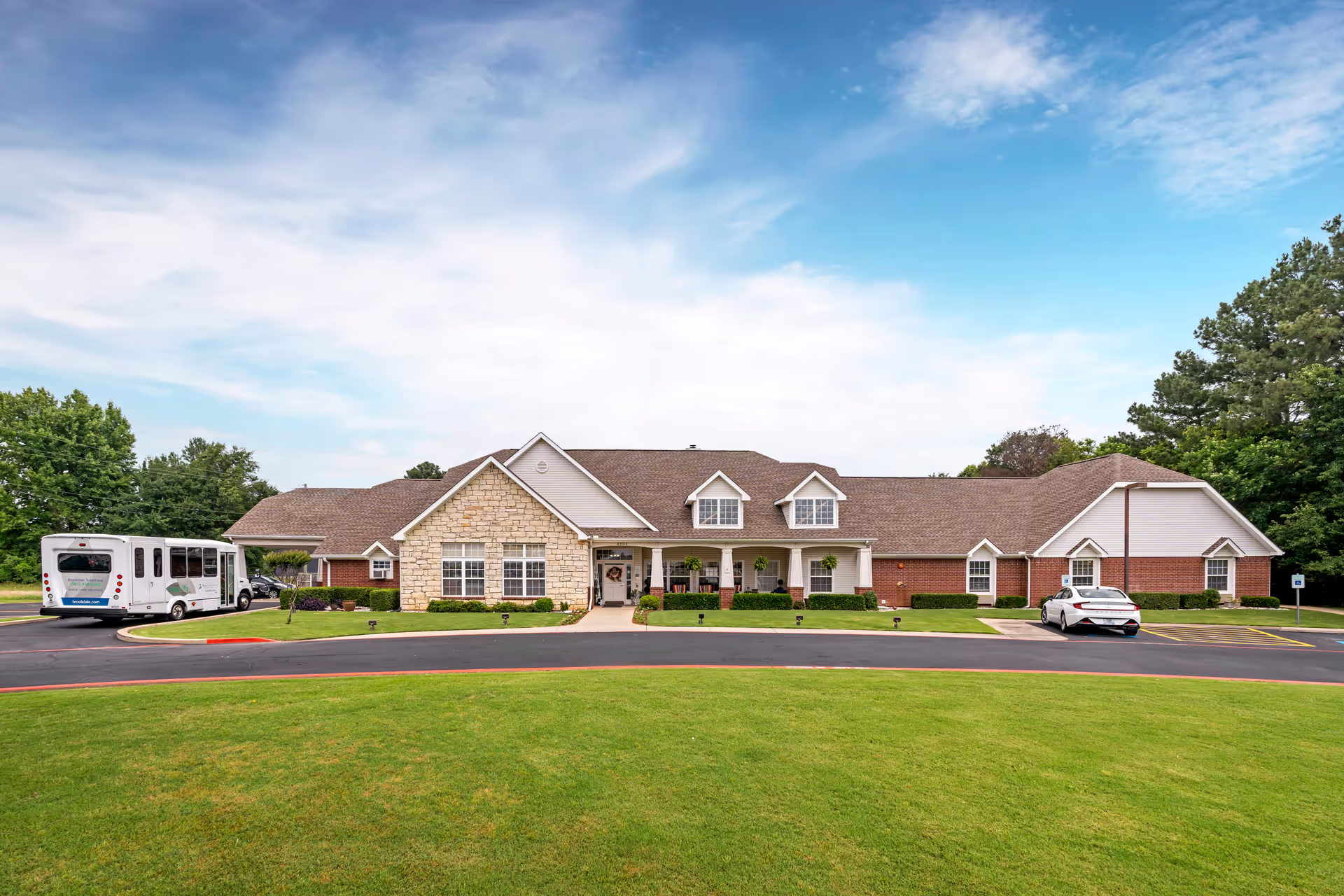
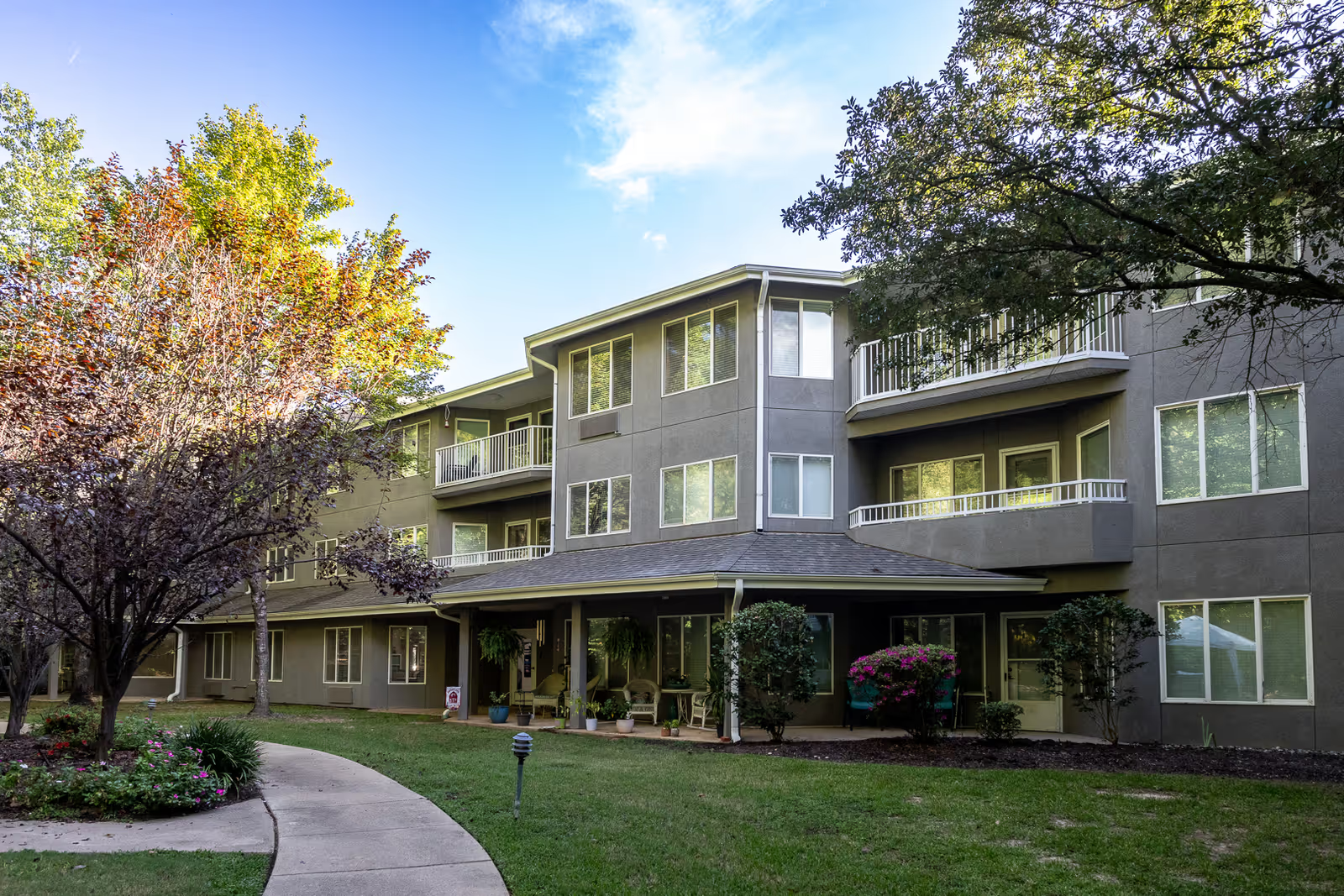
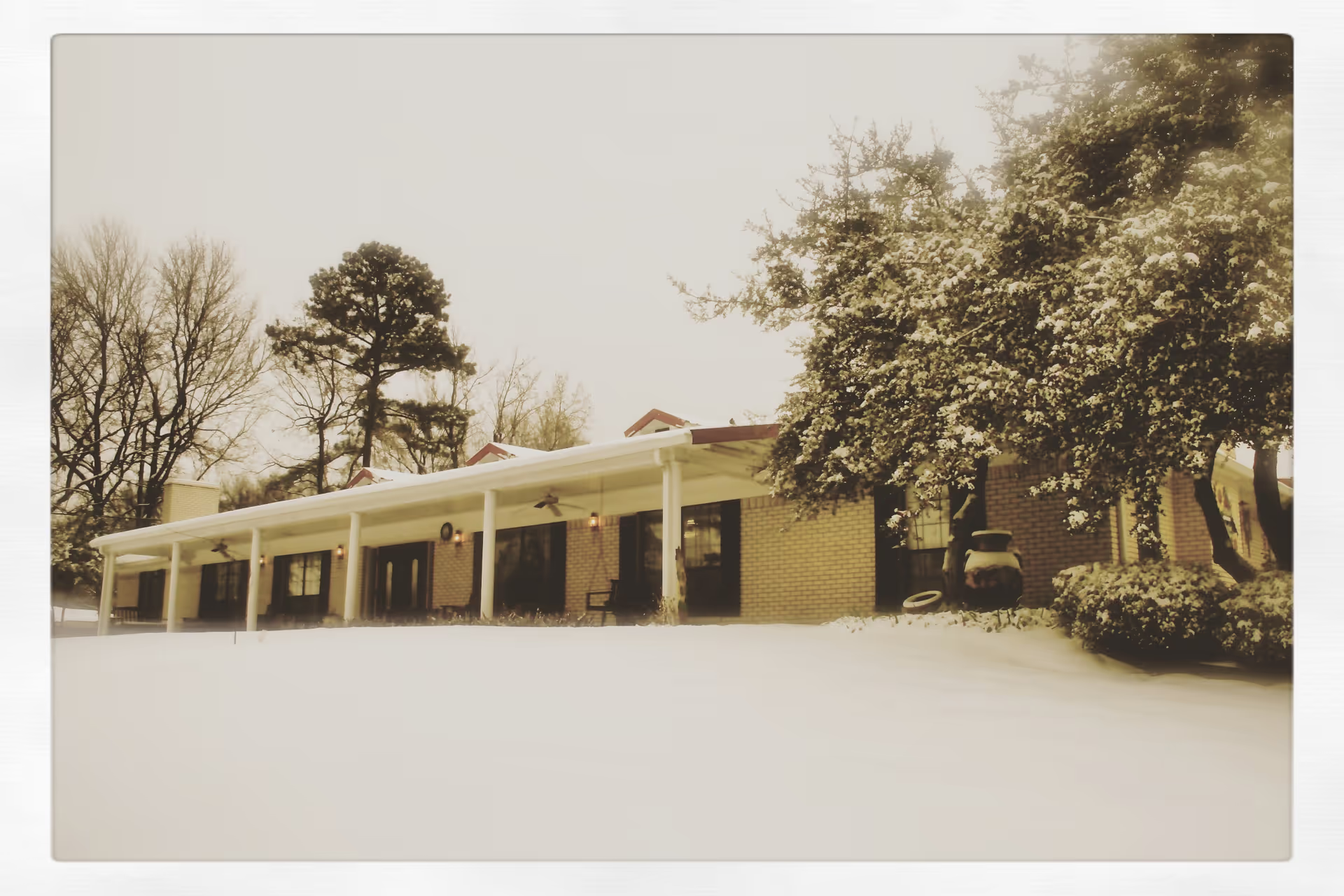
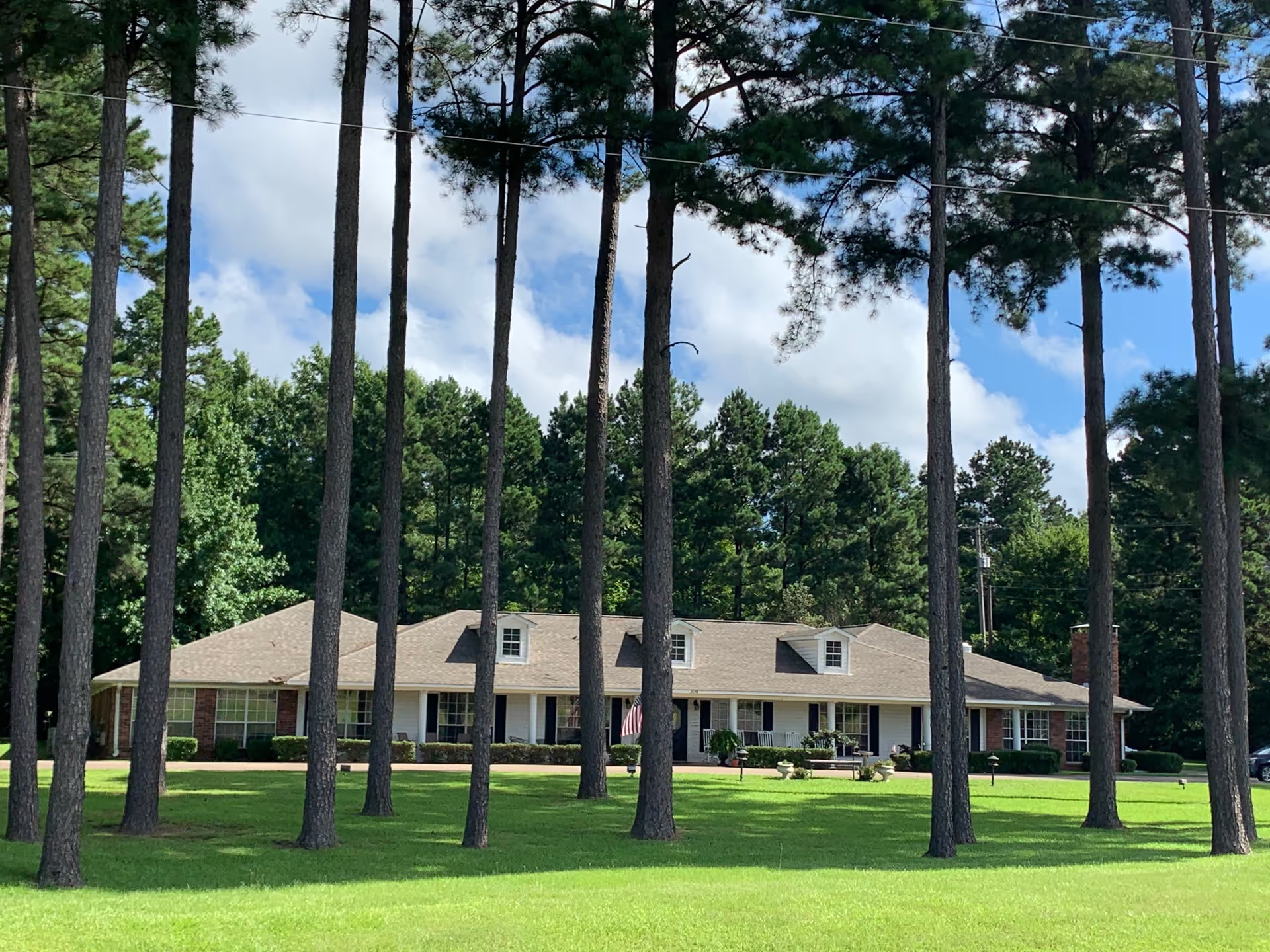
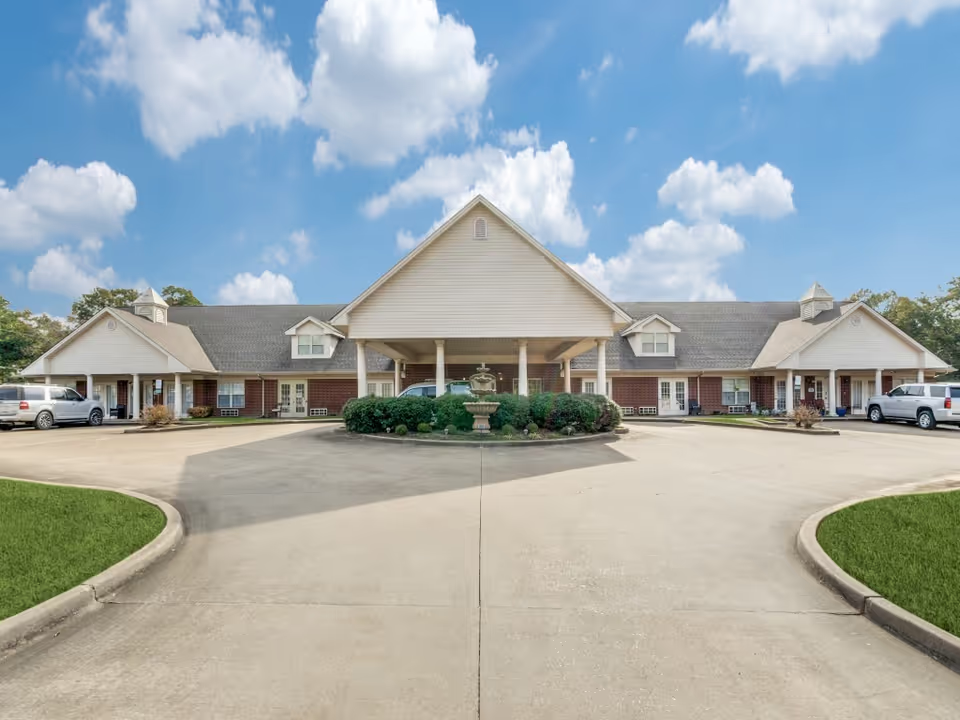
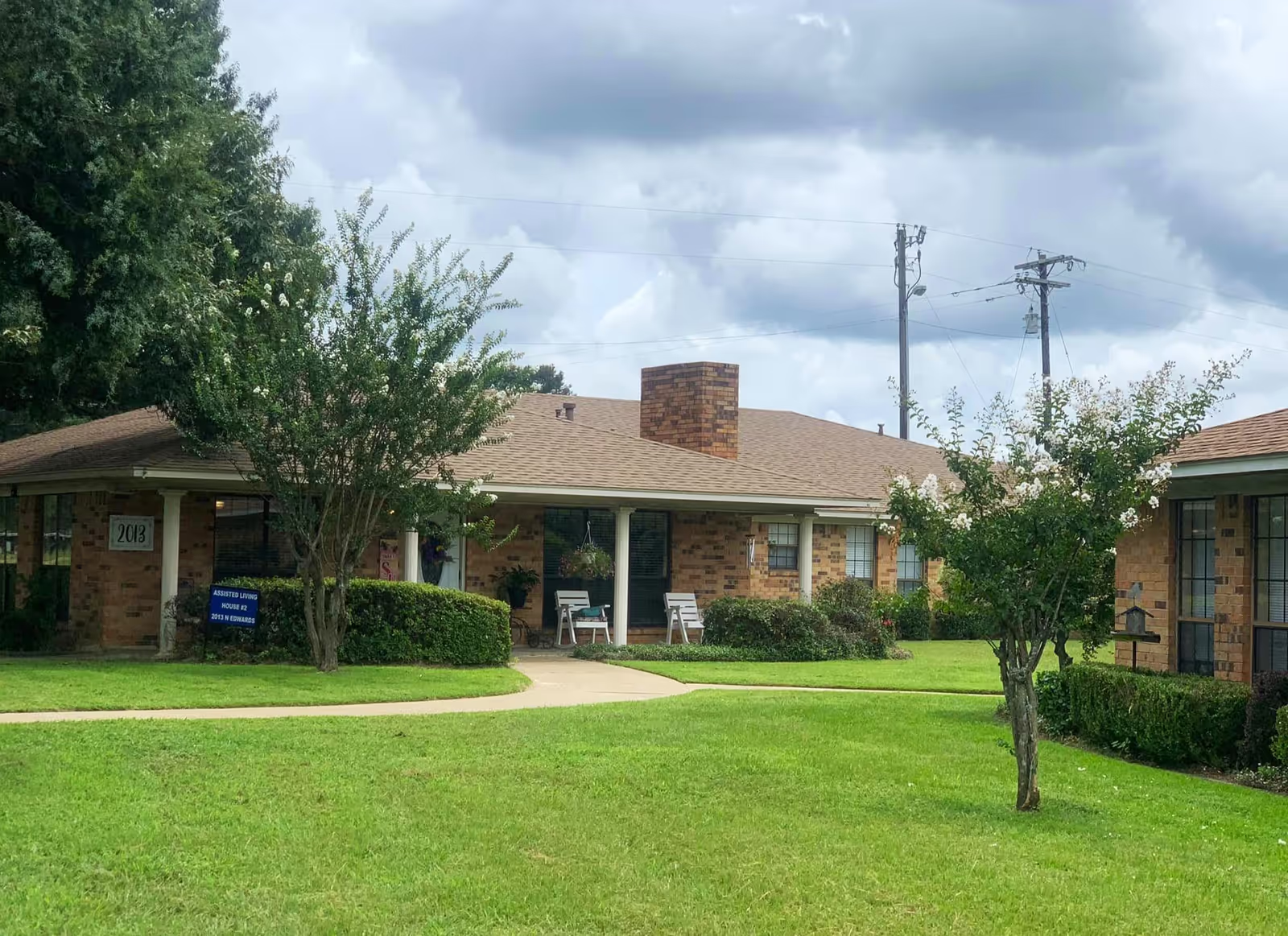
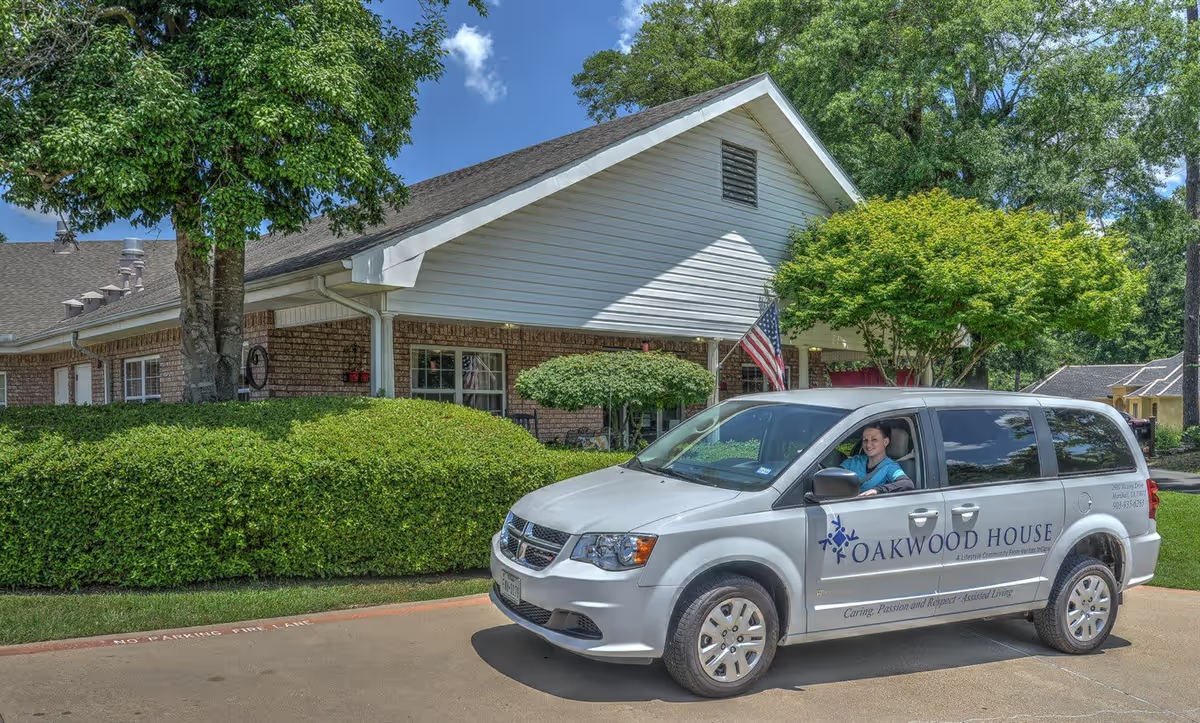
Magnolia Assisted Living presents as a small, dementia-focused memory-care community with many design features intended for safety, accessibility, and a home-like atmosphere. The facility is described as having motel-style rooms equipped with conveniences such as a microwave, refrigerator, and sink, along with large bathrooms and accessible layouts. Grounds and courtyards are frequently described as attractive and well maintained, and many reviewers highlight a quiet location away from busy streets.
Care quality and staff performance are the most mixed elements in the feedback. A substantial portion of the commentary emphasizes compassionate, resident-centered caregiving, teamwork among aides and nurses, and leadership that is personally engaged in residents' well-being. Families describe staff who go beyond routine tasks to support transitions and maintain dignity. Conversely, other accounts describe variability in staff training, on-the-job competence for dementia care, and staffing stability; these operational gaps are associated with inconsistent care continuity. Overall, staffing appears to be a strong asset at its best and a source of concern when turnover or training lapses occur.
Dining, activities, and amenities are generally viewed positively. The kitchen is often characterized as preparing fresh, homemade food with dietitian involvement and attention to presentation. Activity programming — including on-site social spaces, outings for shopping, an on-site salon, and occasional live entertainment — is cited as a strength that supports engagement for residents with memory needs.
Facility upkeep and sanitation show a split pattern. Many observers describe clean, neat interiors and well-kept landscaping, while others raise sanitation concerns in resident rooms and on floors, along with odor concerns in some areas. Housekeeping coverage is sometimes described as uneven, particularly on weekends, which contributes to perceptions of inconsistent maintenance. The community’s secure, locked environment is viewed as appropriate for memory care but coexistence of cleanliness lapses and staffing variability creates safety and quality perceptions that families should assess directly.
Management and organizational matters merit careful consideration. Several accounts praise visible executive and clinical leadership, while other feedback highlights communication difficulties with management, declines in operational quality after ownership or management changes, and even allegations concerning licensing or credential representation. Pricing is characterized as elevated, and families weighing placement should factor cost relative to the level of consistency they expect.
In summary, Magnolia offers clear strengths for families seeking a small, memory-care–oriented community with homestyle meals, active programming, and many examples of committed staff and attractive grounds. At the same time, patterns of variable staff training, intermittent housekeeping and sanitation issues, management responsiveness concerns, and reports of operational change following ownership transitions indicate areas that prospective residents and families should probe during tours and pre-move conversations. Recommended next steps include an in-person visit during a weekend and weekday shift, direct questions about staffing ratios and training for dementia care, review of housekeeping schedules and infection-control practices, and clear documentation of licensing and administrative credentials before committing.