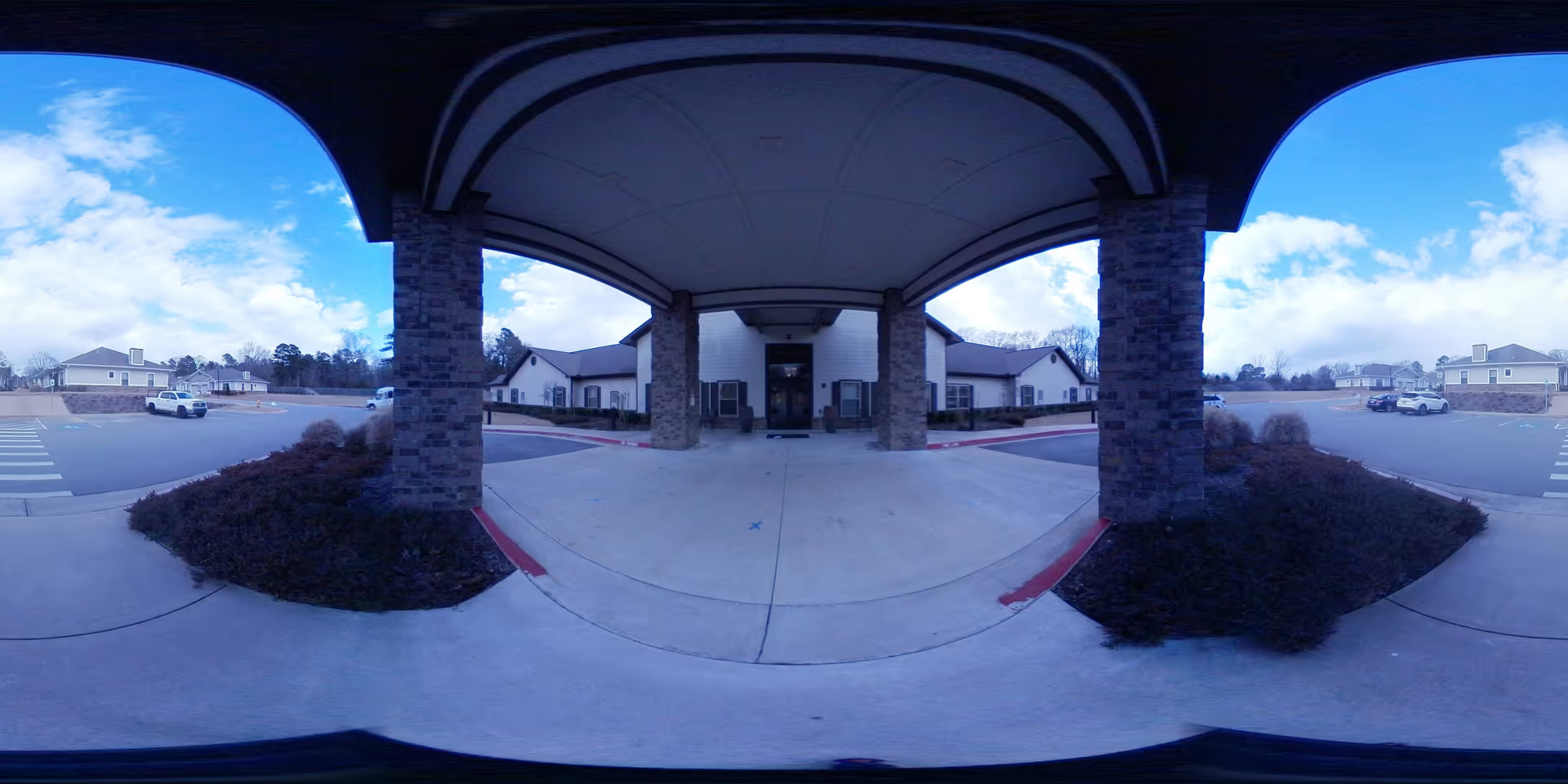
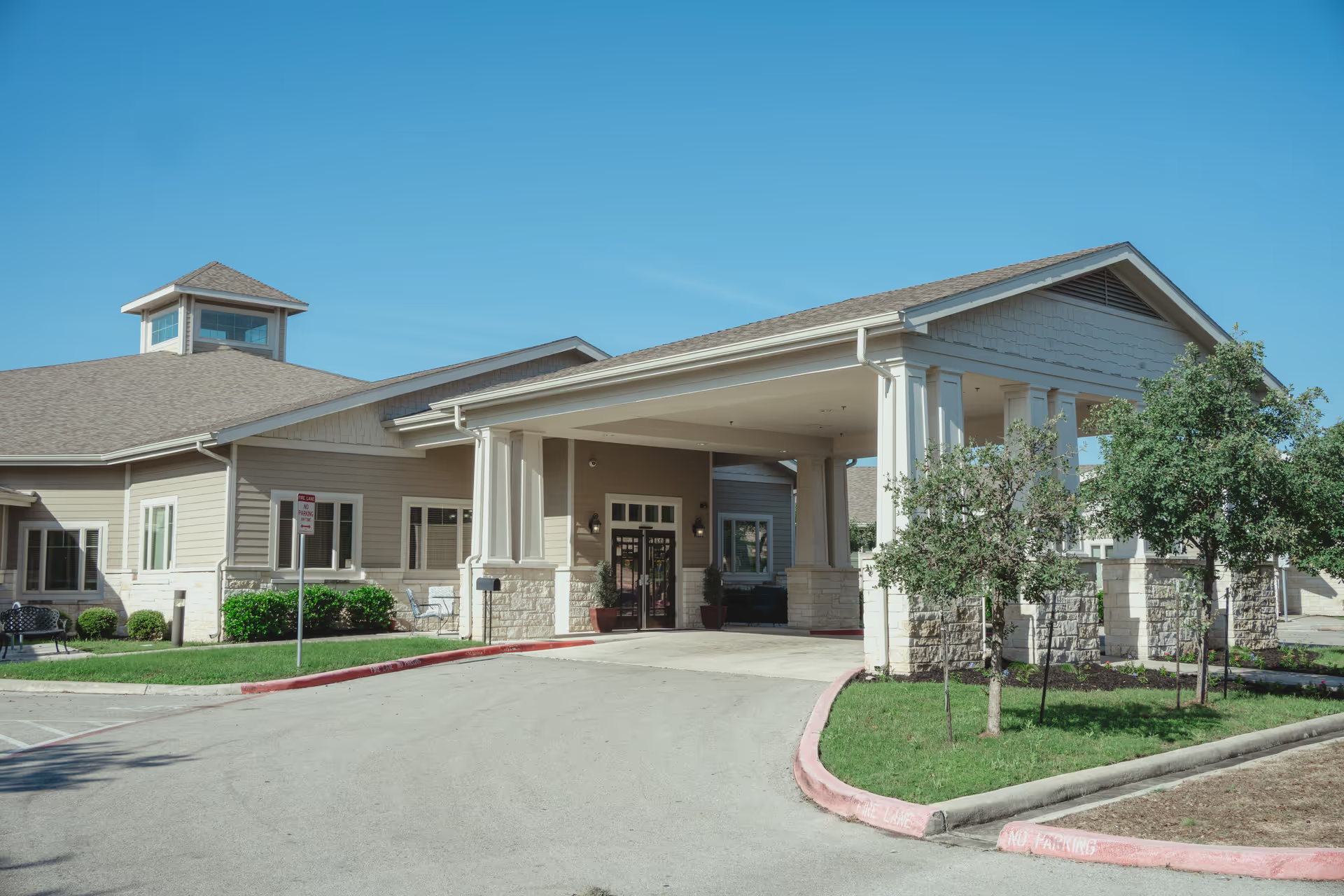
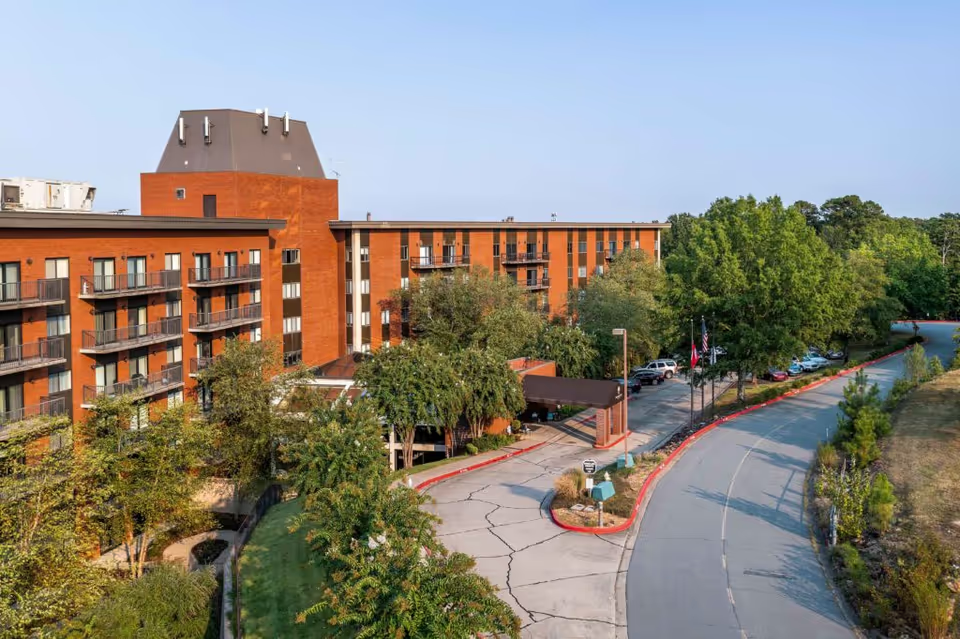
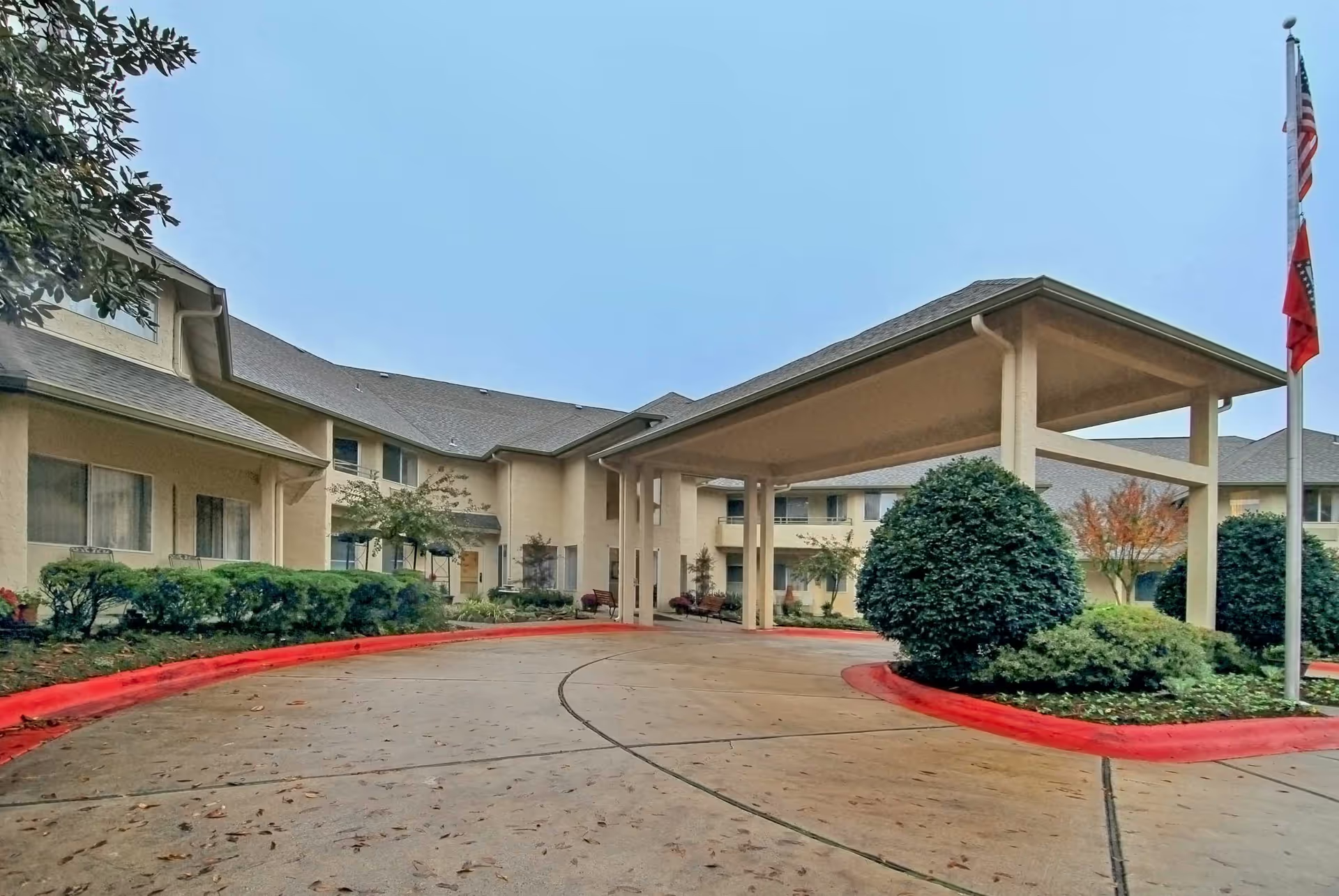
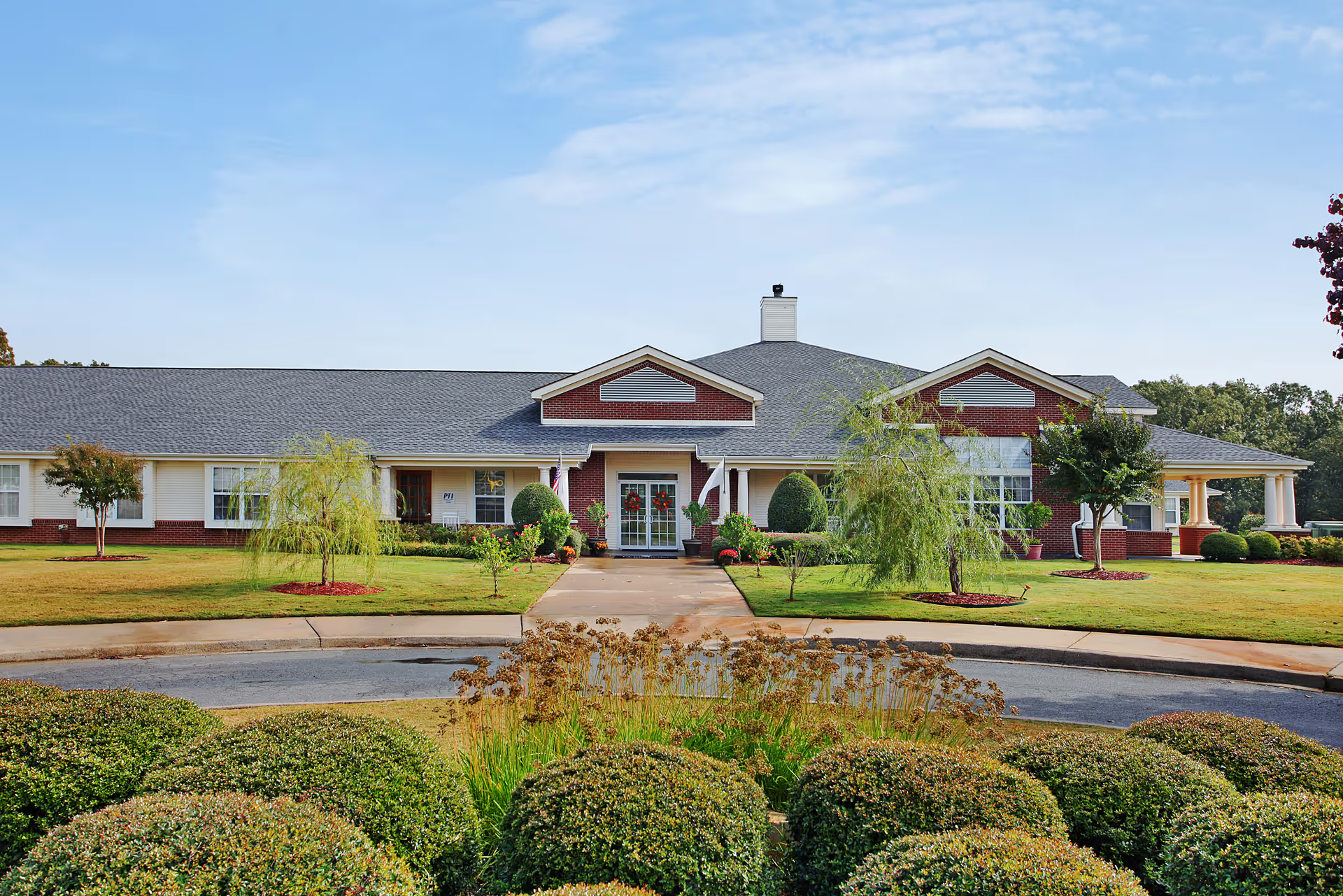
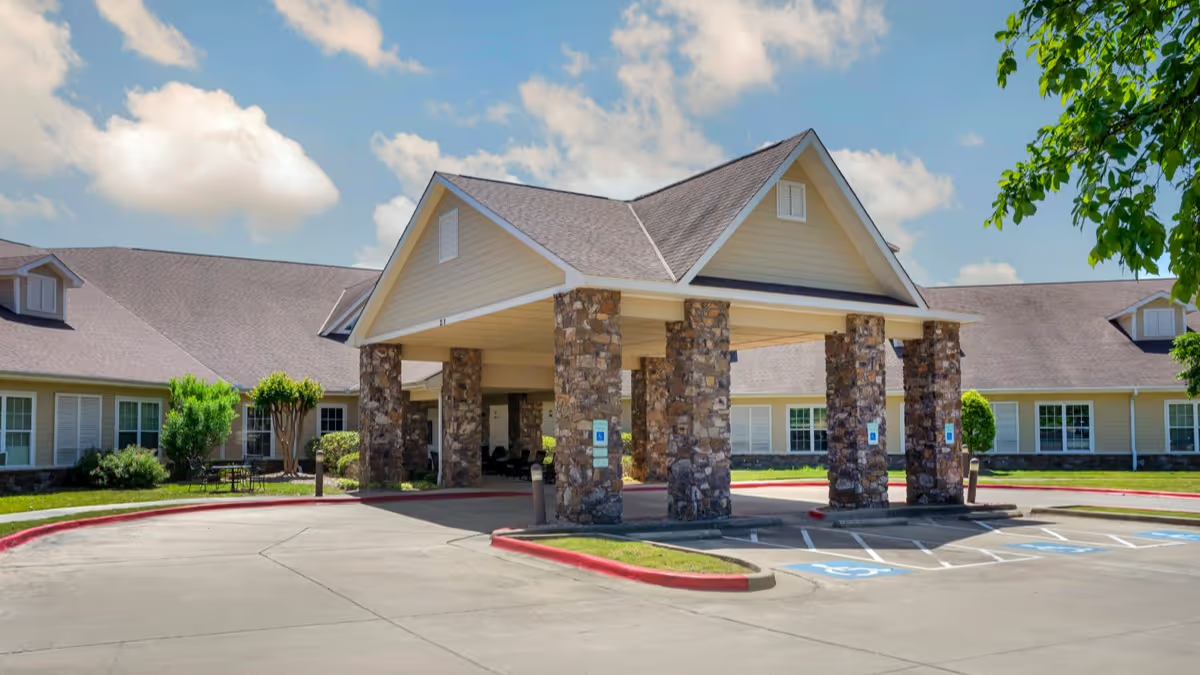
Reviews of The Blossoms at White Hall present a polarized picture: many families praise the facility’s interpersonal strengths and environment, while others raise operational and clinical concerns. Positive accounts highlight compassionate, patient-focused direct care, several skilled therapy staff members, and a robust activities program. The building and grounds are frequently described as attractive and well kept, with comfortable common spaces and a variety of daily programming that contributes to a sense of community.
Care quality and staffing emerge as mixed but central themes. Numerous commenters describe CNAs and certain nurses as kind, patient, and attentive; several therapists and activity staff are singled out for positive impact. At the same time, persistent staffing shortages are repeatedly cited. These shortages are associated with delays attending to residents’ needs (for example, assistance with toileting or personal care) and intermittent lapses in routine tasks. There are also multiple concerns about medication administration and communication between clinical staff and families—issues that families characterize as miscommunications or errors in medication timing or orders.
Dining, housekeeping, and environmental services show variability. Some families compliment meals and the overall cleanliness of the facility interior, while others complain about inconsistent food quality, limited special-diet accommodations, and service problems (cold meals, repetitive offerings). Laundry and linen turnaround have been described as inconsistent in some accounts, and there are isolated sanitation and pest-control concerns reported in certain areas. Facility aging and occasional maintenance lapses are also noted alongside generally positive comments about the landscaping and décor.
Rehabilitation and activities are strengths for many residents. The activity program—bingo, crafts, concerts, pet therapy, beauty services, and community events—receives strong praise and appears to contribute meaningfully to resident quality of life. Therapy services receive positive remarks in multiple reviews, though other accounts describe limited or inconsistent therapy availability and question rehabilitation intensity and follow-through.
Management and communication practices are a frequent source of complaint. Families describe gaps in notification practices for transports and transfers, inconsistent handling and tracking of personal belongings (including allegations of missing items following transfers or after a resident’s death), and occasions where administrative responsiveness was perceived as inadequate. Financial transparency and billing practices are also raised by some families, including concerns about out-of-pocket charges for services. COVID-era visitation policies changed the family experience for some; several reviewers contrasted a more open pre-COVID visitation environment with later restrictions and inconsistent communication.
Overall, The Blossoms appears to offer many features families value—engaged activities, an attractive physical environment, and several compassionate care staff—but the facility also shows recurring operational weaknesses that warrant attention. Prospective residents and families would be well served to tour the unit, ask for current staffing ratios, review medication and property-handling protocols, and discuss dietary and therapy plans before admitting a loved one. Observing mealtimes, activity sessions, and staff–resident interactions during a visit can help assess whether the facility’s strengths align with individual care needs.