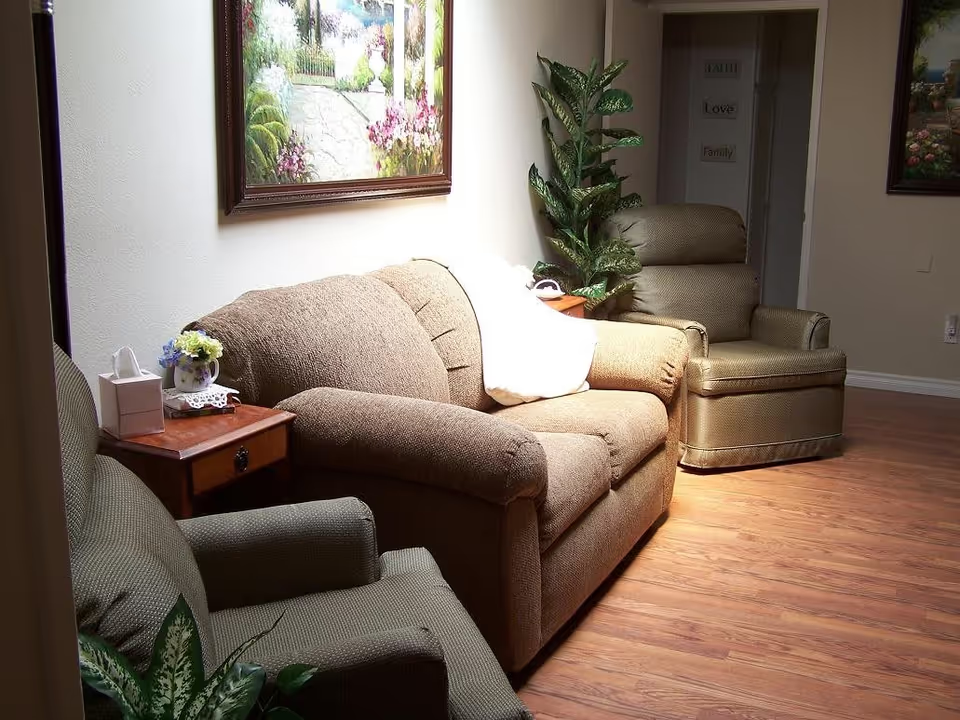
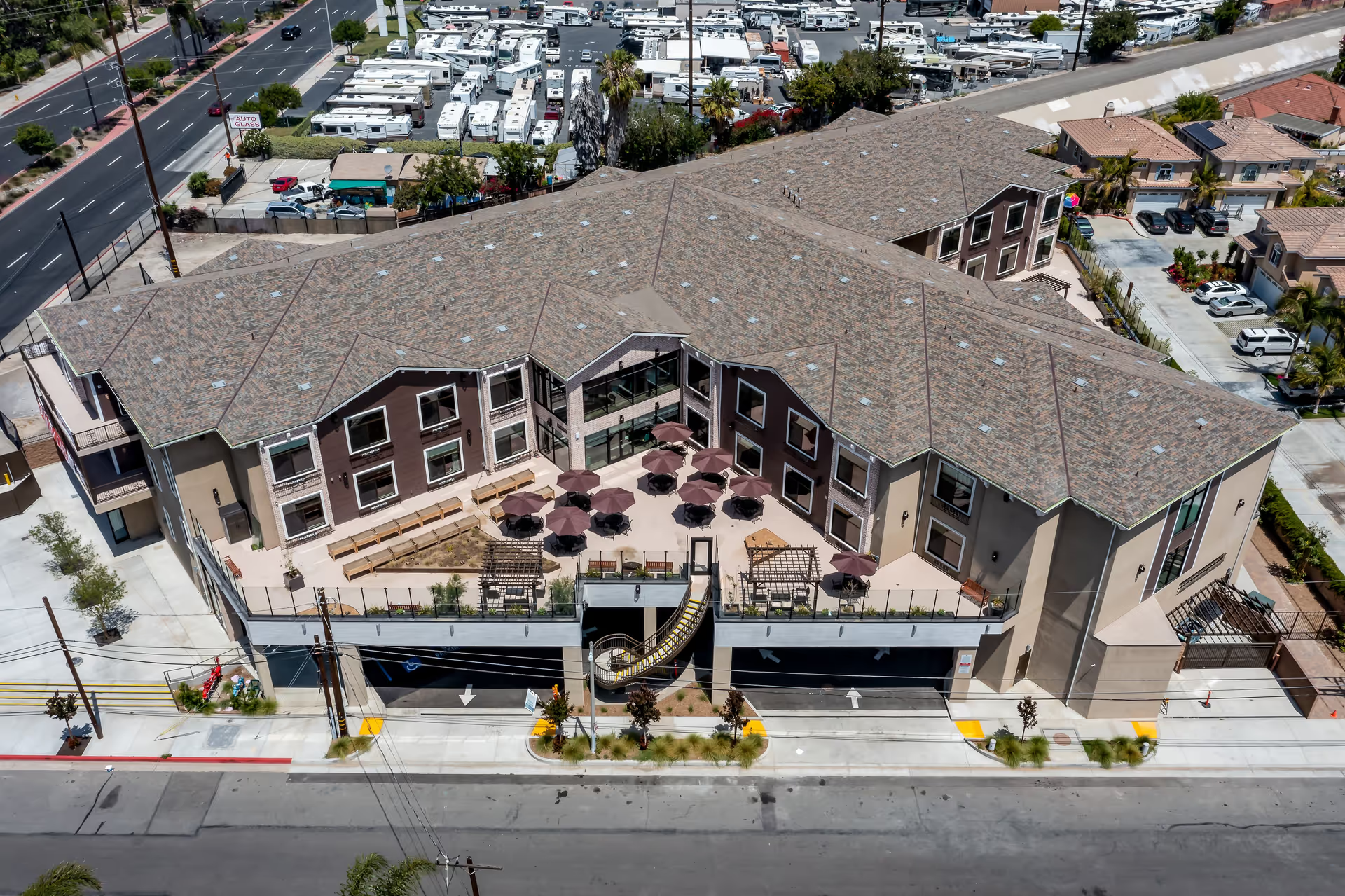
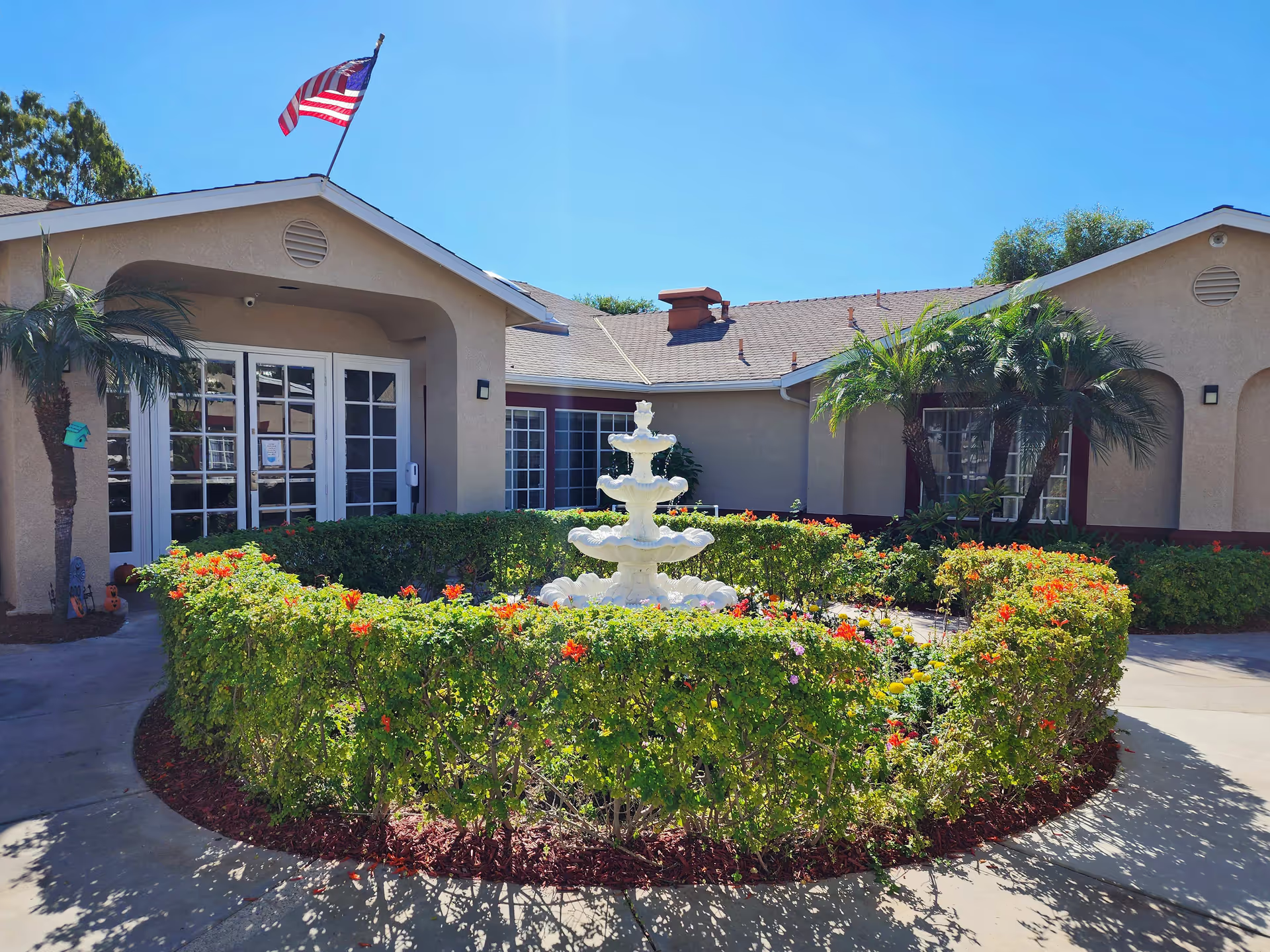
Overall impression: The facility receives frequent praise for its cleanliness, welcoming public spaces, and a generally attentive clinical and support staff. Families and residents commonly highlight a bright, hotel-like lobby, well-kept common areas, and an overall odor-free environment. Many reviewers describe a small, family-like atmosphere supported by friendly reception staff, proactive social-work involvement, and hands-on therapy teams that focus on mobility and functional goals.
Care and staff: Nursing and CNA teams are described as compassionate and engaged by numerous families; staff often provide attentive bedside care, individualized updates, and follow-up after incidents such as falls. Therapy services—physical, occupational, and speech—are repeatedly characterized as effective and goal-oriented, with several mentions of measurable improvement (for example, weight gain, increased standing/walking). Activities programming and social services are also noted as strengths, contributing to resident engagement and family confidence.
Dining and amenities: Dining receives mixed but generally positive feedback. Many residents enjoy the meals, citing good portions, appealing presentation, and dietitian involvement; some families praise a talented chef and occasional home-style offerings. That said, reviewers also note variability in food quality and preferences, producing an uneven experience across stays. The facility’s aesthetic features—patio, well-lit rooms, and pleasant décor—are seen as positive contributors to resident well-being.
Safety, equipment, and clinical processes: Several operational concerns emerge consistently. Staffing levels—especially at night—are described as inconsistent, and families report delays in responding to call bells or assistance requests. There are specific concerns about equipment maintenance and overall safety oversight, as well as lapses in sanitation and incontinence care that require administrative attention. Some reviewers raised concerns about medication management, including instances they perceived as unnecessary medication use. There are also references to unclear physician availability and limitations in the documentation/charting system that can complicate care coordination.
Management and communication: Communication is a relative strength in many cases—families often highlight proactive updates, frequent contact from nursing and therapy staff, and helpful admissions staff. However, this is not uniform: some families describe confusion about primary contacts at admission, inconsistent administrative responsiveness, and perceived understaffing driven by low pay or managerial decisions. These management-level issues are linked by reviewers to staff workload and occasional gaps in service consistency.
Notable patterns and risk signals: The overall pattern is one of a facility that delivers good rehabilitative and person-centered care when staffed appropriately, supported by effective therapy and engaged social work. Counterbalancing that are operational weaknesses related to staffing consistency, responsiveness to assistance requests, equipment/safety oversight, and sanitation practices. There are also isolated but serious allegations about incontinence care and delayed administrative response following a clinical incident; these merit careful follow-up by prospective families and by regulators or quality reviewers when evaluating placement.
Guidance for prospective families: If considering this facility, weigh the strong rehabilitative services, caring clinical teams, clean environment, and proactive family communication against reports of inconsistent staffing coverage, response delays, and occasional sanitation or equipment issues. Clarify physician coverage and documentation practices during the tour, ask for current staffing ratios (including night coverage), and request examples of how the facility addresses incident follow-up, equipment maintenance, and medication oversight. These targeted questions can help determine whether the facility’s strengths are likely to meet an individual resident’s needs and safety requirements.