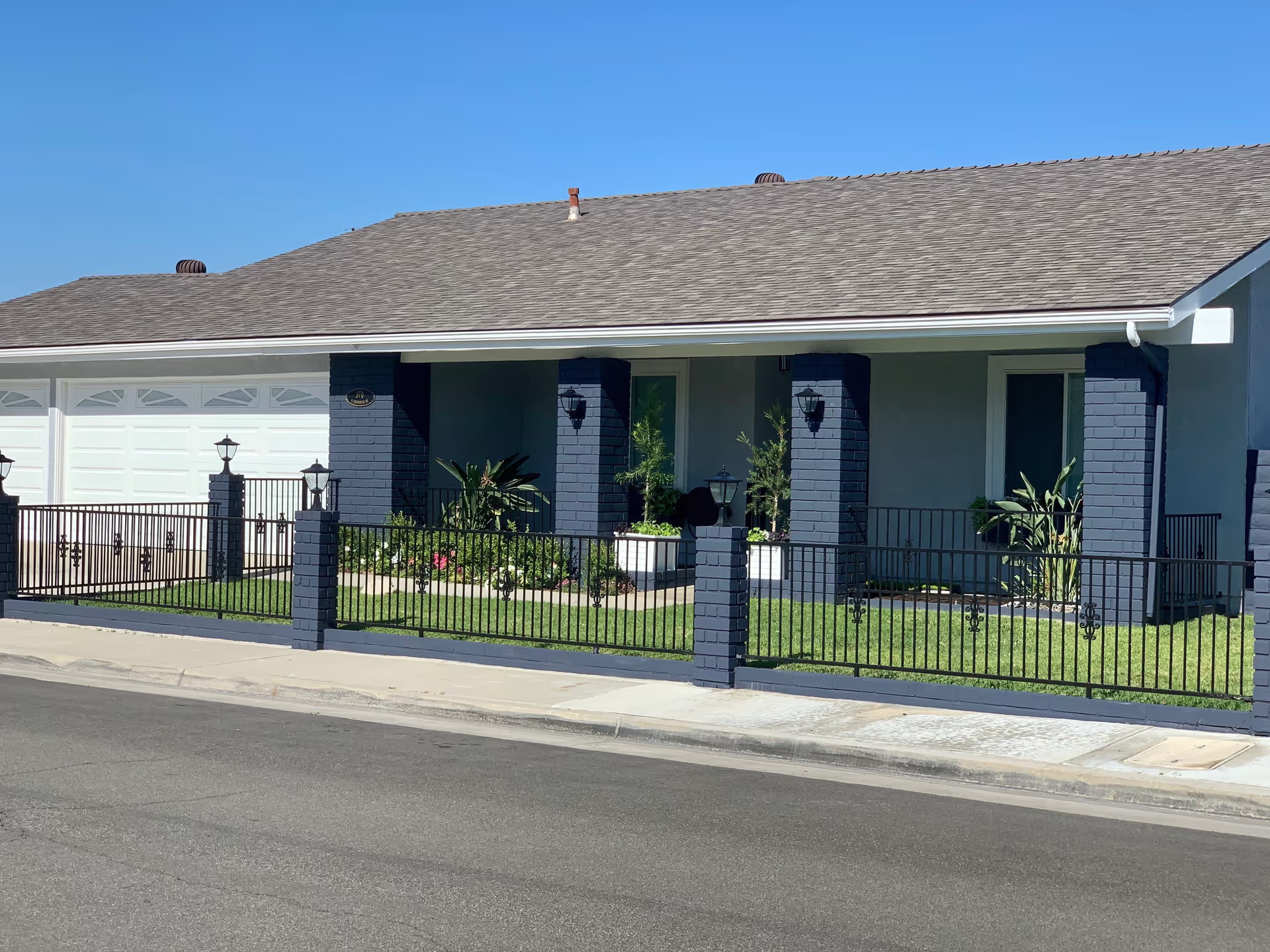
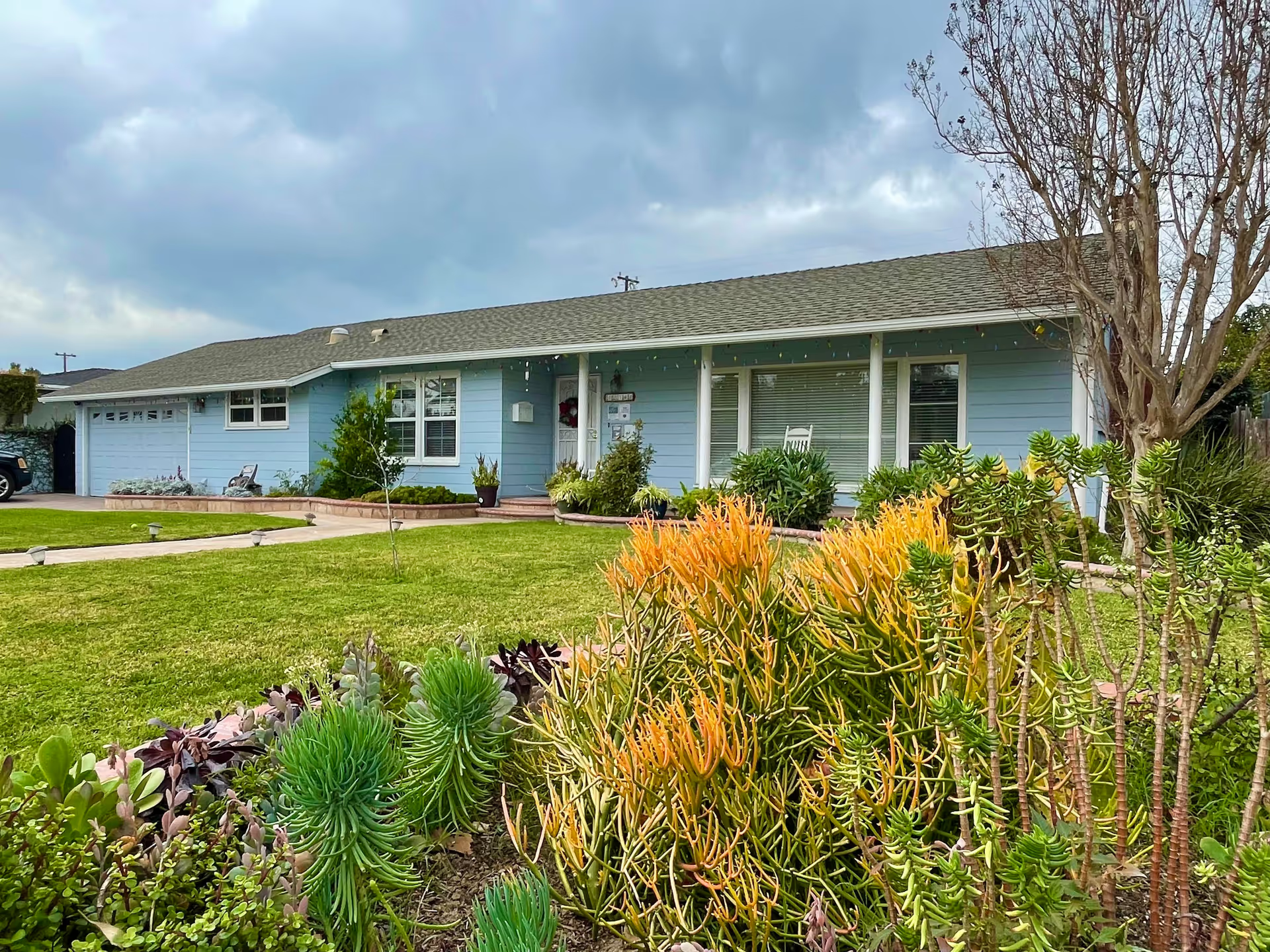
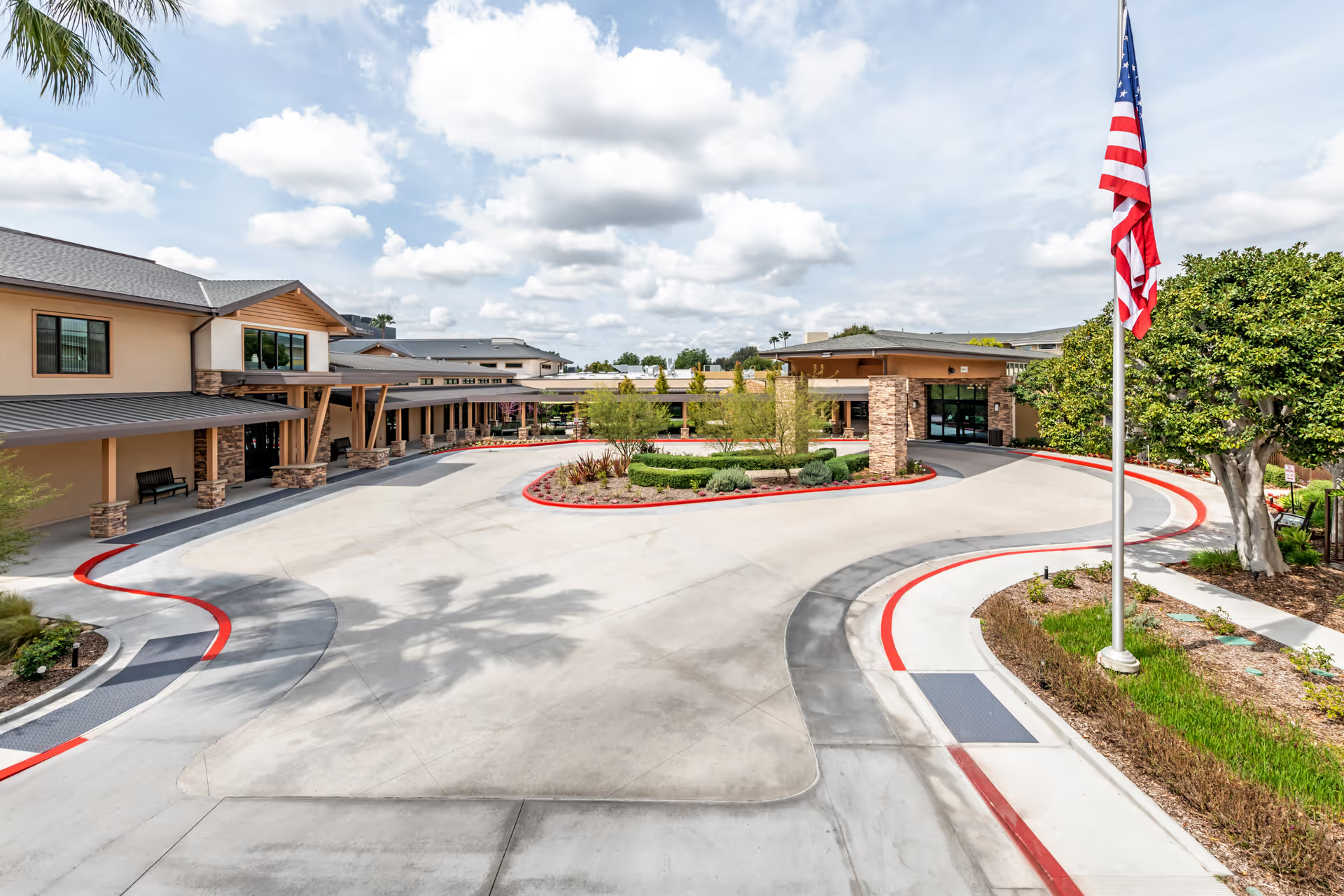
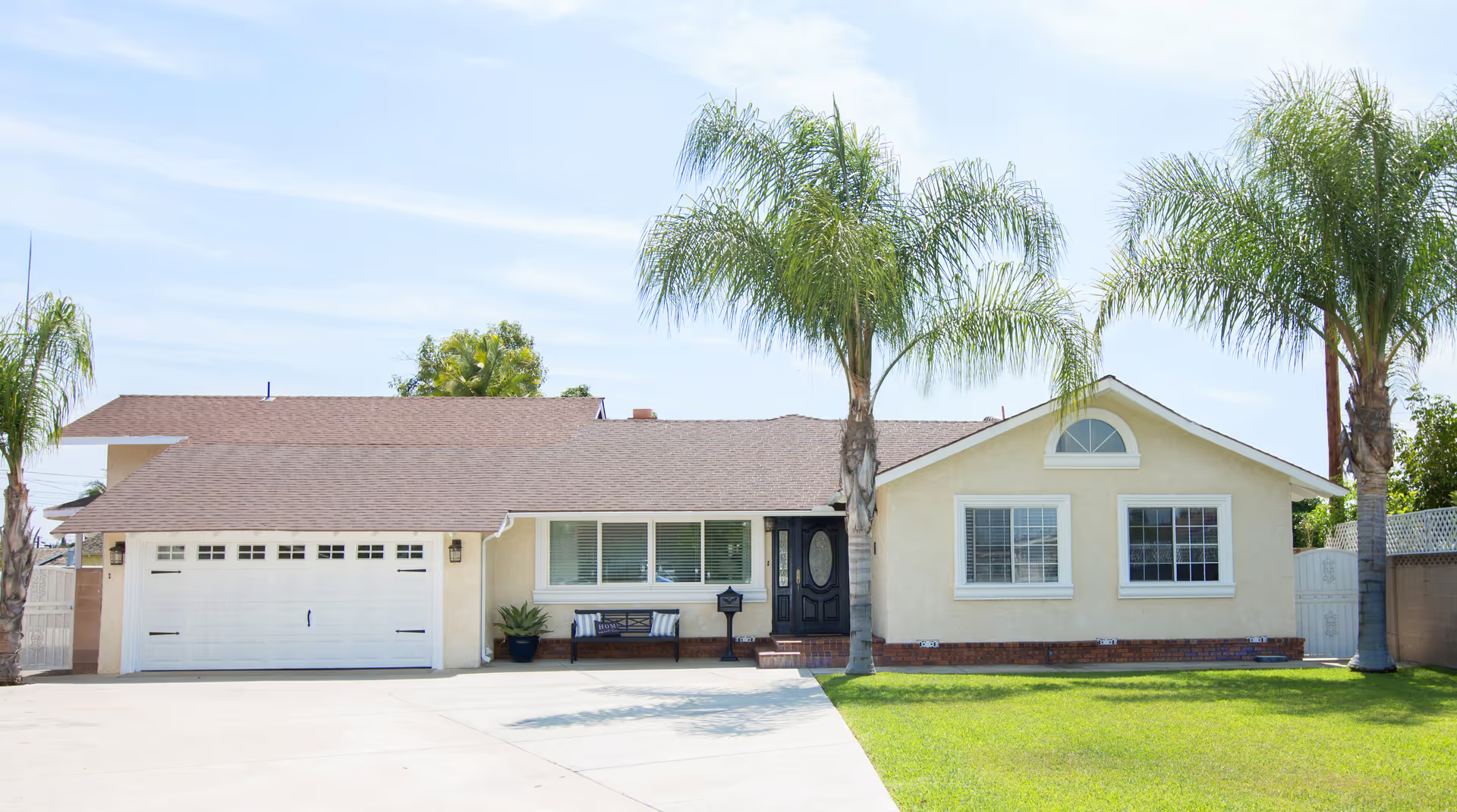
Walnut Village Orange County presents as a high-end, well-appointed retirement community with a broad range of lifestyle and clinical services on a single campus. The physical plant and grounds receive consistent praise: interiors are described as modern and clean, apartments offer full kitchens and in-unit laundry, and the campus is organized around a village square with chapel, post office, gardens, and multiple dining venues. Amenities are extensive and include an indoor pool, fitness center with trainer, art studio, library, piano lounge, bistro/coffee shop, valet/underground parking, and shuttle service. For families seeking continuity of care, the presence of both memory-care and skilled-nursing/rehab services on site is a notable strength.
Dining and activities are central features. The community offers multiple dining formats — a formal dining room, casual café/bistro, and private/points-based dining options — and many reviewers compliment the gourmet offerings and presentation. Life-enrichment programming appears robust, with arts and crafts, exercise and pool classes, reading groups, and social events; however, attendance and fit vary by resident lifestyle. The location near major attractions is appreciated by some for family access and social options, though it creates traffic and access challenges for others.
Care quality and staffing present a mixed picture. Numerous reviews praise caring, attentive nurses, CNAs, and front-line staff, and families highlight positive admissions experiences and strong customer-service interactions. Contrasting accounts raise serious operational concerns: reviewers describe inconsistent clinical monitoring, wound and catheter-site care issues, medication-administration problems, and inadequate fall-prevention measures. These accounts suggest variability in clinical practice and uneven staff training or staffing levels. Several reviewers also noted delays or gaps in communication with families and front-desk responsiveness, which compound clinical worries when coordination is needed.
Financial and management patterns are important to consider. The community positions itself at the higher end of the market with substantial buy-in options and significant monthly fees; some residents and families feel the cost is consistent with peers and the amenities offered, while others question the value given the operational inconsistencies. Meal-plan structures and what is included in monthly fees have been described as complex, and limited meal coverage or point-based meal systems have led to dissatisfaction for some residents. A few reviewers characterized administrative priorities as financially focused, which contributed to perceptions of mixed value.
Notable patterns: prospective residents should weigh the facility’s strong physical amenities, social programming, and on-site clinical continuum against reported variability in day-to-day care operations. If clinical reliability and consistent, well-documented clinical communication are top priorities, families should perform targeted due diligence: review wound-care and medication protocols, clarify staffing ratios and training procedures, confirm what meals and services are included in fees, and assess emergency-response and falls-prevention measures. For those prioritizing luxury amenities, social life, and a single-campus option for escalating care needs, Walnut Village offers many appealing features, but the mixed accounts of clinical consistency and service responsiveness warrant careful, specific questioning during tours and contract negotiations.