The collection of summaries describes a facility with a marked divergence in experiences: many families and patients praised the compassion of individual caregivers, the quality of rehabilitation services, and the generally clean, welcoming environment, while others raised significant operational concerns that affected clinical care and daily comfort.
Care quality illustrates this split clearly. Reviewers frequently praised nurses, CNAs, and therapists for attentive, empathetic care and effective rehab outcomes. At the same time there are recurring accounts of delayed clinical responses — long waits for call-light assistance, lapses in timely medication administration, missed or inconsistent personal-care routines, and delayed physician involvement. These patterns point to gaps in clinical oversight and resident monitoring that some families linked to hospital readmissions and other adverse outcomes. Several reviewers also reported wound- and skin-care concerns and problems with incontinence care and turning/positioning schedules, suggesting inconsistent adherence to basic nursing care protocols.
Staffing and team performance are described as variable. The rehabilitation department and named therapists receive consistent positive mention for skill and professionalism. Administrative leaders and select case managers were also often credited for helpfulness and problem resolution. Conversely, reviewers describe uneven performance among CNAs and RNs, high turnover among direct-care staff, and staff distraction or poor conduct in some shifts. These differences suggest the facility relies on committed individuals but struggles to maintain consistent staffing and training across all shifts.
Dining and activities present a mixed picture. The activities program and social offerings were frequently highlighted as energizing and home-like, contributing positively to resident morale. Food quality, however, was described as inconsistent — with some families satisfied and others noting poor meal quality or insufficient attention to dietary needs such as diabetes management. This indicates variability in meal preparation and nutritional oversight.
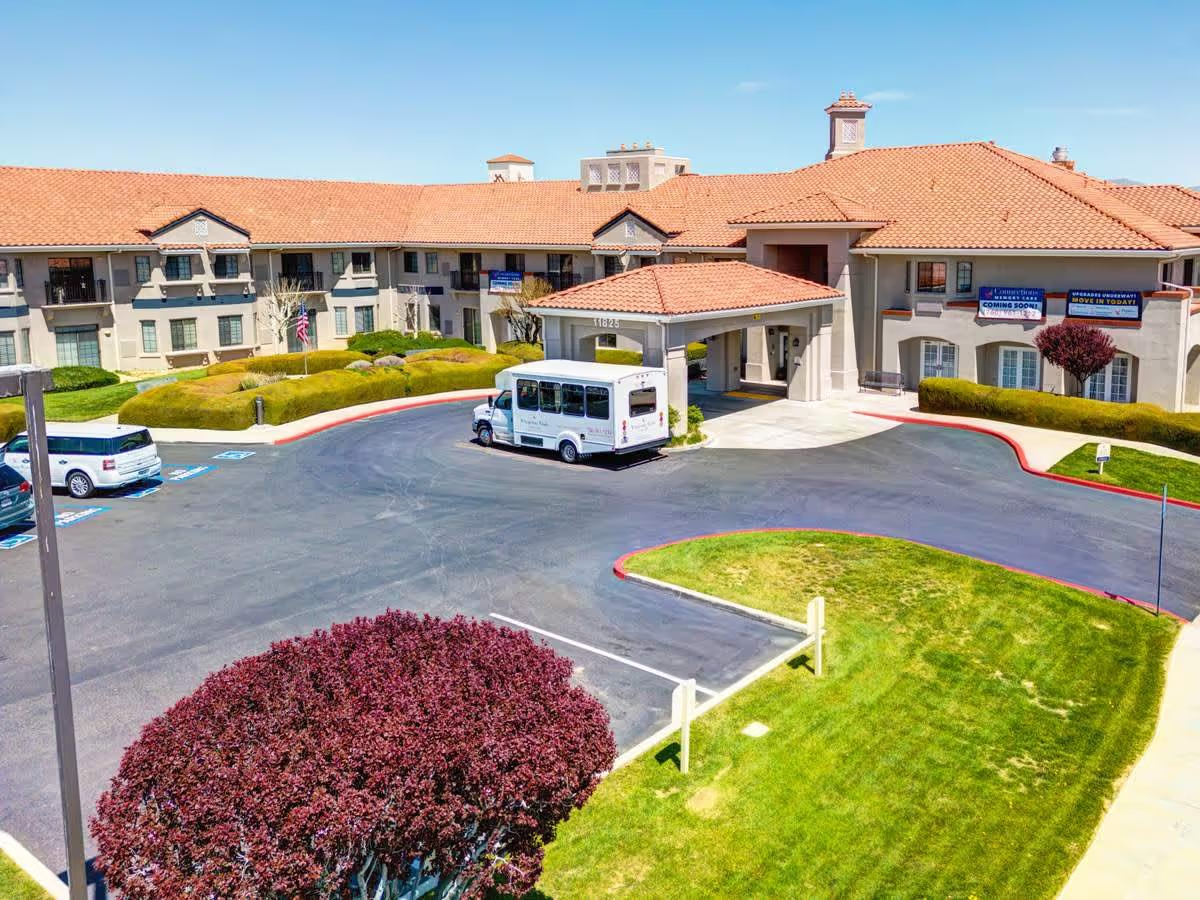
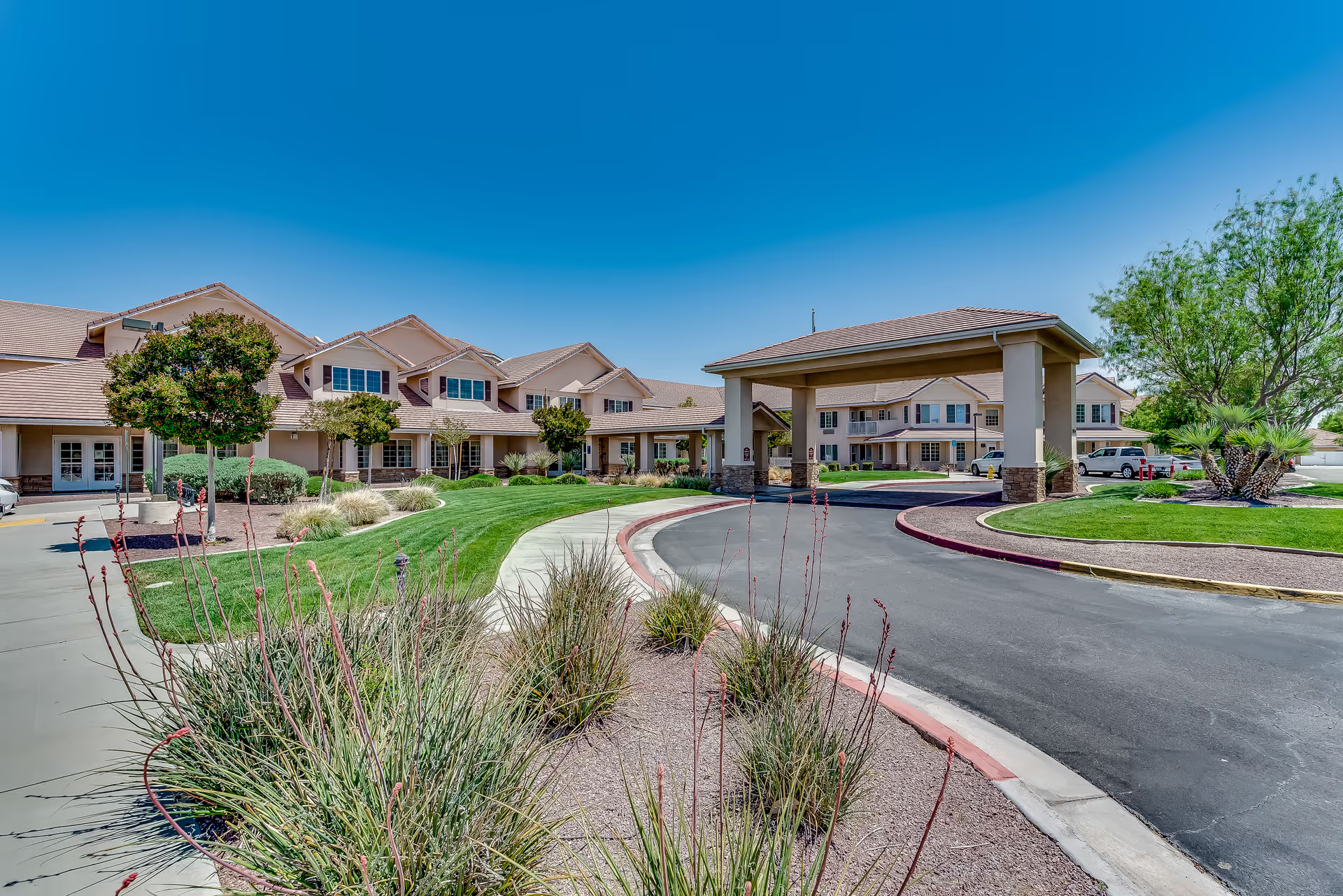
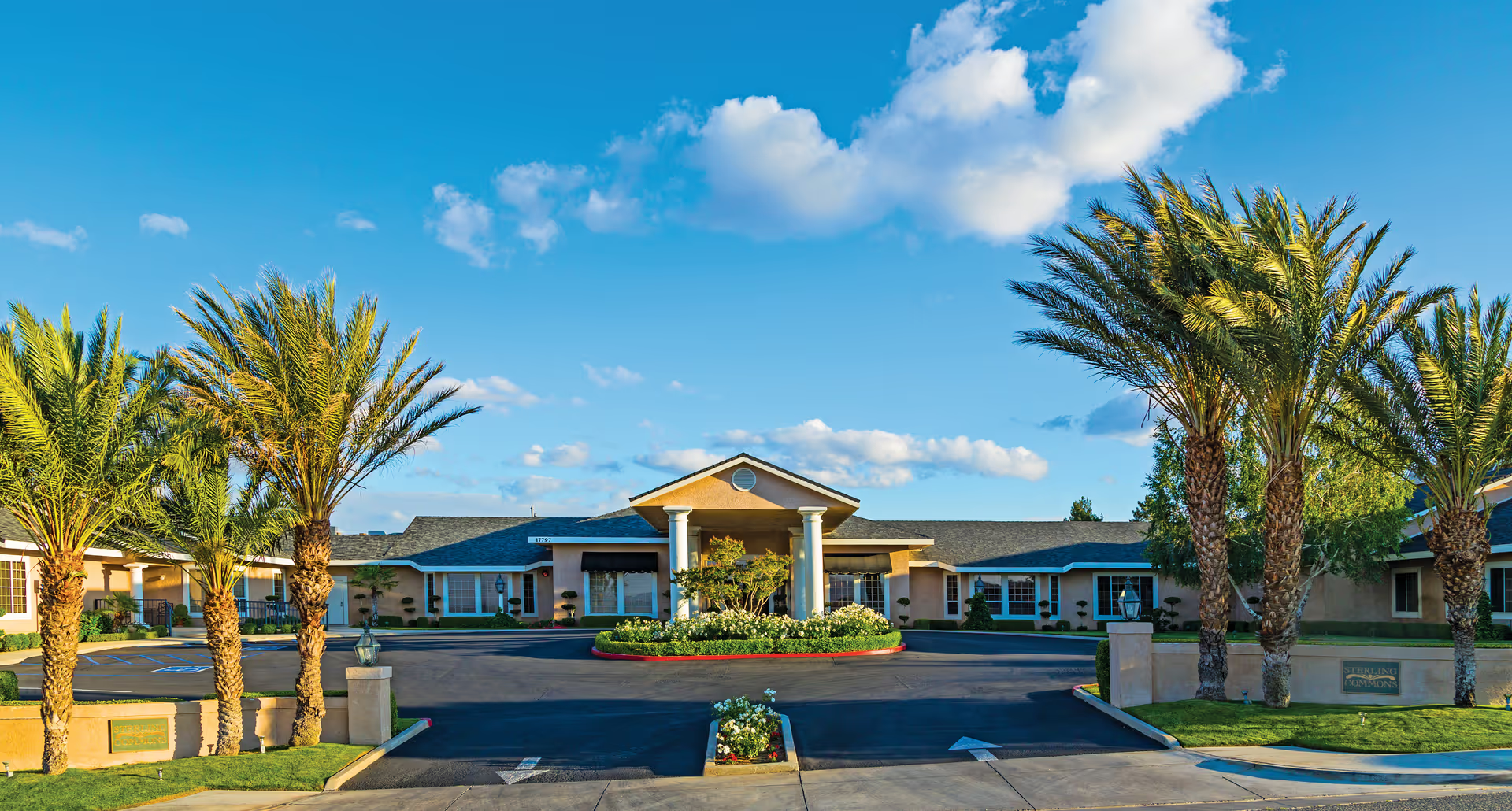
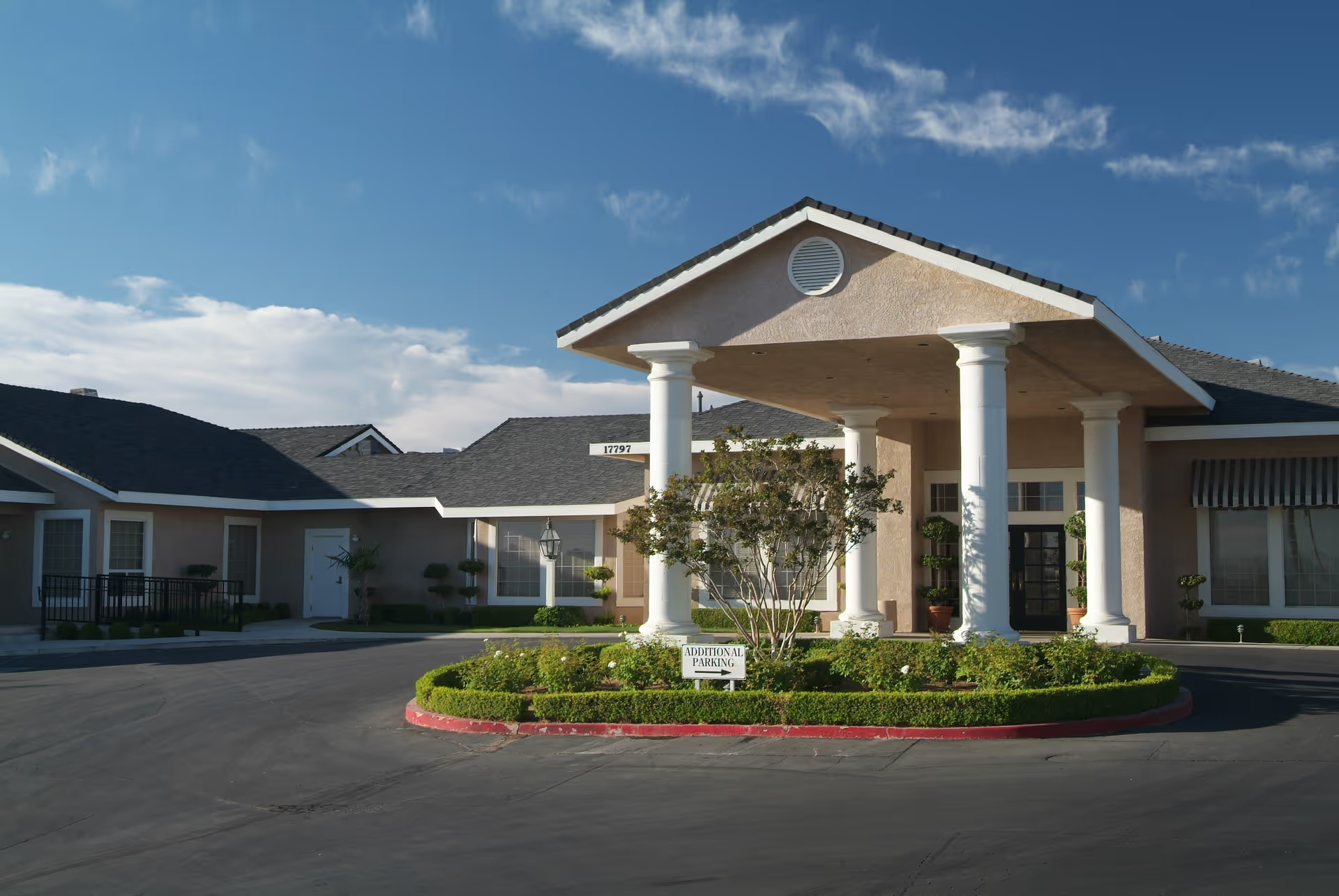
Facility and equipment observations are likewise mixed. Many reviewers described clean, well-kept rooms, attractive common areas, and helpful front-desk staff. At the same time there are repeated notes about malfunctioning equipment (beds, ice machines, therapy devices), hot-water or HVAC issues, unreliable phone systems, and occasional sanitation or odor concerns in specific areas. These suggest that while common areas are maintained, infrastructure and maintenance reliability are uneven.
Management and communication show strengths and weaknesses. Several family members named administrators who were effective and responsive, and some case managers were described as proactive. However, a substantial number of reviews pointed to poor internal communication, slow or absent callbacks, billing disputes, and inconsistent family updates. A few serious allegations around missing personal items and financial concerns were raised; such claims deserve careful verification through formal inquiry.
Notable patterns across the summaries are the polarization of experiences and recurring operational themes: strong rehab and some very capable staff, offset by systemic issues in staffing consistency, timely clinical care, equipment maintenance, and communication. For prospective residents and families, it may be helpful to tour the facility, meet the rehabilitation team and administrative contacts, ask about staffing ratios and shift coverage, review medication- and incontinence-care protocols, and clarify procedures for family communication and incident reporting. Active family involvement during the early days of a placement and specific documentation of care plans and dietary/medication needs may help mitigate some of the variability described in these reviews.