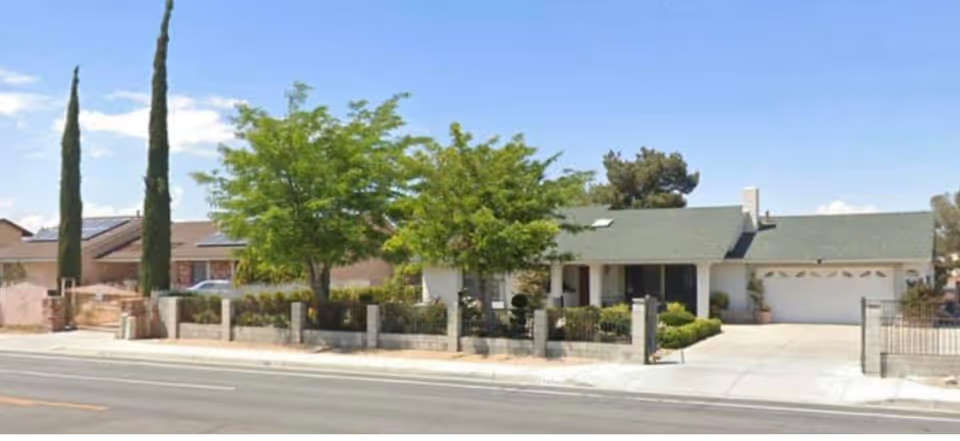
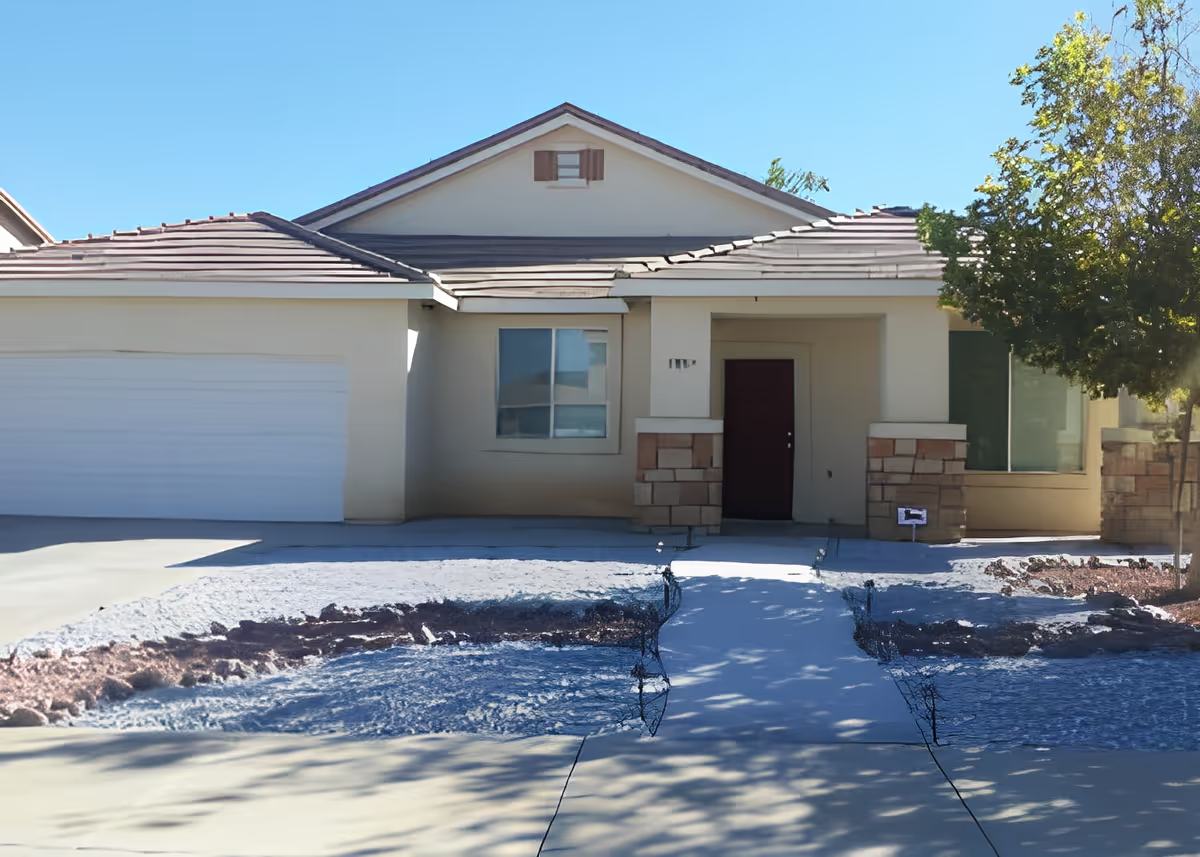
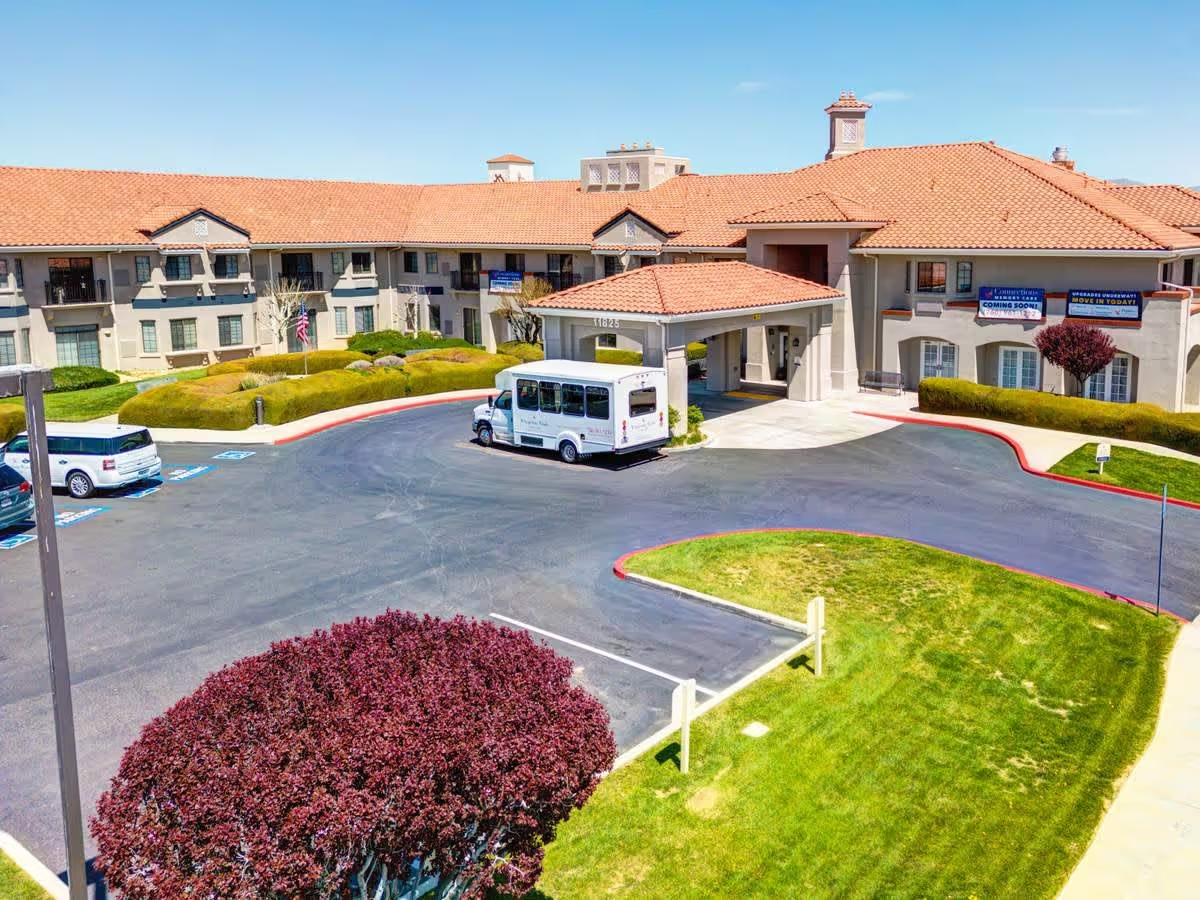
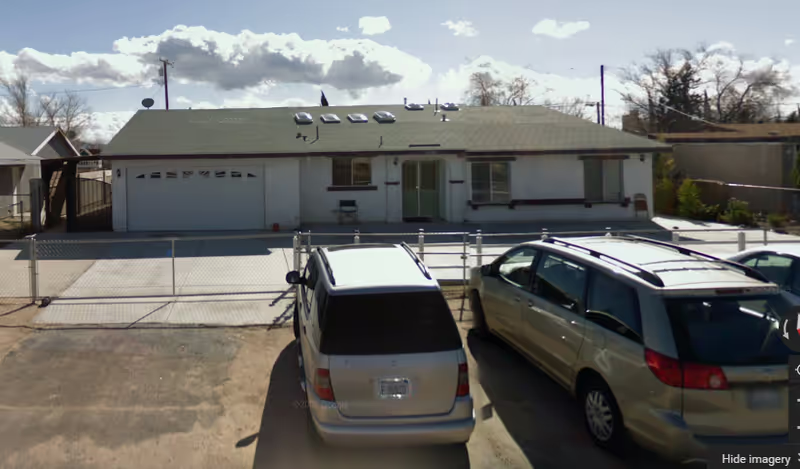
Golden Years Elderly Care, Inc. receives consistently strong praise for its small, private‑home environment, attention to cleanliness, and a family-like culture. Many families described warm, compassionate caregiving, individualized one‑to‑one attention, and owners/management who are actively involved and accessible. The facility’s physical environment is repeatedly characterized as modern, well‑maintained, and comfortable (wood floors, updated decor), and reviewers commonly cited a calm atmosphere and structured daily routine that contributed to residents’ emotional wellbeing.
Clinical oversight and coordination are notable strengths for many families: reviewers referenced weekly nurse visits, regular progress reporting, and the facility’s ability to work with hospice teams. Several narratives emphasized strong emotional support and consistent caregiving that improved quality of life for residents with dementia or end‑of‑life needs. Placement organizations and local awards were also mentioned, reinforcing a perception of reliability and trust among referral sources.
Dining and daily living supports are another positive theme. Reviewers reported home‑cooked, nutritious meals and a menu that residents enjoyed. The small scale of the home enables personalized meal service and attentive assistance with daily tasks for many residents. While formal activity programming is not prominent in the feedback, families noted that interactions with staff and the routine of the household provided social engagement and emotional support.
However, a subset of reviewers raised operational concerns that prospective families should verify during a tour and intake conversation. The most significant of these concern overnight care and clinical practices: reviewers described circumstances suggesting limited overnight staffing coverage and questioned nighttime medication practices and documentation. There are also signals of care-safety gaps—specifically fall‑prevention and transfer‑safety practices—that merit careful review for residents at risk of falls or with higher mobility needs.
Other recurring operational themes include variability in staff communication style and family engagement, and a perception that the home may preferentially serve lower‑acuity residents. Some families experienced inflexible admission/discharge handling and difficulty when care needs changed. The facility’s small size is both an advantage (personalized care) and a limitation: bed availability is often constrained and the setting may not be equipped for residents who require more intensive clinical supports.
Recommendation for prospective families: Golden Years appears well suited to residents who benefit from a small, home‑like setting with strong emotional support, personalized attention, and coordination with hospice or weekly nursing oversight. During a visit, explicitly review overnight staffing levels and on‑call coverage, medication‑administration and documentation practices (especially at night), fall‑prevention and transfer protocols, and the facility’s policies on admissions, escalation of care, and potential discharge. Asking for written policies and examples of recent care transitions can help validate the generally positive experiences described while identifying fit for residents with higher clinical needs.