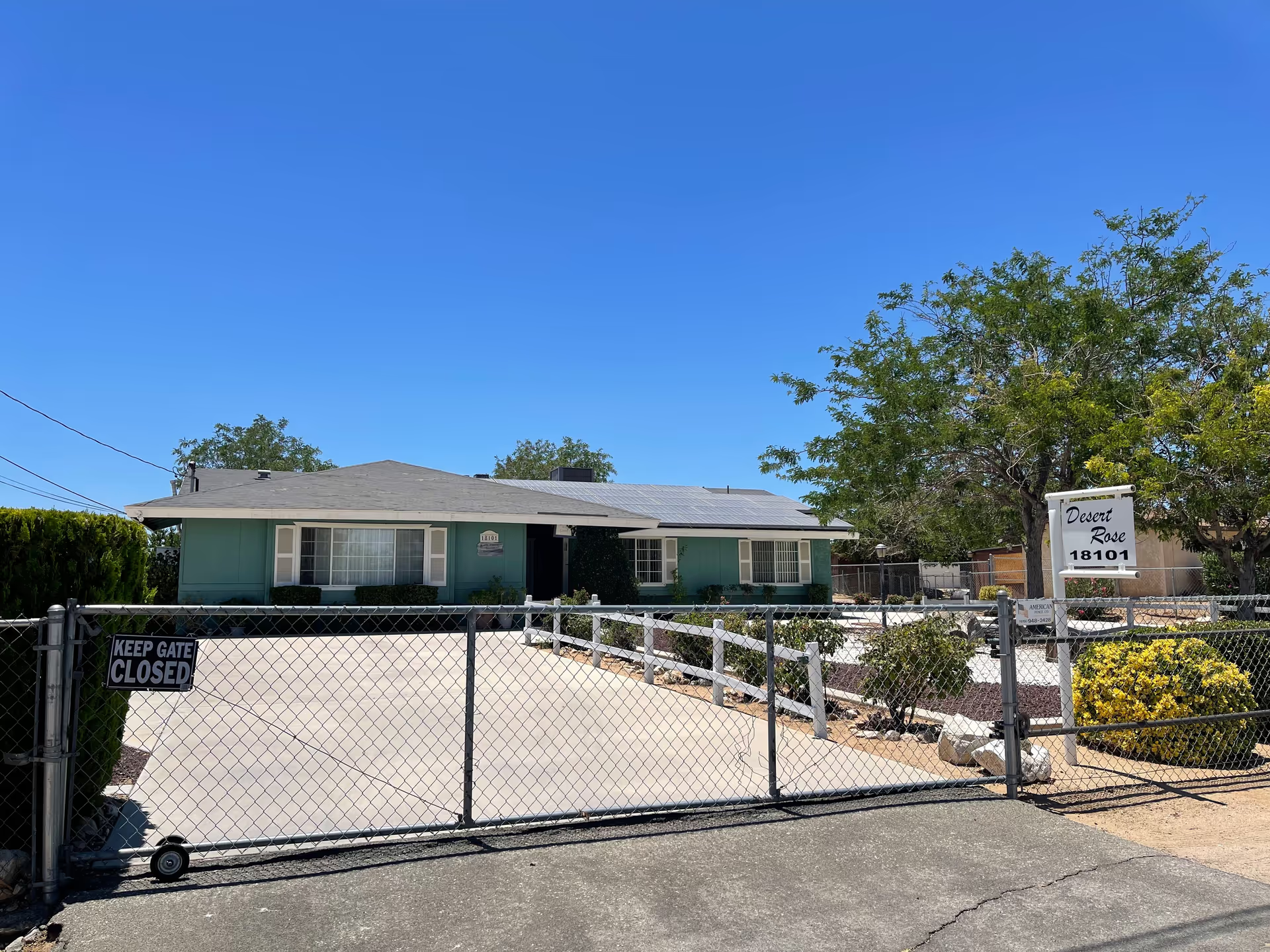
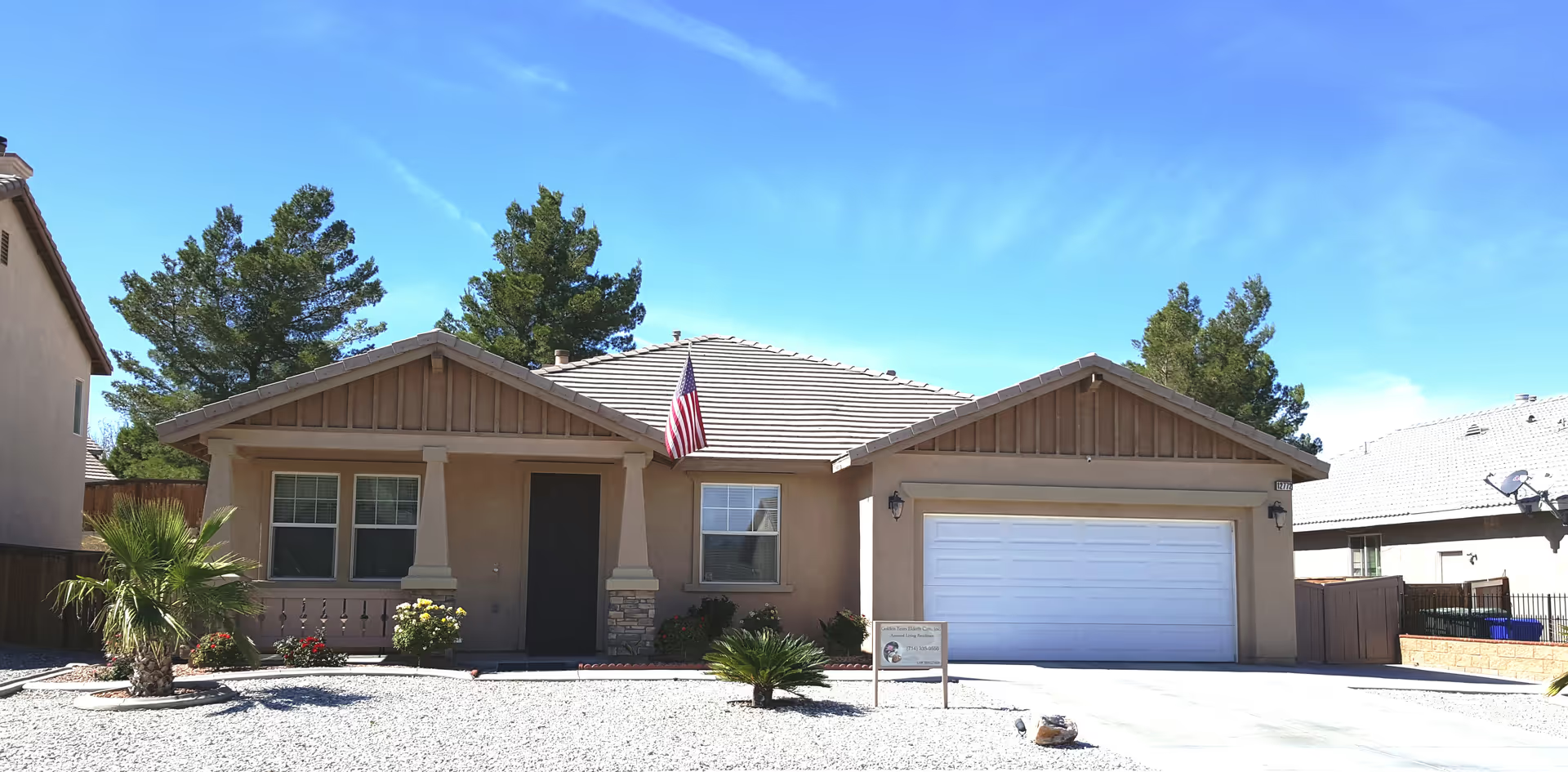
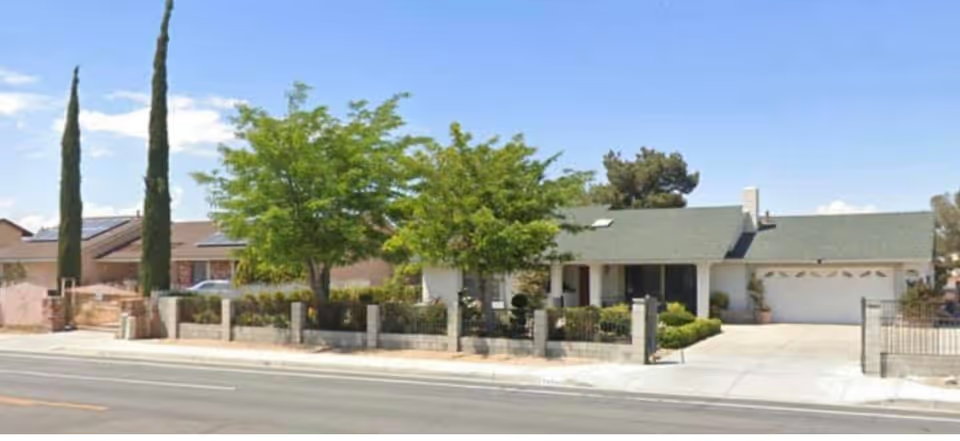
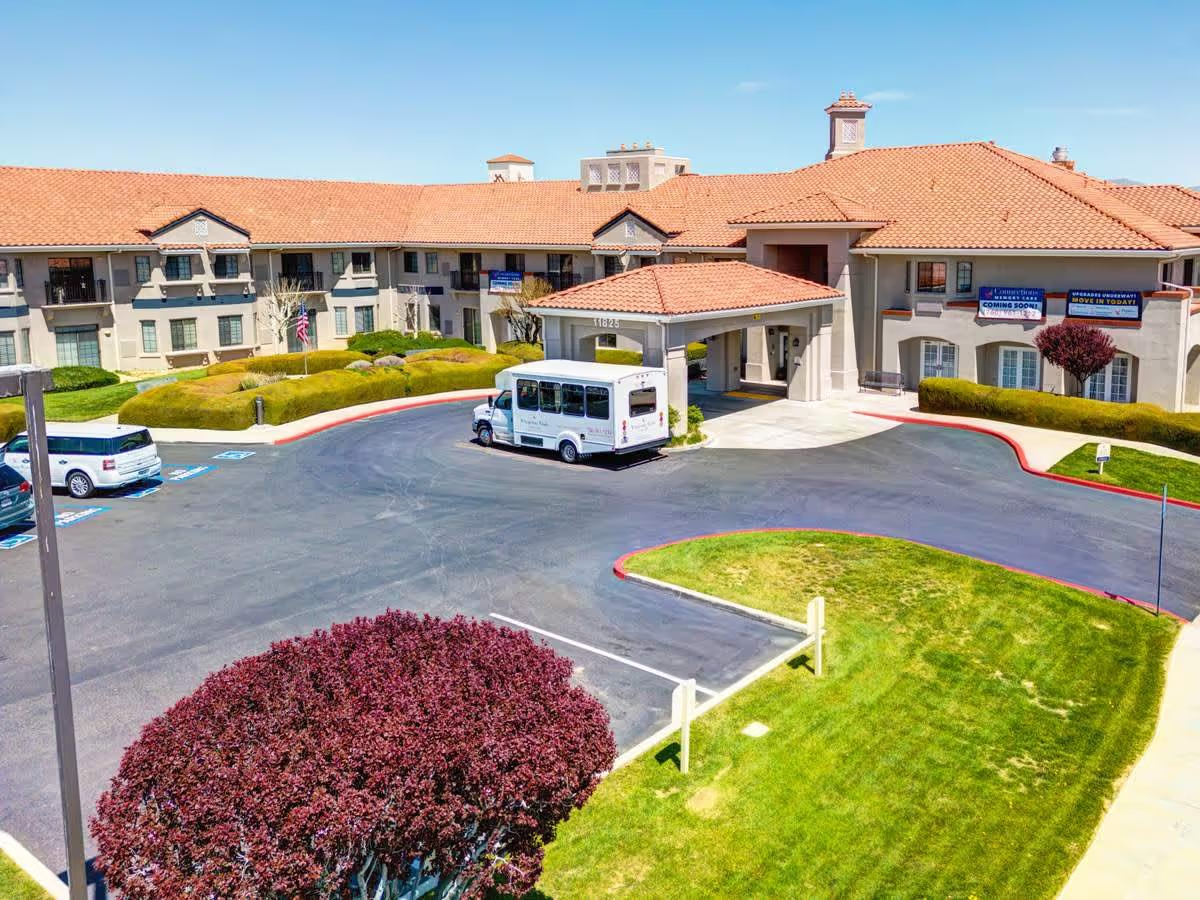
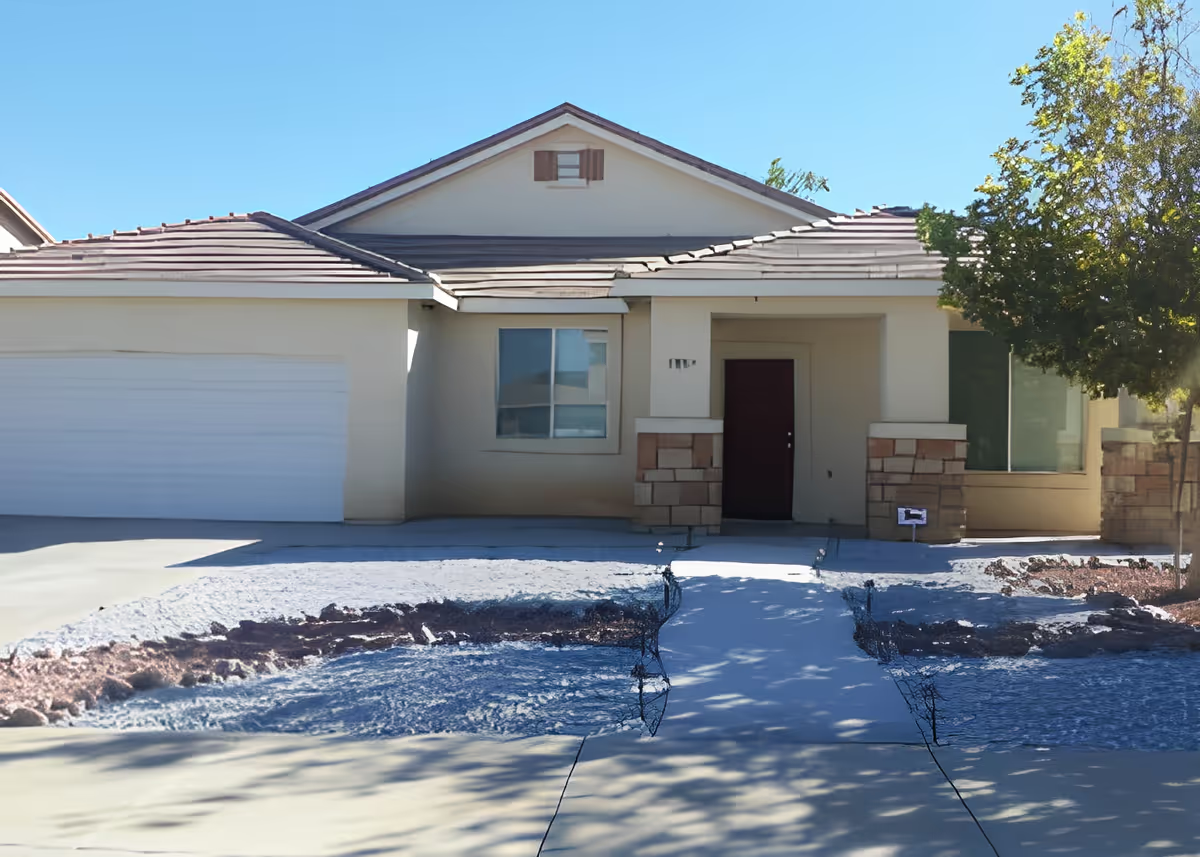
This facility is characterized by a small, home-like setting converted from a private residence. Families and visitors commonly describe a clean, well-maintained interior, spacious and furnished bedrooms, and a dining area that is kept sanitary. The small census and single-room availability for many residents support individualized care and one-on-one attention; this size is often cited as a benefit by people who prefer to avoid larger institutional environments.
Staff and management receive consistently positive remarks. Tours are described as informative, owners are accessible and praised, and staff tenure appears strong, which contributes to continuity of care. Reviewers highlight attentive and dementia-aware staff, flexible visiting policies, helpful financial assistance, and generally effective communication between staff and families. Several families noted measurable health or functional improvements after admission, and meal service is commonly described as accommodating—particularly for residents with diabetes or hypertension—and enjoyable, with positive comments about desserts and menu posting.
Activity programming is mixed. The facility offers indoor games, short memory activities, reading and occasional entertainment, plus outdoor picnic opportunities. However, reviewers noted a limited variety of structured activities and a lack of formal exercise equipment. This constraint, together with observations of residents spending long periods watching television or sitting in common rooms, points to limited peer engagement and a need for more consistent activity facilitation during unstructured periods.
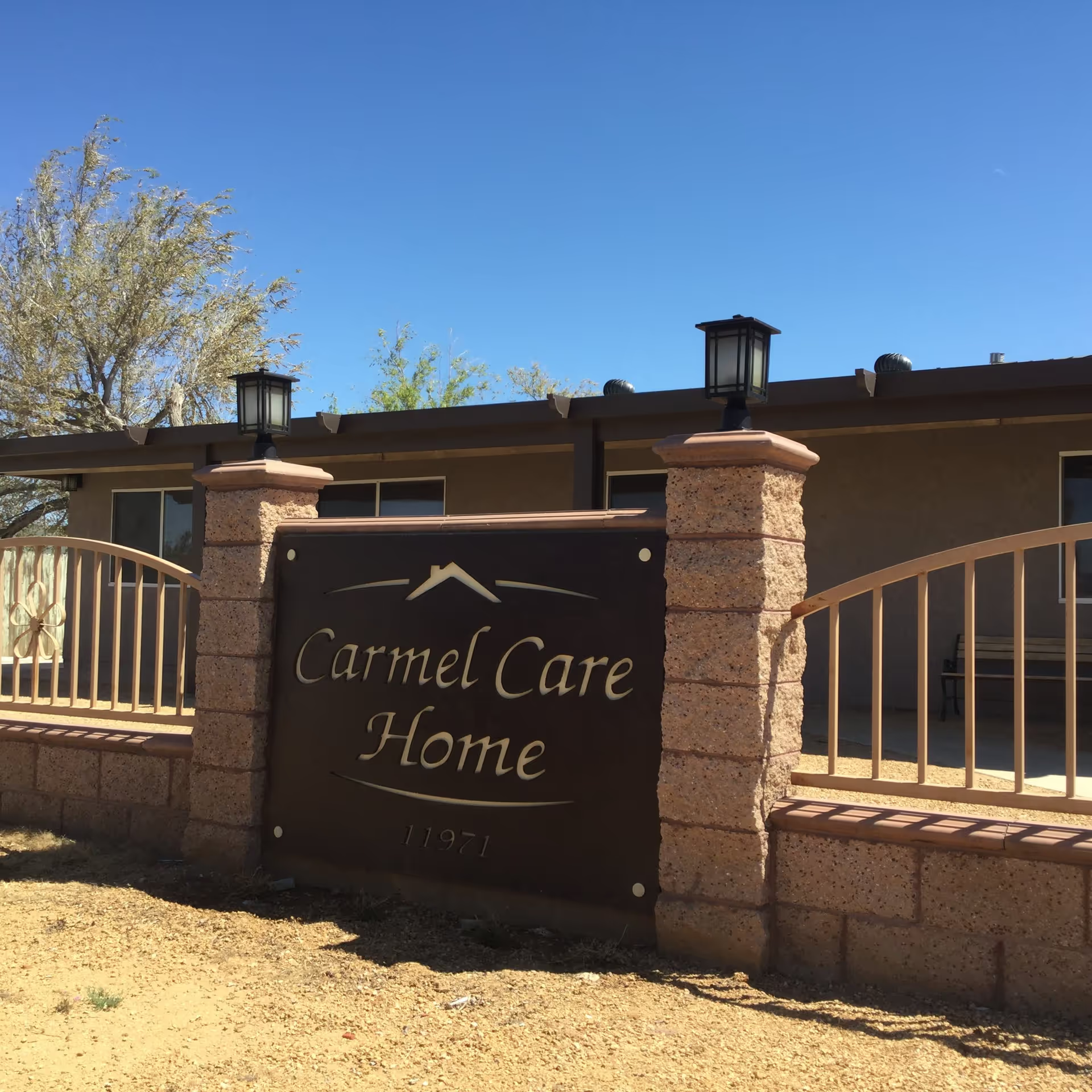
Facility-condition issues are primarily exterior and aesthetic. Observations indicate peeling trim, aged roof tiles, offset gates, and an overall dated appearance in places that suggest deferred exterior maintenance. Internally the facility is generally described as clean, but older finishes and an underfunded appearance were mentioned by visitors evaluating the overall atmosphere.
Notable patterns for prospective families: the facility’s strengths are its small scale, personalized attention, accessible management, and dietary accommodations. Potential weaknesses to evaluate on a tour are exterior upkeep and roofing condition, the availability and schedule of structured activities and exercise programs, room occupancy options if double occupancy is a concern, and staffing levels or supervision during evenings and other unstructured times. Asking for a current activity calendar, staffing ratios by shift, sample menus for special diets, and documentation of dementia-care protocols will provide practical information to balance the facility’s favorable care reputation against the operational and maintenance issues noted by visitors.