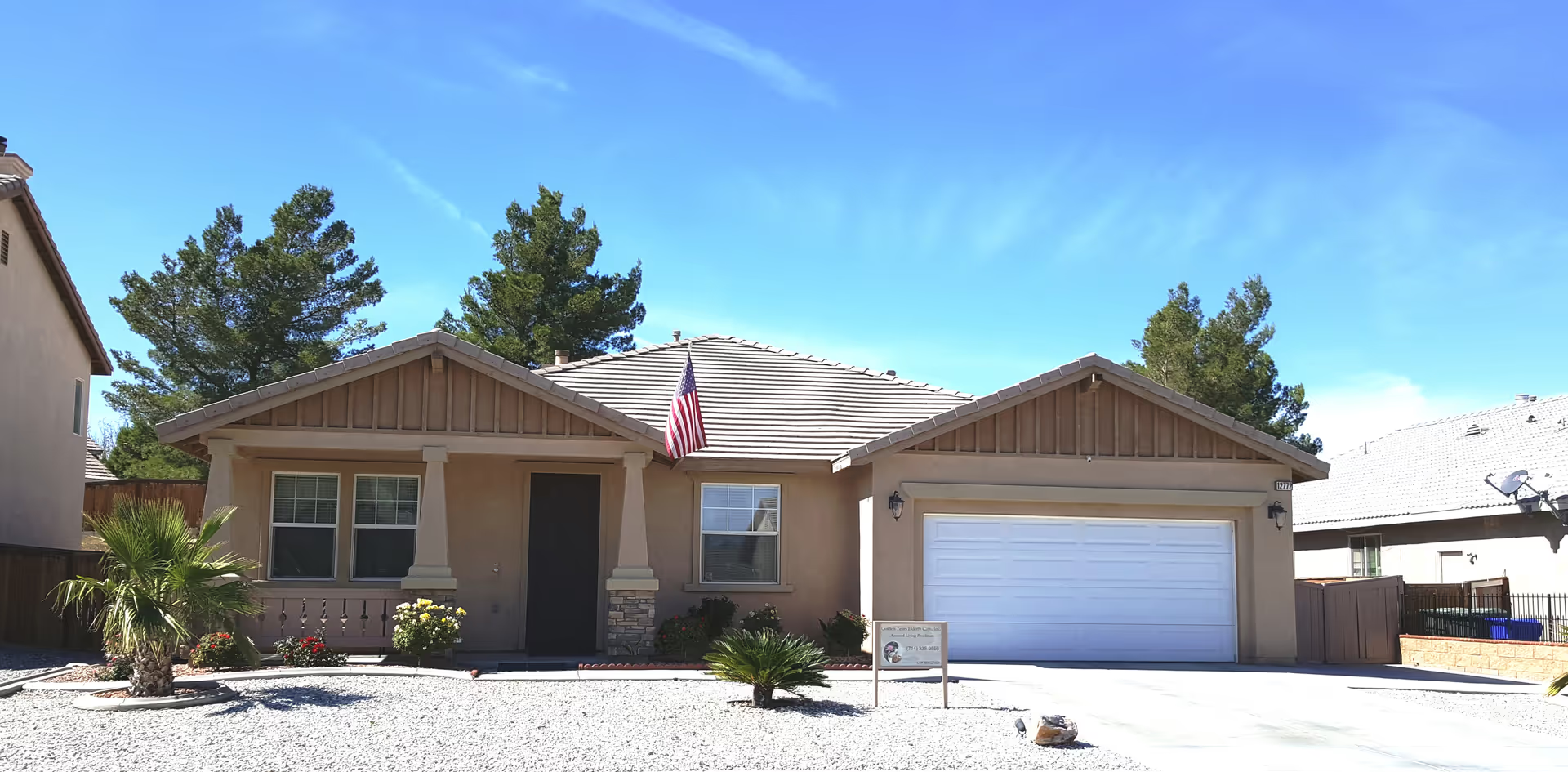
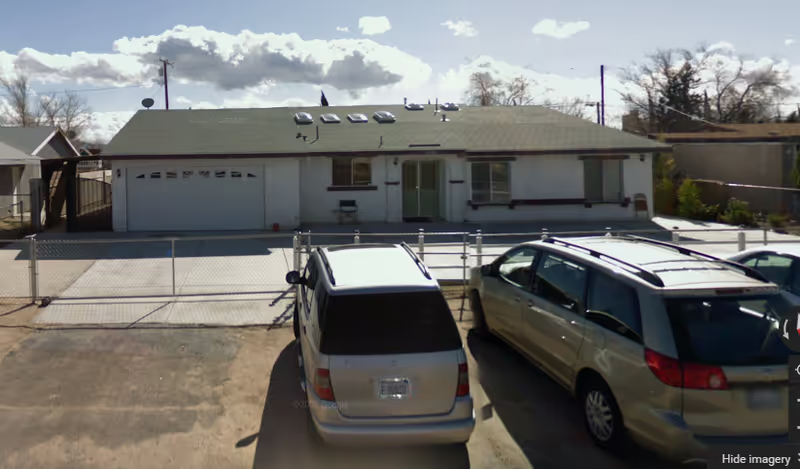
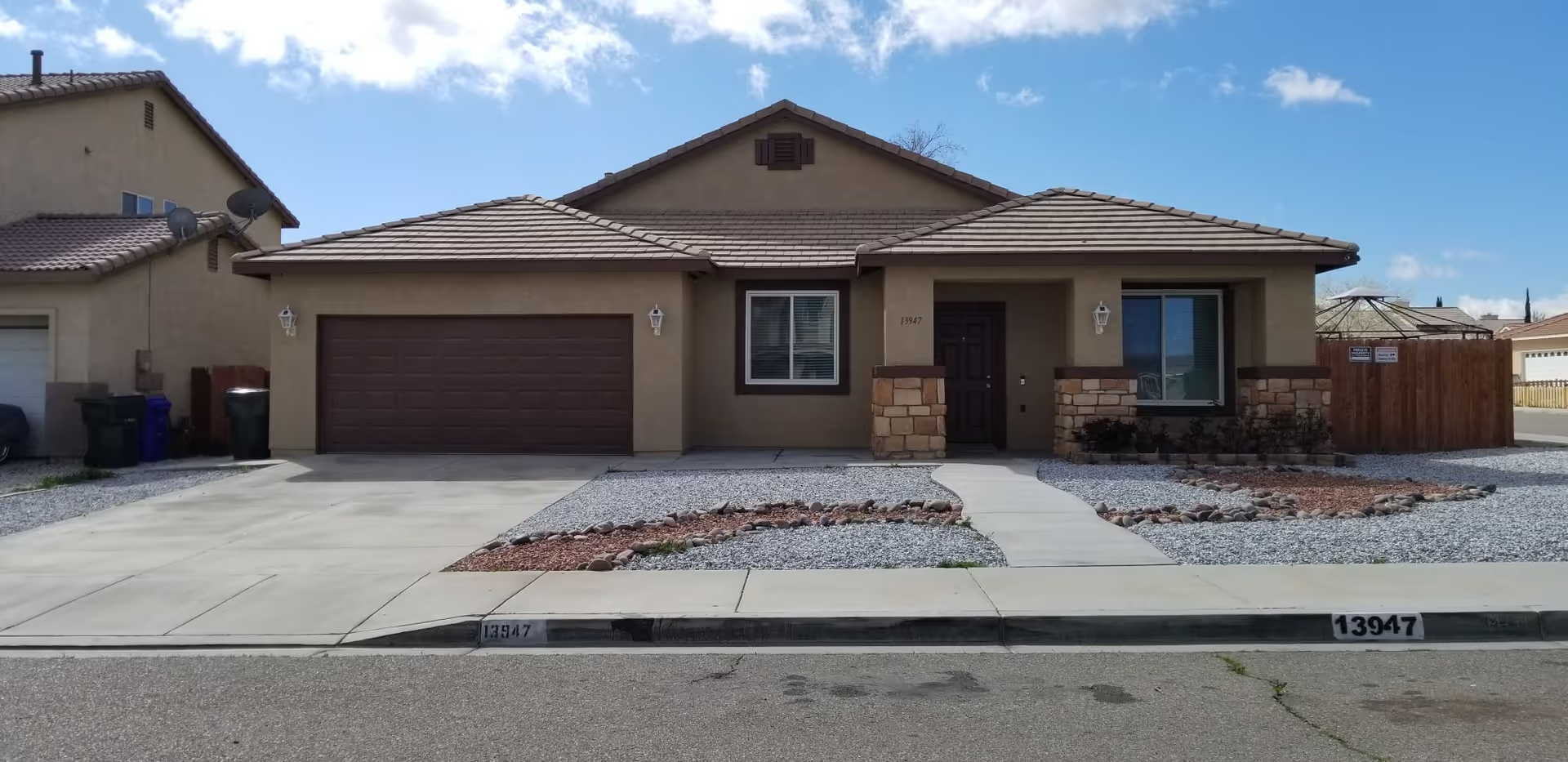
Carmel Care Home is presented consistently as a small, home-style memory-care and assisted-living environment with strong emphasis on individualized attention and family-centered service. Reviewers highlight the facility's cleanliness, small household model (typically one to two residents per room), and an atmosphere described as warm and homelike. The overall tenor of feedback indicates high family satisfaction with day-to-day caregiving, personal attention, and the facility's ability to accommodate preferences and end-of-life needs.
Care quality and staffing are the most frequently praised elements. Caregivers are described as compassionate, patient, and willing to go beyond standard duties to meet residents' needs. The owners are characterized as experienced, engaged, and responsive; families consistently mention regular updates on resident status, fast response to concerns, and coordinated transitions with hospice when appropriate. There is repeated mention of dementia-capable care, attentive supervision, and routines that support grooming and personal hygiene through on-site services like haircuts and bathing assistance.
Dining and nutrition are also strengths. Multiple accounts describe appetizing, nutritious meals prepared daily and tailored to individual preferences—examples include accommodating picky eaters, creating favorite dishes, and providing palatable pureed options and hydration support. Meals are served in dedicated dining areas and are noted as contributing to weight maintenance and improved appetite for some residents.
Social engagement and activities are a mixed area. The facility offers communal spaces (recreation room, outdoor garden, covered patio) and organizes outings such as shopping trips. However, reviewers also note limited structured programming for residents with advanced impairments; activity offerings may be constrained by the resident population and by the small-house model. Families seeking a broader range of therapy-based or intensive group activities may find the options limited compared with larger centers.
Facilities, cleanliness, and amenities receive uniformly positive remarks. Reviewers emphasize a tidy, odor-free environment, well-kept rooms, and outdoor areas that support low-key socialization. The small scale supports close staff–family relationships and individualized care plans, but that same scale contributes to capacity constraints: availability can be limited and there may be waitlist periods.
Notable patterns and considerations: the dominant pattern is strong satisfaction with interpersonal care, communication, and a home-like setting. Operational limitations that prospective families should weigh include constrained availability, limited onsite specialized therapeutic services (for example formal rehabilitation or extensive group programming), and variability in outcomes for residents with complex, progressive conditions—some families observed limited clinical improvement in such cases. Overall, Carmel Care Home appears well suited for families seeking a small, attentive, hygiene-focused, dementia-capable residence with personalized meals and close owner involvement; families requiring a broader array of specialized therapies or an extensive activity curriculum should clarify service scope and current availability during a tour.