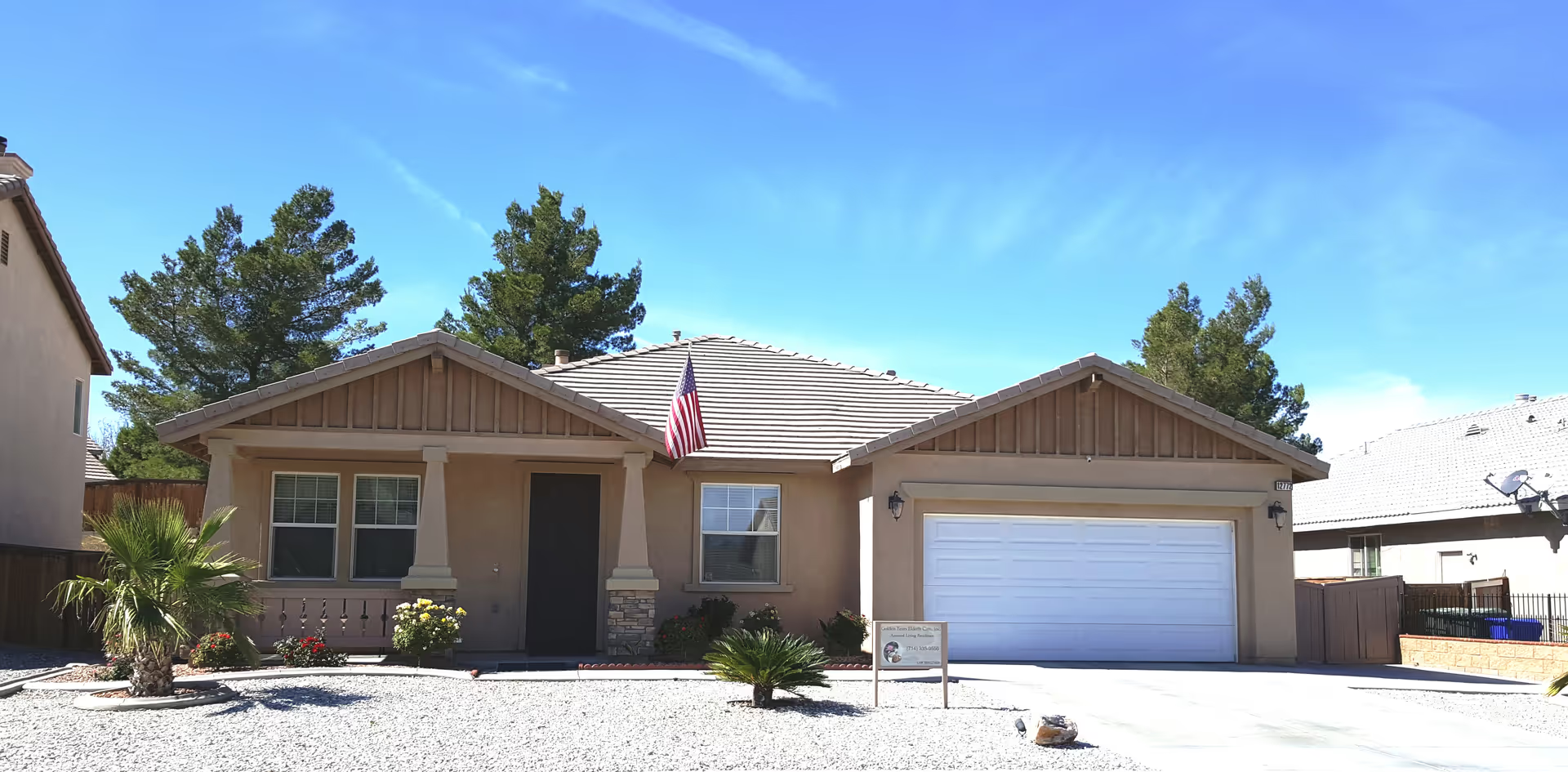
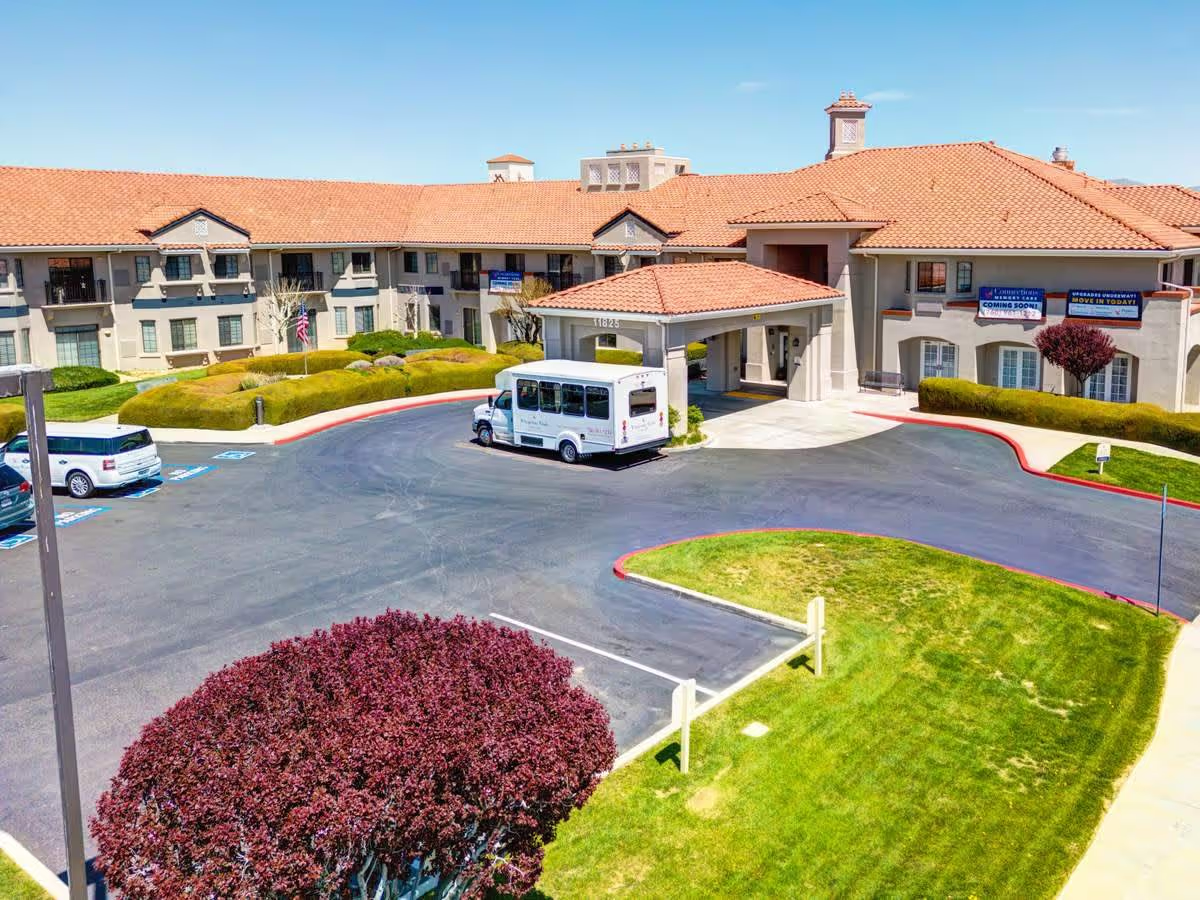
Valley Crest Memory Care is frequently described as a community with a strong memory-care orientation and a caregiving staff that many families find compassionate, attentive, and relationship-focused. Positive comments emphasize individualized approaches, respectful interactions, and staff who know residents by name. Reviewers often cite effective coordination with hospice and external clinicians, bedside-level attentiveness (including one-to-one supports), and staff willingness to advocate for residents. The facility offers both private and shared room configurations, basic in-room amenities, laundry and internet services, and a secure entry system that many families view as important for memory-care safety.
Dining and activities are mixed strengths. Several families praise the activities program — music, art, gardening, games, entertainers, and outings are noted — and describe residents as engaged and calm. However, meal service consistency is uneven: some reviewers report satisfactory, well-prepared meals and dining staff who assist, while others describe disorganization during meal delivery, insufficient help with eating, and variability in food quality and portioning. Activity schedules are available but may not always be followed consistently across shifts.
Facility and maintenance observations are similarly mixed. Many accounts describe clean common areas, a pleasant courtyard, and well-kept landscaping, while others note an older building with small or motel-like rooms, shared accommodations, and occasional maintenance shortcomings (for example, doors or trip hazards). A few reviewers referenced pest-control concerns and inconsistent sanitation in certain areas; overall, facility upkeep appears variable rather than uniformly excellent.
Management, staffing, and operational patterns are the clearest areas of concern. Multiple themes recur: high staff turnover, inconsistent shift-to-shift handoffs, and periods of understaffing that can affect personal care and dining assistance. Communication with families — particularly around clinical incidents, hospital transfers, and billing — is uneven: some families praise an accessible, proactive director and strong follow-up, while others describe slow or unclear responses, confusing billing/pricing practices, and failures in incident notification. There are also isolated but serious allegations relating to valuables security and individual care incidents; these are not framed as facility-wide regulatory findings here but represent matters families raised.
In sum, Valley Crest presents a profile of strong, relationship-driven caregiving and a clear focus on memory care, paired with operational inconsistencies that prospective families should evaluate closely. Recommended next steps for families: confirm current staffing patterns and turnover rates, ask about clinical handoff procedures and incident-notification protocols, review meal-service routines and sample menus, inspect room options in person for size and condition, and clarify billing/pricing policies and valuables security measures before admission.