Overview Arcadia Healthcare Center elicits polarized impressions: a sizable group of families describe strong rehabilitation outcomes, responsive therapy teams, and compassionate caregiving, while another subset describes operational shortfalls that affected clinical responsiveness and day‑to‑day comfort. The facility shows clear strengths in rehabilitation, social‑service support and amenities, but recurring operational themes — particularly around staffing consistency, activities coverage, and management communication — emerge across accounts.
Care quality and clinical services Therapy services (PT/OT) are frequently highlighted as a core strength, with structured programs, demonstrations for safe transfers/positioning, and assistance that contributed to measurable improvement for many residents. Nursing teams are also described as dedicated and knowledgeable in numerous accounts. Counterbalancing those positives are reports of delayed clinical responses, intermittent nurse‑station coverage, and slow lab or medication turnarounds in other accounts. There are also notes that the facility may be less well equipped for complex behavioral or advanced dementia cases; families with those needs should verify clinical capabilities and contingency plans.
Staff and culture Many reviewers emphasize compassionate, long‑tenured staff and helpful social‑services/admissions liaisons who facilitate communication and family involvement. At the same time, operational pressures appear to contribute to variability in staff conduct and attentiveness: examples include staff appearing overextended, reliance on temporary/contract workers, and instances of staff distraction or slow response. There are repeated concerns about equitable treatment tied to language groups — families described strong language supports (notably Chinese and Spanish) but also perceived language‑based preferential treatment. Prospective families should clarify language‑service protocols and how the facility ensures equitable attention across residents.
Activities and social programming The facility offers multiple patios, gardens, an activities/dining room, and a range of programs when staffed. However, there is a consistent pattern of understaffed activities and limited coverage on weekends; the activities director is described by some as difficult to reach and oversight as fragmented. These constraints can reduce the consistency of programmed engagement despite the physical amenities and occasional strong events (including virtual offerings during lockdowns).
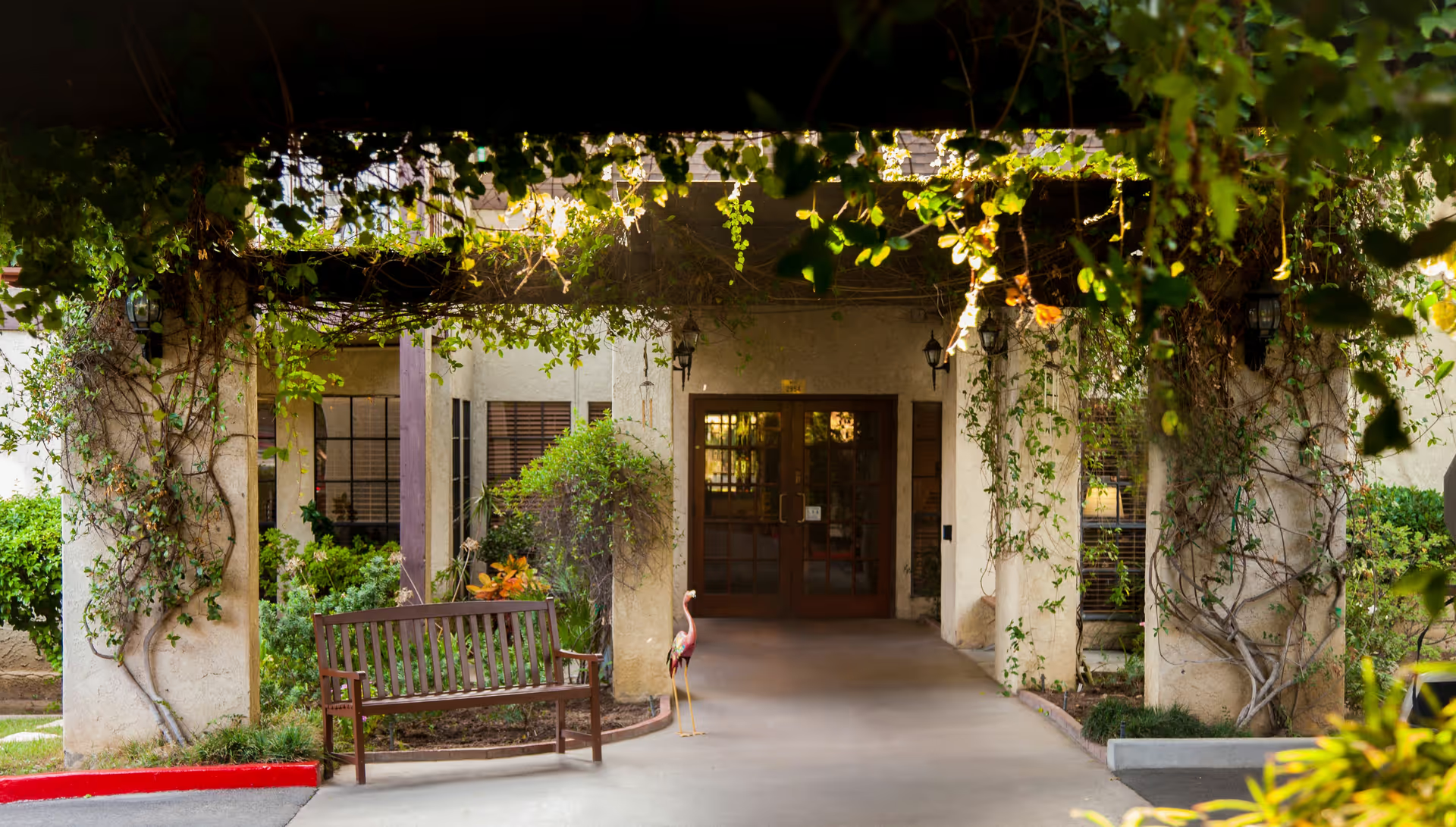
Dining and physical environment Dining and kitchen staff receive praise for food quality and culturally appropriate options. Physical spaces — private rooms, skylights, meeting rooms, exercise facilities, and well‑kept gardens — are commonly noted as attractive features that enhance quality of life. Counterpoints include sanitation and HVAC concerns in particular areas, some variability in housekeeping consistency, and accessibility considerations for visitors with mobility limitations. Families should inspect rooms, check climate control, and ask about cleaning schedules.
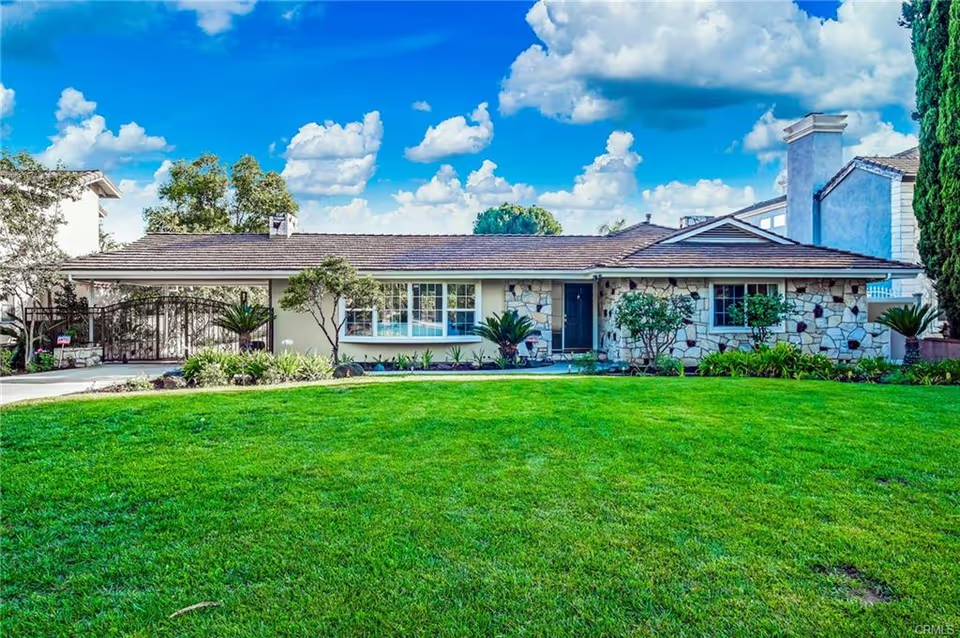
Management, communication, and transparency Admissions and community liaison personnel are often described as helpful in coordinating care and communication. Conversely, several families report difficulty reaching management, challenges with long‑distance communication, and the need for persistent advocacy and written documentation to resolve care issues. There are also comments questioning consistency between promotional materials and on‑the‑ground conditions; prospective residents may wish to verify visual materials, ask for recent photos, and seek clarification about staffing models (including use of contracted staff).
Patterns and practical advice The consistent pattern is one of high potential — strong rehab, caring staff, good amenities — paired with variability driven largely by staffing and leadership accessibility. To evaluate fit, families should: confirm staffing ratios and weekend coverage (nursing and activities), review recent therapy plans and expected outcomes, ask about language services and equity protocols, verify clinical escalation and lab turnaround processes, inspect room and HVAC conditions, and establish primary contacts plus escalation pathways in writing. An informed, site‑specific tour and direct conversations with admissions, nursing leadership, and the activities team will help translate the facility’s strengths into a reliable care plan for a given resident.