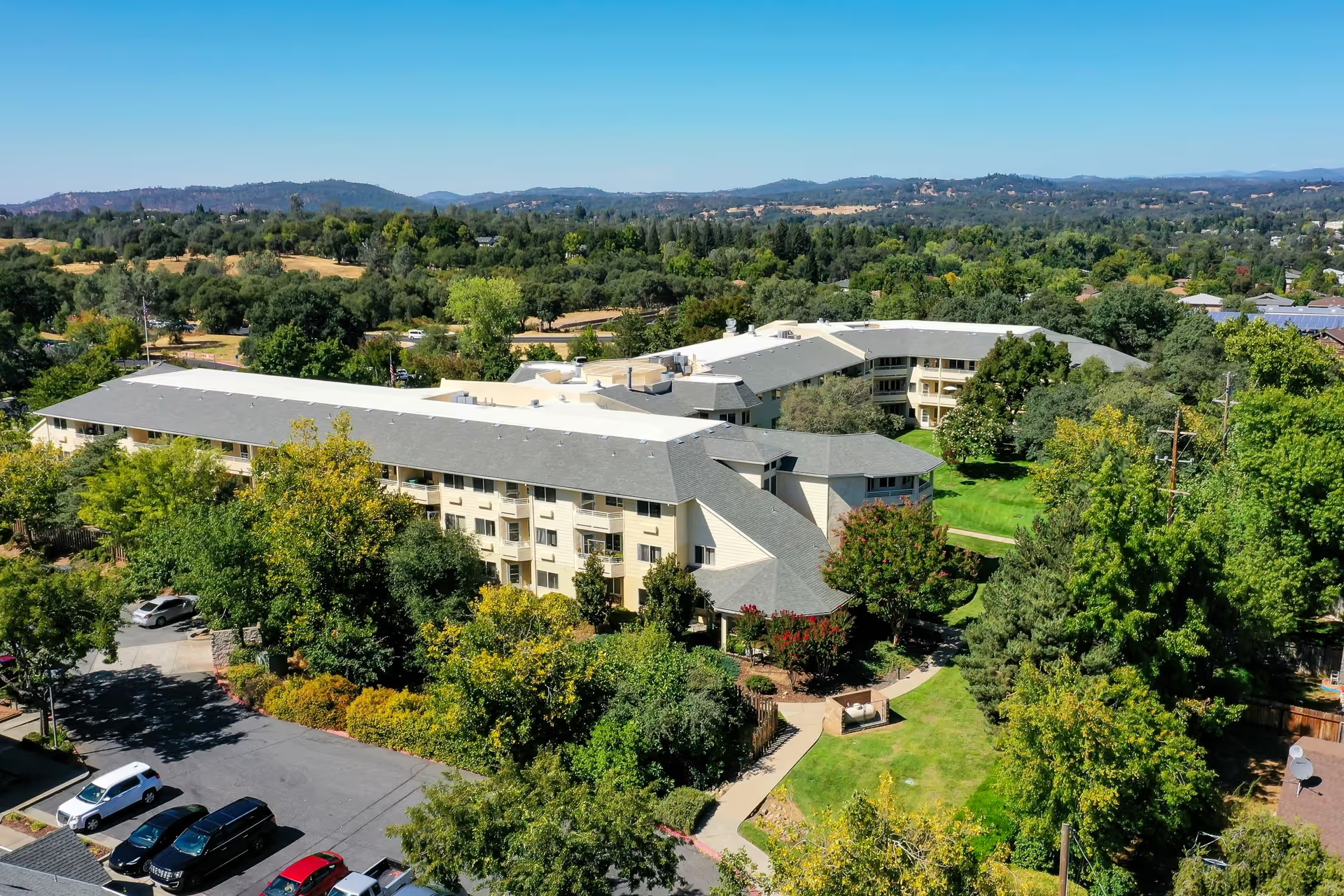
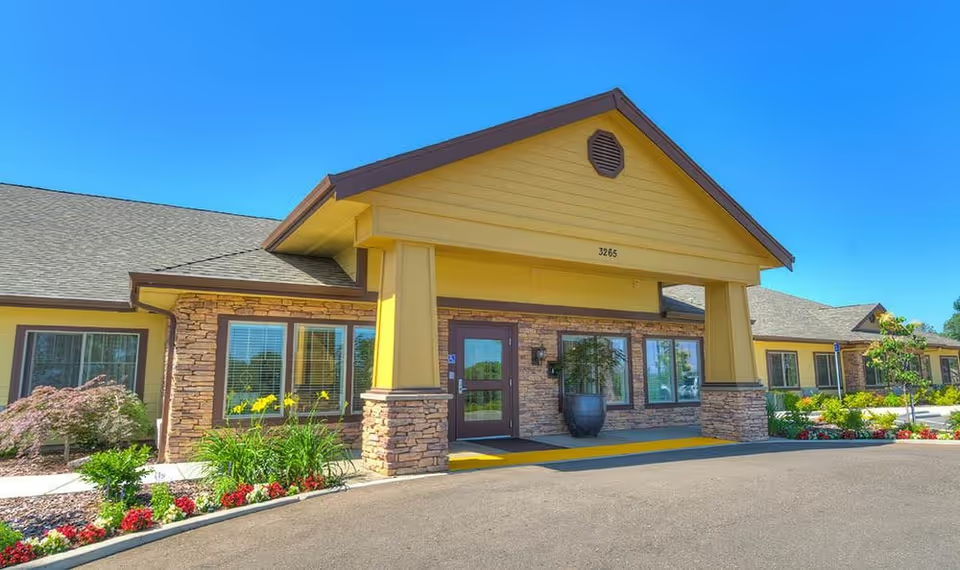
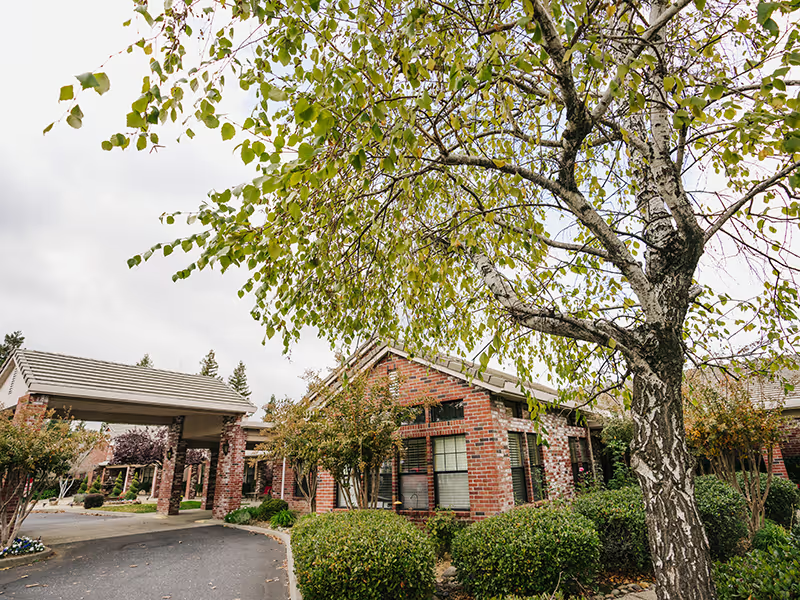
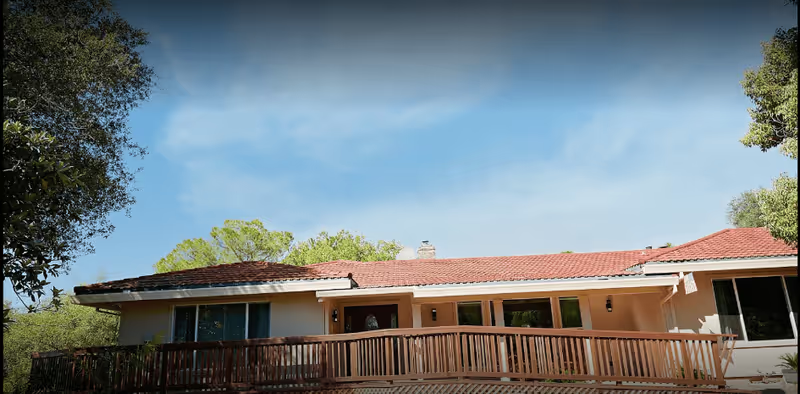
Rock Creek Care Center elicits a mix of strong praise and serious concern. Many families and residents describe consistently compassionate, attentive caregiving and strong clinical supports such as rehabilitation, wound care, and coordinated discharge planning. The facility is frequently characterized as clean, well-organized at admission, and supportive of transitions to home or higher levels of care. Positive operational notes include flexible dining options, alternative entrees, a pleasant courtyard, an active activities program, and leadership with substantial industry experience and favorable regulatory indicators.
Care quality and clinical services are a clear strength for numerous respondents: physical therapy and rehab programs are frequently credited with enabling timely discharges and functional recovery; an experienced wound-care team and coordinated work with home-health and hospice partners were repeatedly mentioned. At the same time, there is meaningful variability in clinical experiences. Accounts include concerns about medication administration, monitoring and timeliness of clinical response; these concerns, when present, have led families to question consistency of care and escalation processes. Some reviews describe serious clinical outcomes and concerns following a resident's death, which suggests families should examine clinical oversight and incident-response protocols when evaluating the facility.
Staff and management receive largely positive feedback for compassion, responsiveness, and individualized attention; several comments single out specific staff and therapists for facilitating transitions and family communication. However, operational weaknesses recur: phone accessibility and internal communication pathways are often described as frustrating or unreliable, and some families cite inconsistent staff conduct and communication tone. Administrative areas such as billing, insurance coordination, and appeals have been identified as pain points that may require proactive follow-up by family advocates.
Dining and activities are generally viewed positively—supportive dietitian involvement, alternative entrees, DoorDash options, and structured meals/snacks are appreciated—but meal quality appears inconsistent across stays and there are isolated concerns about dietary management for residents with specific needs. The activities program and cognitive-stimulation efforts are regularly reported as engaging and contributing to residents' quality of life.
Facility environment feedback trends strongly toward cleanliness and a home-like atmosphere, with frequent praise for common areas and courtyard space; nevertheless, a subset of comments point to aging areas that could benefit from renovation and occasional sanitation concerns in specific situations. Prospective families should balance the facility's strengths in therapy, wound care, and compassionate staff against the documented variability in communication, meal consistency, medication handling, and administrative follow-through.
Recommendation for prospective families: verify current staffing and phone/contact protocols, review medication-administration and monitoring practices, ask how dietary restrictions and diabetic needs are managed, confirm grievance and escalation procedures, and review the facility's most recent state survey and quality metrics. Those steps will help determine whether Rock Creek's strong clinical programs and staff strengths align with an individual resident's needs and risk tolerance for variability in operational areas.