Siena Skilled Nursing & Rehabilitation Center elicits a mixed but consistent pattern across reviews. Strengths center on rehabilitation and many daily interpersonal interactions: the facility's physical and occupational therapy programs are repeatedly described as skilled, varied, and recovery-oriented. Therapists and activity staff run an engaging gym program and group activities (games, live music, seasonal events) that families and residents often view as meaningful contributors to progress. Reviewers frequently note staff who learn residents' names and preferences, provide gentle, compassionate bedside interactions, and who facilitate family training for home care.
Clinical care perceptions are mixed. Many reviewers praise responsive nurses, prompt pain-medication administration at times, and professional bedside conduct. However, there are recurring concerns about inconsistent responsiveness to call lights and delayed medication or pain relief requests—delays noted overnight in some cases. Multiple comments point to staffing levels and shift coverage as underlying factors that affect continuity of care, and there are operational gaps reported in routine assistance tasks such as toileting and daily hygiene support. There are also notable concerns about medication management and discharge processes; a small number of serious individual incidents are described, including an allegation of a catheter insertion error resulting in sepsis and concerns about withheld medications at discharge. These serious claims warrant follow-up with facility leadership and, if applicable, regulatory review.
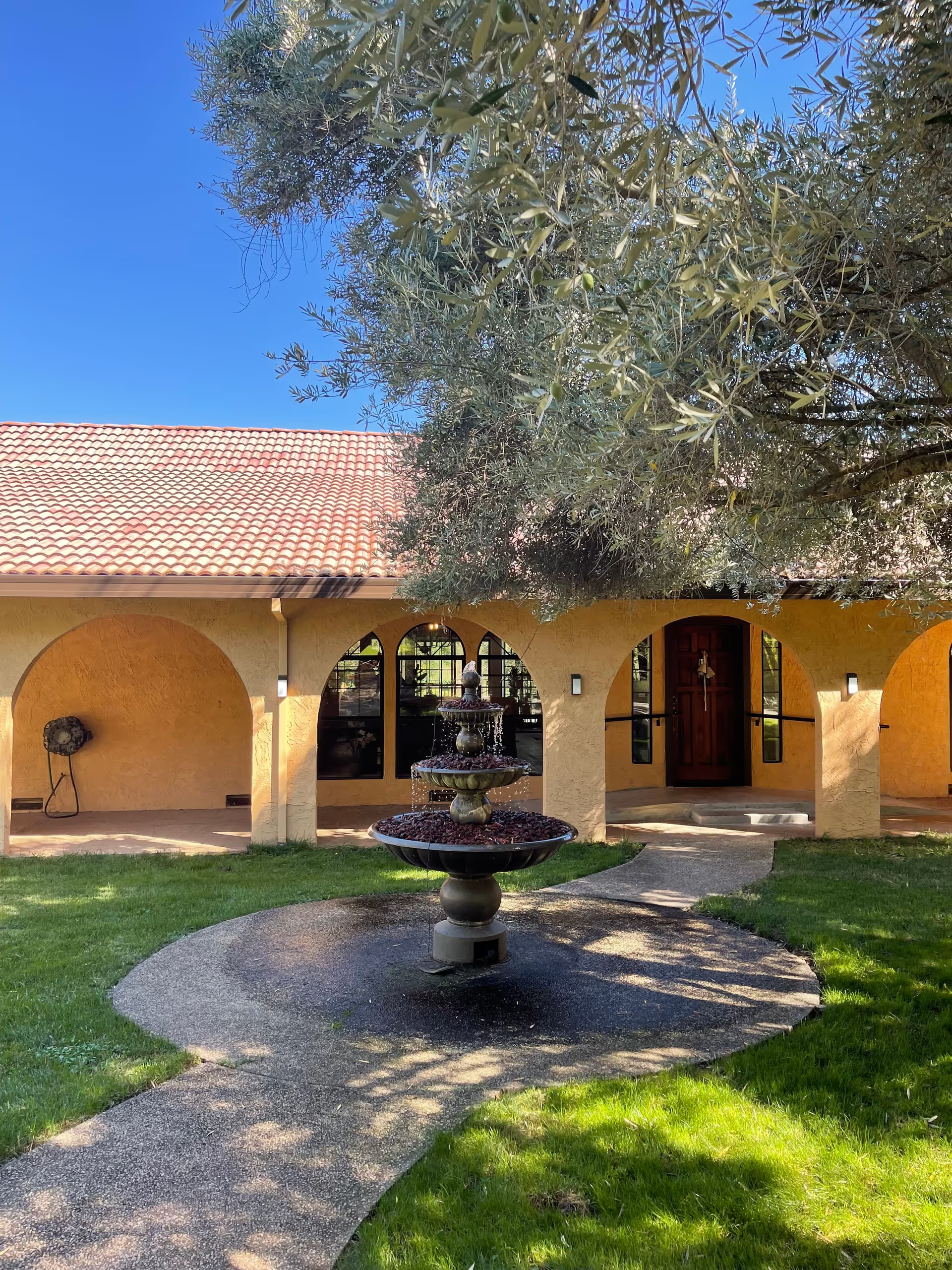
Dining and hospitality are generally seen as strengths for many short-term rehab stays: reviewers praise high-quality meals, attractive desserts, weekly menus, vegetarian options, and a responsive kitchen able to provide custom meals. That said, food quality is described as variable by others, and a few reviewers recommend broader menu variety for longer stays. Facility cleanliness and presentation are frequently commended—terms such as spotless, well-kept, and an attractive interior or courtyard recur—though a minority of comments raise sanitation and infection-control communication concerns tied to specific events.
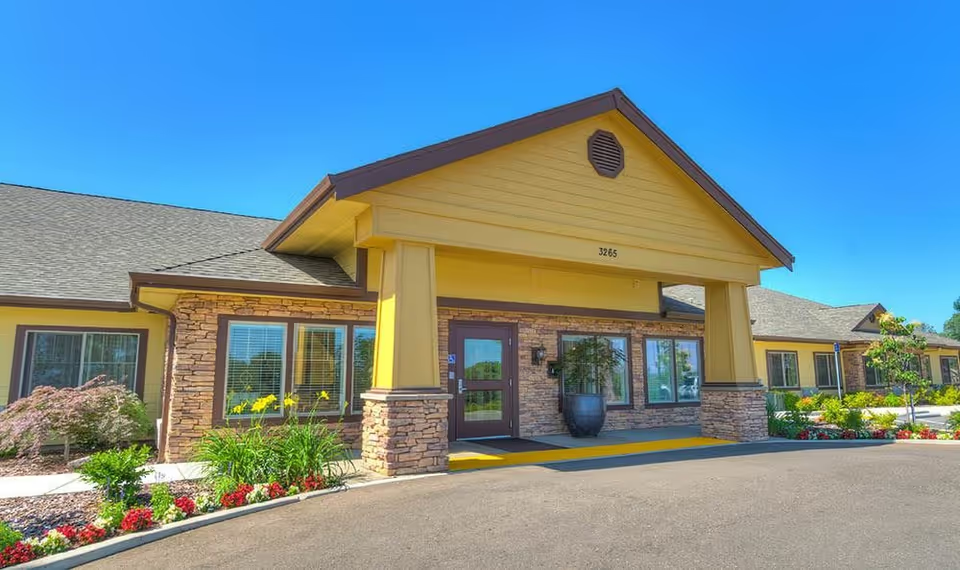
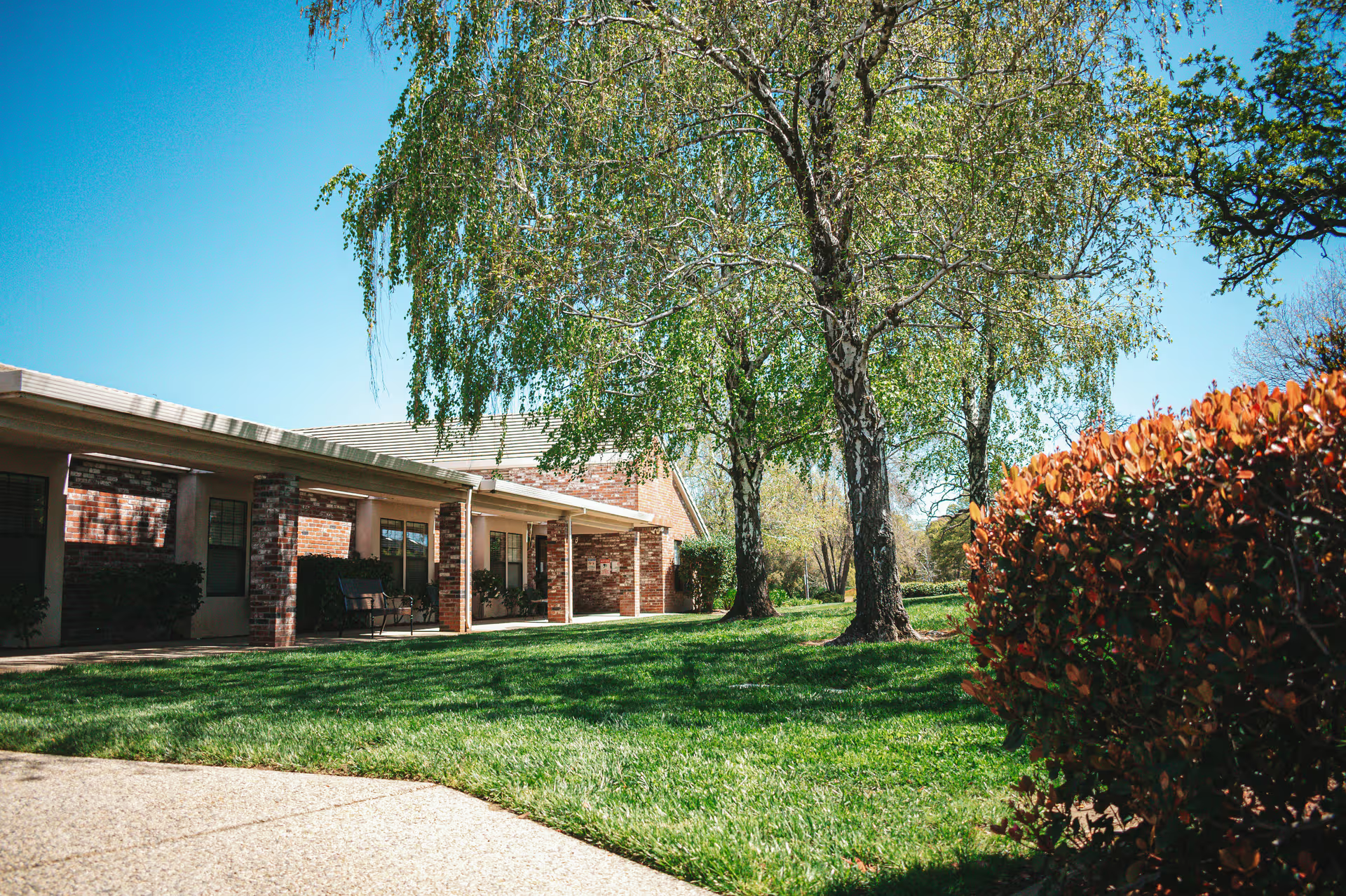
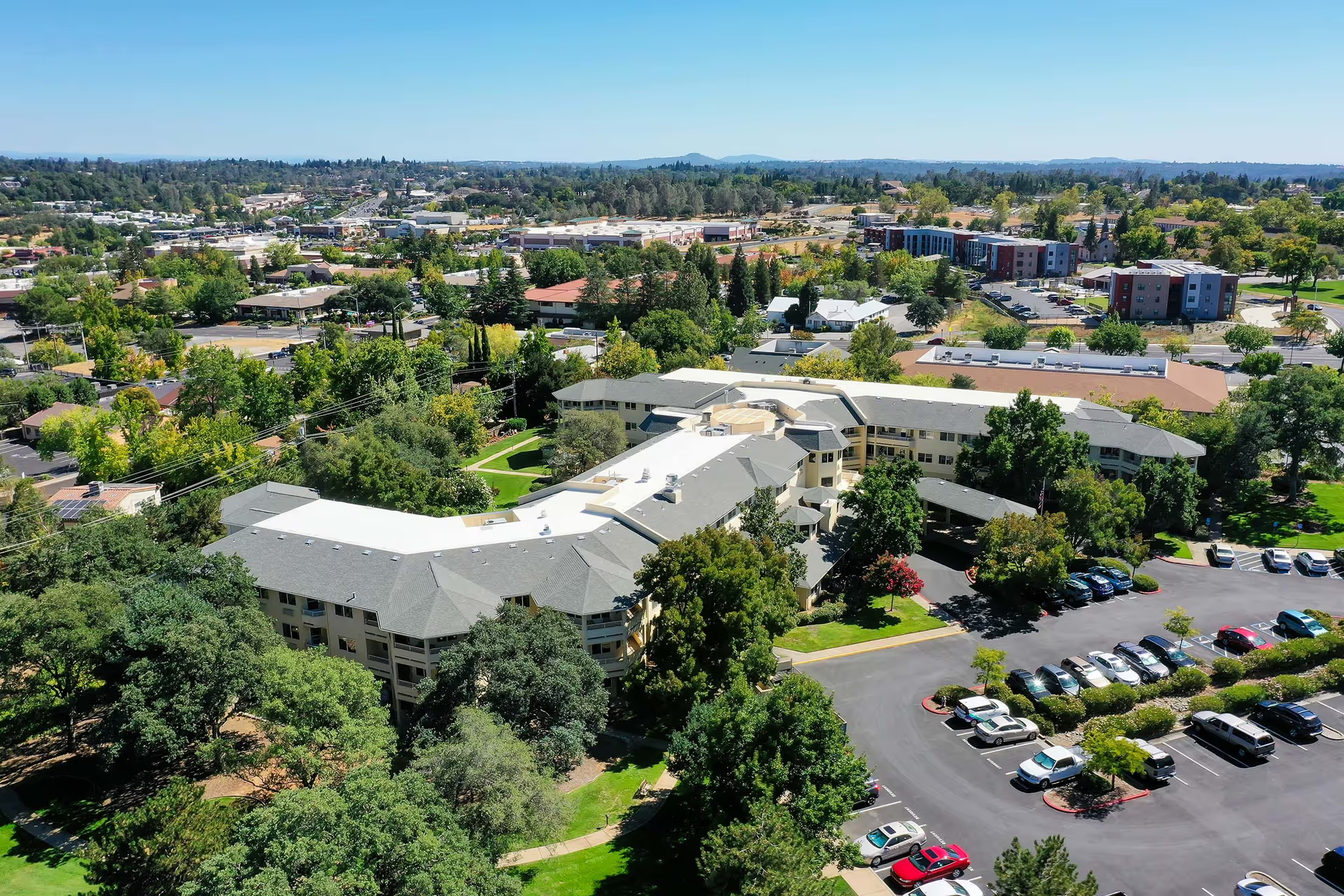
Facility amenities and operations present a contrast: the building, grounds, and common areas are often described as pleasant and thoughtfully maintained, with outdoor sunshine areas, easy walking spaces, and a “cruise-ship” or resort-like atmosphere. Security and entry procedures are in place, but some reviewers found the entry/login process cumbersome. Room size and layout vary—some rooms are cited as small or crowded—so room selection may matter for comfort. Transportation logistics, occasional scheduling cancellations, and coordination with outside services are a recurring operational weakness.
Management and organizational themes are mixed. Several families praise proactive managers and individual staff members by name for above-and-beyond efforts; others describe delays in administrative responsiveness, communication breakdowns, and challenges with Medicare or billing matters. The facility's role as a training site for beginning caregivers is cited as contributing to variability in staff experience and consistency of care. Many reviewers recommend Siena for short-term skilled rehabilitation stays—often noting an eight-week or similar timeframe as appropriate—while advising caution about long-term placement due to the operational inconsistencies above.
Overall, Siena presents as a rehabilitation-centered facility with strong therapy programs, many compassionate staff members, clean and attractive spaces, and a hospitable dining program. Prospective residents and families should weigh these strengths against documented patterns of inconsistent nursing responsiveness, staffing variability, discharge and medication-management concerns, and occasional communication and transportation coordination issues. Those considering Siena for a loved one may find it well suited for focused, short-term rehab but should seek specific assurances from management about staffing ratios, call-light response protocols, medication-discharge procedures, and how the facility addresses training-related variability and infection-event communication before long-term placement.