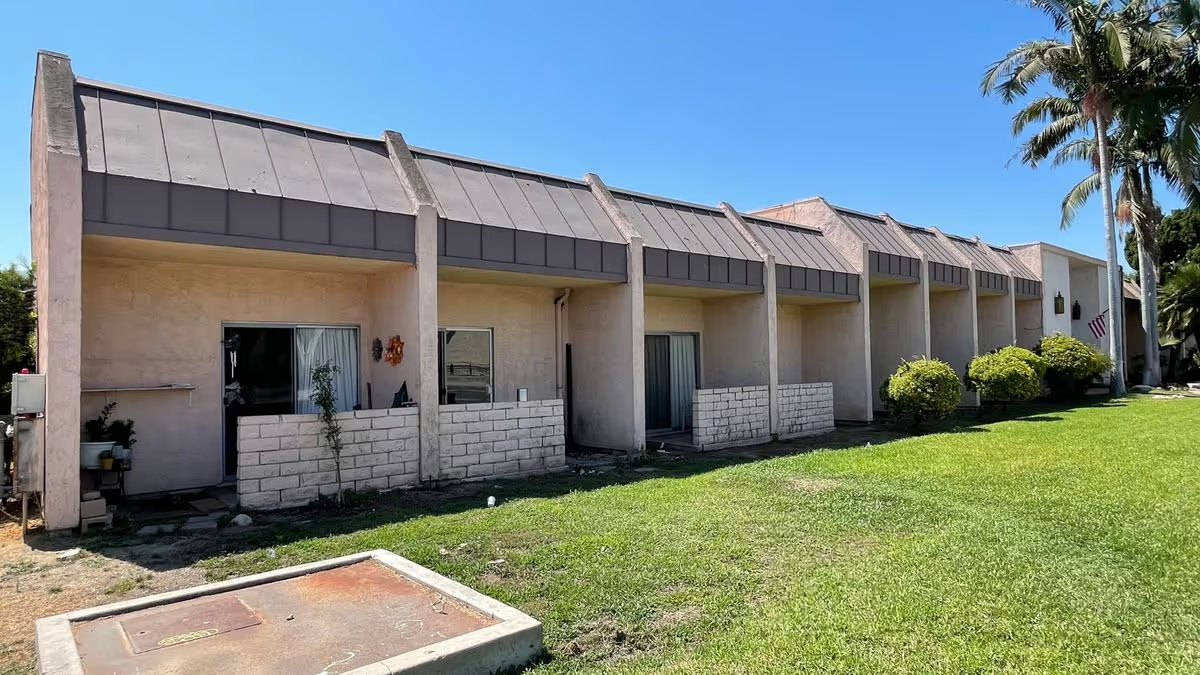
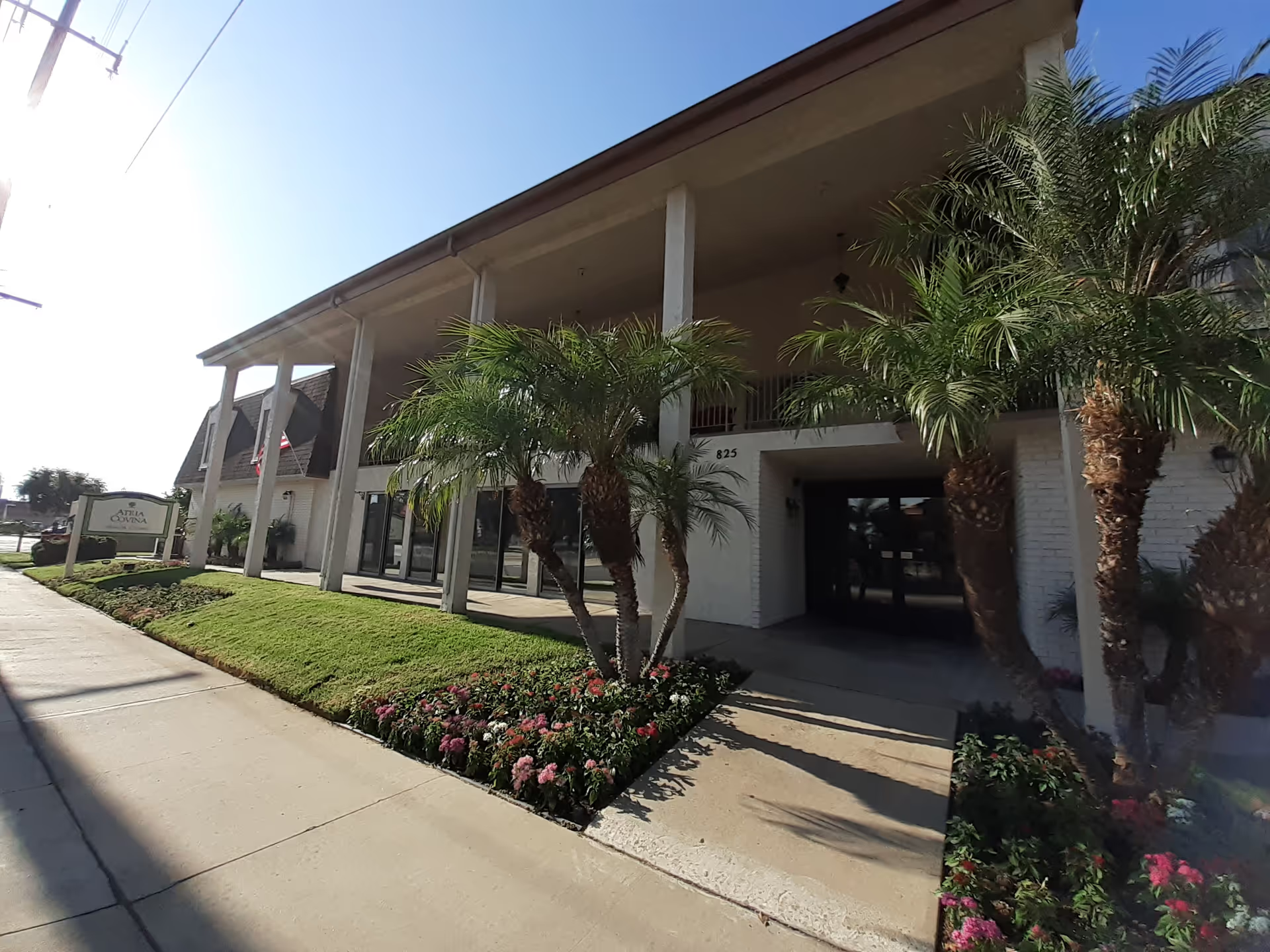
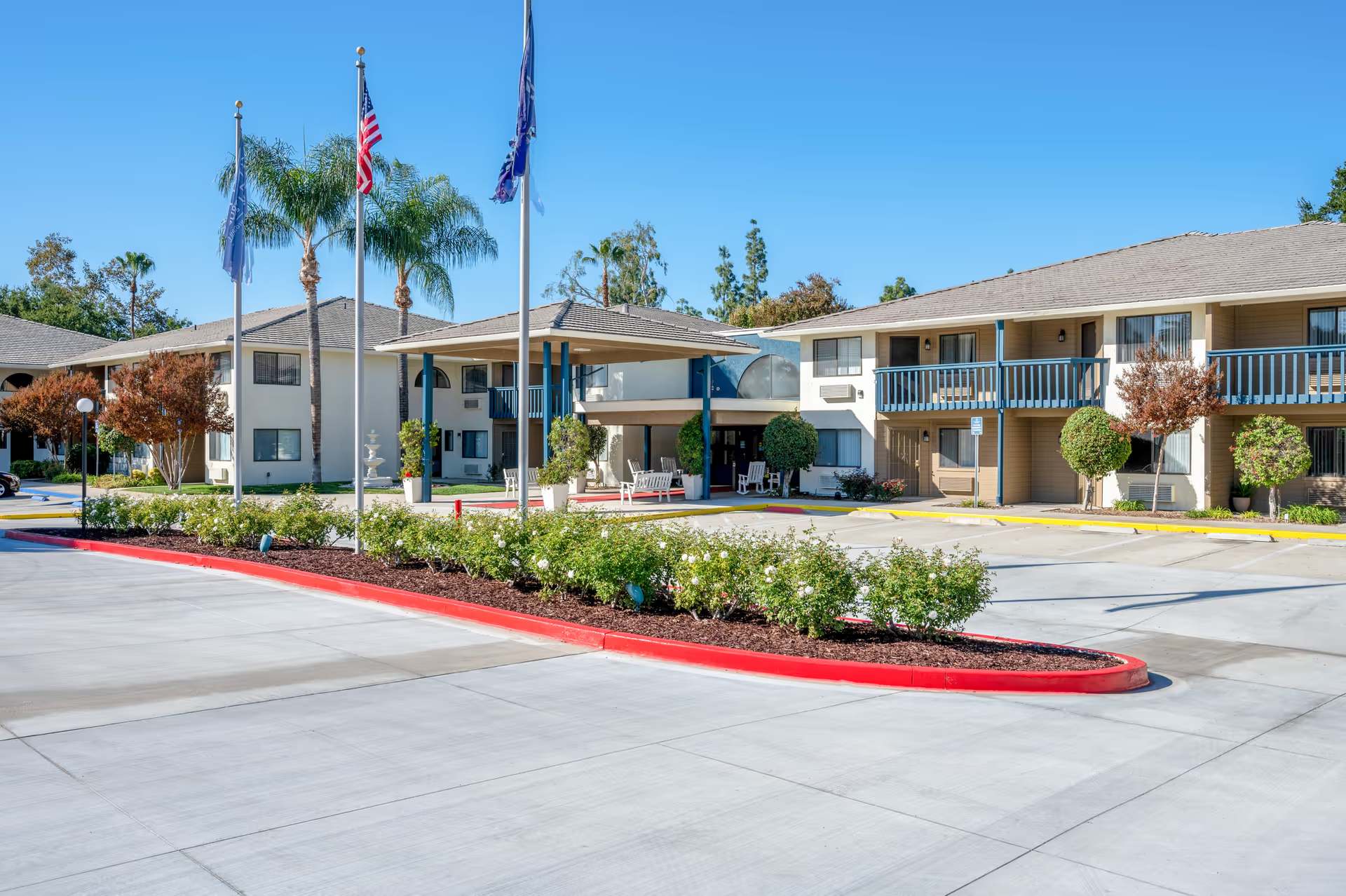
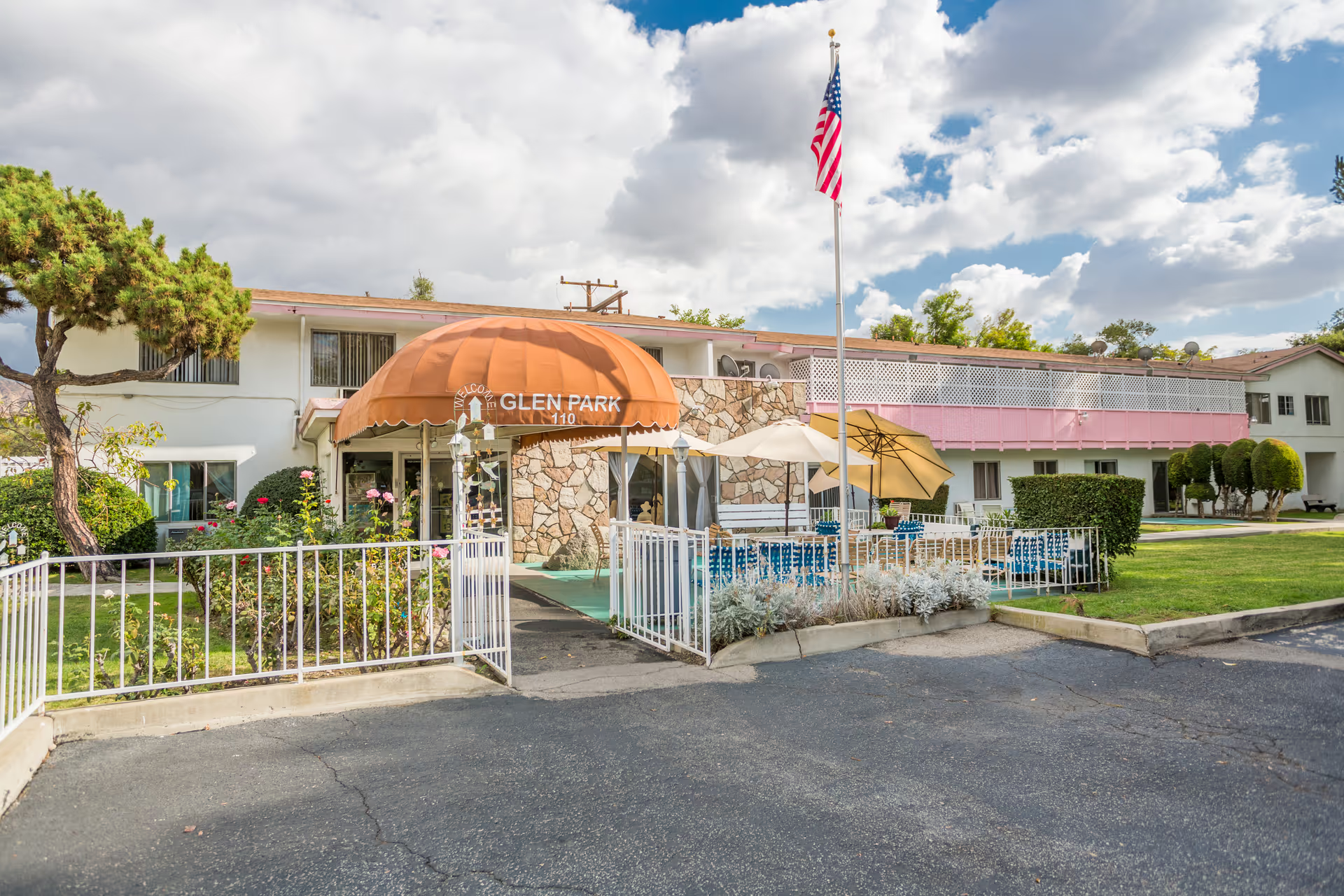
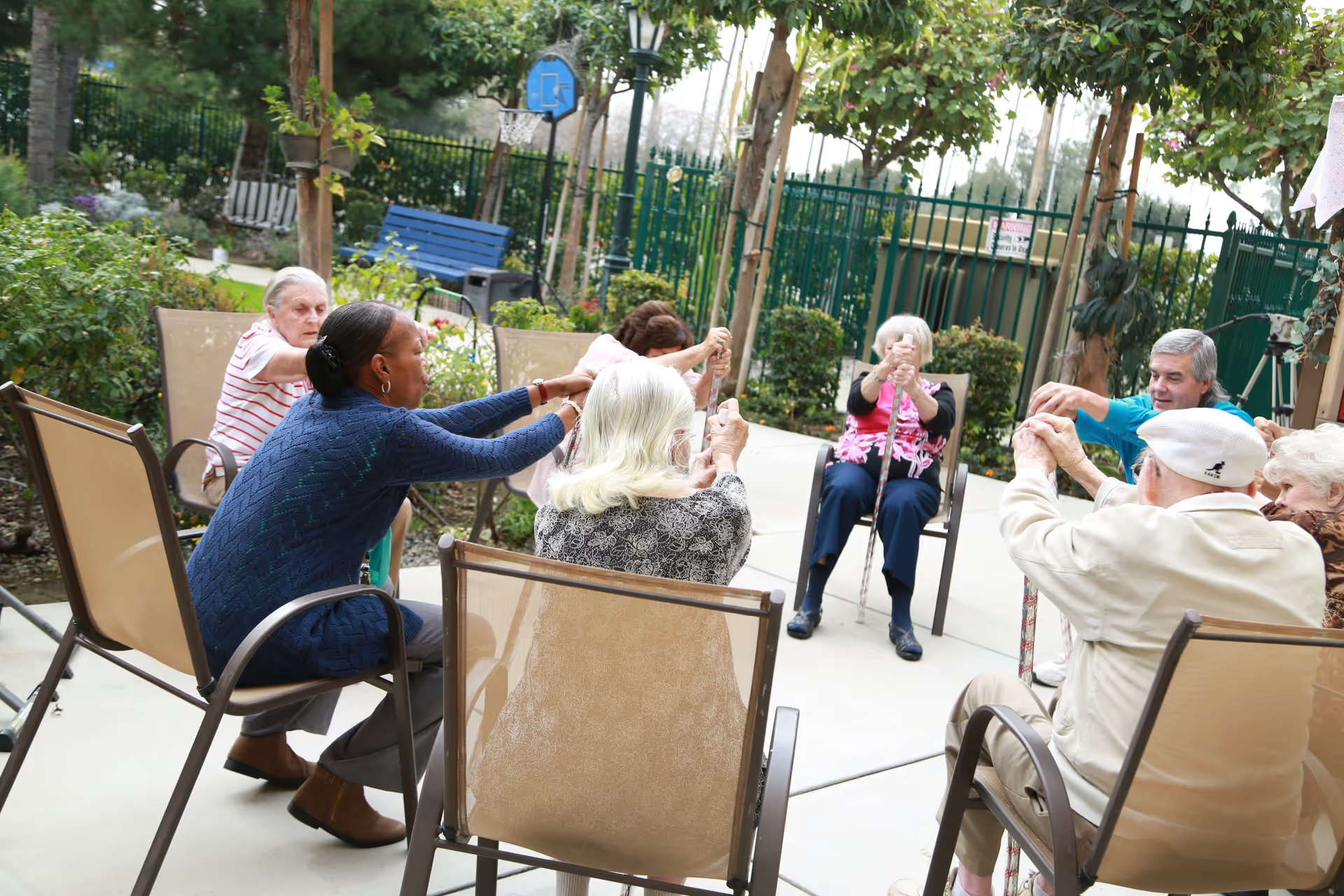
Reviews of Victoria Care Center present a mixed but consistent set of themes: many families and residents praise the interpersonal side of care — compassionate CNAs, attentive nurses, a welcoming admissions process, and a small, home-like environment — while others raise substantial clinical and operational concerns. The facility is frequently described as clean, organized, and in the process of renovation; reviewers also note visible rehab and wound-care services and report positive physical-therapy experiences for some residents.
Clinical services draw divergent assessments. Several reviewers describe effective rehabilitation, physical therapy, and wound-care capability, and praise staff who are supportive during recovery. At the same time, there are accounts that point to inconsistent clinical care coordination and treatment management, including infection-control shortcomings. A number of families expressed concern about transmission of infectious agents during stays and questioned timing and practices around outbreak management; these concerns suggest variability in how infection prevention protocols are implemented or communicated.
Staffing and staff conduct are recurrent topics. Many reviews highlight warm, caring interactions and strong customer-service orientation from nurses, CNAs, therapists, and administrative staff. Contrasting accounts describe periods of staffing instability, delayed personal-care responsiveness (for example, delays in attending to basic needs), and instances where families perceived staff tone or communication as inappropriate. These contrasting perceptions indicate that experiences may depend on shift, unit, or individual staff availability.
Dining and facility amenities also show mixed feedback. Several reviewers compliment the facility’s cleanliness, organized rooms, and ongoing upgrades; others appreciate the meal service and customer service. However, meal quality appears inconsistent across accounts, with some families characterizing food positively and others describing dissatisfaction. Maintenance responsiveness is likewise uneven: routine cleaning and upkeep are often praised, while some reviewers note slow resolution of nonclinical issues.
Management and administrative processes merit attention during any evaluation. Positive comments reference supportive administration and a welcoming intake experience. Negative feedback centers on communication and documentation gaps with families and external providers, and operational weaknesses such as payroll or billing problems in a limited number of accounts. There are also serious individual allegations concerning clinical decision-making and documentation; these reports are not uniform but suggest that prospective families should review clinical records and incident communication practices closely.
Practical recommendations for families: arrange an on-site tour that includes observation of mealtimes and a therapy session, request current infection-control policies and recent inspection records, ask about staffing levels by shift and backup plans, review examples of clinical documentation and family-communication procedures, and speak with current residents or families when possible. These targeted questions can help verify the strong interpersonal and rehabilitation strengths while clarifying the operational areas that have produced concern for some families.