Overall impression: Silverado Brea Memory Care Community is consistently described by families as a high‑quality, memory-care–focused community with an emphasis on quality of life, meaningful engagement, and attentive caregiving. Reviews emphasize warmth, a home‑like atmosphere, and a facility that is clean, airy, and designed for memory-care safety. The community’s programming and staff culture are the dominant strengths in family feedback.
Care and staff: Families and visitors consistently highlight compassionate, dementia‑trained nursing and caregiving staff who provide individualized care plans through a Nexus memory-care framework. Reviewers describe staff as patient, respectful, and emotionally supportive; many accounts emphasize that caregivers ‘‘go above and beyond’’ and that the team creates a family‑like relationship with residents. There is frequent praise for around‑the‑clock nursing availability and for staff who participate actively in activities and therapeutic programming. A pattern in the comments is strong appreciation for specific staff and activity leaders, which contributes positively to resident experience but also suggests an operational dependence on those individuals.
Dining and nutrition: Dining is repeatedly singled out as a strength. Families mention nutritious, well‑prepared meals, occasional specialty events (for example private family dining), and positive dining experiences for residents. Meal quality is described as better than expected by many families; special culinary activities such as cooking classes are integrated into programming and used as engagement tools.
Activities and engagement: Silverado Brea is presented as having varied, purposeful activities tailored to cognitive levels, including cooking classes, music therapy, exercise, painting, outings to local sites, and social events. Activity leadership receives consistent praise for creativity and resident engagement. The community emphasizes meaningful programming that supports dignity and purpose, and reviewers frequently attribute improved mood and participation to the activity schedule.
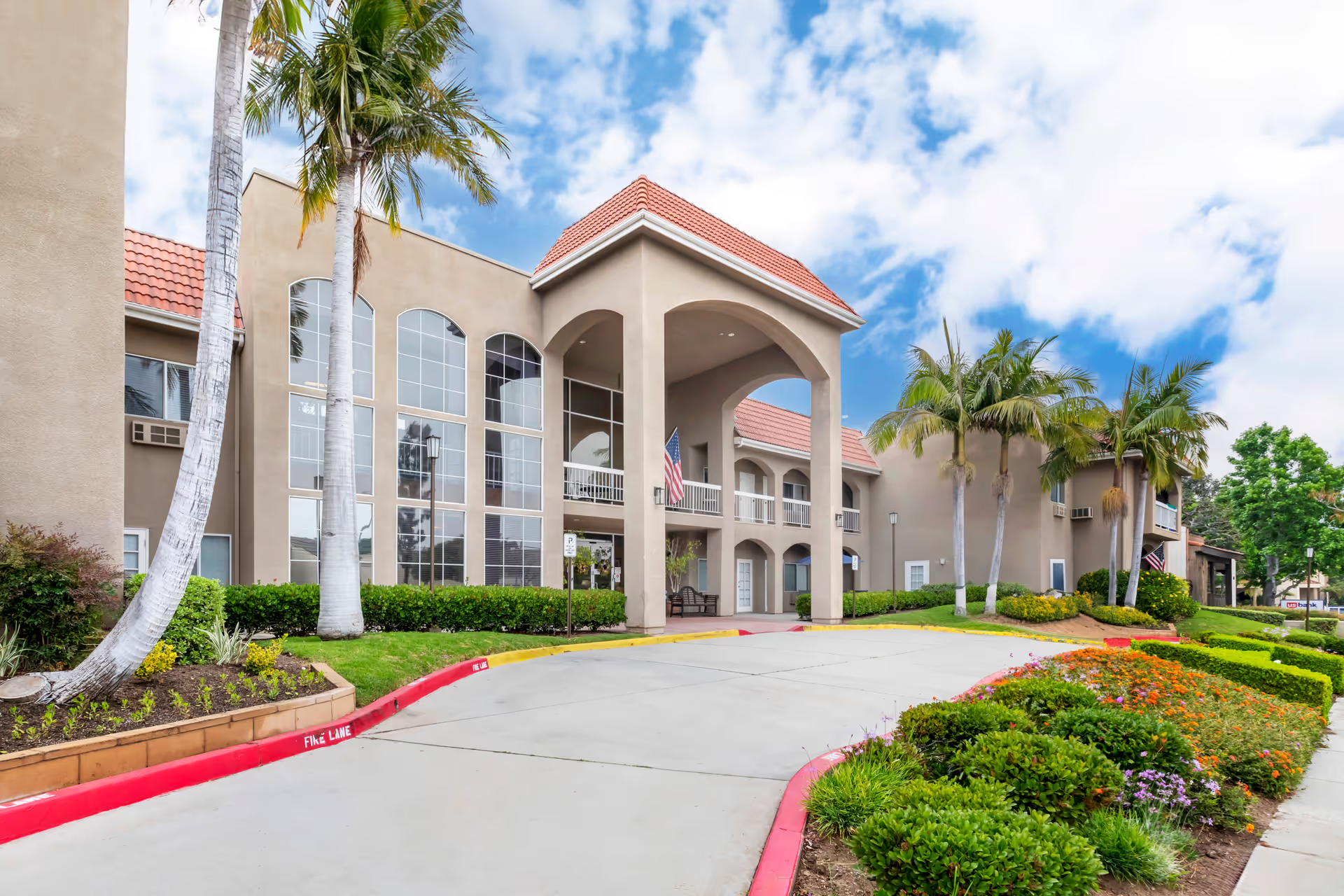
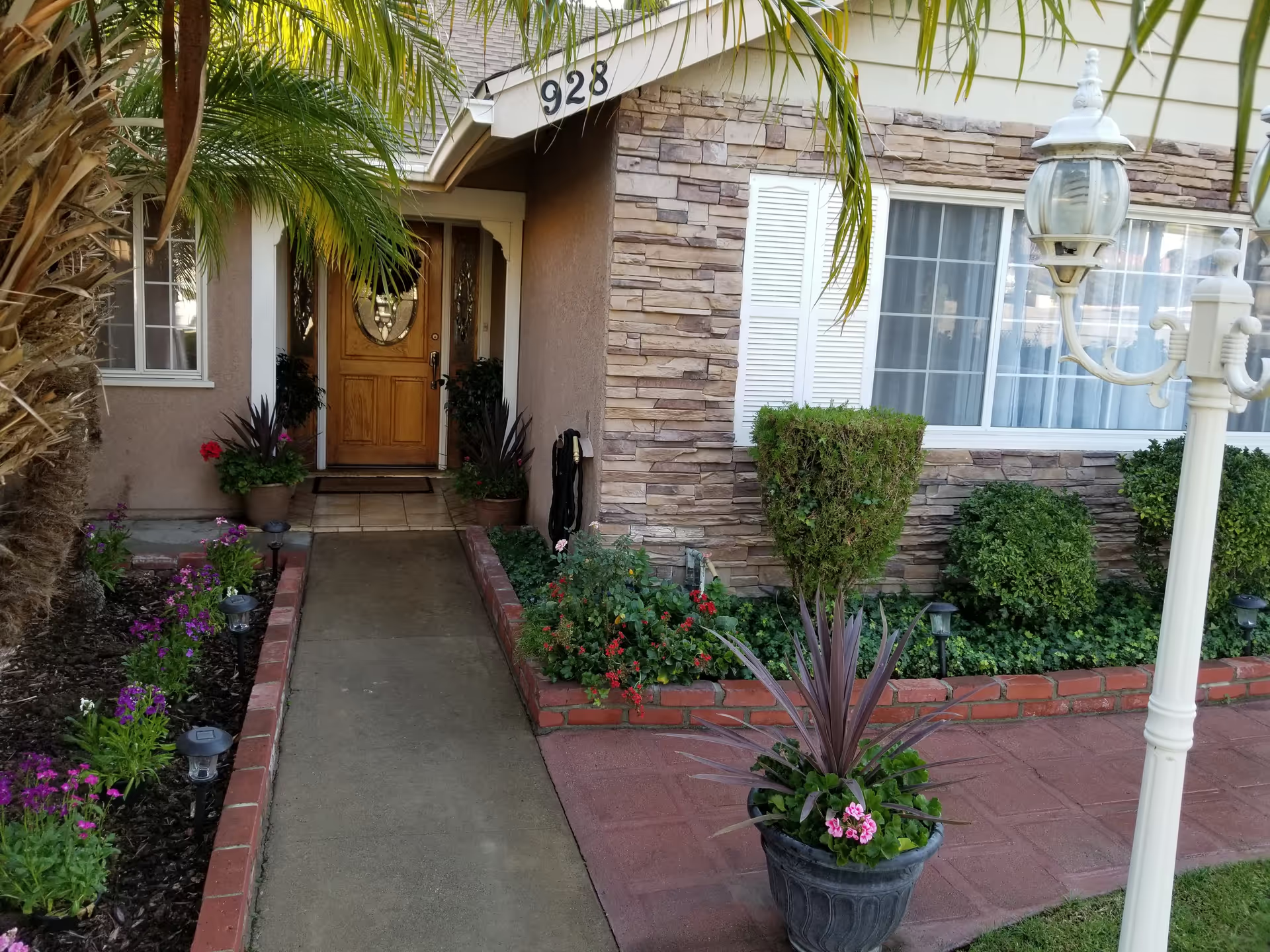
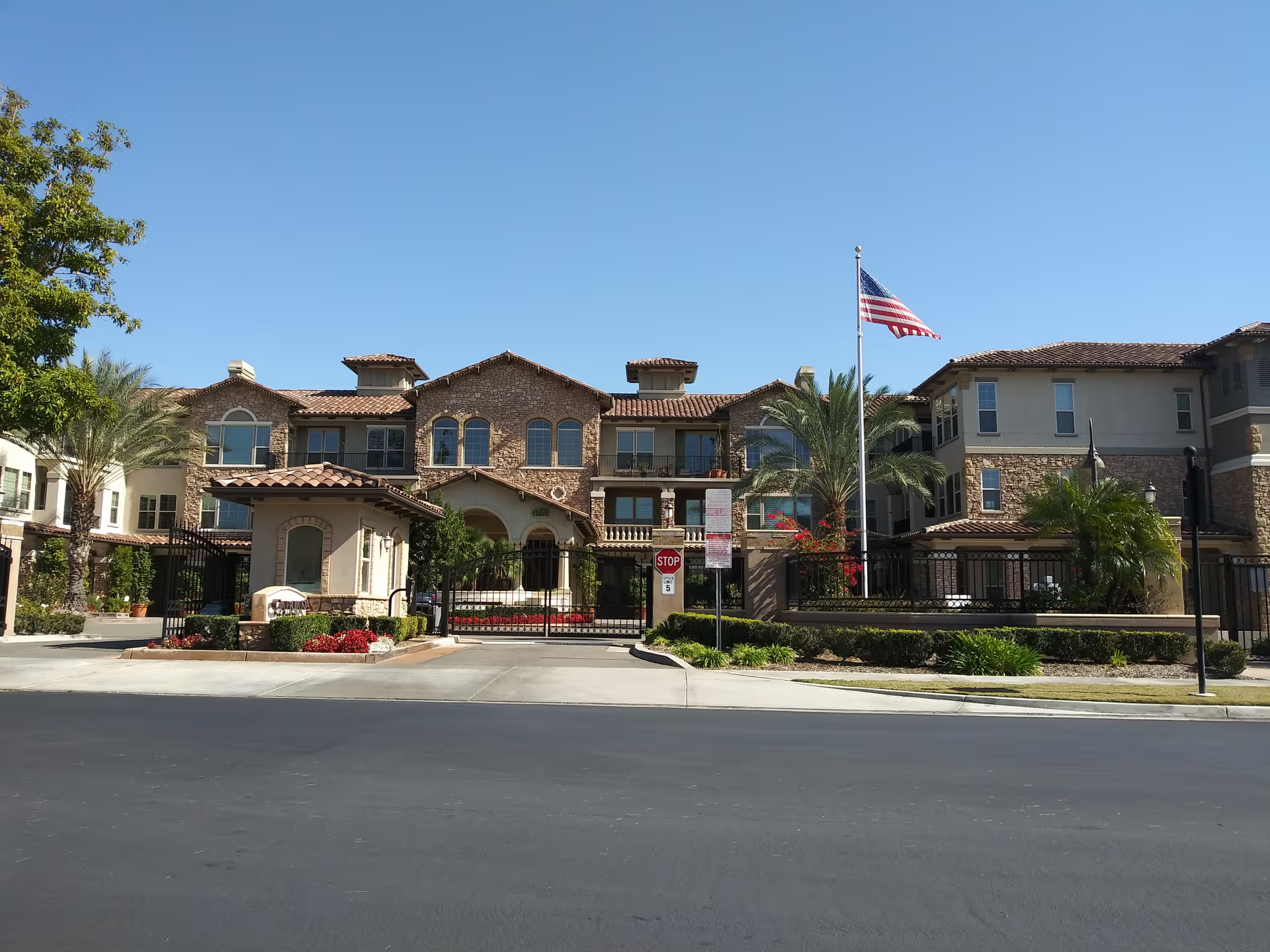
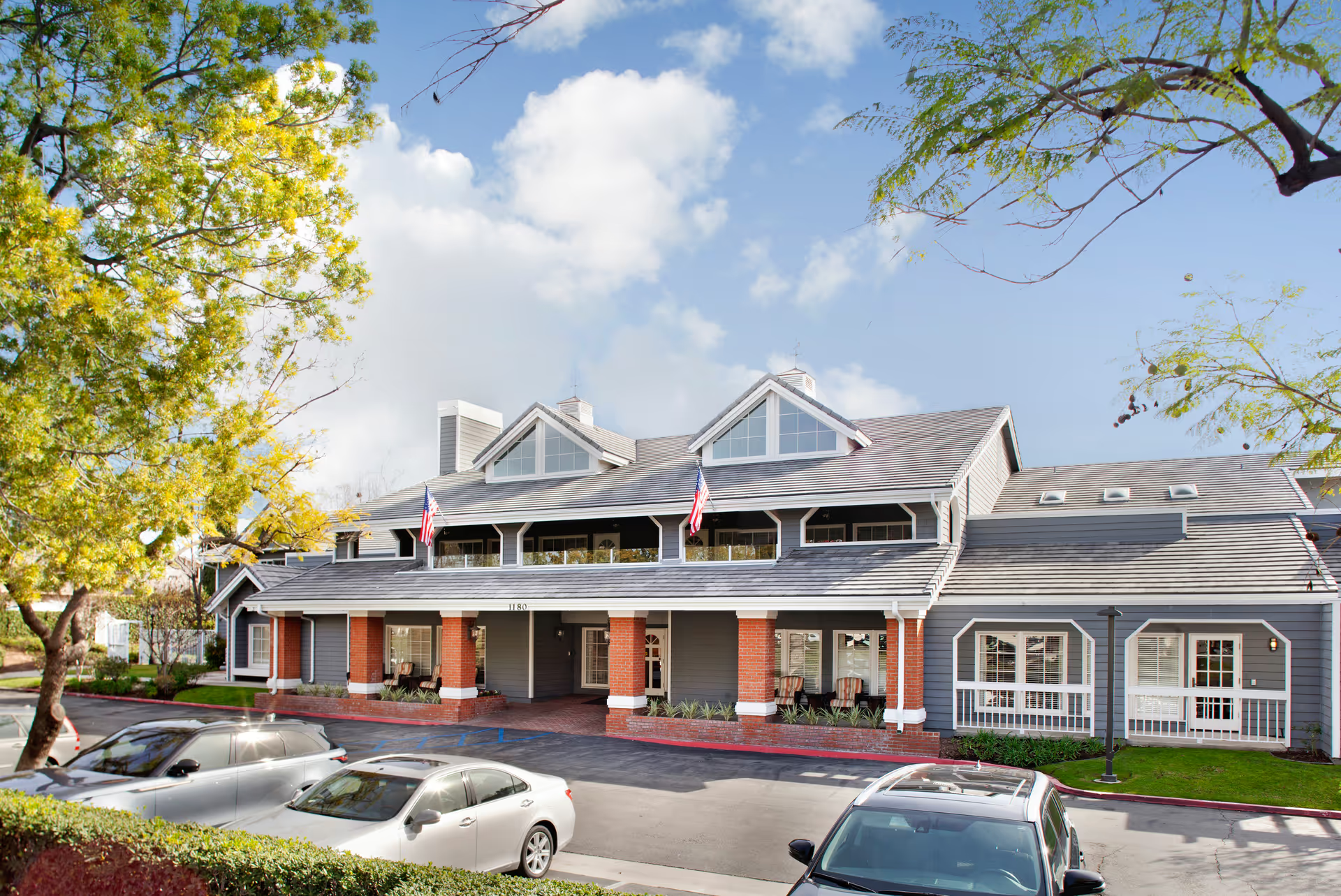
Facility and environment: The physical environment is described as clean, well‑maintained, bright, and airy, with outdoor and patio spaces used for visits and programming. The site is pet‑friendly and offers small‑community scale that many families find welcoming. Memory‑care design features and safety considerations were noted positively.
Management and communication: Families report strong communication channels with management and clinical staff, including rapid responses to issues, daily photo updates, and flexible approaches developed during COVID‑era restrictions (FaceTime, window/patio visits). Reviewers cite effective problem‑solving, collaborative family involvement in care decisions, and leadership that is viewed as knowledgeable and passionate about dementia care.
Notable patterns and considerations: The dominant themes are strength in staff culture, activity programming, dining, and family communication. Two practical considerations emerge for prospective families: cost and continuity. Several accounts note that Silverado Brea is relatively expensive and that affordability can be a constraint. Additionally, a number of families praise particular staff members and activity leaders by name; while this underscores strong personal caregiving, it also indicates that resident experience may be sensitive to staff continuity and turnover. Finally, reviewers focus heavily on quality‑of‑life and programmatic outcomes; there is less commentary in these summaries about advanced clinical outcomes or specialized medical services, so families seeking detailed clinical performance metrics should ask for those data during a tour.
Recommendation guidance: For families prioritizing dementia‑focused programming, engaging activities, strong family communication, and a warm, home‑like environment, Silverado Brea appears to perform well. Prospective visitors should verify current pricing and financial‑assistance options, ask about staff retention and contingency staffing plans, and request information on clinical capabilities and outcome measures that matter to their loved one (e.g., medication management protocols, hospitalization rates, or advanced medical services) to ensure alignment with their clinical needs.